You've seen the pictures. Raked gravel swirling around mossy stones, maybe a single, carefully placed maple tree. A Zen garden, or kare-sansui (dry landscape), looks simple. Almost too simple. That's the first trick. The real magic, and the reason these spaces have captivated people for centuries, isn't in the rocks and sand you see. It's in the invisible framework of thought that holds it all together. That framework is built on seven core principles.
Understanding these principles is like getting a decoder ring. Suddenly, a quiet corner of rocks isn't just decoration; it's a meditation on the nature of existence. It's why people travel to Kyoto to see Ryoan-ji Temple's famous garden, a UNESCO World Heritage site. They're not just looking at a pretty arrangement. They're seeking a feeling, a moment of clarity that the garden's design is engineered to provoke.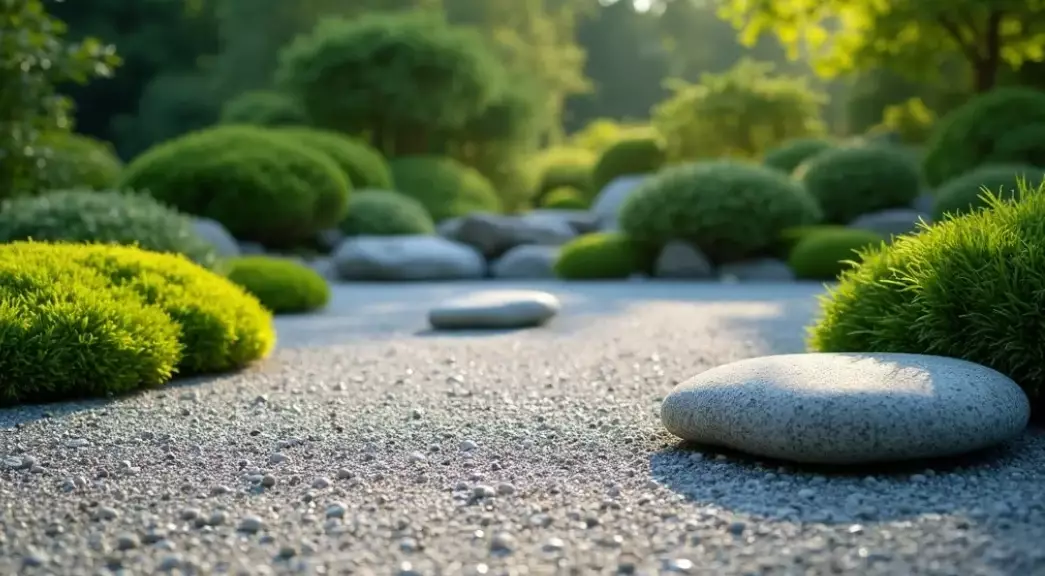
Let's break down those seven principles. They're not a strict checklist for gardeners, but a philosophical toolkit for creating space that does more than occupy land—it occupies the mind.
What You'll Learn
What Is a Zen Garden, Really?
First, let's clear something up. A Zen garden isn't primarily a place for cherry blossoms or colorful flowers. That's a different, equally beautiful style of Japanese garden. The classic kare-sansui emerged in the Muromachi period (14th-16th centuries) within Zen Buddhist monasteries. Monks used them as aids for meditation (zazen).
The purpose wasn't leisure. It was contemplation. The garden was a microcosm of the natural world, designed to help the observer move past the surface of things. The raked gravel isn't just a pattern; it can represent flowing water, ocean waves, or the void from which all things arise. The rocks are not just rocks; they might be islands, mountains, or even tigers crossing a stream. The emptiness is as important as the objects.
This is crucial. If you approach a Zen garden looking for what it has, you'll miss half of it. You need to also appreciate what it deliberately leaves out. That's the first principle in action.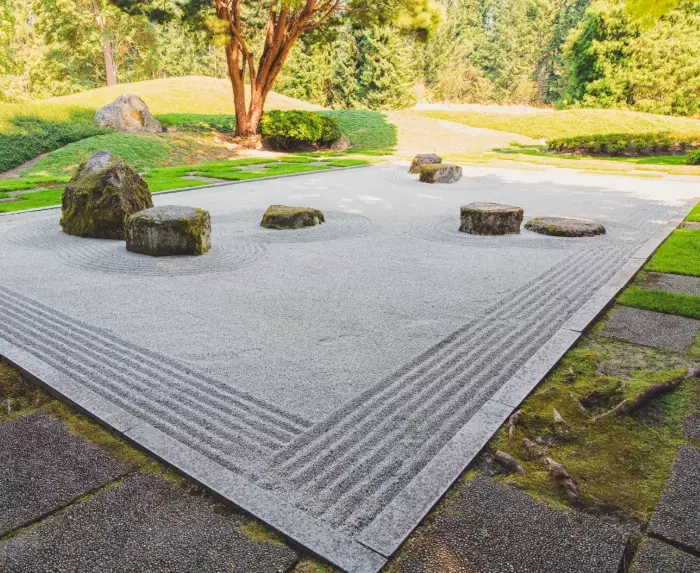
The 7 Principles of Zen Garden Design Explained
These seven concepts are often rooted in broader Japanese aesthetic ideals. They guide every decision, from the selection of a single stone to the overall layout.
| Principle (Japanese) | Core Meaning | What It Looks Like in the Garden |
|---|---|---|
| 1. Kanso (簡素) | Simplicity, elimination of clutter. | No unnecessary elements. A composition of maybe 5-15 stones, gravel, and some moss. No flowers, no decorative ornaments. Every item must earn its place. |
| 2. Fukinsei (不均斉) | Asymmetry, irregularity. | Avoiding perfect balance. A group of three stones will be arranged in a scalene triangle, never an isosceles or equilateral one. Nature is imperfect, and the garden reflects that. |
| 3. Shibui/Shibumi (渋味) | Understated beauty, austerity. | A beauty that is subtle, not obvious. It's in the patina on an old stone, the deep green of moss in shadow, the muted grey of weathered wood. Nothing is loud or garish. |
| 4. Shizen (自然) | Naturalness, absence of pretense. | Stones look as if they were always there. Moss grows where it naturally would. The design feels inevitable, not forced. No stone looks like it was "dropped in" yesterday. |
| 5. Yugen (幽玄) | Profound grace, subtle depth. | Suggestion over statement. A partially obscured stone hints at a larger mountain. The garden invites you to imagine what lies beyond the boundary. It's about mystery. |
| 6. Datsuzoku (脱俗) | Freedom from habit, transcendence. | Breaking conventional rules to create surprise and wonder. This might be an unusually shaped rock or an unexpected void in the composition. It keeps the design from being predictable. |
| 7. Seijaku (静寂) | Tranquility, stillness, active silence. | The overall feeling. It's not just the absence of sound, but a positive, resonant quiet. Achieved through the interplay of all the principles above. This is the ultimate goal. |
Now, let's go a bit deeper into a few that people often misunderstand.
Fukinsei (Asymmetry) Is Not Randomness
This is where many DIY projects go off the rails. They hear "asymmetry" and think "just throw things down unevenly." That creates chaos, not harmony. True fukinsei is a balanced imbalance. Think of a seesaw with a large rock close to the center and a small rock far out on the other side. The visual weight is balanced, but the forms and positions are not mirrored. It requires more thought, not less.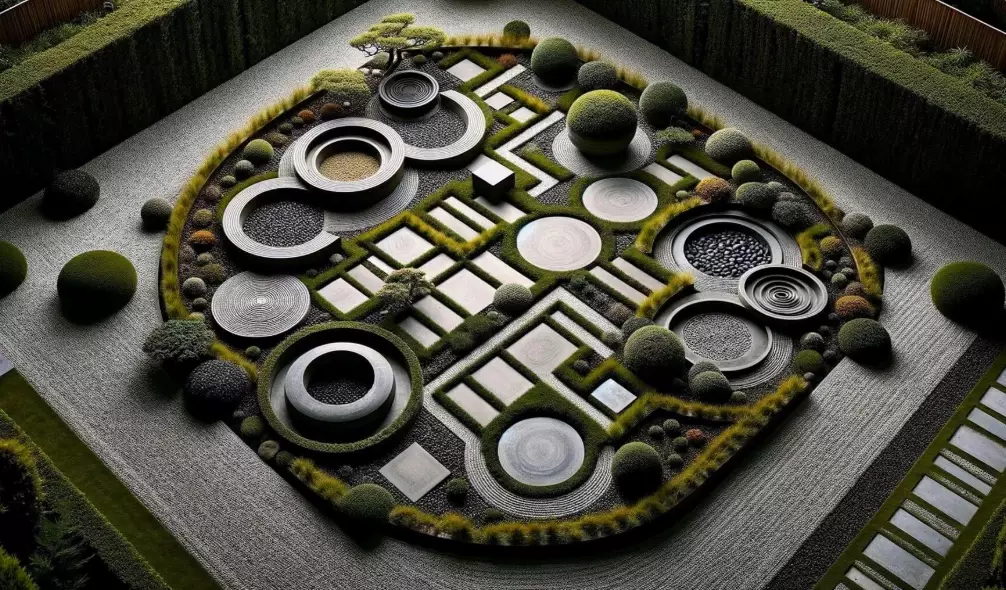
Yugen (Subtle Depth) - The Secret Ingredient
Yugen is the hardest principle to pin down but often the most powerful. It's the garden's ability to suggest a world beyond its borders. At the Adachi Museum of Art garden in Shimane (often ranked as Japan's best), the designers used "borrowed scenery" (shakkei)—incorporating distant mountains into the garden's view—to create an immense sense of yugen. Your garden might achieve it by letting a trailing plant hint at something unseen behind a wall, or by placing a stone so its back is mossy, suggesting great age and a hidden side.
How to Apply These Principles (Even in a Small Space)
You don't need a temple courtyard. A balcony corner, a patio, or a 3x3 foot spot in your backyard can become a Zen space. Let's walk through a hypothetical scenario.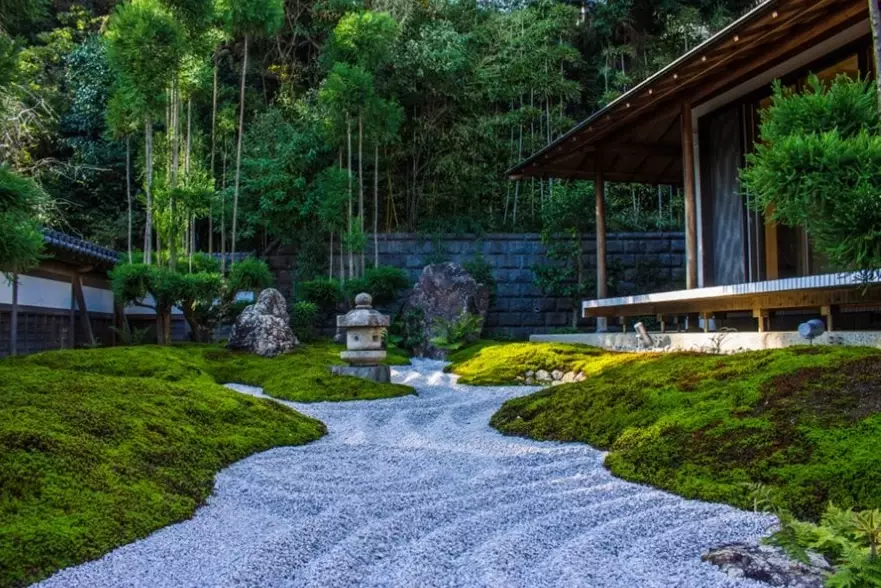
Scenario: You have a small, rectangular patio, about 6 feet by 10 feet. It's currently empty except for a couple of plastic chairs. You want to transform one 6x3 foot end into a meditative Zen corner.
Step 1 - Kanso & Shizen (Simplicity & Naturalness): Clear everything out. Literally. Sweep it clean. Your materials will be: a base of pea gravel or coarse sand, 3-5 interesting stones of different sizes (seek them out from a landscape supplier, don't use garish white marble chips), and maybe one small, slow-growing plant like a dwarf mondo grass or a patch of moss (you can cultivate moss with a yogurt blend).
Step 2 - Fukinsei (Asymmetry): Place your largest stone first. Don't put it in the center. Offset it, maybe one-third of the way into the space. This is your "main mountain." Now, place a medium stone. Don't pair it symmetrically opposite. Create a visual triangle with a smaller stone. Get down on your knees and look. Does it feel stable but interesting? Keep adjusting.
Step 3 - Shibui & Yugen (Subtle Beauty & Depth): Choose stones with texture, not smooth river rocks. A stone with a lichen stain or a interesting fracture line has shibui. Place one stone so part of it nestles into the imagined "shoreline" of your gravel, half-hidden. This creates yugen.
Step 4 - Datsuzoku (Freedom from Habit): Maybe you leave a section of the base as dark mulch instead of gravel, creating a "land" mass. Or you use a tall, narrow stone vertically when all others are horizontal. One unexpected element creates focus.
Step 5 - Seijaku (Tranquility): This is the result. Add a low, simple bench to sit on, not in the garden, but facing it. The act of maintaining it—raking the gravel into simple, flowing lines—is the meditation. The pattern isn't permanent; you erase and re-create it, a lesson in impermanence (mujo).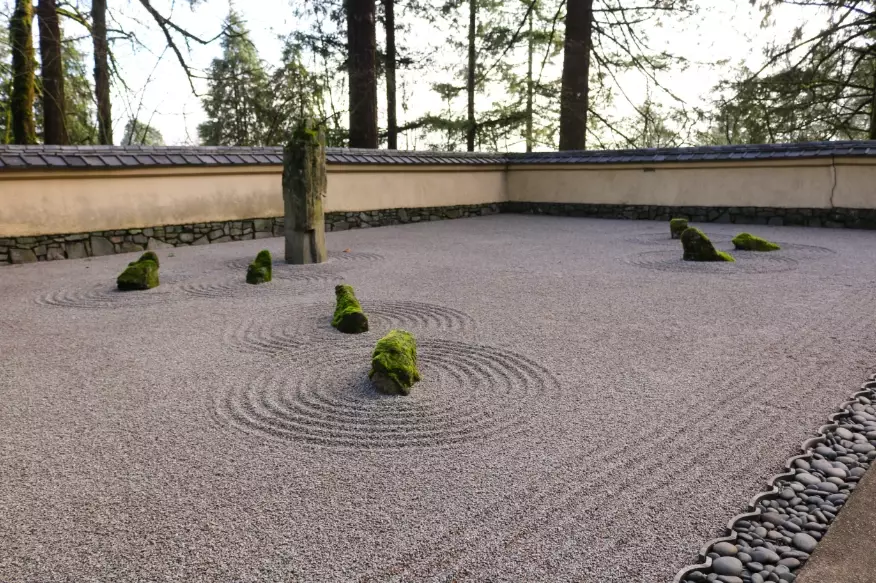
Common Mistakes & Expert Insights
After visiting dozens of gardens and speaking with practitioners, I see the same errors repeated.
Overcrowding: The biggest one. People add a bamboo fountain, a lantern, several plants, and five different types of stone. This violates Kanso completely and kills Seijaku. Start with less than you think you need. You can always add one thing later, but you almost never will.
Forcing Symbolism: "This rock is a turtle, that gravel is the ocean, this is Mount Fuji." While traditional gardens have symbolic layers, forcing a literal story makes the garden a puzzle to decode, not an experience to feel. Let the forms suggest, don't dictate.
Ignoring the Viewing Point: Classic Zen gardens like Ryoan-ji are designed to be viewed from a single, seated position on the veranda. Every composition is calculated from that vantage point. In your space, decide where you will sit or stand to view it, and design primarily for that angle.
Using Bright Colors: Colored glass, painted figurines, bright red maple trees (in the wrong context)—these scream for attention and shatter shibui. The palette is earth tones: greys, greens, browns, whites. The only "color" should be the play of light and shadow throughout the day.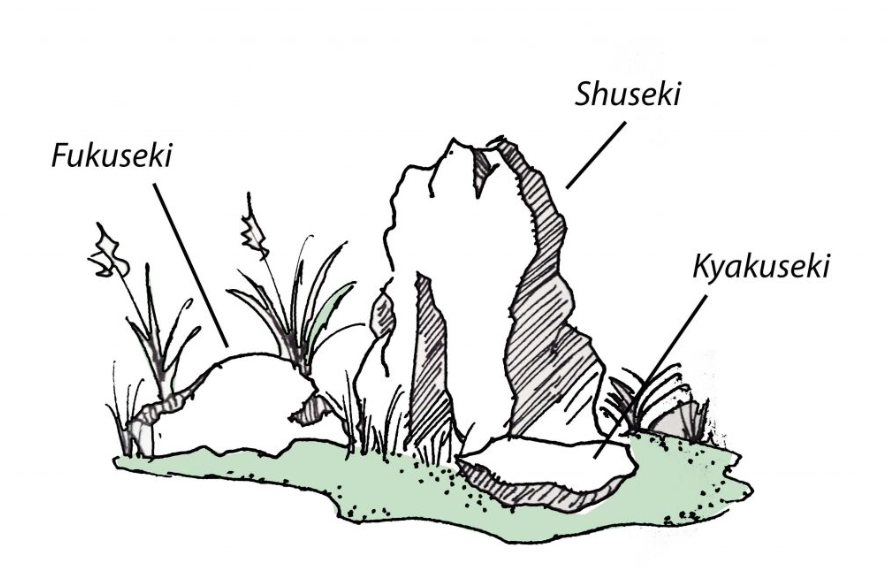
Your Zen Garden Questions Answered
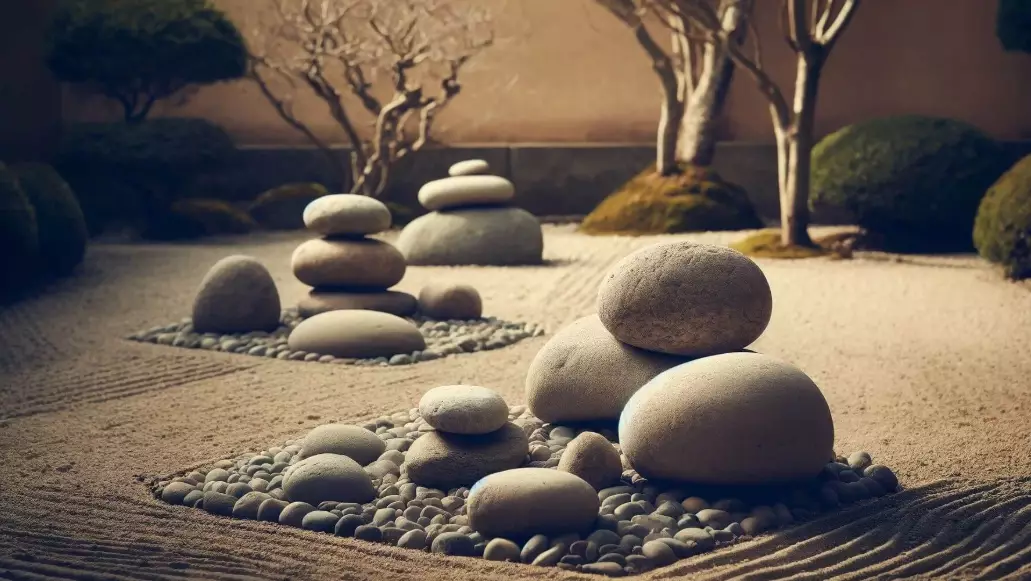 I've only got a windowsill. Is a mini Zen garden just a toy?
 The seven principles of a Zen garden are more than design rules. They're an invitation to see the world differently—to find depth in simplicity, balance in asymmetry, and profound quiet in a handful of stones. Whether you're planning a pilgrimage to Kyoto's ancient temples or sketching out a corner of your backyard, let these ideas guide you. Start small, observe deeply, and remember that the most important element in any Zen garden is the mindful presence of the person experiencing it.




Share Your Thoughts