In This Guide
- First Things First: What Makes a Japanese Castle Special?
- Planning Your Japanese Castle Tour: A Realistic Blueprint
- The Crown Jewels: Must-See Original Castles
- Beyond the Originals: Reconstructions, Ruins, and Hidden Gems
- Your Japanese Castle Tour Toolkit: Practical Tips & Tricks
- Cultural Respect & Castle Etiquette
- Frequently Asked Questions (The Stuff You're Actually Wondering)
- Wrapping It Up: Your Next Steps
Let's be honest. When you first think about a trip to Japan, castles might not be the very first thing that pops into your head. Sushi, sure. Bullet trains, absolutely. Neon-lit Tokyo streets, definitely. But then you see a picture. Maybe it's the elegant, white-plastered keep of Himeji Castle, seemingly floating against a blue sky. Or the stark, black walls of Matsumoto Castle, perfectly mirrored in its moat. And suddenly, you get it. These aren't just old buildings; they're the soul of feudal Japan, standing as silent, majestic storytellers. Planning a Japanese castle tour suddenly feels less like checking a box and more like unlocking a secret history.
I remember my first visit to Himeji. I'd seen a hundred photos, but nothing prepared me for the sheer scale and intricate beauty up close. I also remember the disappointment of realizing some famous castles were, well, concrete reconstructions. That's the thing about a Japanese castle tour – it's a minefield of amazing authenticity and confusing replicas. How do you tell them apart? Which ones are truly worth your time? And how do you plan a trip that doesn't just have you running from one stone wall to the next?
That's why I wrote this. Not as a dry list of facts, but as the guide I wish I'd had. We'll cut through the noise, separate the must-see originals from the interesting-but-rebuilt, and give you all the practical nuts and bolts. From buying tickets to knowing where to stand for the best photo, consider this your personal blueprint for an unforgettable Japanese castle tour.
First Things First: What Makes a Japanese Castle Special?
Before we dive into itineraries and ticket prices, let's hit pause for a second. Understanding *what* you're looking at makes all the difference. A Japanese castle (城, *shiro*) isn't just a big house for a lord. It was a military fortress, a political statement, and a sprawling complex. The main keep (天守閣, *tenshukaku*) is the iconic part, but the real genius is often in the defenses you might walk right past.
Think massive, sloping stone walls (石垣, *ishigaki*) designed to repel climbers and earthquakes. Think maze-like approaches with multiple gates (門, *mon*) and baileys (曲輪, *kuruwa*) to confuse and trap attackers. Some castles, like Edo Castle (now the Imperial Palace in Tokyo), were colossal cities within walls. Others, like Matsue Castle, feel more intimate, built for sustained defense rather than just impressing from afar.
Here's the biggest secret for your Japanese castle tour: look down and around, not just up.
The stonework itself is art. The way massive boulders were fitted together without mortar is astounding. And the location? Some command plains, controlling trade routes. Others, like Gifu Castle, are perched perilously on mountaintops, sacrificing convenience for an unbeatable vantage point. Each site tells you what that feudal lord feared and prized most.
Planning Your Japanese Castle Tour: A Realistic Blueprint
You can't see all of them. Don't even try. Japan has over a hundred castle sites, from sprawling ruins to pristine originals. The key is to be selective and mix types. I recommend a blend of one or two "marquee" original castles, a unique reconstruction or two for variety, and maybe a scenic ruin for atmosphere. Your Japanese castle tour should feel like a curated journey, not a military history marathon.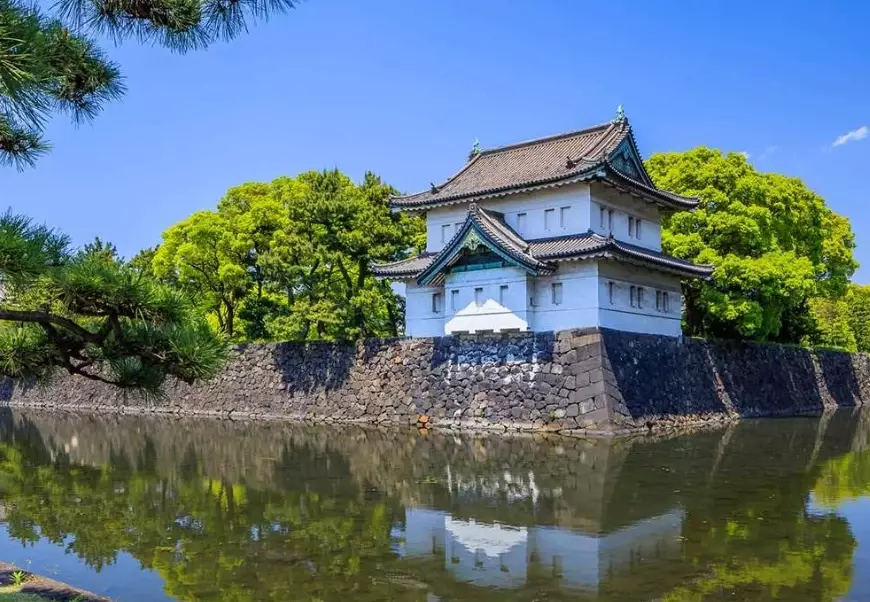
How Many Days Do You Need?
It totally depends on your overall Japan trip. But here's a realistic breakdown:
- The Taster (1-2 castles): Perfect if you're just adding a castle or two to a broader city itinerary. Visit Himeji from Osaka/Kyoto in a day trip. Or see Matsumoto as a stop between Tokyo and the Japanese Alps. This is a great introduction.
- The Enthusiast (3-5 days): Now we're talking. You can dedicate a long weekend or a segment of your trip. You could focus on a region, like Kansai (Himeji, Hikone, Osaka Castle) or combine a few originals across different areas with good train links.
- The Deep Dive (1 week+): For the true aficionado. This allows you to chase down the "Twelve Original Castles" (more on that below), explore remote mountain castles, and spend real time at each site without rushing.
My personal sweet spot is the enthusiast level. It gives you enough time to appreciate the differences without getting "castled out."
Sample Japanese Castle Tour Itineraries
Let's get practical. Here are a few concrete ideas, from a quick dash to a dedicated pilgrimage. These assume you're using a Japan Rail Pass for the longer ones, which is almost always worth it for this kind of travel.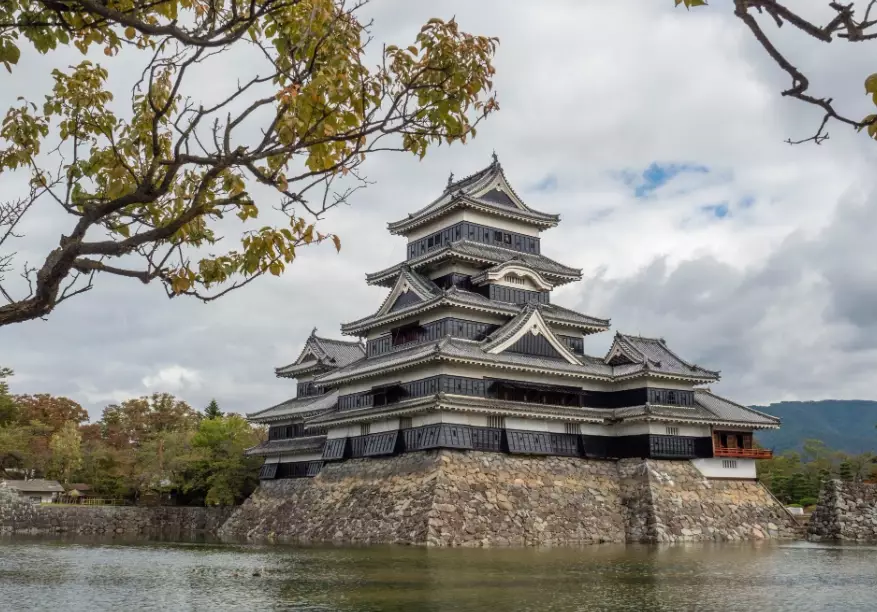
| Itinerary Name | Duration | Castles Covered | Best For | Travel Notes |
|---|---|---|---|---|
| The Kansai Classic | 3-4 Days | Himeji (Original), Hikone (Original), Osaka (Reconstruction) | First-timers, those based in Kyoto/Osaka | Easy day trips via JR lines. Himeji is a must-see, Hikone offers charm, Osaka Castle is grand but busy. |
| The Alpine & Original Combo | 4-5 Days | Matsumoto (Original), Takayama (Historic Town), Kanazawa (Garden & Rebuilt Gate) | Scenery lovers, those wanting culture beyond castles | Matsumoto is stunning. This mixes a top-tier castle with beautiful towns. The train ride through the Alps is spectacular. |
| The Original Twelve Challenge (Taster) | 7-10 Days | Himeji, Matsumoto, Matsue, Bitchu-Matsuyama, etc. | The dedicated castle hunter | Requires planning and travel across Honshu. A fantastic deep dive into history and architecture. Be prepared for lots of train time. |
| The Kyushu Samurai Trail | 5-6 Days | Kumamoto (Reconstruction, impressive), Shimabara (Scenic), Ruins of Kagoshima | Those exploring southern Japan, history buffs | A different flavor. Kumamoto Castle is one of Japan's most impressive reconstructions, though rebuilding from 2016 earthquake damage is ongoing. |
See? It's about choosing a theme. Don't just pin castles on a map willy-nilly.
The Crown Jewels: Must-See Original Castles
This is the heart of any serious Japanese castle tour. "Original" (現存天守, *genzon tenshu*) means the main keep has survived since the feudal era, escaping war, fire, and demolition. There are only 12 left. Each is a national treasure, and visiting one is a completely different experience from walking through a modern concrete replica.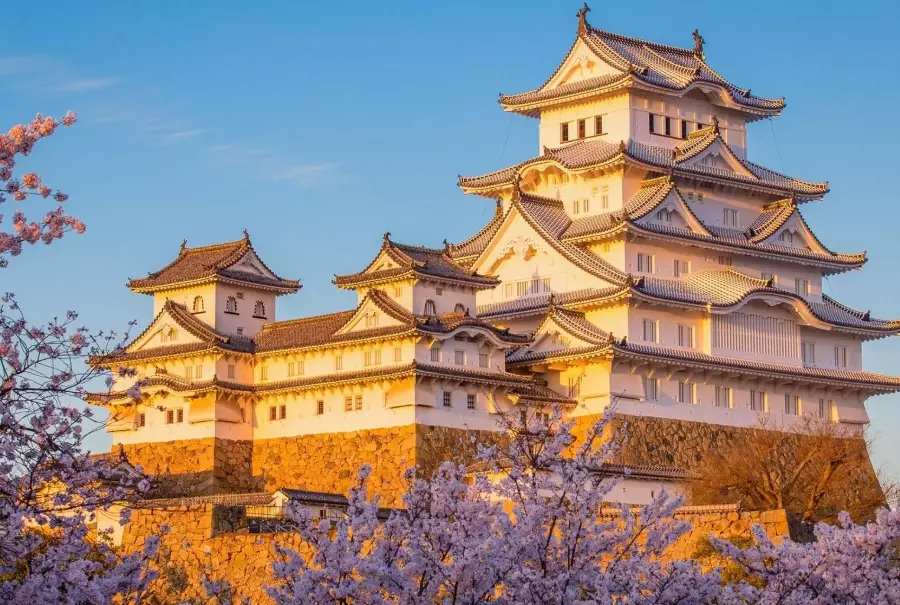
The feel is different. The smell of old wood, the groan of floorboards underfoot, the steep, almost ladder-like staircases designed for defense—it's authentic. You're walking where samurai and lords actually walked centuries ago.
So, which of these twelve should you prioritize? Let's rank the top five for a general visitor, balancing accessibility, grandeur, and overall experience.
Top 5 Original Castles for Your Japanese Castle Tour
Himeji Castle (Hyogo Prefecture): The undisputed king. Nicknamed "White Heron Castle" for its elegant, white-plastered walls and roofs that resemble a bird taking flight. It's massive, complex, and stunningly beautiful. A UNESCO World Heritage site and the largest, most visited original castle. It can get packed, but it's non-negotiable. Go early. The official Himeji Castle website has great info on tickets and opening times.
Matsumoto Castle (Nagano Prefecture): The "Crow Castle" for its striking black lacquered wood. It's a *hirajiro* (plainland castle) surrounded by a moat, giving you those iconic reflection photos. The interior is wonderfully preserved and feels more like a working fortress than Himeji. The setting against the Japanese Alps is unbeatable. A personal favorite for its moody, defensive atmosphere.
Matsue Castle (Shimane Prefecture): One of the few remaining castles that never saw battle. It retains its original *tenshu* and is the second-largest, third-tallest original. It's less touristy, giving you a more peaceful experience. The views over Lake Shinji are lovely. It feels lived-in and robust.
Hikone Castle (Shiga Prefecture): The charming underdog. Smaller and more intimate than Himeji or Matsumoto, Hikone is adored for its completeness and beautiful garden settings. You can see the lord's palace and stroll through Genkyuen Garden, designed to be viewed from the castle. It's a perfect half-day trip from Kyoto and feels like stepping into a classic Japanese painting.
Inuyama Castle (Aichi Prefecture): Claims to be the oldest original *tenshu* in Japan (though there's some debate). It's small, privately owned for centuries, and perched on a hill overlooking the Kiso River. The climb to the top is cramped and steep, but the historical vibe is incredible. It's often less crowded, offering an authentic, no-frills experience.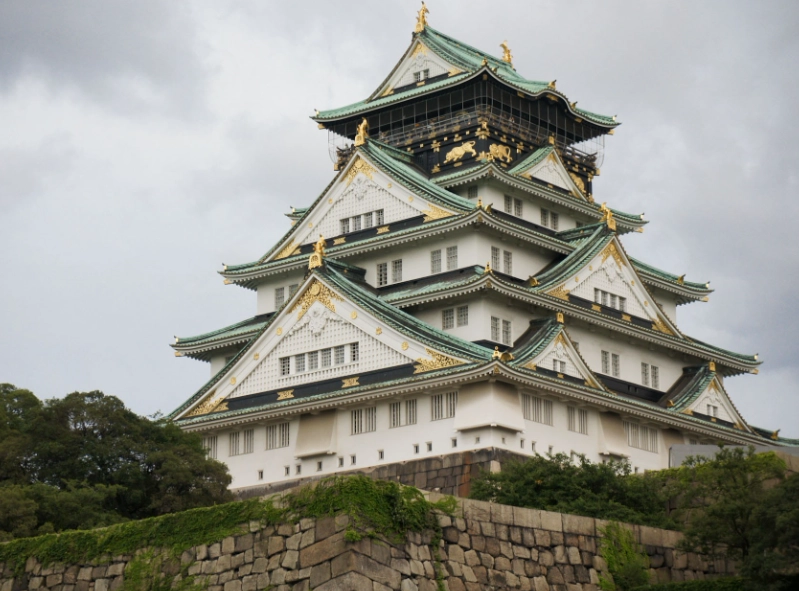
You really can't go wrong with any of the twelve. But if you only see one or two, Himeji and Matsumoto give you the best contrast in style and are highly accessible.
Beyond the Originals: Reconstructions, Ruins, and Hidden Gems
Okay, sticking only to the twelve originals would mean missing some incredible sites. Many reconstructions are masterpieces in their own right and are built on the original foundations with meticulous research. Others are ruins that fire the imagination. A balanced Japanese castle tour has room for these.
Impressive Reconstructions:
- Osaka Castle: The interior is a modern museum (which I find a bit soulless), but the exterior is spectacular and the park grounds are huge and lively. It's a symbol of the city. Go for the iconic view, not necessarily for a deep historical immersion.
- Kumamoto Castle: Widely considered Japan's best reconstruction before the 2016 earthquakes. The scale is immense. It's currently under a massive, decades-long restoration project, which is fascinating to see in itself. Check Kumamoto's official tourism site for the latest access information.
- Nagoya Castle: The golden dolphin roof ornaments (金の鯱, *kin no shachihoko*) are legendary. The reconstruction is grand, but the recent decision to demolish and rebuild it using traditional wood methods (a multi-decade project) is a huge story in the castle world.
Atmospheric Ruins & Sites:
Sometimes, less is more. The ruins of Shuri Castle in Okinawa (a unique Ryukyuan style, tragically burned in 2019 but rebuilding) tell a different story of the Ryukyu Kingdom. The sprawling stone walls of Takeda Castle ruins in Hyogo, often called the "Castle in the Sky" when shrouded in morning fog, offer a hike and a view you'll never forget. Sites like these require more imagination but can be profoundly moving.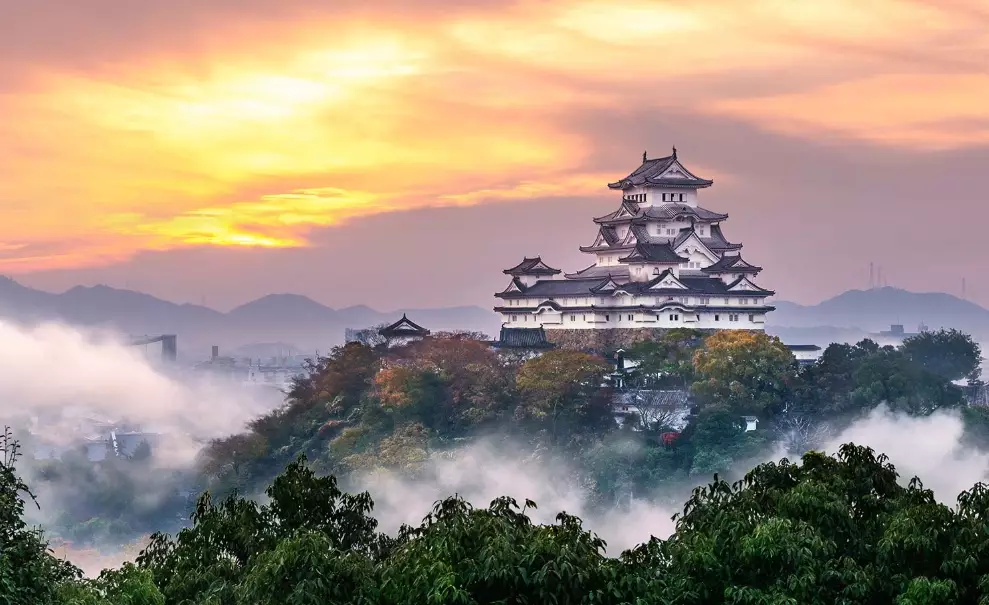
Your Japanese Castle Tour Toolkit: Practical Tips & Tricks
This is the stuff they don't always tell you. The nitty-gritty that makes your day smoother.
Buying Tickets & Avoiding Crowds
For major castles like Himeji, buy your ticket online in advance if possible. The official websites usually have English options. It saves you queuing. For others, buying at the gate is fine. Crowds are worst on weekends, national holidays, and during cherry blossom (late March-early April) and autumn foliage (late November) seasons. If you can go on a weekday, do it. Arrive right at opening time. The first hour is golden.
I made the mistake of visiting Himeji on a Saturday afternoon in October. Never again. The line for the keep was over an hour long, and the interior was a slow-moving human conveyor belt.
What to Wear & Bring
Shoes are everything. You will be walking on uneven stone paths, gravel, and climbing insane staircases. Leave the flip-flops and fancy shoes at the hotel. Sturdy, comfortable sneakers or walking shoes are mandatory.
Pack light, but bring water and a hat in summer. Castle grounds are often exposed, with little shade. A small towel for sweat is a good idea too. In winter, it can be bitterly cold and windy on the higher floors of the keeps.
Photography Etiquette & Best Spots
Most castles allow non-flash photography outside and sometimes inside (check signs). The classic shot is the full frontal view of the keep. But look for reflections in moats (Matsumoto is famous for this), frames through gates or trees, and details like stonework and roof tiles.
Inside the original keeps, photography is often prohibited to protect the artifacts and wood.
Be respectful. Don't use selfie sticks where they're banned (they can damage centuries-old woodwork), and don't hold up the line trying to get the perfect shot. Sometimes you just have to take the mental picture and move on.
Understanding the Layout & Signs
Grab the English map at the entrance. It's usually free. Look for signs pointing to the "Tenshu" (Main Keep), "Ninomaru" (Second Bailey), and "Honmaru" (Main Bailey). Following the numbered route is often the best way to see everything in order. Many sites now have excellent multilingual signage or QR codes you can scan for audio guides.
Cultural Respect & Castle Etiquette
You're a guest in a piece of living history. A few simple rules go a long way.
- No food or drink inside the buildings. This is strictly enforced to prevent pests and damage.
- Talk quietly. Especially inside the keeps. It's a shared, often contemplative space.
- Follow the one-way systems. The staircases are one-way for safety. Don't try to go down the up staircase, no matter how empty it looks.
- Be prepared to take off your shoes. When entering some reconstructed palaces or certain exhibit areas inside keeps, you'll need to remove your shoes. They'll give you a plastic bag to carry them. Wear presentable socks!
The beauty of a Japanese castle tour isn't just in the grand vistas. It's in the quiet moments—the feel of cool, ancient wood under your palm, the sound of your footsteps echoing in an empty stone corridor, the realization of the centuries of history held within those walls.
Frequently Asked Questions (The Stuff You're Actually Wondering)
Wrapping It Up: Your Next Steps
Planning the perfect Japanese castle tour isn't about ticking off a list. It's about choosing the stories you want to hear. Do you want the unparalleled grandeur of Himeji? The feudal fortress feel of Matsumoto? The intimate charm of Hikone? Start with one or two that speak to you, build a sensible route around them using Japan's amazing trains, and arm yourself with comfortable shoes and realistic expectations.
Remember, the goal isn't to see them all. It's to truly experience a few. Let yourself get lost in the stone mazes, feel the history in the steep stairwells, and find that perfect quiet spot to just look up and wonder.
That's the magic no guidebook can fully capture, but I hope this one gets you pretty darn close. Now go start planning. Your samurai adventure awaits.

Share Your Thoughts