Your Tokyo Week Snapshot
Let's be honest. Figuring out how to spend 7 days in Tokyo can feel overwhelming. The city is massive, the train map looks like a bowl of colorful spaghetti, and there's just too much to see. I remember my first trip – I spent half a day just circling Shinjuku Station trying to find the right exit. Not fun.
But here's the good news. With a bit of planning, one week in Tokyo is the perfect amount of time to get a real feel for the place. You can hit the famous spots, dive into a few local neighborhoods, and even have time to get lost (the good kind of lost). This guide isn't about rushing to check boxes. It's about building a balanced, enjoyable trip that mixes must-sees with authentic moments.
We'll walk through a day-by-day plan that actually makes sense geographically, so you're not wasting hours on trains. We'll talk about the stuff other guides gloss over – like how to actually use the subway without panic, where to find a quiet moment in this buzzing city, and how much money you should really budget.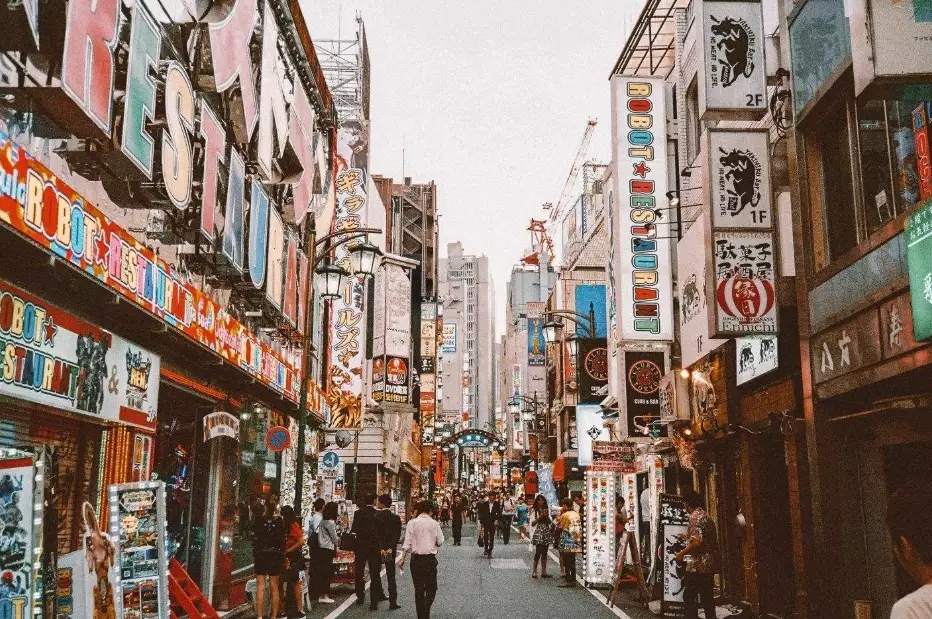
Before You Go: The Tokyo Essentials
Jumping straight into the day-by-day plan is tempting, but a little prep makes everything smoother. Tokyo runs on its own efficient, polite logic. Knowing a few basics is like having a secret key.
Getting Connected: Pocket Wi-Fi vs. SIM Card
You will get lost. Your maps app will be your lifeline. Relying on public Wi-Fi is a recipe for frustration – it's spotty and often requires registration.
Renting a pocket Wi-Fi device or buying a tourist SIM card at the airport is non-negotiable. I prefer the pocket Wi-Fi because you can connect multiple devices and the battery usually lasts all day. Companies like Ninja WiFi or Japan Wireless let you reserve online and pick up at Narita or Haneda airport counters. It's seamless.
The Almighty IC Card: Suica or Pasmo
Forget single tickets. Get a rechargeable IC card (Suica or Pasmo) immediately. You tap it for nearly all trains, subways, and buses in Tokyo. You can even use it at convenience stores, vending machines, and some restaurants. It's the single most useful item you'll have. Buy and charge one at any major station.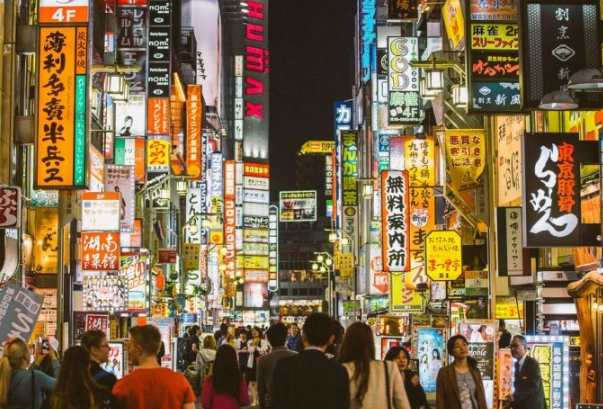
Money Matters: Cash is Still King (Mostly)
While credit cards are accepted in department stores, hotels, and many restaurants, a huge number of smaller eateries, temples, market stalls, and even some museums are cash-only. Don't be caught short. Withdraw yen from 7-Eleven or Lawson ATMs – they have the best international rates and English menus.
So, what's a realistic budget for a week in Tokyo? It swings wildly, but here's a rough breakdown per person:
| Budget Style | Accommodation (per night) | Food & Drinks (per day) | Activities & Transport (per day) | Estimated Weekly Total* |
|---|---|---|---|---|
| Budget Traveler | $40 - $70 (Hostel/Capsule) | $25 - $40 | $15 - $25 | $560 - $945 |
| Mid-Range Traveler | $100 - $200 (Business Hotel/Airbnb) | $50 - $80 | $25 - $40 | $1,225 - $2,240 |
| Comfort Traveler | $250+ (3-4 Star Hotel) | $100+ | $50+ | $2,800+ |
*Totals exclude international flights. These are estimates – you can definitely spend more or less.
The 7-Day Tokyo Itinerary: A Day-by-Day Deep Dive
Alright, let's get into the main event. This is my suggested blueprint for how to spend 7 days in Tokyo. Feel free to swap days based on weather or your energy levels. Some days are packed, others have more breathing room.
Day 1: Arrival & Shinjuku After Dark
You've landed, navigated immigration, picked up your Wi-Fi, and made it to your hotel. You're probably tired and jet-lagged. Don't overplan today.
Afternoon/Evening: Head to Shinjuku. This isn't a deep exploration day. It's about sensory overload in the best way. Go to the Tokyo Metropolitan Government Building. It's free, and the observation decks offer a stunning, no-cost panoramic view of the endless city. It helps you grasp Tokyo's scale.
As dusk falls, dive into the neon maze of Kabukicho (just be aware of your surroundings and politely ignore touts). Then, find your way to Omoide Yokocho ("Memory Lane") or the newer Golden Gai. These are warrens of tiny, lantern-lit bars, each seating maybe 6-8 people. It's intimidating but incredible. Pick a bar that looks friendly (some are for regulars, but many welcome tourists). Order a yakitori stick and a beer. You've officially arrived.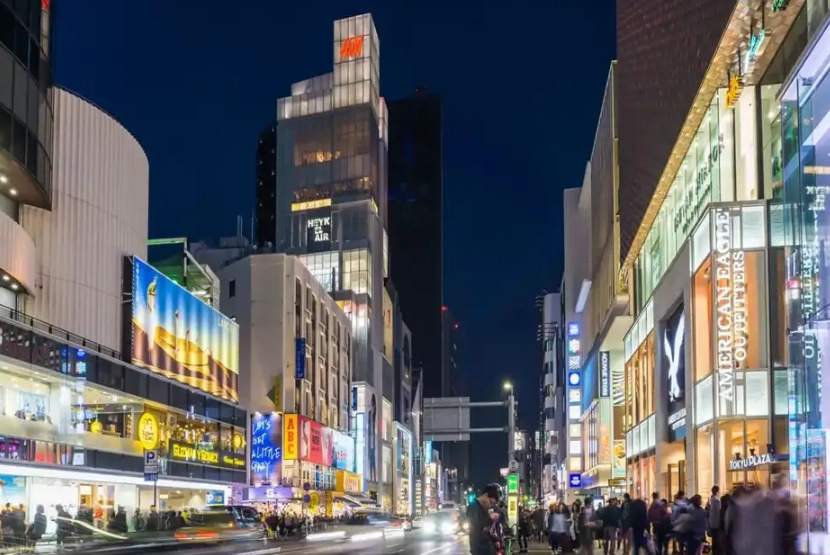
Day 2: The Classic East – Asakusa & Ueno
Today is about old Tokyo. Start early at Senso-ji Temple in Asakusa. I mean it – get there by 8:30 AM if you can. By 10 AM, the Nakamise shopping street leading to the temple is a human river. Seeing it relatively quiet is a different experience. Feel the incense smoke, get your fortune (omikuji), and soak in the atmosphere.
From Asakusa, take a short walk or the Ginza Line to Ueno. Here you have choices. The Ueno Park area is packed with museums. The Tokyo National Museum is the heavyweight for Japanese art and history. The National Museum of Nature and Science is fantastic if you have kids or love dinosaurs. Pick one, don't try to do both.
Evening: Head to Ameya Yokocho (Ameyoko) market street near Ueno Station. It's loud, chaotic, and full of energy. You can find everything from fresh fish to sneakers here. Grab some street food for dinner – try takoyaki (octopus balls) or a giant strawberry skewer.
Day 3: Pop Culture & Scrambles – Harajuku & Shibuya
Today is a contrast day. Start in Harajuku. Walk down the bonkers, sugary Takeshita Street. It's a spectacle of crepe shops, rainbow candy, and wild fashion. It's also packed with teenagers on weekends. Go on a weekday morning if possible. Then, escape the chaos just a few minutes away into Meiji Jingu Shrine, a serene forest dedicated to Emperor Meiji. The contrast is startling and beautiful.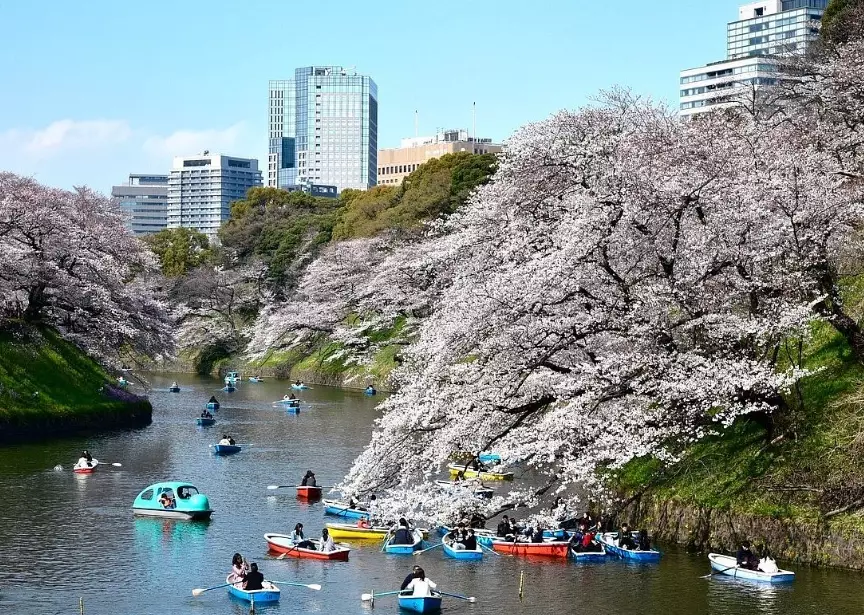
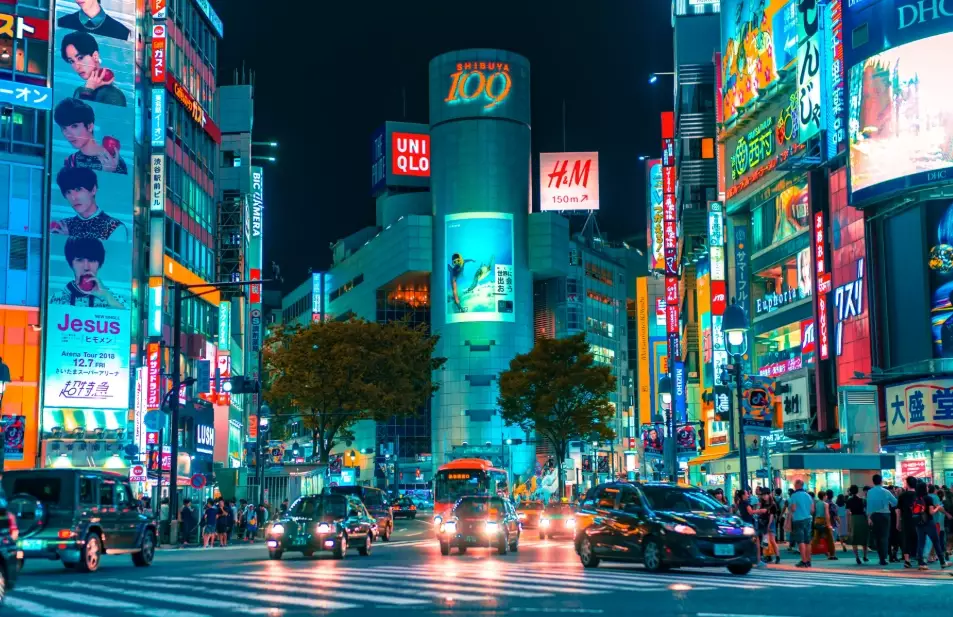
Afternoon: Walk from Harajuku to Shibuya (about 15-20 mins). Do the Shibuya Crossing. It's mandatory. For the best view, get a window seat at the Starbucks in the Tsutaya building (it's always busy) or go to the L'Occitane Cafe on the 2nd floor of the QFRONT building. Less crowded, same view.
Explore Shibuya's department stores like Shibuya Scramble Square or Shibuya 109. In the evening, the area comes alive with izakayas (Japanese pubs) and tiny bars. Nonbei Yokocho ("Drunkard's Alley") is a classic spot for a drink.
Feeling overwhelmed yet? That's Day 3. It's high-energy.
Day 4: Otaku Paradise & City Views – Akihabara & Tokyo Station
Whether you're an anime fan or just curious, Akihabara is a cultural phenomenon. Electronics stores, multi-story arcades (try a rhythm game!), and shops overflowing with manga and figurines. Don't miss a maid cafe if you're intrigued by the subculture – just know it's a very specific, performative experience. Places like @home cafe have English menus.
Afternoon Pivot: Take the JR Chuo Line from Akihabara to Tokyo Station. The station itself is a historic red-brick building (the Marunouchi side). Underneath it is a labyrinth of excellent restaurants and shops called Tokyo Ramen Street and Character Street. It's a great place for lunch.
From here, you're a short walk from the Imperial Palace East Gardens. They're free to enter and offer a peaceful, green respite with views of the old castle moats and walls. You can't enter the main palace grounds most days, but the gardens are lovely.
Day 5: Modernity & Fish Markets – Tsukiji, Ginza & Roppongi
Start very early (like 6 AM) if you want to see the famous tuna auction at the Toyosu Fish Market (the inner wholesale market moved from Tsukiji). You need to apply online in advance on the Tokyo Metropolitan Government's official market website. It's a hassle, and honestly, watching it from the observation deck can feel distant.
My recommendation? Sleep in a bit and head to the Tsukiji Outer Market instead. This is the lively retail and restaurant area that remained. Get there by 9 AM for fresh sushi breakfast at one of the small counters (expect lines). Wander the stalls selling knives, tea, and strange seafood snacks. The energy is fantastic.
Late Morning: Walk from Tsukiji to the glitzy Ginza district. Window shop at flagship stores like Uniqlo (12 floors!) or Itoya, a stunning stationery paradise.
Evening: Head to Roppongi for art and night views. The Mori Art Museum (inside Roppongi Hills Mori Tower) often has excellent contemporary exhibitions. The real prize is the Tokyo City View observation deck on the 52nd floor. It's expensive, but the 360-degree views, especially at sunset, are arguably the best in the city. For a free alternative, the Asahi Beer Hall in Asakusa offers a great view from its 22nd-floor lounge if you buy a drink.
Day 6: Choose Your Own Adventure Day
By now, you've seen the core. Day 6 is for diving deeper based on your interests. Here are three solid options:
Option A: The Day Trip to Kamakura. Take a 60-minute train south to this coastal town full of serene temples and a giant Buddha (the Daibutsu). It's a beautiful change of pace from Tokyo's density. Hase-dera Temple with its views over the ocean is a highlight.
Option B: Anime & Ghibli Pilgrimage. If you didn't get enough in Akihabara, head to Nakano Broadway, a less chaotic otaku mall with incredible vintage figure and collectible shops. For Studio Ghibli fans, a visit to the Ghibli Museum in Mitaka is a dream, but you MUST book tickets online WELL in advance (they go on sale the 10th of the month prior, and sell out fast).
Option C: Relaxed West Tokyo. Explore Shimokitazawa, a trendy neighborhood known for its thrift stores, indie theaters, and cozy cafes. Or visit the Ghibli-themed clock in Shiodome and stroll through Hamarikyu Gardens, a traditional landscape garden with a tea house in the middle of skyscrapers.
Day 7: Last-Minute Souvenirs & Departure
Your final day. Do some last-minute shopping. Don Quijote (Donki) is a chaotic discount chain perfect for quirky souvenirs, snacks, and cosmetics. There's one in almost every major district.
For high-quality food souvenirs (omiyage), department store basements (depachika) are a wonderland. Mitsukoshi, Takashimaya, or Isetan have incredible selections of beautifully packaged sweets, teas, and regional specialties. It's an experience in itself.
If you have a late flight, consider leaving your luggage in a station coin locker or with a luggage forwarding service (like Yamato Transport's Ta-Q-Bin) – they can send it directly to the airport for you, freeing up your last hours.
Answering Your Tokyo Trip Questions
Shinjuku: Best for nightlife and transport hub. Can feel impersonal/busy.
Shibuya: Energetic, great for shopping & youth culture. Noisy.
Tokyo Station/Marunouchi: Central, upscale, quieter at night. Pricier.
Ginza: Luxurious, fantastic food. Expensive and quieter evenings.
Pick based on your budget and the vibe you want outside your door.
Wrapping It Up: Making This Itinerary Yours
The biggest mistake you can make is treating this, or any itinerary, as a rigid checklist. Tokyo rewards curiosity. If you see a tiny alley that looks interesting, go down it. If you're tired of temples, skip one and find a cafe. The plan above gives you a solid skeleton – you get to add the flesh based on what you love.
Remember, the goal of figuring out how to spend 7 days in Tokyo isn't to "finish" the city. That's impossible. The goal is to have a series of unforgettable experiences that make you want to come back. You'll miss things. I still discover new corners every time I go.
So pack comfortable shoes, charge your portable battery, and get ready. Your one week in Tokyo is going to be a blast.
And hey, if you do get lost in Shinjuku Station, just smile. You're not the first, and you won't be the last. It's part of the adventure.

Share Your Thoughts