Forget just visiting temples and eating sushi. If you want to feel Japan's heartbeat, you need to experience a matsuri—a traditional festival. The energy is raw, the history is palpable, and for a few hours, you're not just a tourist, you're part of a living, breathing tradition. I've been chasing these events across the country for over a decade, from the snow-covered lanterns of northern Hokkaido to the fiery drums of southern Kyushu. Most guides just list dates. This one will tell you how to actually experience them, avoid the common pitfalls, and find the moments most visitors miss.
Your Quick Guide to Japanese Matsuri
What Makes Japanese Festivals So Special?
It's not just the spectacle. It's the community. A matsuri is often dedicated to a local Shinto shrine, celebrating the seasons, praying for a good harvest, or warding off evil. You'll see priests in solemn robes, but you'll also see grandpas laughing with kids, teenagers in happi coats carrying mikoshi (portable shrines), and families setting up picnics. The atmosphere flips between sacred reverence and a massive, organized block party.
The biggest mistake first-timers make? Treating it like a performance you watch from the sidelines. The magic happens when you engage. Buy a grilled squid skewer from a yatai (street stall), try scooping goldfish at a game booth, or just cheer along with the locals as a giant float lumbers by. That's the immersion you're after.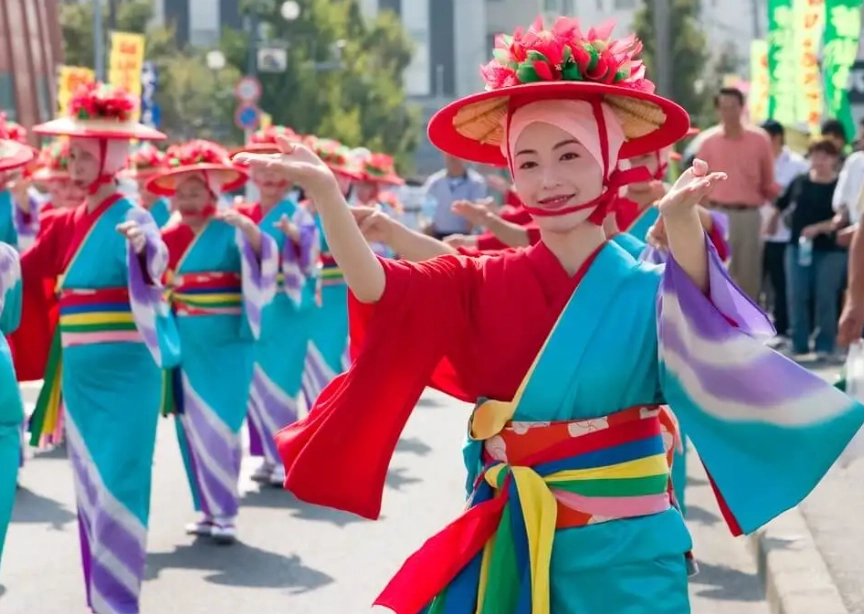
Top Japanese Festivals: A Seasonal Calendar
Picking a festival depends entirely on when you're traveling. Here’s a breakdown of the undisputed heavyweights, with the nitty-gritty details most articles skip.
| Festival Name | Location & Dates | What's the Vibe? | Key Practical Info | Best For |
|---|---|---|---|---|
| Aomori Nebuta Matsuri | Aomori City, Aomori Prefecture. August 2-7. |
Electrifying, powerful, almost militant. Massive illuminated warrior floats are paraded by hundreds of jumping, chanting dancers (Haneto). The energy is contagious and deafening. | Main parade starts at 7 PM along the designated route. Get there by 6 PM for a curb spot. You can rent a Haneto costume (about ¥3,000-¥5,000) and join the dancing—highly recommended. Aomori Airport is the closest major access point. | Adrenaline seekers, photographers, those who want to participate. |
| Kyoto Gion Matsuri | Kyoto City, Kyoto Prefecture. Throughout July, peak on July 17 & 24. |
Elegant, historical, majestic. Think of it as a moving museum. The Yamaboko Junko parades feature towering, ornate floats some weighing over 10 tons. | The July 17 parade starts at 9 AM. Paid seating exists but costs ¥2,000-¥4,000. The free viewing spots along Shijo-Karasuma are packed by 7 AM. From July 14-16, the float exhibition streets (Yoiyama) are open to pedestrians with food stalls. Crowds are immense; use public transport. | History buffs, families, first-time visitors to Japan. |
| Osaka Tenjin Matsuri | Osaka City, Osaka Prefecture. July 24-25. |
Waterborne and fiery. A land procession to the Okawa River, followed by a dazzling boat parade of hundreds of vessels. The day ends with a massive fireworks display launched from the boats. | The river procession and fireworks on the 25th are the main events, starting around 6 PM. Best free views are from the riverbanks around Temmabashi and Sakuranomiya stations. Arrive early with a picnic mat. Boat rental for the parade is possible but must be booked months ahead through local associations. | Romantic evenings, fireworks lovers, experiencing Osaka's lively culture. |
| Takayama Matsuri (Spring & Autumn) | Takayama, Gifu Prefecture. April 14-15 & October 9-10. |
Rustic, artistic, intimate. Held in a beautifully preserved old town, the festival features elaborate yatai (festival floats) that become mobile stages for karakuri (mechanical puppet) performances. | The evening parade (Yomatsuri) on the first day, where floats are lit by lanterns, is uniquely atmospheric. The Takayama Festival Float Exhibition Hall is open year-round to see the floats up close. Takayama is best accessed via train from Nagoya. | Atmosphere chasers, those visiting the Japanese Alps, avoiding mega-crowds. |
That's just four. The Sapporo Snow Festival (Feb) is a winter wonderland of ice sculptures. Kanda Matsuri in Tokyo (mid-May) is one of the city's big three. Hakata Gion Yamakasa in Fukuoka (July) is a brutal, thrilling race of men carrying ton-heavy floats at 5 AM.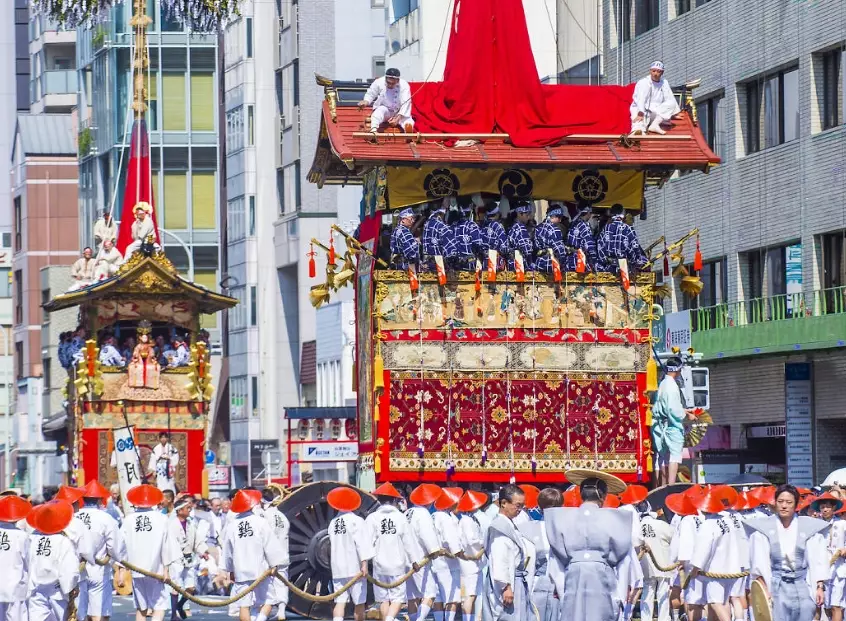
How to Choose the Right Japanese Festival for Your Trip?
Don't just pick the most famous one. Match the festival to your travel style.
For Families with Kids
Look for festivals with lots of interactive elements and manageable crowds. The Chichibu Night Festival (December, Saitama) has spectacular floats and fireworks but is outside Tokyo, so it's slightly less overwhelming than Gion. Local shrine festivals in suburban Tokyo, like the Asakusa Sanja Matsuri (May), have mikoshi that kids are sometimes allowed to help carry for a short stretch—an unforgettable experience.
For the Deep Culture Dive
Seek out the weird and ancient. The Hadaka Matsuri (Naked Festival) in Okayama (February) sees thousands of men in loincloths fighting for sacred sticks. The Onbashira Festival in Nagano (every 6 years, next 2026) involves riding giant logs down a mountain—it's genuinely dangerous and profoundly spiritual. These aren't spectator-friendly, but they're raw cultural artifacts.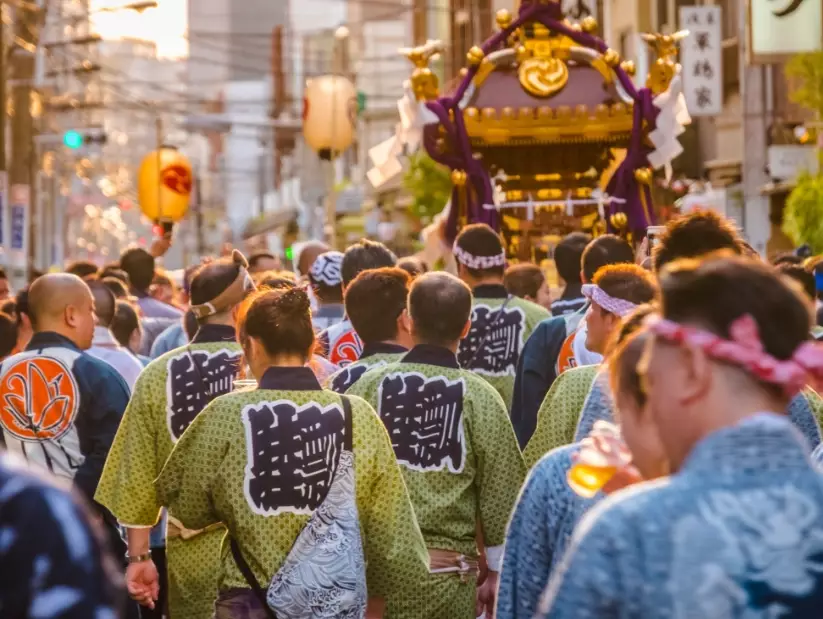
For the Photographer
Prioritize visual drama and unique light. Aomori Nebuta at dusk, with the floats lit up against the dark sky. The lantern-lit boats of Osaka Tenjin. The snow-covered scenery of a Hokkaido winter festival. Research the “golden hour” timing of the main event.
Japanese Festival Etiquette & Insider Tips
Knowing the unspoken rules turns you from a confused outsider into a respectful guest.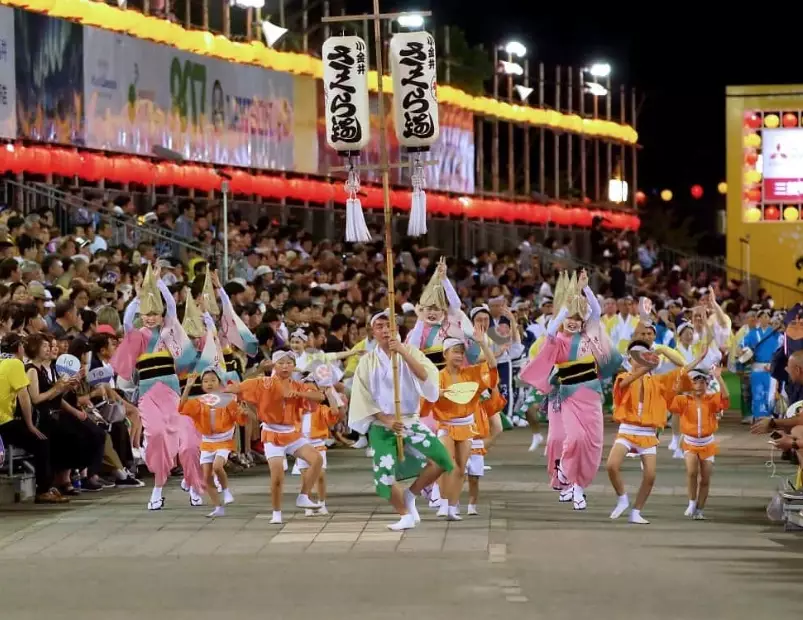
Do: Say "o-matsuri, omedetou gozaimasu" (congratulations on the festival) to locals. It's a simple phrase that always brings a smile. Carry cash in small denominations for food stalls—most are cash-only. Use a small trash bag; public bins vanish, and you're expected to take your rubbish home.
Don't: Never cut through a group preparing a float or mikoshi. It's their sacred space. Don't touch the floats or decorations unless invited. Avoid sticking your camera directly into participants' faces during solemn moments. And while it's okay to drink, public drunkenness and loud, rowdy behavior are frowned upon.
My personal hack? Find the nearest local sentō (public bath) after the festival. There's nothing better than soaking in a hot bath with a bunch of tired, happy locals after a long day of walking and shouting. It's the perfect, authentic epilogue.
Beyond the Big Names: Finding Local Gems
The festivals that stuck with me weren't always the biggest. They were the unexpected ones.
Once, in a small coastal town in Ishikawa, I stumbled upon a Shōryō Matsuri (Spirit Boat Festival) in late summer. Tiny boats laden with offerings and lanterns were sent out to sea to guide ancestral spirits back. There were no tourists, just a quiet line of families watching in silence as the flickering lights drifted into the dark Pacific. It was hauntingly beautiful.
How do you find these? Ask your ryokan owner or a local izakaya master. Check the town's official website or the regional tourism association page. Look for posters in community centers or train stations. The Japan National Tourism Organization (JNTO) website has a good festival database, but it skews toward major events. For the real hidden gems, you have to dig locally.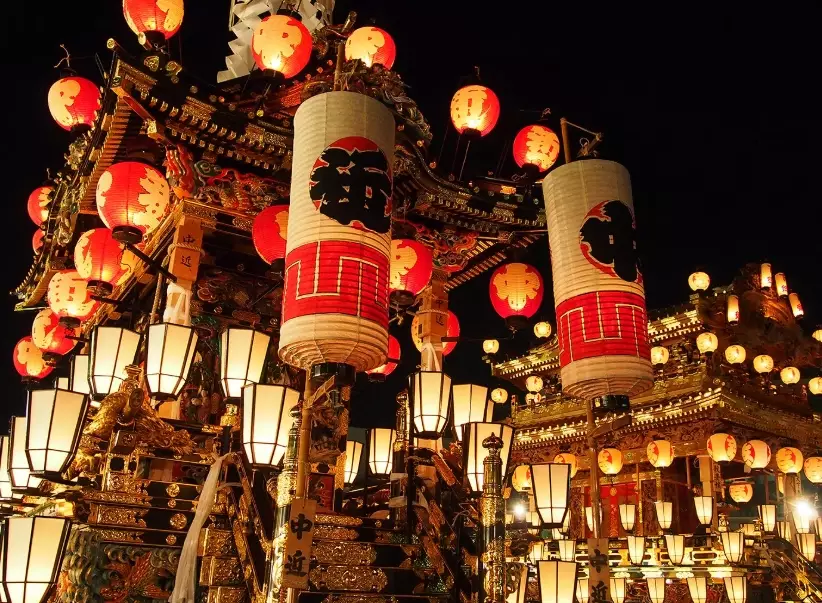

Share Your Thoughts