Let's be honest. When you first hear "luxury ryokan experiences," what pops into your head? Probably images of steaming outdoor baths with mountain views, impossibly intricate multi-course dinners, and rooms with tatami mats. And you're not wrong. But after spending weeks hopping between these places from Hakone to Kyoto, I realized there's a massive gap between what we tourists expect and what these places are actually about. It's not just a fancy hotel with a Japanese theme. It's a completely different philosophy of hospitality, one that can feel utterly magical or slightly bewildering if you're not prepared.
Quick Guide
- So, What Exactly *Is* a Luxury Ryokan? It's Not What You Think
- How to Pick *Your* Perfect Luxury Ryokan Experience (And Avoid Disappointment)
- The Heart of the Experience: Rituals, Rules, and Unforgettable Moments
- The Not-So-Glamorous Bits: What Nobody Tells You
- Top Destinations for a Truly Immersive Luxury Ryokan Experience
- Your Burning Questions, Answered
- Final Thoughts: Embracing the Slow
I remember my first time. I booked a highly-rated place near Mount Fuji, drawn by the photos of the open-air onsen. I showed up expecting a concierge and a check-in desk. Instead, I was greeted at the gate by a woman in a kimono who bowed deeply, took my shoes the moment I stepped inside, and whisked them away. She then guided me to my room, where tea was already waiting. I didn't touch a suitcase, I didn't sign a form. I was just... received. That's the first clue you're not in a standard hotel anymore. This guide is my attempt to save you the guesswork and help you navigate the world of high-end ryokans, so you can find the perfect one for you—whether you're after deep cultural immersion or just a profoundly relaxing soak.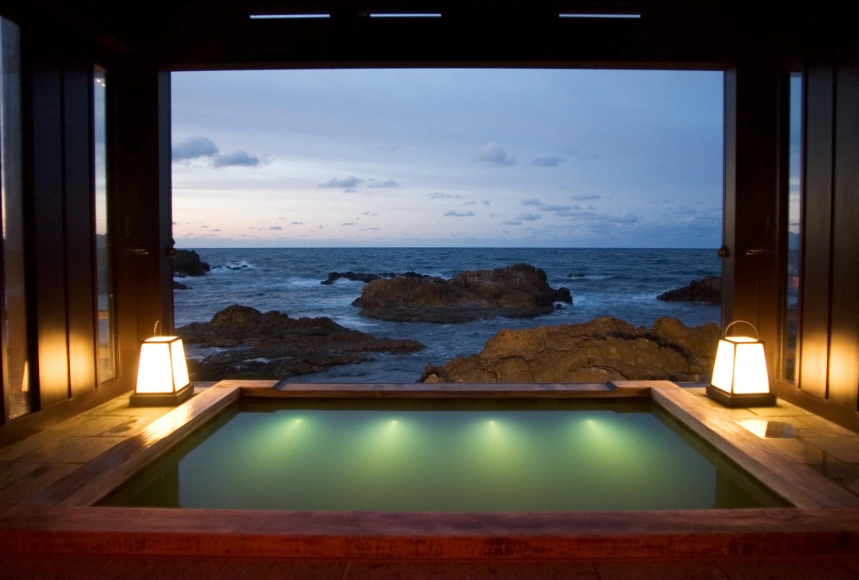
So, What Exactly *Is* a Luxury Ryokan? It's Not What You Think
This is the most important place to start. A ryokan is a traditional Japanese inn. A *luxury* ryokan is that concept refined to an art form. The core principle is omotenashi, which translates roughly to wholehearted, anticipatory hospitality. It's service that notices what you need before you do. The goal isn't just comfort; it's a sense of peace, harmony (wa), and a temporary immersion into a slower, more intentional way of life.
But here's where it gets interesting. Not all luxury ryokans are created equal. They generally fall into a few camps, and knowing which camp you're booking into is half the battle.
The Modern Luxury Ryokan
These places take the core tenets—onsen, kaiseki, tatami—and wrap them in contemporary design. Think floor-to-ceiling windows overlooking a forest, minimalist furniture mixed with a single, stunning traditional art piece, and Western-style beds on a tatami platform. The rules are often a bit more relaxed. You might not need to change into a yukata the moment you arrive (though it's still encouraged), and the staff might speak more English. The vibe is "traditional essence, modern execution." Perfect for those who want the cultural touchpoints without feeling like they're in a museum.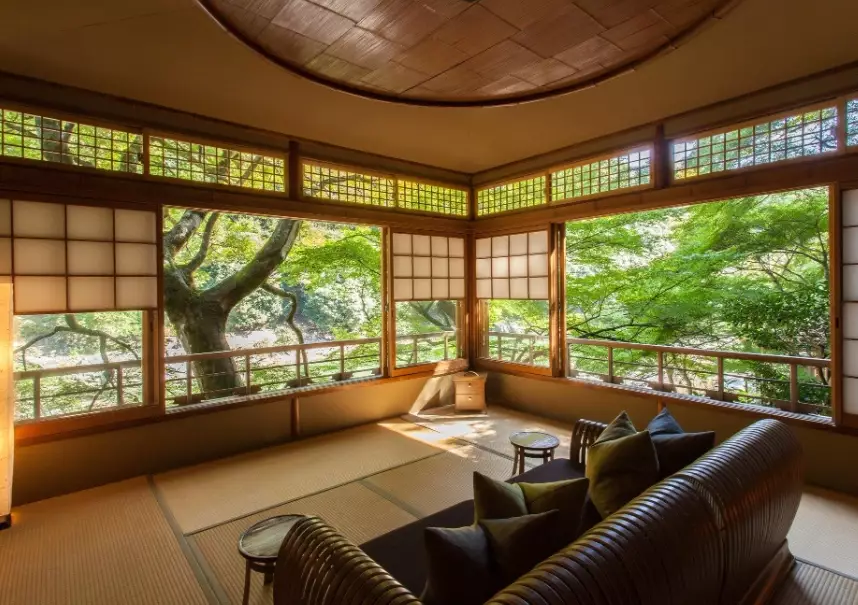
The Traditional "Honkan" or Main House Style
This is the classic experience. Often housed in wooden buildings that could be decades or even centuries old (some are designated cultural properties). The rooms are pure tatami, you sleep on futons laid out by staff, and the architecture features sliding paper doors (shoji), wooden engawa verandas, and maybe even a small private garden. The atmosphere is deeply serene and historical. The potential downside? The rooms can sometimes feel dark to Western eyes, and the bathrooms are almost always shared (though impeccably clean). The luxury here is in the authenticity and the weight of history.
Then there's the location-based split. You've got your onsen ryokans, where the natural hot spring is the undisputed star. The quality, variety, and setting of the baths are paramount. Then you have your urban luxury ryokans in places like Kyoto or Kanazawa, where the focus shifts more towards refined cuisine, access to cultural sites, and creating an oasis of calm within the city.
So, before you even look at a single photo, ask yourself: Am I chasing the ultimate bath, or the ultimate meal? Do I want to feel connected to history, or do I want a sleek, Instagrammable retreat? Your answer will immediately narrow the field.
How to Pick *Your* Perfect Luxury Ryokan Experience (And Avoid Disappointment)
With hundreds of options, choosing can be paralyzing. Price is a factor, sure, but a $800-per-night place isn't automatically better than a $400 one if it's the wrong *type* for you. Here’s a breakdown of the real decision points, the stuff that doesn't always make it to the glossy brochure.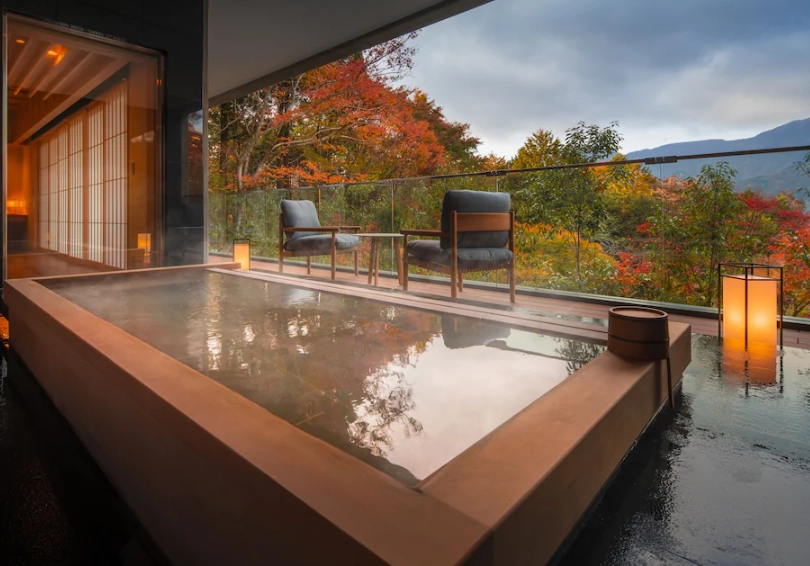
| Feature | What to Look For & Questions to Ask | Why It Matters |
|---|---|---|
| The Onsen (Hot Spring) | Is it a genuine, natural spring (tennen onseng)? What are its purported therapeutic properties (e.g., sodium chloride for warmth, sulfur for skin)? Are baths gender-segregated, private, or mixed (konyoku)? What are the bathing hours? Is there a kashikiri (family/private) bath you can book? | The core of the experience for many. Natural springs feel different. Knowing the bath type avoids awkward surprises. Private booking options are gold for couples or shy bathers. |
| The Kaiseki Meal | Is it included? Served in-room or in a dining hall? Can they accommodate dietary restrictions (this is CRUCIAL—email ahead!)? Does the chef use local, seasonal ingredients? Is there an option for a lesser meal or no meal? | Kaiseki is a major cost driver and highlight. In-room dining is more intimate. Many ryokans struggle with vegan/gluten-free, so advance notice is non-negotiable. |
| The Room & Ambiance | Tatami with futon, or Western bed? Private toilet? Private open-air bath attached? View of garden, river, or nothing? Does the building have historic charm or modern luxury? | Futons are part of the charm but hard for some. A room with a private rotenburo (open-air bath) is a sublime upgrade. The view defines your morning. |
| Location & Access | Remote mountain retreat vs. walkable to town? Does the ryokan offer pick-up from the nearest station? Is there anything to do outside the ryokan? | Remote = total escape but you're stuck there. Town-adjacent lets you explore. Station pick-up is a hallmark of good service for remote locations. |
| Service & Vibe | Formal and silent, or warm and engaging? Is English support available? What's the policy on children? | Some prefer the quiet, almost invisible service. Others find it cold. Knowing the atmosphere sets expectations. Many luxury ryokans are adult-oriented. |
Let's talk about reviews. Don't just look at the score. Read the negative ones. Are people complaining about the food being too "weird"? That might mean it's authentically Japanese, which could be a plus for you. Complaints about firm futons? That's standard. But complaints about dirty baths or unresponsive staff? Major red flags. I also cross-reference with the ryokan's own website and sometimes even the Japan National Tourism Organization's listings for a sanity check.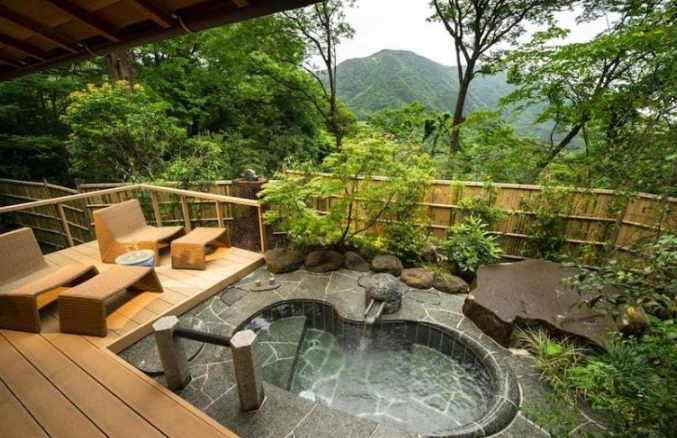
The Heart of the Experience: Rituals, Rules, and Unforgettable Moments
Okay, you've booked. Now what? A stay at a top-tier ryokan follows a gentle rhythm. It feels scripted, but in a comforting, ceremonial way.
The Arrival & First Impressions: You'll be welcomed, shoes off at the entrance (genkan). You're often offered a small sweet and tea while you complete check-in seated in a lobby chair. Your shoes will disappear, and you'll be given slippers. You'll then be shown to your room, where your attendant (nakai-san if you have one) will explain the room and the schedule.
The Yukata Life: In your room, you'll find a yukata (cotton robe), a tanzen (heavier overcoat for cooler weather), and a belt. Put it on. Seriously. Left side over right (the opposite is for the deceased). This is your uniform for the stay—you wear it to dinner, to the baths, to lounge. It signals you've switched off from the outside world. I fought this at first, feeling silly, but once I gave in, it was incredibly liberating.
The Kaiseki Dinner: This is a two-hour culinary journey. Your meal will be served in multiple small courses, each a work of art highlighting the season. It's not just food; it's a story on a plate. Names like Wagyu beef, sashimi, tempura, chawanmushi (savory egg custard) will appear. Don't be afraid to ask your server what something is—they often have simple English guides. And pace yourself! The courses keep coming.
The Onsen Ritual: This is where many get nervous. The key is cleanliness. Before entering the shared bath, you must wash thoroughly at the shower stations. Soap, shampoo, conditioner, and little stools are provided. Scrub every inch, rinse off ALL suds. Only when you are completely clean do you enter the hot bath to soak, not wash. Be quiet, be contemplative. It's a meditative practice. The first time you sit in a steaming outdoor rock pool as snow falls silently around you... you'll get it. The Japan Spa Association has excellent guides on onsen etiquette that are worth a quick scan.
The Futon: After dinner, while you're out enjoying the evening bath or a stroll, your nakai-san will magically transform your living space. The low table is moved aside, and plush futons are laid out on the tatami. It's surprisingly comfortable. The smell of the tatami, the quiet... it leads to some of the best sleep you'll ever have.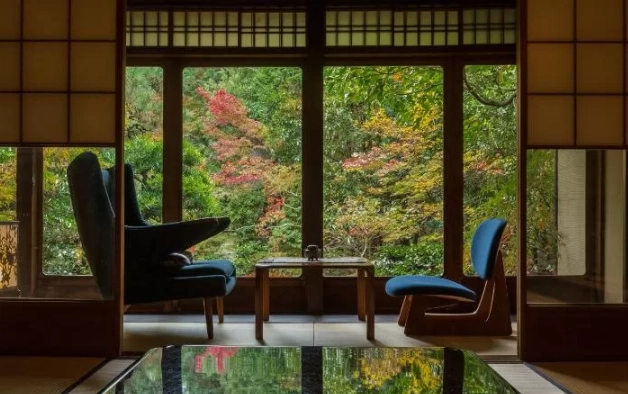
The Not-So-Glamorous Bits: What Nobody Tells You
Let's keep it real. For all the magic, there are quirks that can trip you up.
The Cost: It's eye-watering. A luxury ryokan experience is often a splurge, with dinner and breakfast included. You're paying for the labor-intensive service, the exquisite food, and the facilities. There are almost no hidden costs, but sometimes premium drinks at dinner or a private bath reservation carry an extra fee.
The Schedule: Dinner is usually served at a fixed, early time (like 6 or 7 PM). If you're a night owl used to eating at 9, this is an adjustment. The whole pace is slower. This isn't a place to rush.
The Language Barrier: At very traditional or remote ryokans, English can be minimal. Staff will be incredibly polite and try hard, but complex conversations might not happen. I learned a few key phrases: Arigatou gozaimasu (thank you), Sumimasen (excuse me), Oishikatta (it was delicious). It goes a long way.
The Food: Kaiseki is adventurous. You might get a whole small fish staring at you, or unfamiliar sea vegetables. If you're a very picky eater, this part of the luxury ryokan experience might cause stress, not joy. Communicate allergies seriously, but be open-minded about textures and tastes.
And one more thing—tipping is not just unnecessary; it can be awkward. The service is included in the price. A sincere thank you is the best gratuity.
Top Destinations for a Truly Immersive Luxury Ryokan Experience
Location dictates the character of your stay. Here’s a quick rundown of the classic regions and what they offer.
- Hakone (Near Tokyo): The classic first-timer choice. Amazing views of Mount Fuji (on clear days!), a huge variety of ryokans at different price points, and easy access from the city. The area is touristy, but the ryokans themselves are sanctuaries. Perfect for a 1-2 night getaway.
- Kyoto: Here, the luxury ryokan experience is about culture and cuisine. You're staying in the heart of ancient Japan, often in historic buildings in the Higashiyama or Arashiyama districts. The focus is on garden views, impeccable service, and kaiseki that is a work of art. Less emphasis on grand onsens, more on aesthetics and location.
- Kinosaki Onsen: A whole town dedicated to the onsen experience. You stay in a ryokan but get a pass to visit seven public bathhouses around the charming canal-lined town, strolling in your yukata and geta (wooden clogs). It's social, festive, and uniquely Japanese.
- The Japanese Alps (e.g., Shirakawa-go, Takayama): For a rustic, mountain retreat. Think thatched-roof farmhouses (gassho-zukuri), hearty local food, and onsens with alpine views. The luxury is in the rugged, authentic setting and the warmth of the hearth.
- Izu Peninsula: A favorite for Tokyoites. Coastal scenery, dramatic cliffside onsens overlooking the Pacific, and a slightly more relaxed, resort-like feel. Great for longer stays.
How do you find the gems? Beyond mainstream travel sites, look at curated collections. The Official JNTO Ryokan Guide is a trustworthy resource. Also, the Michelin Guide has started highlighting exceptional ryokans, not just restaurants, which is a great seal of approval for the culinary side of things.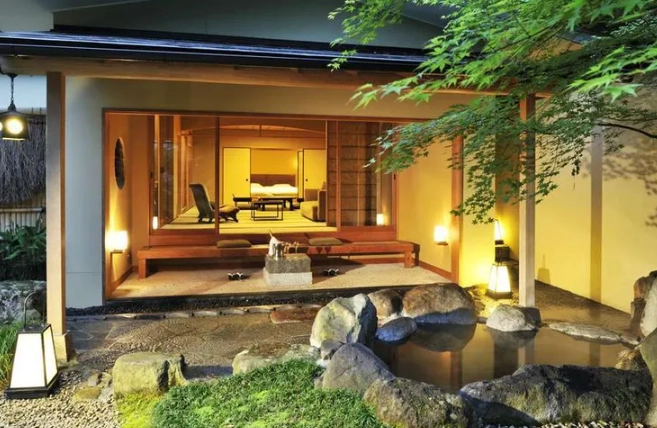
Your Burning Questions, Answered
Final Thoughts: Embracing the Slow
Chasing the perfect luxury ryokan experience can feel like a checklist at first: get the bath, eat the food, take the photo. But the real magic happens when you stop chasing and start receiving. It's in the silence of the predawn bath, the careful arrangement of a single flower in your room, the taste of a vegetable you can't name but will never forget.
It won't be for everyone. If you need constant stimulation, rigid control over your schedule, or familiar food, a high-end Western hotel might be a better fit. And that's okay.
But if you're willing to step into a different rhythm, to be cared for in a way that feels almost ceremonial, and to connect with a very old idea of hospitality, then a luxury ryokan isn't just an accommodation. It's the highlight of your trip to Japan. It's not about being pampered in a generic way; it's about being received into a tradition. And that, I found, is something no standard hotel can ever replicate.
Do your research, manage your expectations, and then surrender to the flow. Let the nakai-san guide you, let the kaiseki surprise you, let the onsen melt your travel stress away. That's the secret. It's not just a place to sleep. It's a place to remember how to be.

Share Your Thoughts