So you've booked your trip to Japan. You're dreaming of soaking in steaming, mineral-rich waters with a view of mountains or a traditional garden. Then it hits you—wait, what about my tattoos?
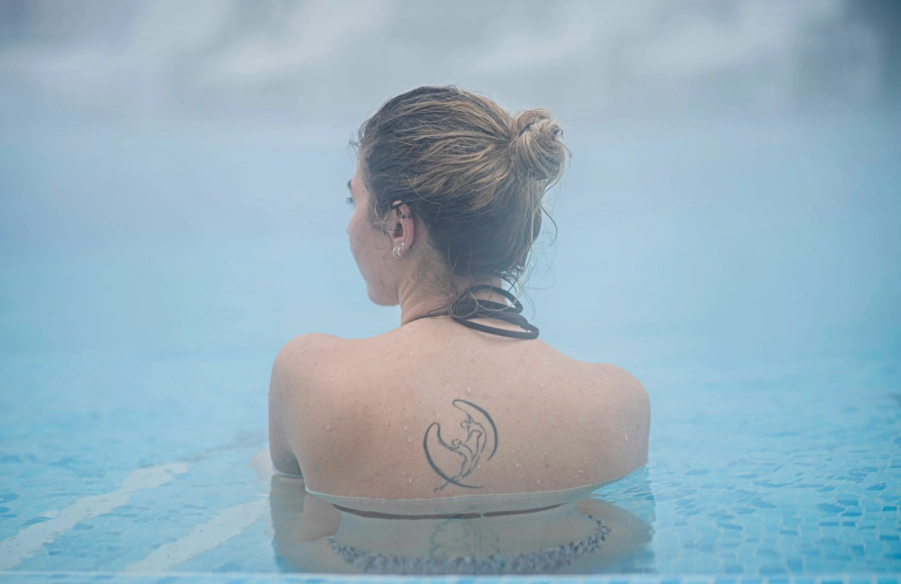
It's the single biggest question for inked travelers planning a visit to a Japanese hot spring, or onsen. The short, frustrating answer is: it's complicated. A blanket "no tattoos" rule doesn't exist across all of Japan, but the restriction is common enough to ruin your plans if you don't do your homework.
I learned this the hard way years ago, showing up to a beautiful rural onsen only to be politely but firmly turned away at the door. The staff pointed to a small sign with a crossed-out tattoo icon. My disappointment was a lesson in cultural research. Since then, I've navigated this landscape dozens of times, finding incredible soaking experiences that welcome everyone.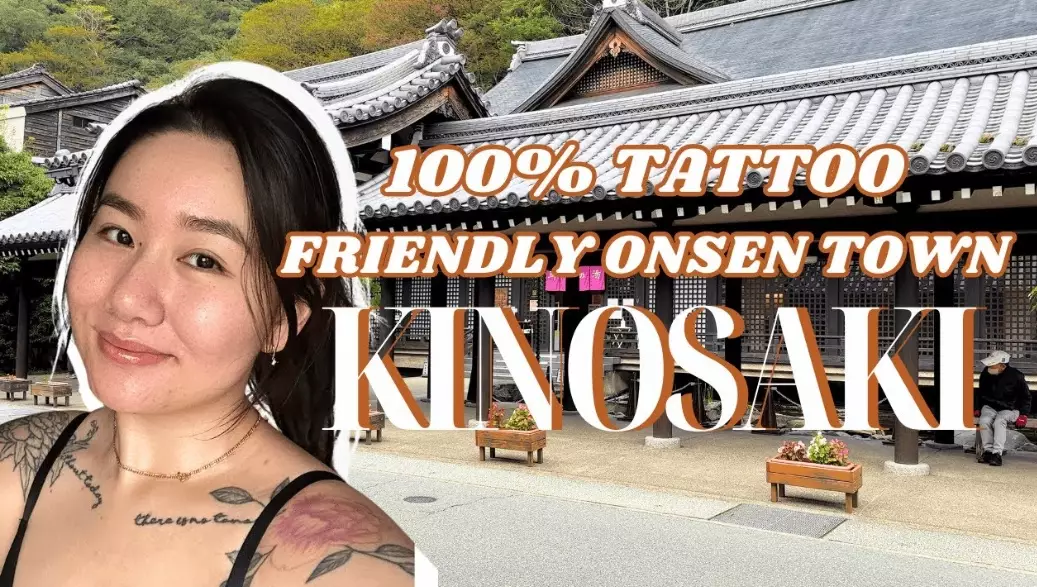
This guide cuts through the confusion. We'll look at why the rule exists, how to find places that will welcome you, and what to do if your first choice says no.
Your Onsen Navigation Map
Why the "No Tattoo" Rule Exists (It's Not About You)
First, let's get one thing straight. The rule is almost never a personal judgment on your body art or a dislike of foreigners. It stems from a deep, decades-old association in Japan between tattoos and the yakuza, the Japanese organized crime syndicates.
For much of the 20th century, elaborate full-body tattoos (irezumi) were a badge of honor and commitment for yakuza members. While tattoos have a much longer and richer artistic history in Japan, this criminal association overshadowed it in the public mind, especially in conservative, communal spaces.
Onsens are deeply social places for locals. They're for relaxing, not causing a stir. The management's primary concern is maintaining a peaceful atmosphere where all patrons feel comfortable. For many older Japanese, the sight of tattoos—regardless of whether they're a yakuza's dragon or a tourist's Celtic band—can cause unease. The rule is about preserving social harmony (wa), a core Japanese value.
Key Insight: The rule is softening, but unevenly. In major tourist hubs and modern facilities, attitudes are changing rapidly. In rural, traditional, or family-run onsens, the old stigma holds much stronger. Always check; never assume a place is okay with tattoos just because it's 2024.
How to Find Tattoo-Friendly Onsens
You have options. Finding them requires a bit of strategy, but it's entirely possible.
1. Look for the Right Kind of Facility
Not all bathing establishments are created equal. Your odds improve dramatically depending on where you look.
- Super Sento (Super Public Baths): These are large, modern complexes, often in cities. They're more like aquatic leisure centers and are your best bet in places like Tokyo or Osaka. They cater to a broad crowd and are more likely to post clear policies. Examples include many branches of Spa LaQua (Tokyo) or Naniwa no Yu (Osaka).
- Hotel or Ryokan (Inn) Baths: If you're staying at a hotel with its own onsen, ask directly. Higher-end hotels catering to international guests are often more permissive. Some ryokans allow tattoos during certain hours or if covered.
- "Tattoo OK" Onsens: A growing number actively advertise as tattoo-friendly. They might display an "All Tattoos Welcome" sticker (in English and Japanese) or have clear information on their website.
2. Use the Right Search Tools
Google searches in English will only get you so far. You need to dive into Japanese sources.
- Japanese Keywords: Search for "タトゥー OK 温泉" (tattoo OK onsen) or "刺青 可 温泉" (irezumi ka onsen).
- Travel Sites: Japanese booking and review sites like Jalan or Rakuten Travel sometimes have filters or mention policies in reviews. Look for phrases like "タトゥー不可" (tattoos not allowed) or "タトゥー相談" (consult about tattoos).
- Specialized Blogs: Several travel blogs run by long-term foreign residents maintain updated lists of tattoo-friendly onsens in different regions. These are goldmines of firsthand information.
3. Call Ahead (Seriously)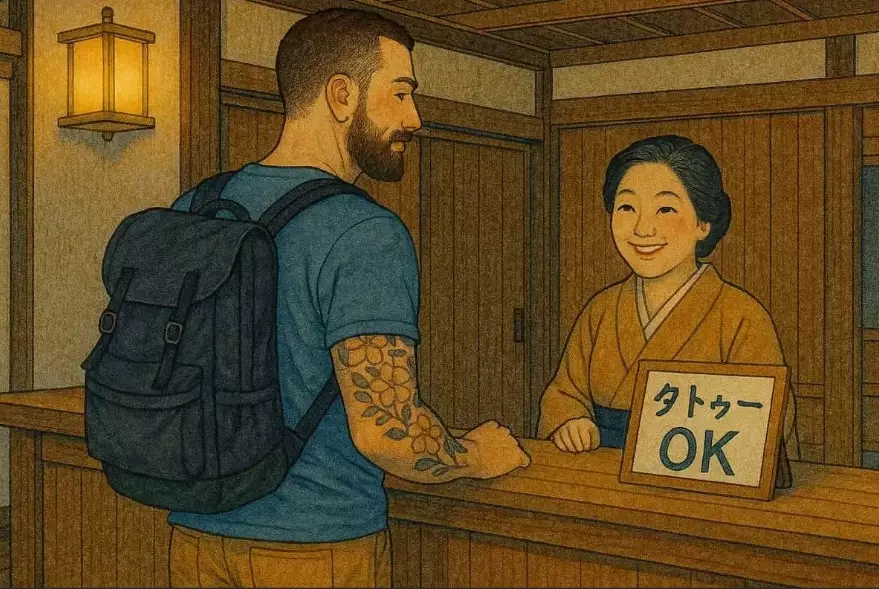
This is the most reliable method, especially for a specific onsen you have your heart set on. If you don't speak Japanese, ask your hotel concierge to call for you. Be specific: ask about the size and location of your tattoos. A small ankle tattoo might be treated differently than a full sleeve.
A Common Mistake: Don't just rely on a blog post from two years ago saying an onsen is friendly. Policies change with management or customer complaints. A quick phone call or checking the official website for the latest rules saves a wasted trip.
What If They Say No? Your Backup Plans
Your dream onsen has a strict policy. Don't despair. You have several perfectly good alternatives.
| Option | How It Works | Best For | Considerations |
|---|---|---|---|
| Private Onsen Rental (Kashikiri-buro) | Rent a bath for just you/your group by the hour. Available at most ryokans and many day-trip onsen. | Couples, families, anyone wanting guaranteed privacy. | More expensive (¥1,500-¥5,000/hour). Often need to book in advance. |
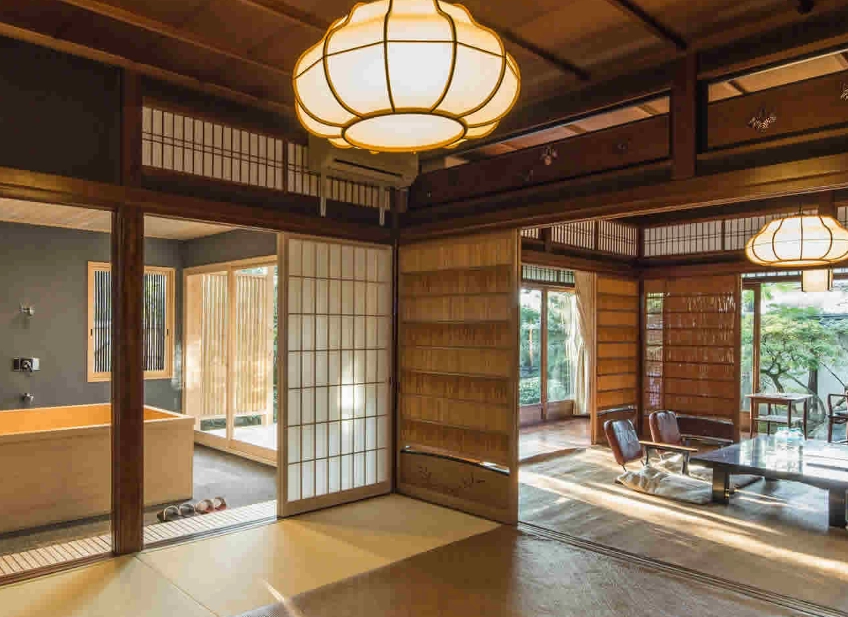
| Room with Private Bath | Book a ryokan room that has its own attached open-air bath (rotenburo). | A splurge-worthy, luxurious experience. | Significant added cost to room rate. The ultimate in privacy. |
| Tattoo-Friendly Cities/Regions | Some areas are famously more relaxed. Beppu (Oita) and Kinosaki (Hyogo) are known for being welcoming. | Planning your itinerary around onsen culture. | Still check individual establishments, but your odds are much higher. |
| Cover-Up Patches | Specialized, waterproof adhesive patches designed to cover tattoos. | Small to medium tattoos at lenient facilities. | Never a guarantee. Call and ask if covered tattoos are acceptable. Band-aids usually aren't. |
The private rental is your ace in the hole. It's not a workaround; it's a standard service. You get the full onsen experience without worrying about anyone else.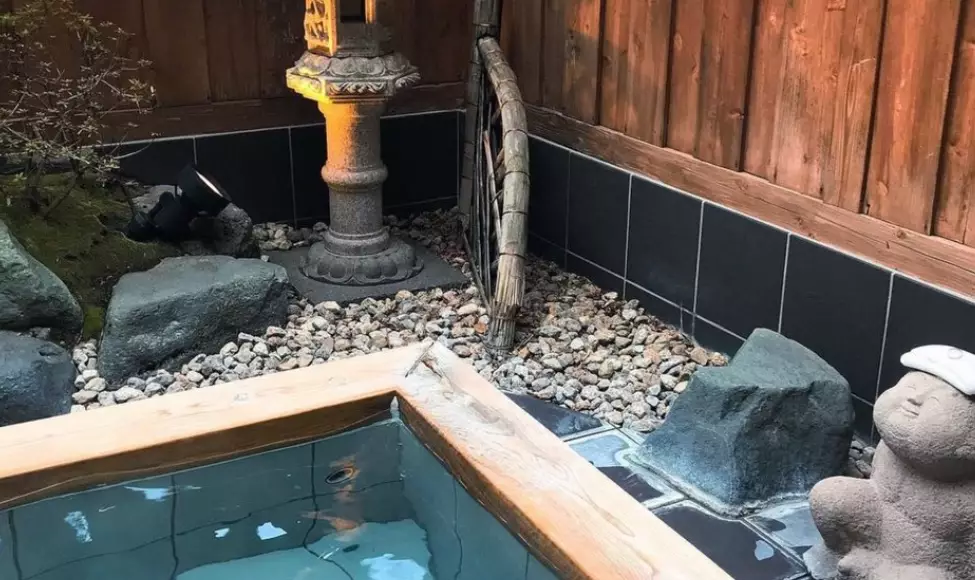
Onsen Etiquette Basics for First-Timers
Once you've cleared the tattoo hurdle, don't stumble on the basic rules. Etiquette is taken seriously, and following it shows respect.
- Wash First, Soak After: This is non-negotiable. Before entering any communal bath, you must sit on a small stool, use the shower hose, and thoroughly wash and rinse every part of your body. Soap and shampoo must not get in the bath water.
- No Clothes, No Swimsuits: You bathe naked. Everyone does. It's normal. Bring a small towel to use for modesty while walking; you can place it on your head or the side of the bath while soaking. Never let it touch the water.
- Quiet and Calm: Onsens are for relaxation. Keep conversations low. No splashing, swimming, or loud noises.
- Dry Off: Before walking back to the changing room, wipe off excess water with your towel at the edge of the bathing area to keep the floors dry.
Get these right, and you'll blend right in, tattoo or no tattoo.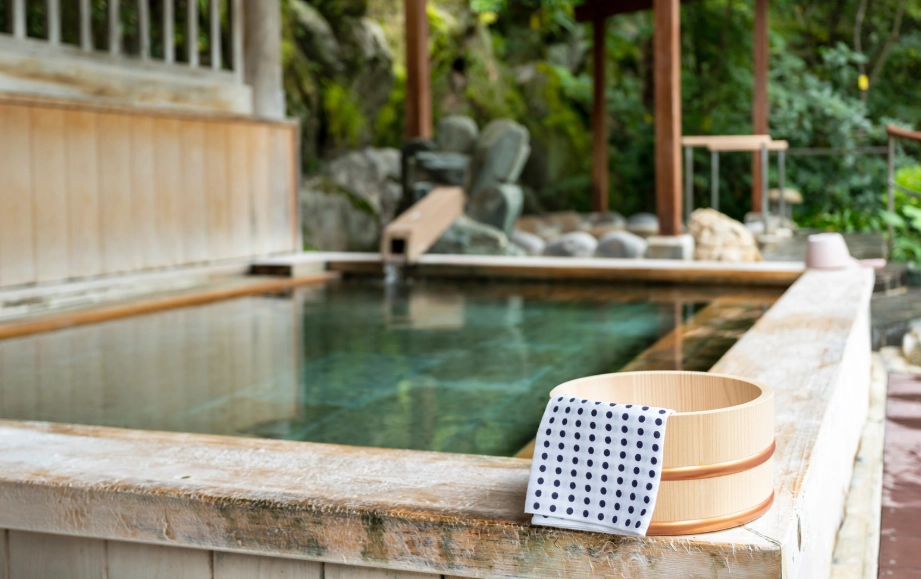
Your Questions, Answered
 The bottom line? Japan's onsen tattoo rules require a bit of extra planning, but they shouldn't stop you from experiencing one of the country's greatest cultural treasures. Do your research, have a backup plan, and soak happily.

Share Your Thoughts