Explore This Guide
- The Story in the Stones: Why the Atomic Bomb Dome Still Stands
- Walking Through History: The Hiroshima Peace Memorial Museum
- Planning Your Visit: The Nitty-Gritty Details
- The Tough Questions: Controversy, Legacy, and What It Means Today
- Your Questions, Answered (The Practical FAQ)
- Final Thoughts: Why This Place Stays With You
Let's be honest. The first time you see a picture of the Hiroshima Peace Memorial – that skeletal, domed building – it hits you. It's not like seeing a castle or a temple. It's different. It feels heavy, even through a screen. I remember standing in front of the real thing, the Atomic Bomb Dome, on a perfectly clear, quiet morning. The Aioi Bridge right there, the Ota River flowing calmly. And this ruined structure just sitting in the middle of it all. It’s surreal. You know the history, but being there? That’s something else entirely.
This place isn't just a tourist stop. It's the heart of a city's memory, a global symbol, and honestly, a pretty challenging experience. A lot of guides just list the facts (which we'll get to, don't worry), but they miss the feeling of it. They don't tell you what it's actually like to walk through the Peace Park, or how to make sense of the museum, or why this specific ruin was saved when everything else was rebuilt. That's what we're going to do here. We're going to talk about the Hiroshima Peace Memorial complex – the Dome, the Museum, the Park – in a way that actually prepares you for a visit, or helps you understand its significance if you're just reading from afar.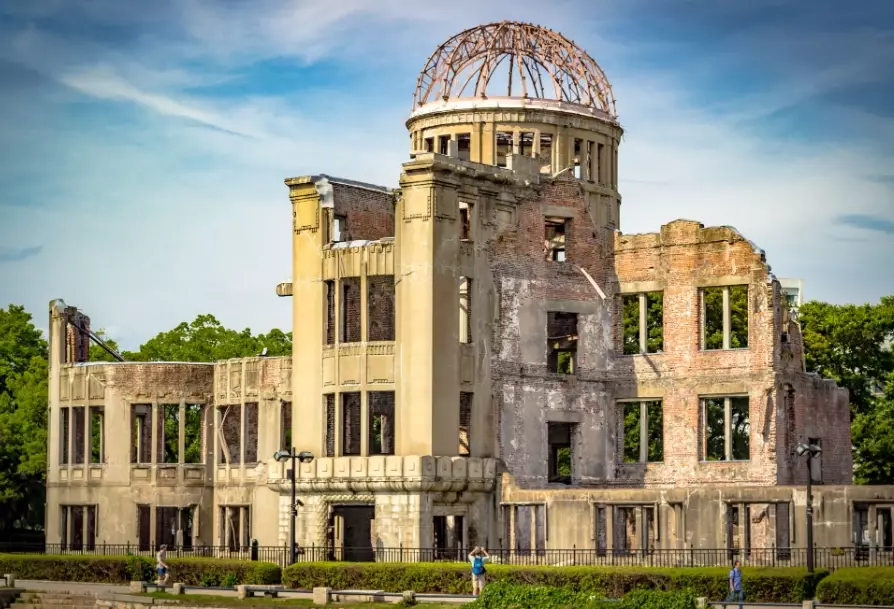
The Story in the Stones: Why the Atomic Bomb Dome Still Stands
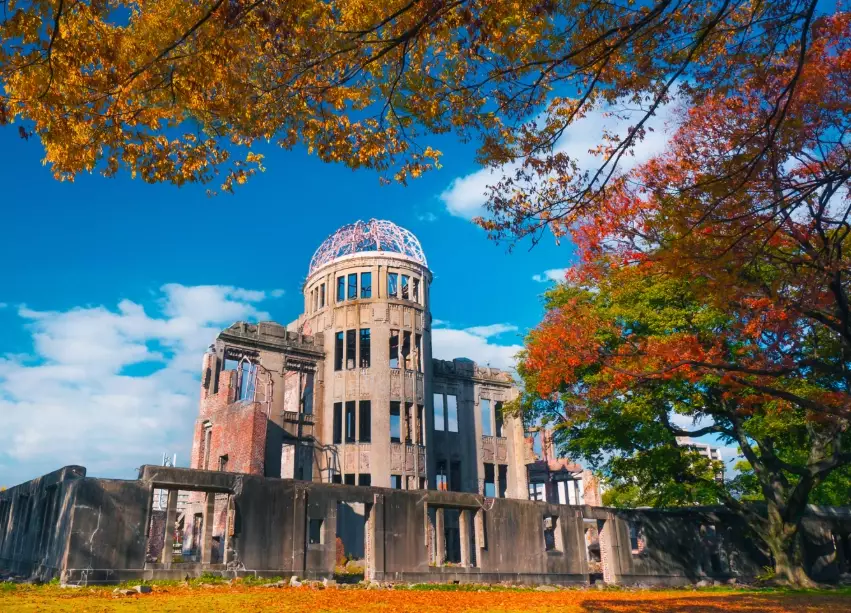
Okay, let's start with the centerpiece. That iconic building. Most people call it the A-Bomb Dome or the Genbaku Dome. Officially, it's the Hiroshima Peace Memorial. But it started its life in 1915 as the Hiroshima Prefectural Commercial Exhibition Hall, a fancy brick-and-steel building designed by a Czech architect, Jan Letzel. It was meant to promote industry and culture. The irony is thick, isn't it?
On August 6, 1945, at 8:15 AM, the US B-29 bomber Enola Gay dropped the atomic bomb codenamed "Little Boy." It detonated almost directly above the building, about 600 meters away and 580 meters in the air. The blast was vertically downward. Somehow, the central part of the building, with its steel-framed dome, didn't collapse completely. Everyone inside was killed instantly, but the skeleton remained.
Think about that force for a second.
In the years after the war, Hiroshima had to decide what to do. Rebuild? Of course. But what about this ruin? Many survivors, or hibakusha, found it a painful reminder. Some wanted it torn down. But others argued fiercely for its preservation. It was physical evidence. A testament. In 1966, the city council made the monumental decision to preserve the Hiroshima Peace Memorial (Genbaku Dome) indefinitely. The work to stabilize it was a huge engineering challenge – making it safe without erasing the damage. They succeeded.
Then, in 1996, UNESCO listed it as a World Heritage Site. This was controversial too. Some countries on the committee objected, arguing it commemorated a singular event rather than universal values. UNESCO ultimately inscribed it as a powerful symbol for the abolition of nuclear weapons and for everlasting peace. You can read the official UNESCO listing for the Hiroshima Peace Memorial (Genbaku Dome) to see their exact wording. It's fascinating to see how they framed it for the world.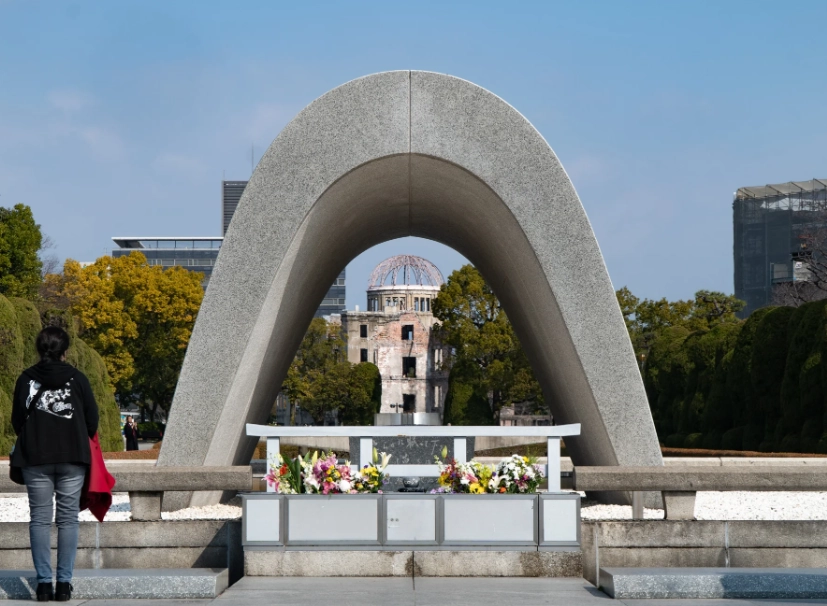
Walking Through History: The Hiroshima Peace Memorial Museum
If the Dome is the heart, the museum is the mind and the memory. The Hiroshima Peace Memorial Museum is in two buildings (the East and West Buildings), and it guides you through the story in a way that is, frankly, overwhelming. They renovated the main building a few years ago, and the exhibits are modern, clear, and devastating.
You start with Hiroshima before the bomb – a normal, bustling military city. Then, you move into the events of that day. They don't shy away from the human cost. This is where it gets tough. You'll see artifacts that stopped me in my tracks:
- A melted glass bottle, fused into a grotesque lump.
- A child's tricycle that was being ridden when the blast hit. The story behind it is heartbreaking.
- Stone steps with a permanent shadow – the "human shadow" etched by the thermal rays where a person was sitting.
- Tattered, burnt clothing worn by school children.
It's not just about shock, though. The museum does a great job explaining the science of the atomic bomb, the political lead-up, and the aftermath – the black rain, the radiation sickness that kept killing people long after the blast. They have survivor testimonies you can listen to, both in Japanese and English.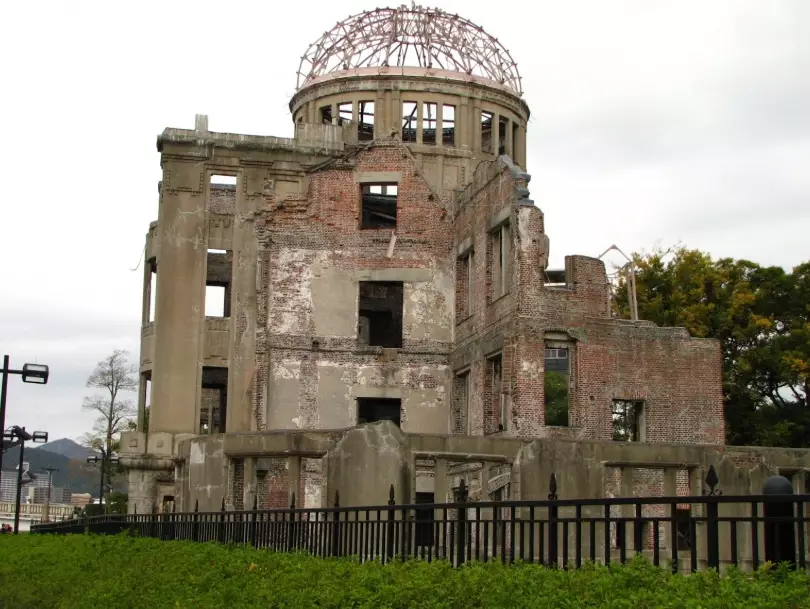
The Layout: What to Expect Room by Room
It's easy to get lost in the emotion, so here’s a practical breakdown of the main sections:
| Section / Floor | What You'll Find | Visitor Tip |
|---|---|---|
| Main Building (1F): Introduction | Hiroshima's city model showing the devastation, timeline of August 6th. | Get your bearings here. The model really shows the scale. |
| Main Building (1F-2F): The Damage | The core artifact displays: melted items, shadow etchings, personal effects. The most visceral section. | Take your time. It's heavy. It's okay to step away if needed. |
| East Building (1F-3F): History & Aftermath | Deeper context: the road to war, development of the bomb, lives of hibakusha, the peace movement. | Good for understanding the "why" and "what happened next." Slightly less intense. |
| Both Buildings: The Pursuit of Peace | Information on nuclear weapons worldwide, Hiroshima's role in advocacy, messages from mayors. | Ends on a forward-looking, activist note. Check out the digital guestbook. |
Honestly, the museum's curation is exceptional. It doesn't feel propagandistic; it feels evidentiary. It presents facts and lets the objects speak. Some people criticize it for not focusing enough on Japan's wartime actions. You'll have to judge that for yourself. I found it focused on the civilian experience of the bomb, which is its stated purpose. For broader historical context, you need to read elsewhere. The museum's official multilingual website is a fantastic resource for planning, with details on current exhibits and closures.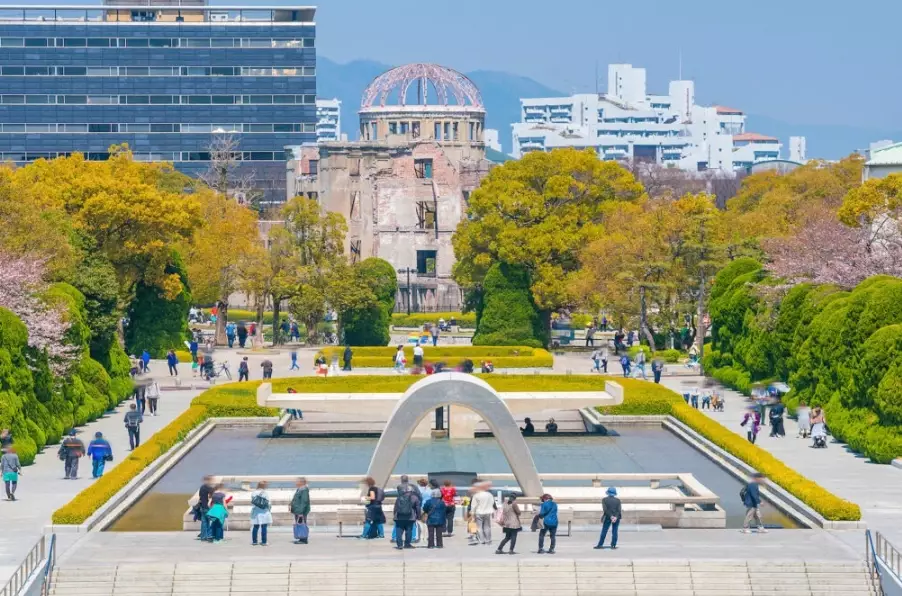
Planning Your Visit: The Nitty-Gritty Details
So, you're convinced you want to go. How do you actually do it? Here’s the stuff other blogs often gloss over.
Getting There and Getting In
Hiroshima is super connected. If you're coming from Tokyo or Kyoto, the Shinkansen (bullet train) drops you right at Hiroshima Station. From there, it's a straightforward tram (Hiroden) ride. Take the Line 2 or 6 bound for Miyajima-guchi. Get off at the Genbaku Dome-mae stop. You literally step off the tram and the Dome is right there. Couldn't be easier.
The whole Hiroshima Peace Memorial park area is free to walk through 24/7. The Dome is an external structure you view from the outside. The only paid part is the Museum.
- Museum Admission: 200 yen (that's about $1.50 USD). Seriously, it's almost symbolic. The best value you'll ever get for a museum ticket.
- Hours: Typically 8:30 AM to 6:00 PM (until 7:00 PM in Aug, closes earlier in Dec-Feb). Last entry is 30 minutes before closing. Always double-check on their official site before you go.
- Crowds: It's busy. Especially during summer, Golden Week (late Apr/early May), and around August 6th. Mornings right at opening or late afternoons are slightly quieter. School groups are very common.
What Else Is in the Peace Memorial Park?
The park itself is full of monuments. Don't just see the Dome and leave. Each one tells a part of the story:
- The Cenotaph for the A-Bomb Victims: The arched tomb that holds the names of all known victims. The inscription says, "Let all the souls here rest in peace, for we shall not repeat the evil." From the Cenotaph, you can perfectly frame the Dome through the arch. It's the classic photo spot.
- The Children's Peace Monument (for Sadako Sasaki): This one gets me every time. Dedicated to the child victims, inspired by Sadako who tried to fold 1000 paper cranes to cure her radiation-induced leukemia. It's covered in thousands of colorful paper cranes sent from schools worldwide.
- The Flame of Peace: It will burn until all nuclear weapons are abolished from the earth.
- The Atomic Bomb Memorial Mound: A large, grassy mound containing the ashes of tens of thousands of unidentified victims.
Take an hour just to wander. Read the plaques. Sit on a bench. Watch the river.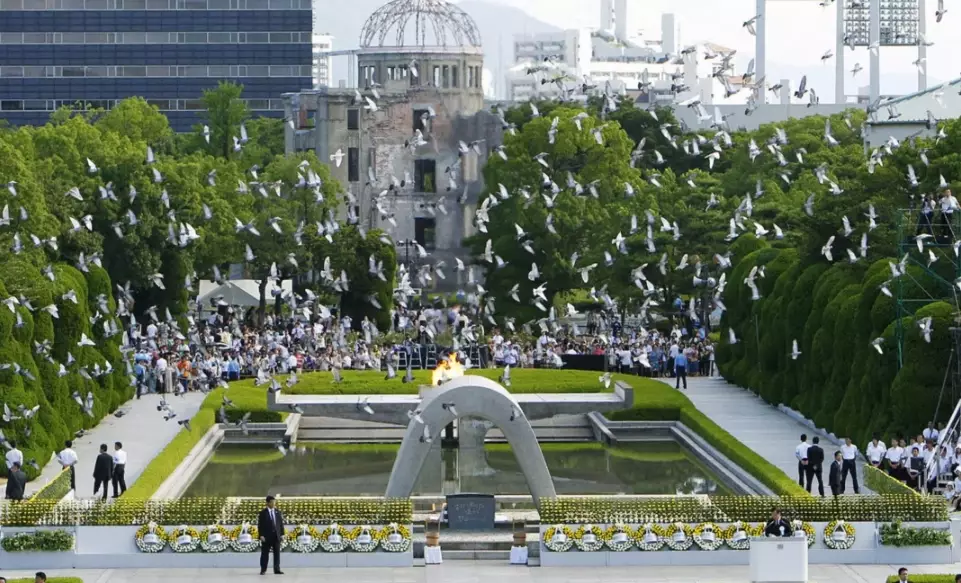
The Tough Questions: Controversy, Legacy, and What It Means Today
You can't talk about the Hiroshima Peace Memorial without wading into the deep water. Is it a one-sided narrative? Does it promote "victimhood" without context? These are valid questions people argue about.
My take? The site's primary function is to memorialize the civilian victims of the world's first wartime atomic bombing. It does that job powerfully and unflinchingly. It is, by design, a place focused on the consequences of the bomb's use. For the geopolitical "why," you need to visit other museums in Japan, like the Showa Hall in Tokyo, or read widely.
The peace park doesn't exist in a vacuum. The city of Hiroshima is vibrant, modern, and delicious (try the okonomiyaki!). The memorial is a part of its identity, but not the whole identity. The city actively uses its history to advocate for nuclear disarmament. The mayor sends a protest letter every single time a nuclear test is conducted anywhere in the world. You can see them all in the museum. That's a pretty consistent legacy.
The preservation of the Hiroshima Peace Memorial was itself an act of defiance against forgetting. It says: this happened, this was real, and we choose to remember it like this.
Is it a comfortable place to visit? No. Should it be? Probably not. Its power lies in its discomfort. It forces you to confront something awful, and in doing so, maybe think a little harder about the present.
Your Questions, Answered (The Practical FAQ)
Final Thoughts: Why This Place Stays With You
Leaving the Hiroshima Peace Memorial park, I felt drained. But also strangely hopeful. The place isn't just about death; it's about a city's incredible resilience. It's about the very specific, human choice to build peace out of ashes. The paper cranes, the letters, the eternal flame – they're all active gestures, not passive mourning.
You don't visit the Hiroshima Peace Memorial to have fun. You visit to understand, to remember, and to feel the weight of history so we might choose a different path. It's one of the most important places I've ever been. It's challenging, necessary, and ultimately, a profound tribute to the idea that peace requires active memory.
Go with an open mind, a respectful heart, and some tissues. And after you're done, go enjoy one of Hiroshima's famous oysters. Life, as they show you in Hiroshima, goes on, but it remembers.
Share Your Thoughts