My first onsen trip almost ended in a social disaster. I’d read the basics—wash before entering, no tattoos, be quiet. But standing in the changing room, I noticed something. Nearly every Japanese man there had noticeably less body hair than me. A wave of anxiety hit. Was I supposed to shave? Was my natural chest hair about to offend a dozen strangers? I spent the first ten minutes of my soak self-consciously trying to keep my torso underwater, which completely defeated the point of relaxing.
That moment of confusion is more common than you think. The topic of "onsen etiquette shaving" isn't about rigid rules written on signs. It's an unwritten, nuanced aspect of Japanese bathing culture that revolves around one core principle: absolute consideration for communal cleanliness. Let's clear the steam and talk about what you really need to know.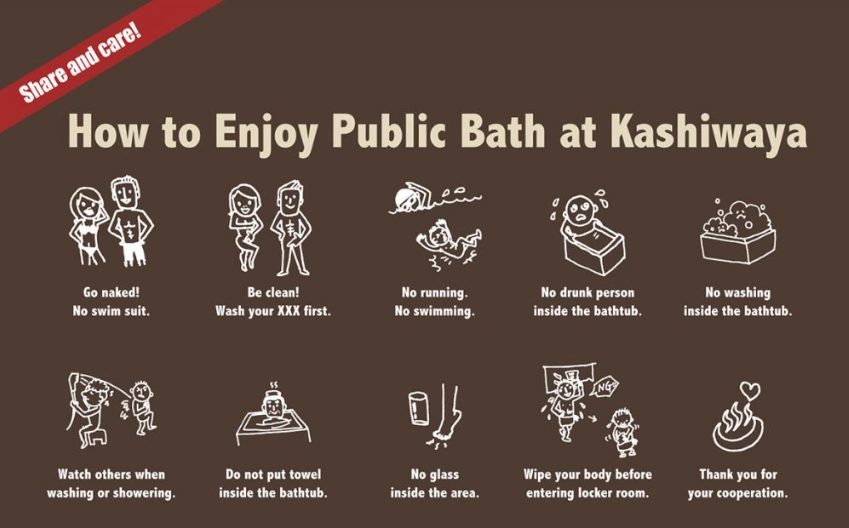
What You'll Find in This Guide
Why Shaving is Part of Onsen Etiquette
Forget any notion about aesthetics or conformity. In Japan, the onsen is a sacred space for purification and relaxation. The water is shared, often recirculated, and considered a communal resource. Introducing personal debris—hair, skin flakes, soap residue—is seen as profoundly disrespectful. It's like leaving your dirty dishes in a shared sink for the next person.
The Japan Tourism Agency’s guidelines for enjoying hot springs emphasize pre-washing to keep the water clean for all users. While they don't explicitly mandate shaving, the spirit of the rule is clear: minimize your impact on the shared environment.
Here’s the practical reason: drainage systems. Loose body hair is the primary culprit for clogging the filters and drains of onsen baths. Facility managers have to clean these filters constantly, and a major source of the problem is shed hair. By trimming or shaving, you directly contribute to the maintenance and hygiene of the place.
It’s not about being completely hairless. It’s about management. A well-trimmed, clean area is far better than a wild, shedding one. The key takeaway? The etiquette exists to solve a real, mechanical problem, not to judge your personal style.
How to Shave Correctly Before an Onsen
So, you've decided to tidy up. Doing it wrong can be worse than not doing it at all. Razor burn or nicks in mineral-rich hot water is a recipe for irritation. Follow this sequence.
Timing is Everything
Do not shave right before you walk to the bath. This is the most common mistake. Your skin needs time to recover from the micro-abrasions of shaving. Ideally, shave at least 2-3 hours before your planned soak. This allows pores to close and any tiny nicks to seal. Shaving the night before is perfect. Your skin will be calm, and you avoid any risk.
The Preparation Ritual
Shower with warm water first to soften the hair and open pores. Use a gentle exfoliant to lift hairs and prevent ingrown ones. Apply a generous amount of a high-quality shaving cream or gel—not a basic foam from a can. The lubrication is crucial.
Shave with the grain of your hair, not against it. The goal is reduction, not baby-smooth perfection. Going against the grain dramatically increases the risk of cuts, razor bumps, and irritation, which will make the onsen water sting.
The Critical Post-Shave Cleanse
After shaving, rinse the area with cool water to close the pores. Pat dry—don't rub. Apply a mild, fragrance-free moisturizer or aloe vera gel to soothe the skin. This step is non-negotiable. It prepares your skin barrier for the later exposure to heat and minerals.
Now, fast-forward to your pre-onsen shower. You must wash the shaved area thoroughly with soap and water. This removes any lingering moisturizer, skin cells, or shaving cream residue. The onsen water should only touch clean, product-free skin.
Common Mistakes and How to Avoid Them
Let's look at some specific pitfalls. I've seen these happen, and they turn a relaxing experience into an uncomfortable one.
Mistake 1: Using a dull razor. A dull blade tugs at hairs instead of cutting them cleanly. This causes more irritation and increases the likelihood of hairs being pulled out, leaving open follicles. Always use a sharp, clean blade.
Mistake 2: Shaving in the onsen changing room or shower area. Absolutely never do this. It's horrifyingly bad etiquette. You are leaving your shaved hair in a public washing space for others to see and potentially step on. All personal grooming must be completed in your private room or at home.
Mistake 3: Assuming electric trimmers are a free pass. They're better than nothing for trimming, but they don't provide the same clean finish. Also, you still need to clean the shaved skin meticulously afterward, as trimmers can leave tiny hair clippings on the skin's surface.
Mistake 4: Ignoring your skin's reaction. If you have sensitive skin and shaving always causes redness or bumps, maybe don't shave that area at all. A slightly hairy but calm back is better than a red, irritated one that will scream in the sulfur water. Consider just a very close trim instead.
The underlying theme? The etiquette isn't just the act of shaving. It's the entire process of ensuring you enter the water in a state that doesn't negatively affect the water or the experience of others—or yourself.
Addressing Your Onsen Shaving Concerns
 Ultimately, navigating onsen shaving etiquette is about moving beyond a checklist of rules. It's about understanding the "why." The goal is to preserve the purity of the shared water and show respect for the tradition and the people sharing it with you. When you trim or shave with that intention, you're not just following a procedure—you're participating in the culture. You'll also enjoy your soak infinitely more without that nagging worry in the back of your mind. That peace is what the onsen experience is all about.




Share Your Thoughts