The idea of a mixed-gender onsen, or konyoku, can trigger a mix of curiosity and sheer panic for visitors to Japan. Is it a real thing? Is it just for couples? What are you supposed to do (or not do) once you're in there? Let's cut through the myths. Yes, traditional mixed-gender baths exist, but navigating them requires a specific set of manners that go beyond standard onsen etiquette. Getting it wrong isn't just embarrassing—it can disrupt the serene atmosphere everyone is there for.
This guide isn't about convincing you to try one. It's about giving you the clear, no-nonsense information you need if you're curious or have already booked a stay at a ryokan that features one. We'll cover the practical steps, the psychology of handling the situation, and how to find a konyoku that matches your comfort level.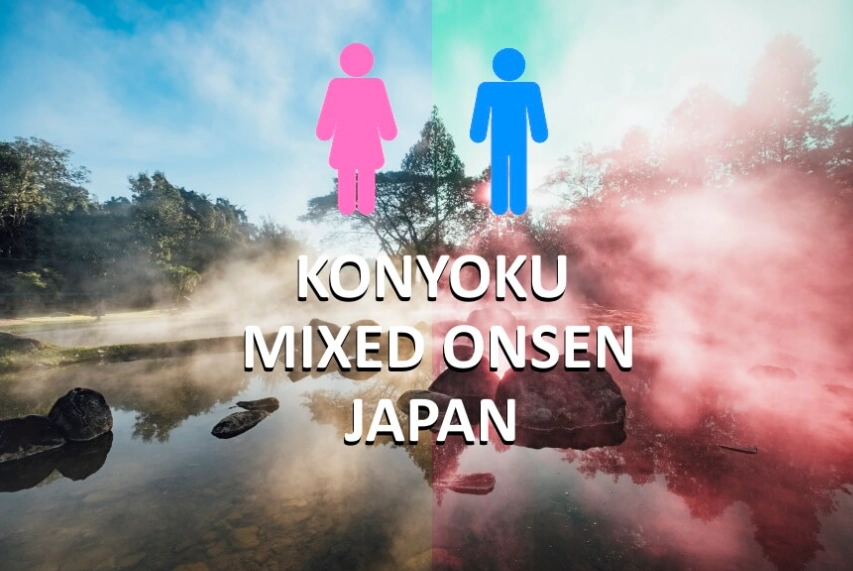
What You’ll Learn in This Guide
What Exactly is Konyoku?
First, let's define our terms. Konyoku simply means "mixed-bathing." Historically, it was the norm in Japan before Western influence introduced segregated bathing. Today, true konyoku refers to traditional baths, often outdoor rotemburo nestled in nature, where everyone bathes nude together. They are not "couples baths"—they are community baths.
You need to distinguish these from:
- "Family Baths" or "Kazoku-buro": Small, private baths you rent by the hour for your group.
- "Swimsuit Onsen" at Resorts: Modern, pool-like facilities where swimwear is mandatory. These are more like water parks and lack the traditional etiquette.
Genuine konyoku are increasingly rare, often found in remote countryside onsens or historic towns. The atmosphere is usually serene, quiet, and focused on the therapeutic benefits of the water and nature.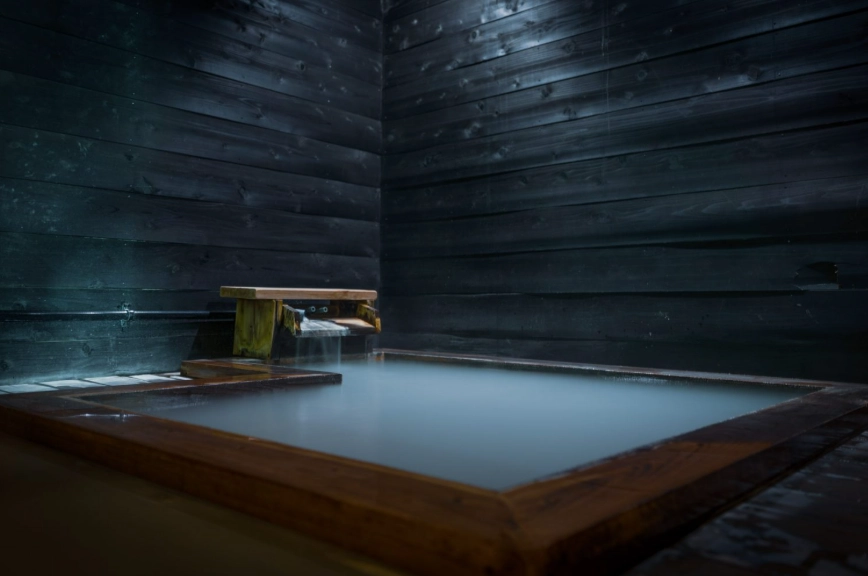
How to Bathe Properly in a Mixed-Gender Onsen?
The core bathing procedure is identical to any onsen: cleanliness is paramount. But in a mixed setting, the nuances of how you handle yourself matter more.
The Step-by-Step Process (From Changing Room to Water)
1. Undress Completely in the Changing Room. This is non-negotiable. Leave your modesty towel (tenugui) in the changing room basket. The small washing towel (kaze or tenugui) provided is your only item.
2. The Walk to the Bath. Here's the first major point of anxiety. Use your small towel. Most men casually place it in front of themselves. Many women, and some men, will hold it slightly to the side or in front while walking. Do not wrap it around your body like a sarong—this actually draws more attention and is a clear sign of a novice. Walk calmly and purposefully towards the washing stations.
3. Washing & Rinsing Thoroughly. Sit on the low stool, use the shower or basin, and wash every part of your body with soap and shampoo (if washing hair). This is where you focus intently on the task. Rinse off all suds completely. A common mistake foreigners make is rushing this part. Taking your time here helps you acclimate.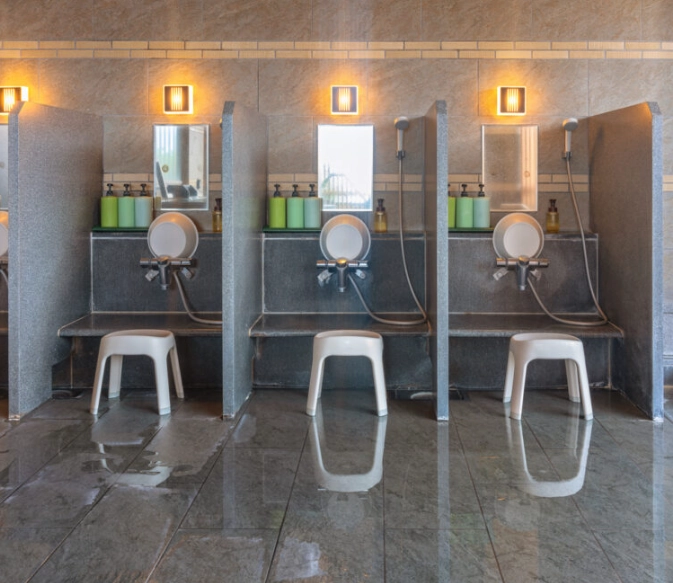
4. Entering the Bath with Your Towel. You have three acceptable options for the small towel:
- Place it on your head (the most common and "safest" method).
- Fold it and place it on the edge of the bath, within reach.
- Hold it in your hand, but never let it touch the bath water.
Enter the water slowly and quietly. Find a spot without crowding others.
5. Soaking and Exiting. Relax, look at the scenery, close your eyes. Keep conversation to a whisper or avoid it altogether. When leaving, take your towel, wring it out at the washing area, and use it to dab yourself dry as you walk back to the changing room. Don't drip water across the floor.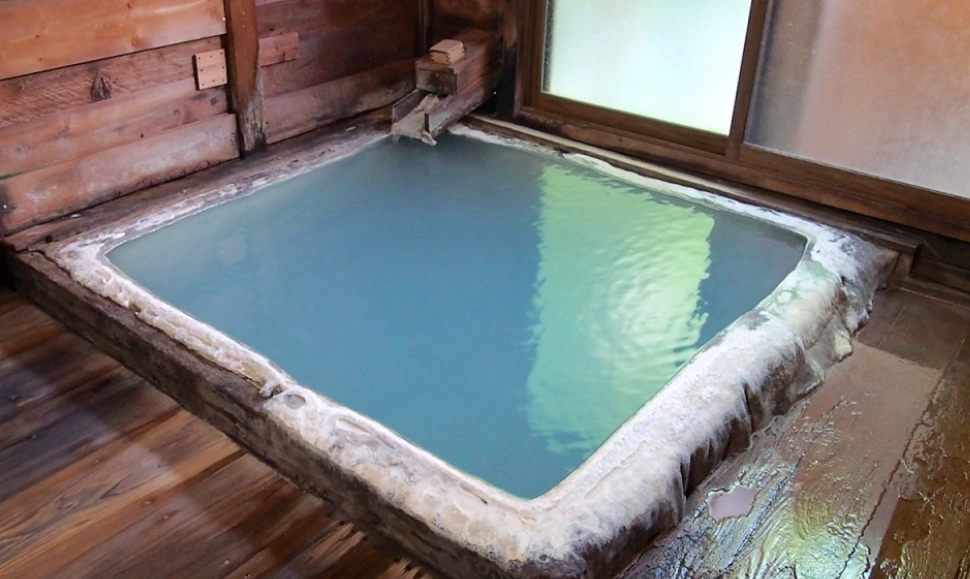
How to Handle the Awkwardness (A Practical Mindset)
Let's be real. The mental hurdle is the main event. These strategies are from years of observing what works.
Eye Contact (or Lack Thereof): This is the golden rule. Your gaze should be directed at the horizon, the rocks, the steam rising from the water, or your own knees. Brief, accidental eye contact happens—a slight, neutral nod or immediately looking away is fine. Sustained eye contact is intrusive.
The "Bath Face": People adopt a relaxed, slightly zoned-out expression. It signals you're there for the bath, not the people-watching.
Dealing with Conversation: If you're with a partner, keep talk to an absolute minimum in whispers. If a friendly local initiates a chat (rare but possible), respond politely but briefly. Don't turn it into a standing conversation in the bath. A good tactic is to say, "The water is wonderful," and then close your eyes, signaling the chat's end.
Body Awareness vs. Body Anxiety: Everyone is nude. Your body is just another body. The goal is to carry yourself with a neutral, unselfconscious demeanor. The more you fidget, adjust, or try to "cover up," the more you break the social norm and attract the very attention you fear.
Finding and Choosing a Mixed-Gender Onsen
Not all konyoku are created equal. Picking the right one for your first time is crucial.
Types of Mixed-Gender Onsen:
- The Traditional Rural Konyoku: Often older, with a local clientele. Can be the most authentic and least judgmental, as regulars are used to the routine.
- The Scenic Rotemburo: Mixed bathing in a stunning outdoor setting. The natural beauty becomes the focus, greatly reducing social pressure. Rocks and landscaping often provide natural visual barriers.
- The "Time-Shared" Bath: Some onsen have hours for men, hours for women, and specific "mixed" hours. Always check the schedule.
Do your research. Websites like Japan Guide or specialty blogs will explicitly state if a bath is mixed-gender. Look for the term "konyoku" or "mixed bathing." Call or email the onsen if you're unsure. A good question to ask is, "Is the [specific bath name] mixed-gender, and are there any specific rules for foreign visitors?"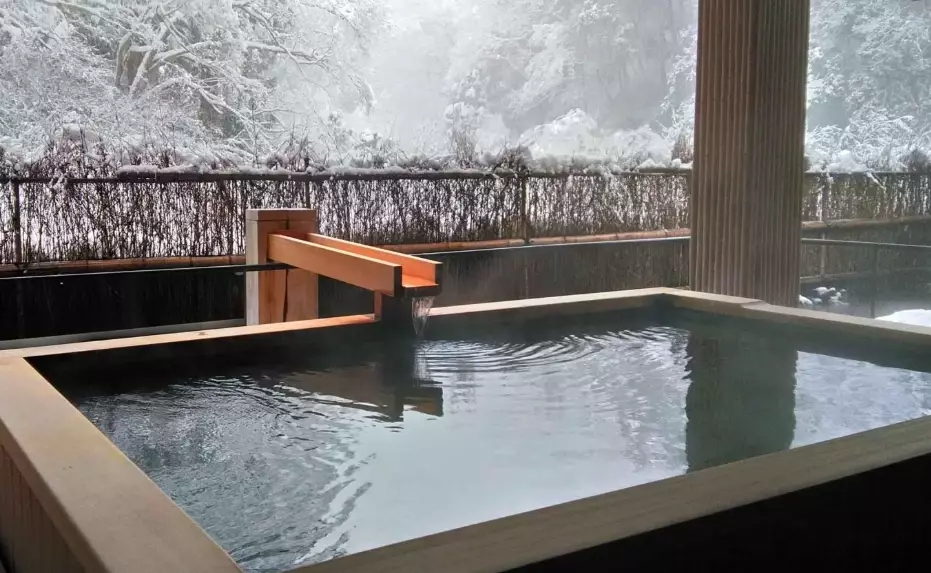
Here’s an example of a famous and accessible mixed onsen:
| Onsen Name | Location | Type & Key Feature | Good for First-Timers? |
|---|---|---|---|
| Takaragawa Onsen (宝川温泉) | Minakami, Gunma Prefecture | Vast, scenic riverside rotemburo divided into several pools. One of Japan's largest mixed baths. | Yes. The scale and natural setting provide space and a sense of anonymity. Very popular with both Japanese and foreign tourists. |
| Shibu Onsen (渋温泉) | Yamanouchi, Nagano (near Snow Monkeys) | Histotic ryokan town with nine public baths (sotoyu). One (Kanagu-ya) is traditionally mixed. | Moderate. It's intimate and traditional. Going during a quiet weekday is advised. |
Common Misconceptions and Final Tips
Let's bust some myths before you go.
"It's Mostly for Couples or Older People." While you will see couples and a predominantly older local crowd, you'll find solo bathers and groups of friends of all ages. It's not a "couples activity" in the romantic sense.
"People Will Stare at Foreigners." In my experience, you'll get a quick glance of recognition, then people return to their soak. The stare you fear is often just mild curiosity, not judgment. Adhering to the etiquette quickly makes you just another bather.
"You Have to Be Completely Comfortable with Nudity." Not true. You just need to be able to act comfortable for 30 minutes. The ritual—washing, entering, soaking—provides a script to follow. Focus on the actions, not the state of undress.
Final Pro Tips:
- Go Early in the Morning: Fewer people, mist on the water, a more meditative experience.
- Skip the Alcohol: Don't go in after a few beers. You need your wits about you.
- Know Your Exit: If you get in and panic, it's okay. Just calmly go through the motions of leaving. No one will mind.
- Check Tattoo Policies: The standard Japanese tattoo ban applies equally to mixed baths. Use cover-up patches or seek out tattoo-friendly establishments.
Mixed-gender onsen etiquette is about respect—for the culture, for the place, and for the other people sharing the water. It's a unique cultural immersion that pushes personal boundaries. Whether you choose to try it or not, understanding the rules demystifies an intriguing aspect of Japanese bathing culture.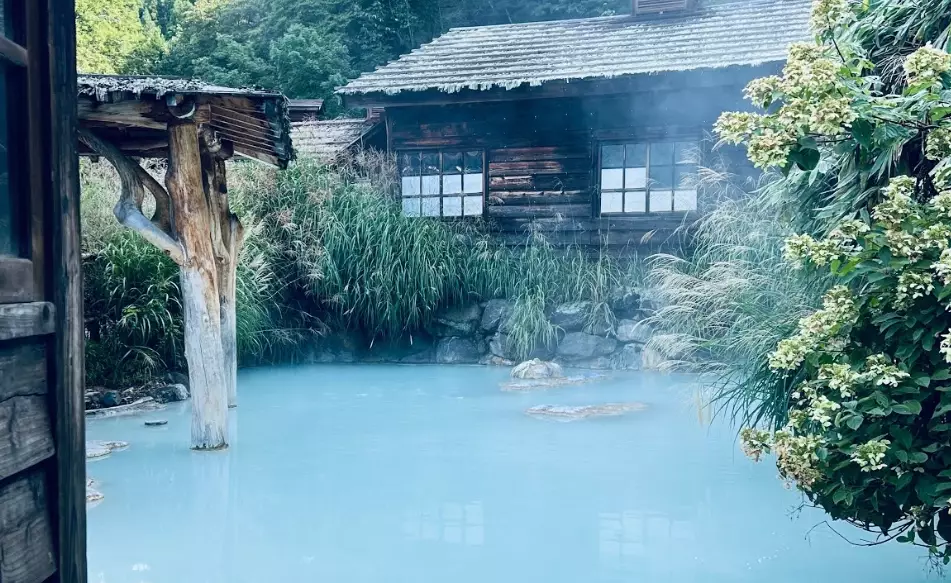


Share Your Thoughts