Quick Navigation
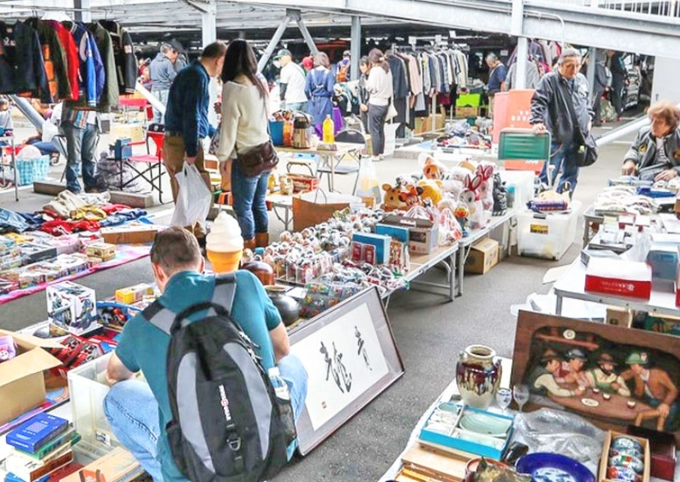
Let's be honest, when you think of Tokyo, your mind probably jumps to shiny skyscrapers, robot restaurants, and crowds crossing Shibuya Scramble. That's all there, sure. But there's another side to this city, a quieter, dustier, and infinitely more fascinating side. I'm talking about the world of Tokyo flea markets. It's a world where salarymen hunt for vintage vinyl, grandmothers sell exquisite kimono fabrics, and you can stumble upon a 300-year-old ceramic bowl sitting next to a neon-colored toy from the 90s. It's chaotic, it's overwhelming, and it's one of the most authentic experiences you can have here.
I remember my first time at the Oedo Antique Market. I went expecting a few tables of old junk. What I found was a sprawling, semi-organized festival of stuff. The smell of old paper and polished wood hit me first. Then the sounds—the gentle clink of porcelain, the murmur of negotiations in a mix of Japanese and broken English, the occasional burst of laughter. I spent five hours there and barely scratched the surface. I left with a small, slightly cracked Edo-period cup (my bargaining was terrible that day) and a complete obsession. Since then, I've spent countless weekends getting lost in these markets, figuring out their rhythms, their secrets, and their soul.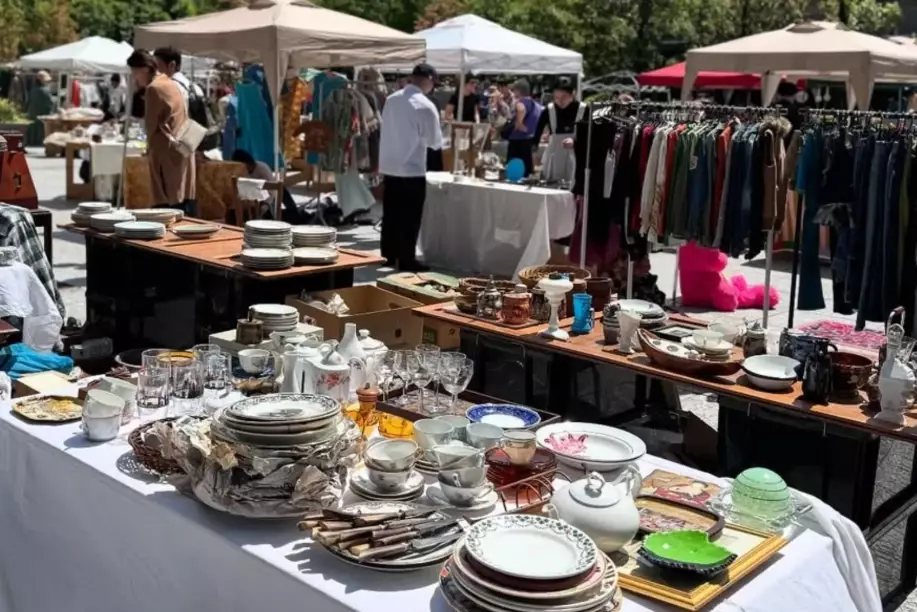
Why are Tokyo flea markets so special? It's not just about buying things. In a culture that often values the new and the pristine, these markets are a rare, sanctioned space for the old, the used, and the storied. They're a direct line to Japan's domestic history—the everyday objects, the crafts, the fashions that shaped lives. You're not just shopping; you're sifting through layers of Tokyo's life.
It's also a fantastic alternative to the sometimes sterile department store experience. No fluorescent lights, no piped-in jingles, and no uniformed staff bowing you towards the exit. Just you, the vendor, and an object with a past. Whether you're a serious collector of ukiyo-e prints or just looking for a one-of-a-kind souvenir that isn't a plastic Godzilla, Tokyo's flea markets have you covered.
The Major Players: A Guide to Tokyo's Top Flea Markets
Not all Tokyo flea markets are created equal. Some are giant, monthly spectacles. Others are small, weekly neighborhood affairs. Some are antiques-only, others are a glorious free-for-all. Your mission (and how much you can carry) will determine your destination.
Here’s the breakdown of the heavy hitters, the ones you'll see mentioned again and again. I've included my personal take on each, because let's face it, a dry list of facts doesn't help you feel the place.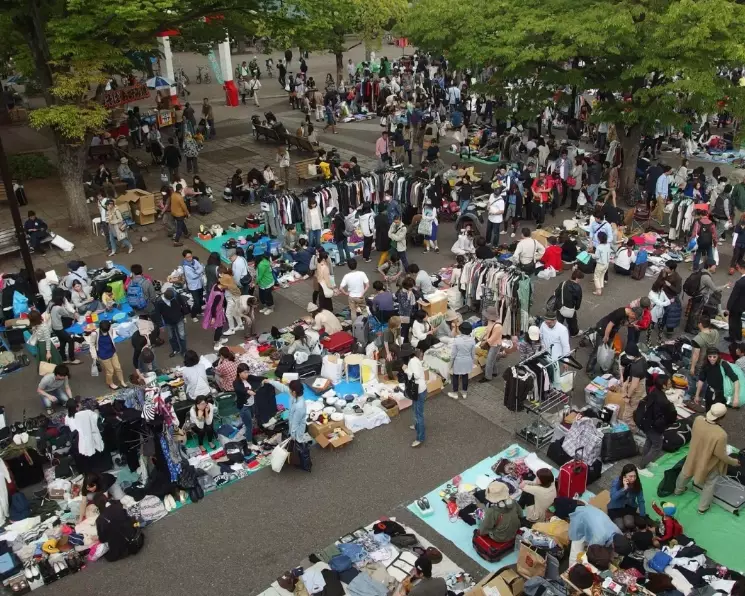
| Market Name | Type & Vibe | Best For Finding... | Typical Schedule & Time | Nearest Station | My Personal Note |
|---|---|---|---|---|---|
| Oedo Antique Market (大江戸骨董市) | The granddaddy. Serious, sprawling, collector-focused. Over 250 vendors. A bit formal but incredibly high-quality. | Authentic antiques: Edo-period ceramics, samurai items (armor parts, sword fittings), ukiyo-e prints, vintage kimono, traditional furniture. | 1st & 3rd Sunday of each month. 9:00 AM - 4:00 PM (rain or shine under tents). | Nijubashimae (Chiyoda Line) or Tokyo Station. | This is the Louvre of Tokyo flea markets. Prices can be high, and haggling is subtle. Come early for the best pieces, bring cash (lots of it), and be prepared to be dazzled and intimidated. |
| Setagaya Boroichi (世田谷ボロ市) | A historic street festival with a flea market soul. Dates back over 430 years. Crowded, lively, chaotic, and deeply local. | A wild mix: antiques, used clothes, plants, street food, household goods, tools. More "flea" than "antique." | Held only twice a year: December 15-16 and January 15-16. Huge all-day event. | Setagaya Station (Setagaya Line). | |
| Yoyogi Park Flea Market (代々木公園 フリーマーケット) | The trendy, accessible one. Younger crowd, international vibe. Mix of professional vendors and individuals clearing out closets. | Vintage Western clothing (Levi's, Hawaiian shirts), retro toys, vinyl records, mid-century modern knick-knacks, handmade crafts. | Every Sunday (weather permitting). Usually 9:00 AM - 4:00 PM. | Harajuku (JR Yamanote Line) or Meiji-jingumae (Chiyoda Line). | My go-to for a relaxed Sunday. Less pressure than Oedo. Great for people-watching and finding quirky 80s/90s Japanese pop culture items. Can get very crowded on sunny days. |
| Nogi Shrine Antique Market (乃木神社骨董市) | Charming, smaller, and upscale. Set in the peaceful grounds of Nogi Shrine. A more curated, less overwhelming experience. | Quality Japanese antiques and folk crafts (mingei): textiles, indigo dye works, lacquerware, small furniture, jewelry. | 2nd Sunday of each month. 9:00 AM - 4:00 PM. | Nogizaka (Chiyoda Line). | |
| Hanazono Shrine Market (花園神社骨董市) | In the heart of Shinjuku! A compact, intense market right next to the bustling Kabukicho district. Surreal contrast. | A bit of everything: coins, stamps, jewelry, small antiques, vintage watches. Good for a quick browse. | Every Sunday. 9:00 AM - 4:00 PM. | Shinjuku-sanchome (Marunouchi Line). | |
| Togo Shrine Market (東郷神社フリマ) | Reliable, weekly, and very popular with locals. A balanced mix of antiques, vintage goods, and general used items. | Vintage cameras, watches, glassware, books, and a decent selection of kimono and obi. | Every Sunday. 9:00 AM - 4:00 PM. | Harajuku (JR Yamanote Line) or Meiji-jingumae (Chiyoda Line). |
A quick word on schedules: Always, always check the official website or social media page the night before. Weather cancellations happen, and sometimes dates shift for shrine festivals. Nothing worse than a 7 AM trek to an empty park.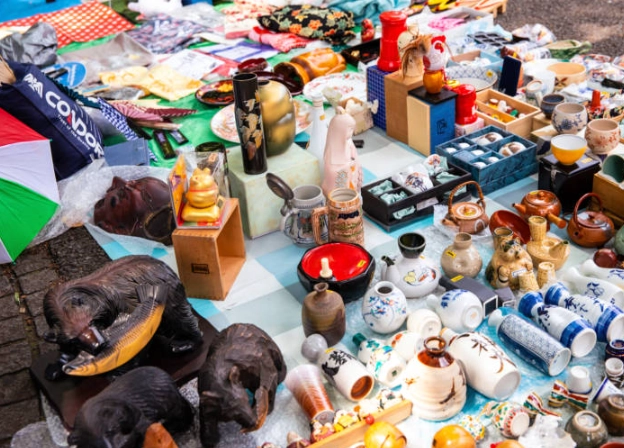
Diving Deeper: What You'll Actually Find
Okay, so you're at the market. What's staring back at you from those blue tarps? Let's categorize the treasure (and the not-so-treasure).
The Obvious Stars:
- Kimono & Textiles: This is a huge category. You'll find full kimono, yukata (summer cotton kimono), haori (jackets), and obi (sashes). Condition varies wildly from pristine to heavily worn. Look for interesting patterns, embroidery, and quality of silk. A damaged kimono can be a goldmine for fabric to use in crafts.
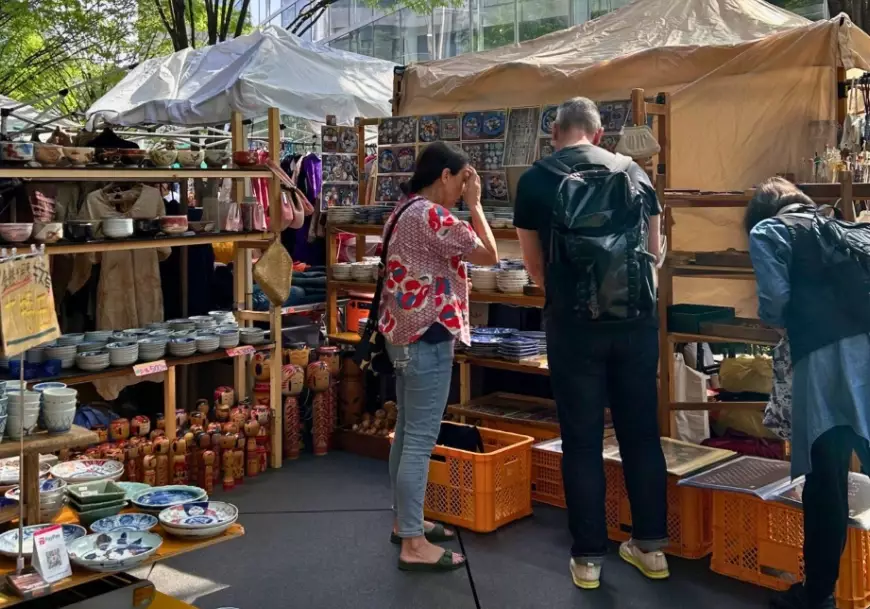
- Ceramics & Pottery: From rustic Bizen-yaki and Mashiko-yaki folk pots to delicate Imari and Kutani porcelain. Look for maker's marks on the bottom. Chips and hairline cracks (kintsugi repairs) are common and often reduce price significantly.
- Woodblock Prints (Ukiyo-e): Be very, very careful here. The market is flooded with modern reproductions. Genuine antique prints are fragile, on thin paper, and have subdued colors from age. If a "Hokusai Great Wave" looks bright and crisp, it's almost certainly a repro. Talk to the vendor, ask questions. Reputable ones will tell you if it's a later edition.
The Tricky Stuff (Buyer Beware):
- Samurai Items: Real armor (yoroi) and swords (nihonto) are highly regulated National Treasures and almost never appear at general flea markets. What you'll see are smaller fittings (tsuba - hand guards, menuki - grip ornaments), which can be authentic and beautiful. Replica swords and armor are common.
- Ivory & Tortoiseshell: You will see old items made of ivory (zoge) and tortoiseshell (bekko). Be aware of international customs regulations regarding CITES-protected species. Exporting these items requires certification, which is difficult to obtain for old, unregistered pieces. I generally advise admiring them, not buying.
Then there's the fun, less-daunting stuff. Vintage tin toys, old advertising posters, charmingly faded furoshiki (wrapping cloths), glass soda bottles, and piles of old postcards offering glimpses of a vanished Tokyo. My personal weakness? Vintage stationery and old maps. I have a drawer full of them, most of which I paid less than 500 yen for.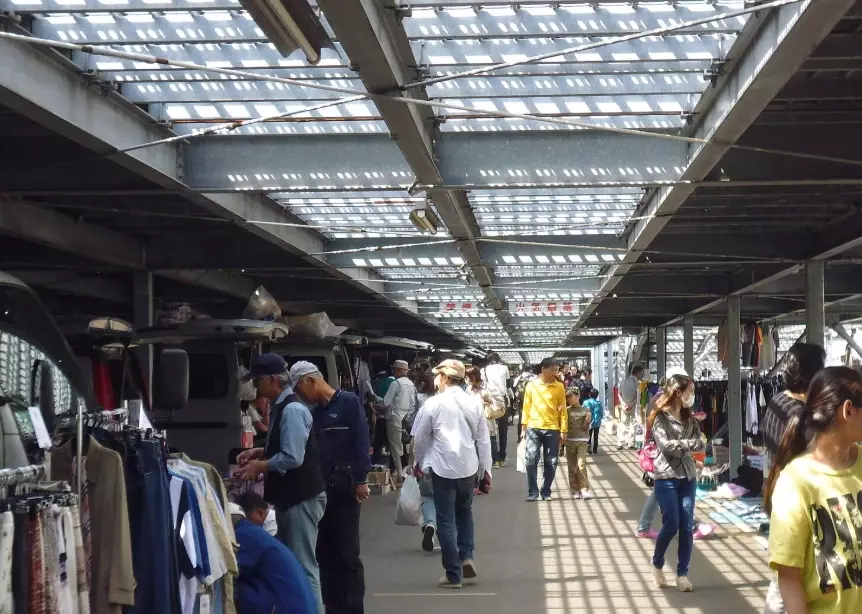
The Art of the Deal: How to Navigate and Bargain
This is the part that stresses people out the most. The bargaining culture at Tokyo flea markets is real, but it's not like haggling in some other parts of the world. It's a quiet, respectful dance.
First, let's talk etiquette. This is crucial.
- Hands Off: Don't just grab things. Point or gesture if you want to see something up close. Vendors will often hand it to you, sometimes with white gloves for delicate items.
- The Price Tag: Most items have a small paper tag with a price in yen. This is usually the asking price, not a fixed one.
- To Ask or Not to Ask: If there's no price, a simple "Ikura desu ka?" (How much is it?) is fine. If there is a price and you're interested but hesitant, you can try bargaining.
How to bargain? Think of it as a conversation, not a confrontation.
- Show genuine interest. Ask about the item. "Kore wa nan desu ka?" (What is this?) or "Itsu goro no mono desu ka?" (Approximately what era is this from?). This establishes a connection.
- Make your offer politely. You can say something like "…wa chotto takai desu ne. …yen wa ikaga deshou ka?" ("…is a little expensive. How about …yen?"). A 20-30% discount is often a reasonable starting point for negotiable items. Don't lowball ridiculously; it's disrespectful.
- Read the room. Some vendors, especially at high-end antique markets like Oedo, are less flexible. If they smile and shake their head, don't push it. A simple "Jaa, kekkou desu. Arigatou gozaimasu." (Then, it's okay. Thank you.) and a bow is the graceful exit.
- Cash is king. Almost no one takes credit cards. Some might take PayPay or other mobile pay, but don't count on it. Bring plenty of 1000 yen and 5000 yen bills. Breaking a 10,000 yen note for a 500 yen purchase is awkward.
A vendor once taught me a good phrase: "Saigo no nedan wa ikura desu ka?" (What is your final/best price?). It puts the ball in their court politely. Sometimes they'll come down a bit, sometimes not. I've had it work maybe 60% of the time.
Practicalities: What to Bring, How to Get There
Let's get real for a second. You're going to be on your feet for hours, possibly in sun or cold. Preparation is key.
Your Flea Market Survival Kit:
- Cash: I said it before, I'll say it again. More than you think you'll need.
- A sturdy, large tote bag or backpack: Vendators rarely have bags. I use a foldable nylon tote that can expand. For fragile items, bring bubble wrap or spare cloth.
- Small change purse: For all those 100-yen and 500-yen coins.
- Water and snacks: Market food is part of the fun (taiyaki, yakisoba), but having water is essential.
- Hand sanitizer and a small towel: You'll be handling dusty, old objects.
- Phone with a translation app and map: Google Translate's camera function can be a lifesaver for kanji on pottery marks.
- A sense of patience and curiosity: The most important tools of all.
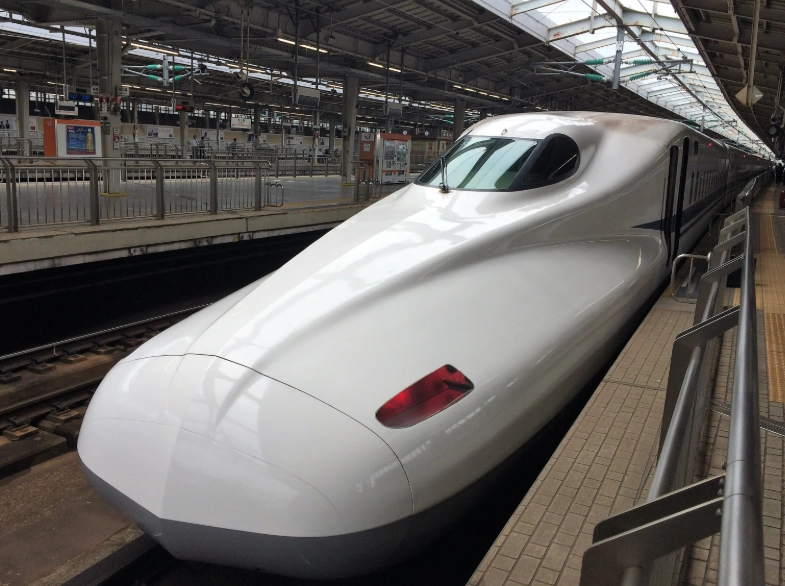
Getting There: Tokyo's transit is brilliant, but flea markets aren't always right outside the station turnstile. Use hyperdia.com or a Google Maps app for the best route. For major markets like Oedo at Tokyo International Forum, the exit you take matters—follow the crowds or look for small signs. The official Tokyo Metro website has excellent station maps.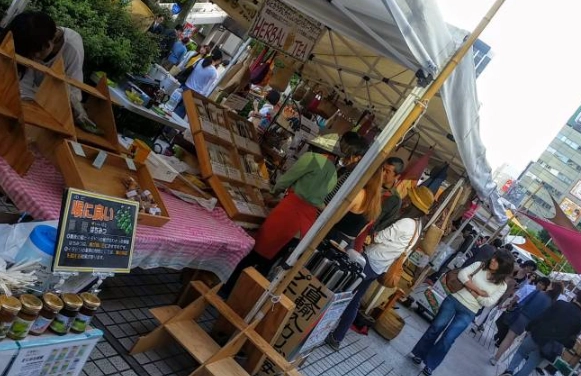
Beyond the Purchase: Authenticity, Export, and Care
You've found something amazing and made the deal. Now what?
Questions of Authenticity: For anything you're spending serious money on, don't be shy about asking for more detail. A reputable seller should be able to tell you the approximate period (Meiji, Taisho, Showa), the region, and the type of item. If they can't or get evasive, that's a red flag. For ukiyo-e, ask if it's an original period print (hangi) or a later reproduction (fukusei).
The Export Question: For standard ceramics, textiles, and general antiques over 100 years old, you generally need an export certificate from the Agency for Cultural Affairs to legally take them out of Japan. In practice, for items bought at flea markets below a certain value (and not being National Treasures), this is rarely enforced for personal effects. However, it is the law. The risk is low, but it exists. For absolute peace of mind, especially for valuable items, you can apply for the certificate, but it's a bureaucratic process. My personal, non-legal advice? Keep receipts if you get them, pack items in your checked luggage, and declare nothing at customs unless it's obviously extremely old and valuable. The main goal is to prevent cultural property from leaving illegally.
Cleaning and Caring for Your Finds:
- Textiles (Kimono): Do not wash them yourself, especially silk. They need specialized cleaning. Air them out in the shade, and store them folded with acid-free paper in a cool, dry place. Moths love old wool and silk.
- Ceramics: Wash gently with mild soap and water. For pieces with old repairs (kintsugi), avoid submerging them, as the traditional urushi lacquer adhesive can be water-sensitive.
- Wood & Lacquerware: Dust with a soft cloth. You can occasionally treat dry wood with a tiny amount of camellia oil.
Common Questions (Stuff You Were Afraid to Ask)
Let's tackle some of the specific worries that pop up when planning a trip to Tokyo flea markets.
One last, personal thought.
The real magic of Tokyo flea markets isn't just in the objects. It's in the momentary connections. The old man who carefully wrapped my chawan (tea bowl) in newspaper, showing me the kiln mark with pride. The young couple selling their grandfather's old tools, laughing as they tried to remember what each one was for. It's a living, breathing ecosystem. It's Tokyo pausing for a day, laying out its attics and storage lockers, and inviting you to take a look.
So ditch the guidebook checklist for a day. Grab your tote bag, your cash, and your sense of adventure. Head to a Tokyo flea market. You might not find a priceless national treasure, but you'll almost certainly find a piece of Tokyo's story—and start one of your own.
A note on information: Market details can change. For the most current schedules and locations, it's wise to double-check the official sources. For Oedo Market, you can visit the organizer's website. For general tourism info in Tokyo, the Tokyo Metropolitan Government's official site is an excellent resource.

Share Your Thoughts