In This Guide
- The Unmissable Classics: Your Dotonbori Street Food Hit List
- Beyond the Big Three: Hidden Gems & Sweet Treats
- Your Dotonbori Street Food Budget: A Realistic Breakdown
- How to Actually Do Dotonbori Like a Pro (Not a Lost Tourist)
- Answers to the Questions You're Probably Googling
- The Final Bite: Making It Your Own
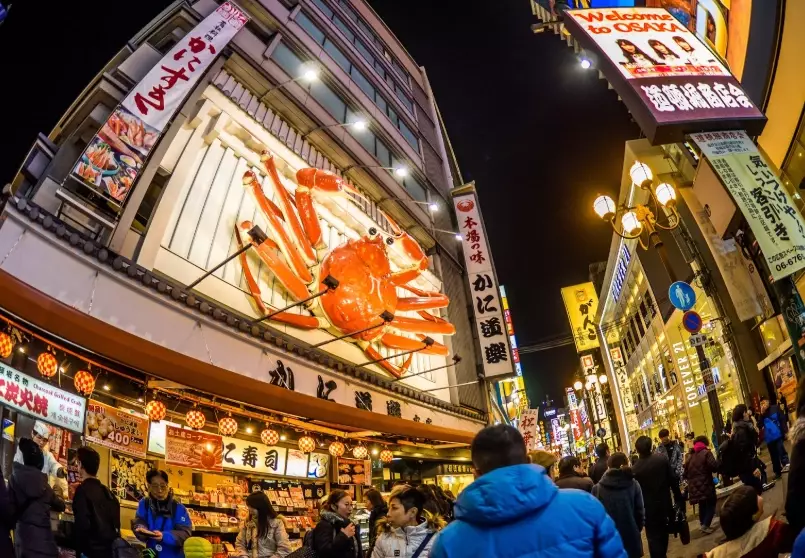
Let's be honest. You're not going to Osaka for the castles first, are you? Maybe you are, but I'd bet my last yen that the sizzle of a griddle and the smell of something delicious frying is what really pulled you in. And there's no better, louder, more gloriously overwhelming place to answer that call than Dotonbori. This isn't just a street; it's a full-body experience. Your eyes are assaulted by giant mechanical crabs and neon-lit running men. Your ears are full of vendors calling out, sizzles, and the chatter of a thousand happy eaters. But most of all, your nose and stomach are in a constant state of negotiation.
I remember my first time stepping out of Namba station. The sensory overload was real. Where do you even start? That's the thing about Osaka street food in Dotonbori – it's a delicious puzzle. You want to try everything, but your stomach has limits. You see a huge line and wonder if it's worth it. You see something weird and wonder if you're brave enough. After more trips than I can count, and more than a few happy food comas, I've figured some of it out. This guide is what I wish I had that first day: a no-nonsense, hype-free map to eating your way through Dotonbori without regret.
We're not just listing dishes. Anyone can do that. We're talking about how to navigate the chaos, how to spot the good stuff, how much cash you'll need, and how to eat things without looking like a total tourist (though, let's face it, you will, and that's okay). This is your playbook for the ultimate Osaka street food Dotonbori adventure.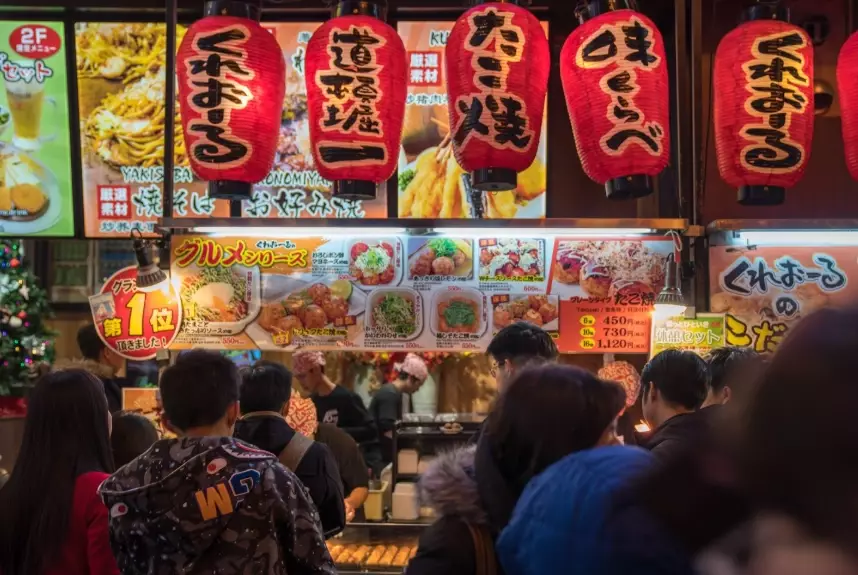
The Unmissable Classics: Your Dotonbori Street Food Hit List
You can't walk ten feet in Dotonbori without bumping into a stall selling one of these. They're iconic for a reason. But not all versions are created equal. Here's the lowdown on the big hitters.
Takoyaki: The Ball of Joy
The king. The mascot. The delicious, doughy, octopus-filled sphere that defines Osaka street food. Dotonbori is basically a takoyaki battleground, with famous shops like Kukuru and Wanaka blasting their aromas into the street. The basic formula is batter, a piece of tender octopus (tako), tempura scraps, and green onion, cooked in a special hemispherical pan until it's a perfect, wobbly ball.
Here's my take. The ones from the super famous spots? They're good, a solid 8/10. But the line can be insane. Sometimes, I've found just as much joy at a smaller stall with no queue, where the obasan (auntie) is carefully turning each ball with a focused look. The key is freshness. You want them piping hot, almost too hot to eat. They should be creamy on the inside, slightly crispy on the outside, and smothered in takoyaki sauce (like a thicker Worcestershire), mayo, bonito flakes that dance in the steam, and aonori seaweed.
Is it the best Osaka street food Dotonbori has to offer? It's the most iconic, for sure. It's a feeling as much as a food.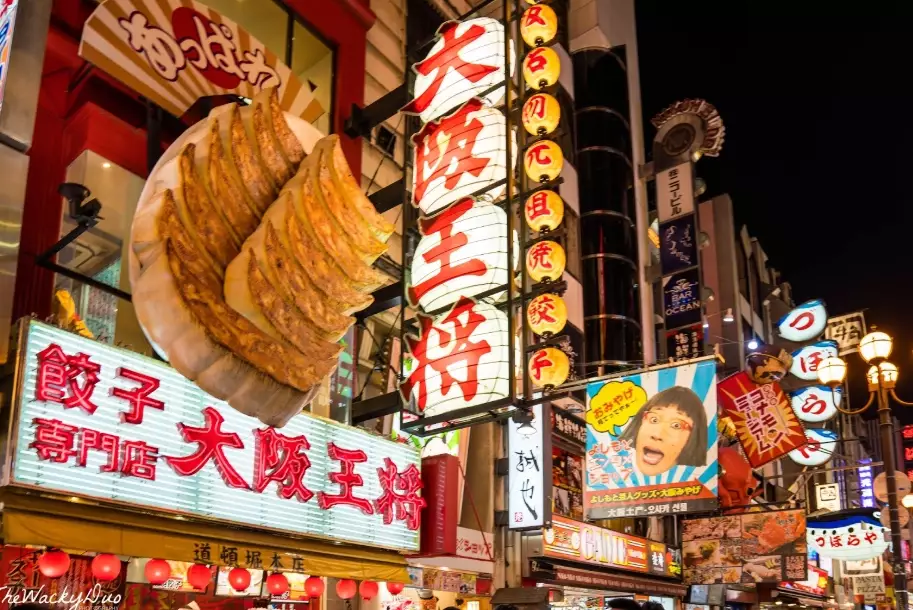
Okonomiyaki: The Savory Pancake You Customize
Often called a "Japanese savory pancake" or "pizza," but that doesn't do it justice. Okonomiyaki means "grilled as you like it," and that's the beauty. The base is a cabbage-rich batter, and from there, you add what you want – pork, shrimp, squid, cheese, mochi. The whole thing is grilled on a teppan (iron griddle), flipped, slathered with that same okonomiyaki sauce, mayo, and toppings.
In Dotonbori, you'll mainly find it in sit-down restaurants with built-in griddles, not as a walk-away street snack. But the experience is so core to Osaka's food soul, it has to be on this list. Places like Chibo or Kiji (if you can find the latter's hidden location) are institutions. You can often watch the chefs masterfully work the griddle right in front of you.
My personal favorite mix? Classic pork, with a handful of tenkasu (tempura bits) for crunch, and an egg on top. The contrast of the sweet-savory sauce, the rich mayo, the fresh cabbage, and the crispy edges is just perfect. It's a meal in itself.
Kushikatsu: Everything on a Stick (But Mind the Rules)
Deep-fried skewers. Simple, right? Kushikatsu takes it to an art form. You'll find dedicated bars, especially in the nearby Shinsekai area (a short walk from Dotonbori's southern end), where you sit at the counter and point at what you want – beef, pumpkin, cheese, quail eggs, even ice cream. Each item is lightly breaded in panko and fried to a flawless golden crisp.
Now, the cardinal rule. You see the pot of thick, dark sauce on the counter? You only dip once. No double-dipping. It's a communal sauce, and this rule is taken very seriously. I saw a tourist get scolded once, and the atmosphere got frosty. Just dip once, and if you need more sauce, use the cabbage leaf provided to spoon some onto your plate.
The beauty of kushikatsu is the variety. You can try a little of everything. My must-skewers are the lean beef tendon (suprisingly tender), the shishito pepper (a Russian roulette of mild or spicy), and the creamy mochi cheese. Washing it down with a cold beer is non-negotiable.
Beyond the Big Three: Hidden Gems & Sweet Treats
If you only eat takoyaki, okonomiyaki, and kushikatsu, you'll have a great time. But Dotonbori has more layers. Venture down the side streets (the *yokocho* alleys) and keep your eyes peeled for these.
- Ikayaki: A whole grilled squid, basted with soy sauce or tare. It's chewy, smoky, and a serious protein hit. Perfect for when you need a break from batter.
- Taiyaki: Fish-shaped cakes filled with sweet red bean paste (anko), custard, or chocolate. The best ones have a crispy waffle-like exterior. Great for a sugar boost while you walk.
- Crepes: Not Japanese in origin, but the Takeshita-donguri style crepe stands around Dotonbori are a spectacle. Stuffed with cream, fruit, and ice cream, they're a ridiculous, Instagram-friendly dessert. Taste-wise? They're fine. It's more about the experience.
- Melon Pan with Ice Cream: A sweet, crispy-crusted bun that looks like a cantaloupe, sliced open and stuffed with a huge scoop of soft-serve. Messy, excessive, and wonderful.
Your Dotonbori Street Food Budget: A Realistic Breakdown
Let's talk money. Street food isn't always "cheap" cheap, especially in a tourist hotspot. But you can absolutely eat well without breaking the bank. The key is sharing and snacking strategically. Here’s a realistic look at what you’ll spend.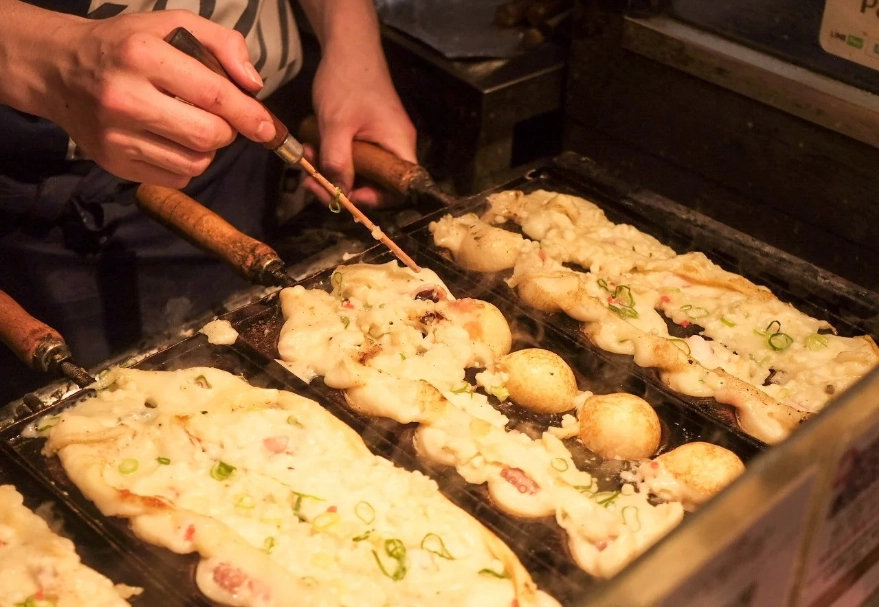
| Food Item | Average Price (Yen) | Notes & Strategy |
|---|---|---|
| Takoyaki (6-8 pieces) | 500 - 800 | Perfect for sharing between 2 people. A single order is often enough for a light snack. |
| Okonomiyaki (1 portion) | 1,000 - 1,800 | This is a meal. Share one if you want to save stomach space for other things. |
| Kushikatsu (per skewer) | 150 - 300 | 3-5 skewers per person is usually satisfying. Adds up quickly! |
| Ikayaki (1 whole squid) | 700 - 1,200 | A hefty snack. Often torn into pieces for easy sharing. |
| Taiyaki or Melon Pan | 200 - 400 | Affordable sweet treat. Great for a quick bite. |
| Drink (vending machine can) | 120 - 200 | Always have coins for water or tea. It helps balance the salty food. |
My personal strategy?
I budget about 3,000 to 4,000 yen for a serious Dotonbori grazing session. That lets me share a few different things with a friend, try something new, and not feel like I've missed out. Going solo, you might spend 2,000 yen and be completely stuffed. Remember, cash is king at 95% of these stalls. Very few take cards, and mobile pay is still hit or miss.
How to Actually Do Dotonbori Like a Pro (Not a Lost Tourist)
Okay, you know what to eat. How do you navigate the circus? A few hard-earned lessons.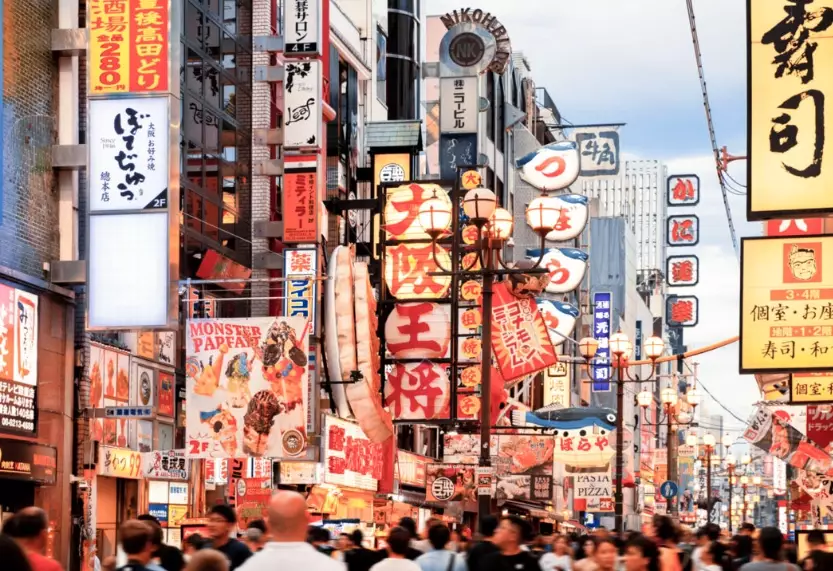
Timing is Everything. Go hungry, but not at the peak Japanese dinner time (7-8 PM). The main drag gets shoulder-to-shoulder. I prefer a late afternoon start, around 4 PM. The stalls are all open, the lights are starting to come on, and the crowds are manageable. Another great time is after 9 PM; it's still lively, but the families have thinned out.
The Line Paradox. A long line usually means good food. But it also means a long wait. Sometimes, the second or third-best stall in the area, with no line, offers 90% of the taste for 10% of the wait. Use your judgement. If a line is moving fast (like for pre-made takoyaki), it might be worth it. If it's a sit-down okonomiyaki place with a 45-minute wait, ask yourself if you're that committed.
Where to Eat? Most street food is meant to be eaten standing right there. You'll see little ledges or counters. Some shops have tiny standing areas. Embrace it. Part of the Osaka street food Dotonbori vibe is eating on your feet, people-watching. If you need a sit-down break, head to one of the riverfront steps (they get crowded) or duck into a side alley where it's quieter.
Trash Disposal. This is a big one. Japan has very few public trash bins. You are expected to carry your trash. The stall will give you a small bag or tray. When you're done, look for a bin near a convenience store (like Lawson or 7-Eleven) – they often have bins for customers. Please don't just leave your sticks and wrappers on the street.
Answers to the Questions You're Probably Googling
Let's tackle some specific things people worry about.
Is Dotonbori street food safe to eat?
In my experience, extremely. Food hygiene standards in Japan are very high. The stalls might look chaotic, but they are clean. Ingredients turn over incredibly fast because they're selling so much. I've never gotten sick, and I have a pretty sensitive stomach. Just use common sense – if something looks like it's been sitting for hours, maybe skip it.
What about dietary restrictions?
This is the tough part. A lot of Osaka street food contains wheat (batter), seafood (dashi stock, bonito), and egg. Gluten-free or vegan options are very rare in this specific street food context. Takoyaki sauce usually contains wheat. The frying oil is often shared. If you have serious restrictions, your best bet is researching specific restaurants beforehand rather than relying on street stalls. For vegetarians, options like cheese *kushikatsu*, *taiyaki*, or *melon pan* are safer, but you must confirm no fish-based dashi is used in batters or sauces.
How does Dotonbori compare to other food areas like Shinsekai or Kuromon Ichiba?
Great question. Dotonbori is the spectacle – it's about the energy, the neon, and the iconic dishes. Shinsekai, a 15-minute walk south, is grittier, older, and the true home of kushikatsu. It feels more local and has a great retro vibe. Kuromon Ichiba ("Kuromon Market") is more of a covered market selling fresh seafood, produce, and prepared food. It's fantastic for high-quality sashimi, grilled scallops, and crab legs, but it feels less like a "street food carnival" and more like a gourmet market. They complement each other perfectly. For the full Osaka street food Dotonbori experience, you want the main event, but a trip to Shinsekai for kushikatsu is highly recommended.
Is it worth going on a guided food tour?
For first-timers, absolutely yes. A good guide will take you to hidden spots, explain the history, help you order, and navigate the rules (like the no-double-dipping!). It takes the stress out of decision-making. After you've done a tour once, you'll feel much more confident exploring on your own. It's an investment that pays off in better food and less confusion. The official Osaka Tourist Information website sometimes lists reputable tour operators, which is a good place to start your research.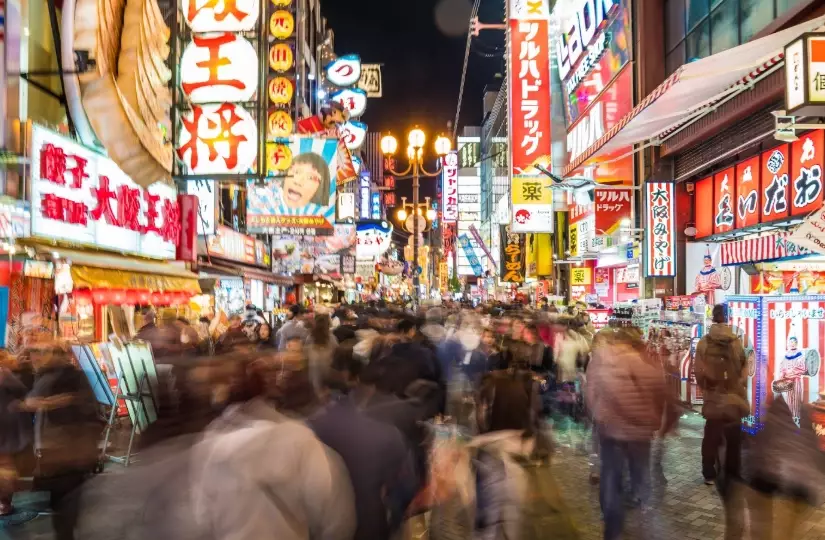
The Final Bite: Making It Your Own
Look, guides like this (including mine) can only tell you so much. The real joy of exploring Osaka street food in Dotonbori is in the discovery. That stall you stumbled upon because you got turned around. The weird-looking thing you tried on a dare that turned out to be amazing. The friendly local who saw you looking confused and recommended their favorite spot.
My biggest piece of advice? Don't try to optimize the fun out of it. You don't have to hit every "Top 10" list. Pick two or three classics you're dying to try, then let your nose and curiosity guide you for the rest. Bring cash, bring an appetite, and bring a sense of adventure. And maybe some stomach medicine, just in case. You're going to have a blast.
Dotonbori isn't just a place to eat; it's a place to feel alive, a little overwhelmed, and completely connected to Osaka's passionate, delicious heart. Now go get lost. And then found again, by something delicious.


Share Your Thoughts