Let's cut to the chase. Is Japan good for solo travelling? In my experience, after multiple trips on my own, it's not just good—it's one of the best destinations on the planet for it. The combination of safety, efficiency, and a culture that subtly caters to individuals creates a uniquely smooth experience. But it's not a flawless paradise. There are specific challenges and nuances that, if you're unprepared for, can turn a dream trip into a frustrating one. This isn't a fluffy list of top temples; it's a practical guide from someone who's navigated the solo travel Japan scene, made the mistakes, and found the hidden gems that make it all worthwhile.
What's Inside This Guide?
Why Japan is a Solo Traveller's Dream (Mostly)
You don't feel like a weirdo here. In many Western countries, dining alone can draw pitying glances. In Japan, it's completely normal. The infrastructure is built for it.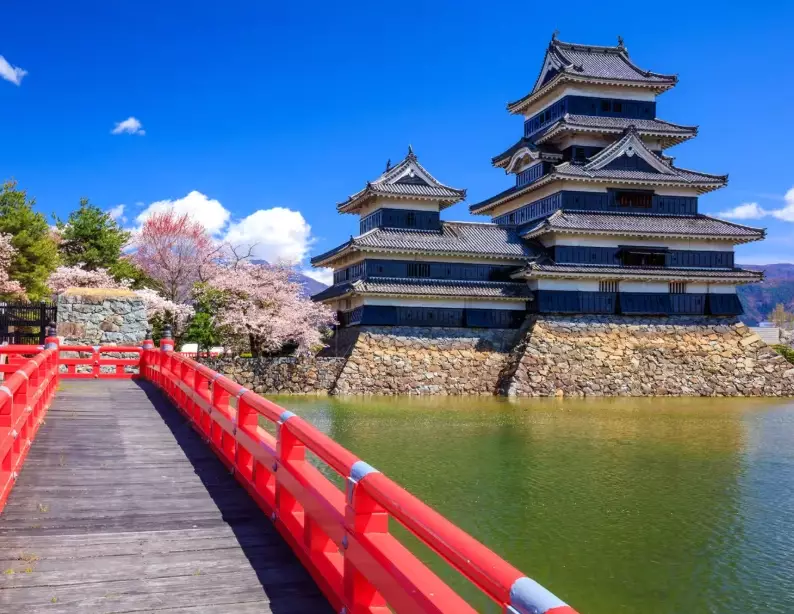
Safety is the biggest draw. According to the Numbeo Crime Index, Japanese cities consistently rank among the safest in the world. I've walked home at 2 AM in Tokyo neighborhoods feeling safer than I do in my hometown at noon. You can leave your phone on a cafe table to claim your spot, and it'll be there when you get back. This psychological comfort is priceless when you're alone.
The convenience ecosystem is unreal. From vending machines selling everything from hot coffee to umbrellas, to 24-hour convenience stores (konbini) like 7-Eleven and FamilyMart that are lifelines for meals, cash, and supplies. Need a cheap, filling breakfast? Grab an onigiri (rice ball) and a coffee for under 300 yen.
Solo-friendly accommodation is everywhere. Beyond hostels, Japan has perfected the art of solo lodging.
- Capsule Hotels: Like the famous Nine Hours chain. A capsule in Shinjuku costs around 4,500-6,000 JPY per night. It's clean, futuristic, and you get a locker. Not for the claustrophobic, but a quintessential experience.
- Business Hotels: Chains like Toyoko Inn or Dormy Inn. Small, no-frills rooms with private bathrooms. A single room typically runs 6,000-9,000 JPY. The Dormy Inn chain often includes a free onsen (hot spring bath) and late-night ramen—perfect after a long day of exploring.
Dining alone is a non-issue. Look for places with counter seating: ramen shops, sushi trains (kaiten-zushi), yakitori bars. At Ichiran Ramen, a famous chain, you order from a vending machine and eat in a individual booth designed for zero social interaction. It's glorious. For a more social meal, try a standing bar (tachinomi) in Osaka's Dotonbori or Tokyo's Shinjuku.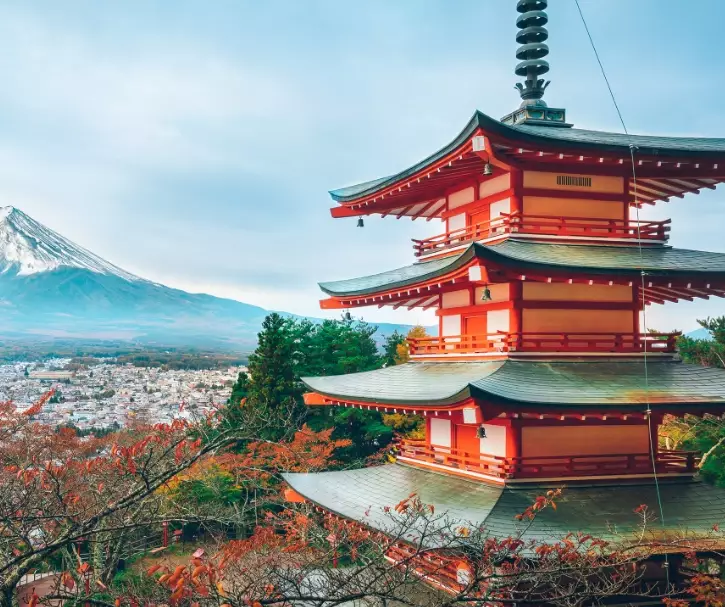
The Real Challenges & How to Beat Them
It's not all cherry blossoms and perfect sushi. Solo travel here has its unique friction points.
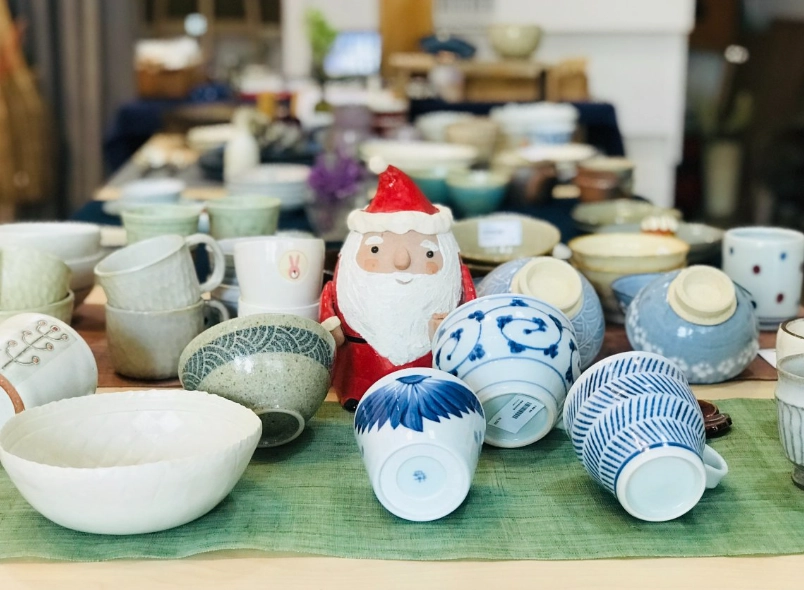
The Loneliness Factor. Japan can feel transactional. Service is impeccable but not always warm in a chatty way. After days of minimal conversation, you might crave interaction. Solution: Book a few guided experiences. A street food tour in Osaka, a bar-hopping tour in Shinjuku's Golden Gai, or a pottery class in Kyoto. Websites like Airbnb Experiences or local tour companies are great for this. Staying in social hostels (like the Khaosan chain) can also help.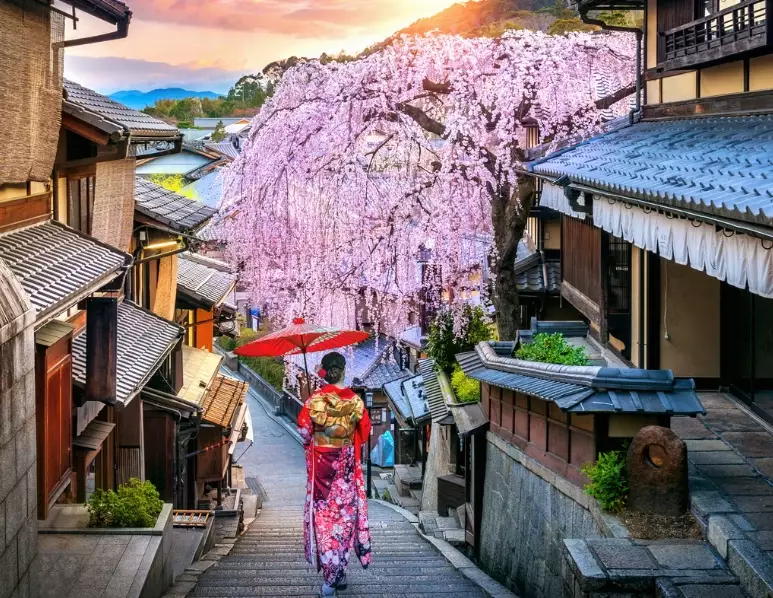
The "Table for Two" Conundrum. Some higher-end restaurants, especially kaiseki (multi-course) places or popular izakayas, genuinely prefer or require two-person bookings. It can be frustrating. Solution: Go for lunch. Many top restaurants offer exquisite, affordable lunch sets where the solo diner barrier is lower. Or, use your hotel concierge—they can often secure a solo reservation you couldn't get on your own.
Navigational Overload. Tokyo Station is a labyrinth. Google Maps is essential, but even it stumbles with multiple subway exits. Solution: Accept you will get lost. See it as discovery. Look for station maps (usually near exits) and remember landmarks. Pro tip: In massive stations like Shinjuku, follow the color-coded lines on the floor for specific train lines.
Best Destinations for Solo Travellers in Japan
Not all cities are created equal for the solo experience. Here’s a breakdown.
| Destination | Why It's Great Solo | Solo Vibe & Must-Do | Budget Accommodation Pick |
|---|---|---|---|
| Tokyo | Endless neighborhoods, flawless public transport, 24/7 energy. You can be anonymous or social. | Get lost in Shimokitazawa's vintage shops. People-watch in Yoyogi Park. Bar-hop in Golden Gai (tiny bars, easy to chat). | Book and Bed Tokyo Shinjuku: A hostel in a bookstore. Capsule from ~3,500 JPY. Unique and central. |
| Kyoto | Slower pace, walkable districts, spiritual sites perfect for contemplation. | Rent a bike. Visit Fushimi Inari Shrine early (opens 24/7, go by 7 AM to avoid crowds). Wander the Philosopher's Path. | Piece Hostel Sanjo: Stylish, social, with a great shared kitchen. Dorm from ~3,000 JPY. |
| Osaka | Friendly, outgoing locals (compared to Tokyo), incredible street food, more affordable. | Eat your way through Dotonbori. Laugh at yourself in the crazy photo booths (purikura). Visit Shinsekai district. | Hotel Sanrindo Osaka: Simple business hotel near Namba. Single room from ~5,500 JPY. |
| Hokkaido (Sapporo/Otaru) | Wide-open spaces, stunning nature, fantastic seafood. Less crowded. | Day trip to Otaru Canal. Eat a king crab leg at Nijo Market. In winter, hit the Sapporo Snow Festival. | Sapporo Inn Aspen: No-fuss hotel near Susukino. Single from ~6,000 JPY. |
A Sample 5-Day Solo Itinerary: Tokyo & Kyoto
Here’s a balanced, actionable plan mixing iconic sights with solo-friendly exploration.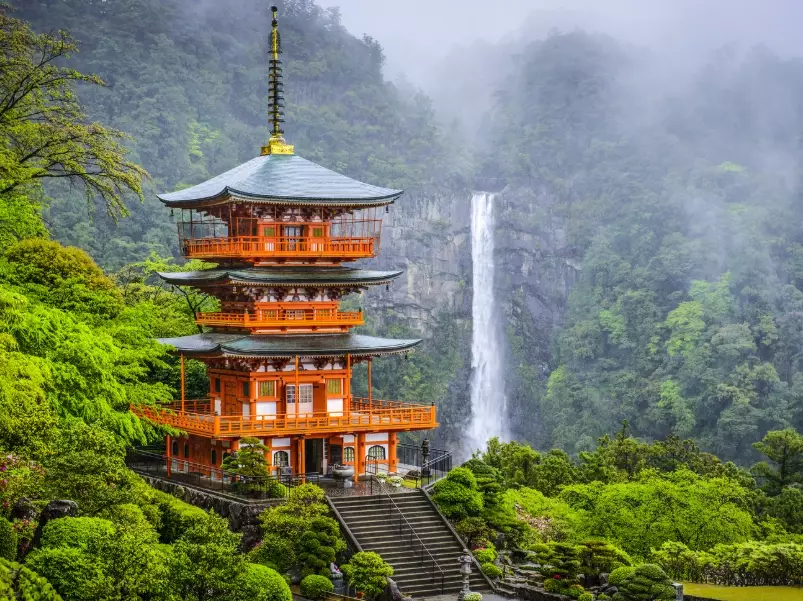
Day 1-2: Tokyo – The Neon & The Traditional
Morning (Day 1): Drop bags at your accommodation. Head to Senso-ji Temple, Asakusa. Arrive early (by 8:30 AM) to beat the tour groups. Wander Nakamise-dori street for snacks.
Afternoon: Take the Ginza Line to Shimbashi. Walk to the teamLab Planets TOYOSU digital art museum (book tickets weeks in advance online). It's an immersive, personal experience.
Evening: Head to Shibuya. Experience the scramble crossing. For dinner, find a standing soba noodle shop or hit Ichiran Ramen (24 hours).
Morning (Day 2): Tsukiji Outer Market. Skip the expensive sushi breakfasts; graze on tamagoyaki (sweet omelette), fresh oysters, and strawberries.
Afternoon: Train to Harajuku. Walk down Takeshita Street (it's crowded and kitschy, but you have to see it). Escape to the serene Meiji Jingu Shrine right next door.
Evening: Explore Shinjuku. See the view from the free Tokyo Metropolitan Government Building observatory. For a drink, brave the tiny bars of Golden Gai—Oath Bar is foreigner-friendly.
Day 3-5: Kyoto – Temples & Alleyways
Day 3: Take the Shinkansen (bullet train) to Kyoto. Store bags at station. Fushimi Inari Shrine. Hike past the initial crowded torii gates for quieter paths and better views. Lunch at a street food stall.
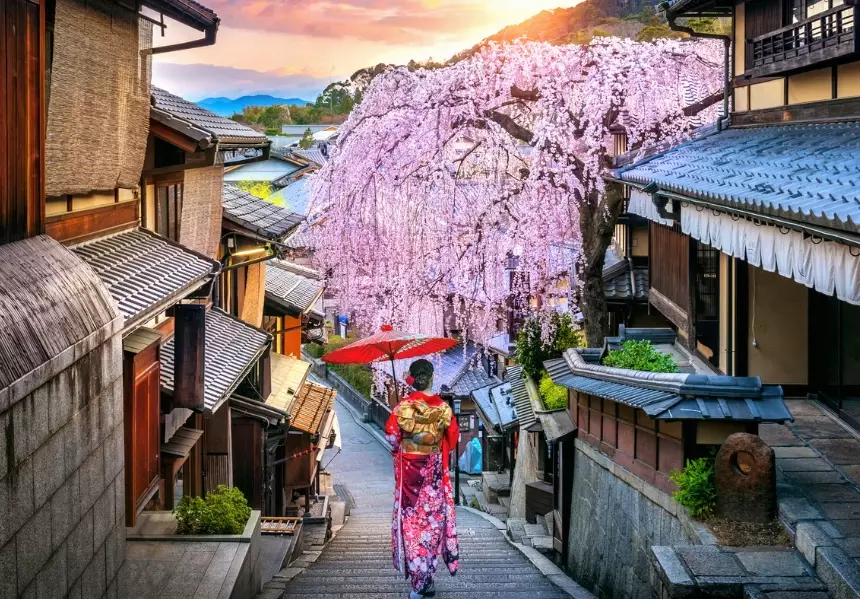
Check into accommodation. Evening stroll in Gion. You likely won't see a geisha, but the old wooden machiya houses are magical at dusk.
Day 4: Arashiyama Bamboo Grove. Go by 7:30 AM. It's still peaceful then. Afterwards, visit the nearby Okochi Sanso Villa (1,000 JPY) for stunning garden views without the crowds.
Afternoon: Rent a bike near your hotel (~1,000 JPY/day). Cycle along the Kamo River to Demachiyanagi area. Explore the Shimogamo Jinja shrine.
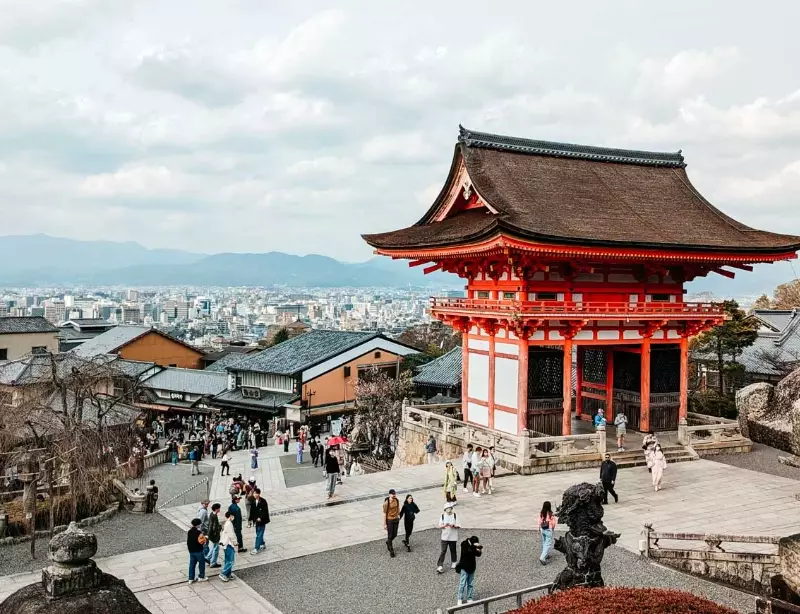
Day 5: Kiyomizu-dera Temple (opens 6 AM, 400 JPY). Go early. Walk down the historic Sannenzaka & Ninenzaka slopes. Buy some yatsuhashi (cinnamon sweets) for the trip home.
Final Meal: Try Katsukura in the Kyoto Station building for a superb tonkatsu (fried pork cutlet) set meal, perfect for solo diners.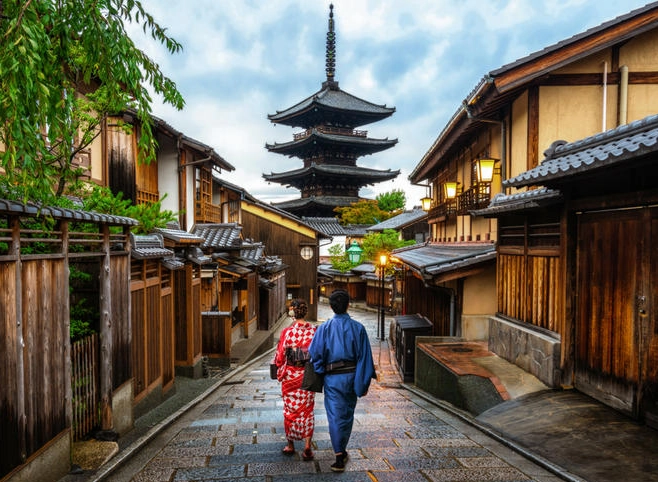
Practical Solo Travel Tips: Budget, Transport & Etiquette
Budget Realities: Japan isn't as expensive as its reputation, but costs add up. A mid-range solo daily budget is 15,000-20,000 JPY. Major costs: Accommodation (5,000-10,000 JPY), Food (3,000-5,000 JPY), Transport (1,500-3,000 JPY local, more for Shinkansen). The Japan Rail Pass is a big upfront cost. Use the Japan-Guide Rail Pass Calculator to see if your inter-city travel justifies it. For city travel, get a Suica or Pasmo rechargeable IC card immediately at the airport.
Solo Dining Hacks: Look for restaurants with ticket-vending machines outside. No language needed—just point, pay, hand the ticket to the staff. Conveyor belt sushi (like Sushiro or Kura Sushi) is cheap, fun, and solo-perfect. Don't ignore department store basements (depachika) for incredible prepared food for a picnic.
Essential Apps: Google Maps (for trains, walking), Google Translate (use the camera function on menus), Japan Travel by Navitime (for complex train routing).
A Cultural Note on Etiquette: Being quiet on trains, not eating while walking, and orderly queuing are important. But as a foreigner, you're given a lot of leeway. The most important thing is to be respectful and try. A simple bow and "sumimasen" (excuse me/sorry) goes a very long way when you make a mistake.
Your Solo Travel Japan Questions Answered
So, is Japan good for solo travelling? The answer is a resounding yes, with some preparation. It offers a unique blend of safety, fascination, and logistical ease that empowers you to have an adventure entirely on your own terms. Embrace the efficiency, respect the culture, and don't be afraid to get a little lost. Your own perfect Japanese journey is waiting.
Share Your Thoughts