Let's clear something up right away. When you search for "Japan onsen mixed gender," you're not just looking for a bath. You're digging into a slice of Japanese history that makes most modern travelers pause. I remember my first time walking into a konyoku (混浴), the traditional term for a mixed-gender bath. My heart was pounding. Everything I'd read online made it sound either terrifying or vaguely scandalous. The reality was utterly different—quiet, ritualistic, and focused on the water and the mountain view, not the people sharing it. That disconnect between expectation and experience is what most guides miss.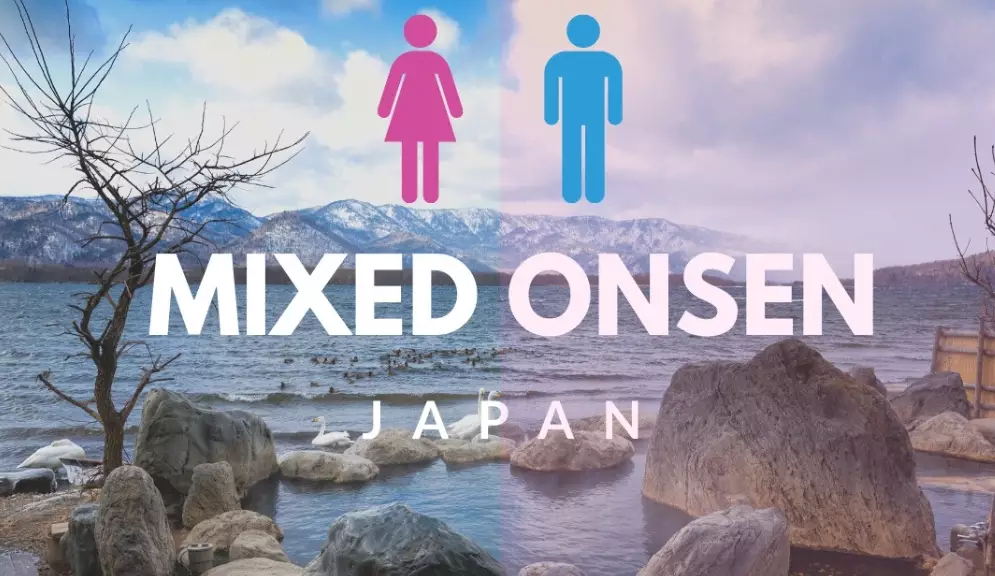
What You'll Find in This Guide
What is Konyoku? It's Not What You Think
Konyoku isn't a modern tourist attraction. For centuries, it was simply how people bathed. Communities shared the limited hot spring sources, viewing the act as medicinal and social, stripped of the sexual connotations Western cultures often project onto nudity. The practice declined rapidly in the 20th century, influenced by Western norms and regulations. Today, genuine mixed bathing onsen are rare, accounting for maybe 1-2% of all onsens. They're protected cultural artifacts, often found in remote villages where the tradition never died.
Here's the critical nuance most bloggers get wrong: the atmosphere is not a free-for-all. It's often more formal and rule-bound than single-gender baths. People go there for the quality of the water, the stunning natural setting (think forest waterfalls or rocky coastlines), and the connection to tradition. The social contract is based on mutual disregard—you actively avoid staring, keep conversation to a minimum with your companions, and focus on the soak.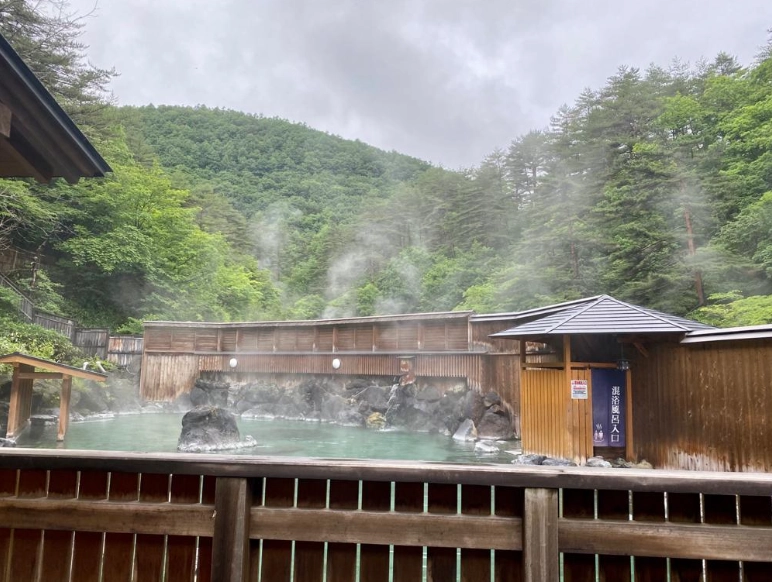
A Quick Reality Check: If you're imagining a trendy, social spa scene, you'll be disappointed. The classic konyoku experience is rustic. The baths might be simple stone pools, the changing areas basic. The charm is in the authenticity and the rawness of the location.
The Unspoken Rules of Mixed Onsen Etiquette
Standard onsen rules apply doubly here. But beyond washing thoroughly, here are the subtle points that mark a respectful visitor from an oblivious one.
Your Entry Strategy Matters
Don't just charge in. Pause at the entrance. Is it busy? Are there separate doors? Sometimes there's a single entrance that splits inside. Observe for 30 seconds. When you enter, use the small towel (the tenugui) modestly, but know everyone expects you to place it on your head or on the rocks once you're in the water. Clutching it nervously in the bath is a dead giveaway you're new.
Where and How to Sit
Choose a spot that doesn't force you to face a large group directly. The edges are good. Enter the water slowly and quietly—no big splashes. Once seated, that's your spot. Don't swim around or move between pools frequently. It draws attention. Keep your gaze at the water level, the rocks, or the horizon.
Conversation with your own group should be in hushed tones. Talking loudly, especially in a foreign language, breaks the communal silence and will earn you glares. This isn't a pool party.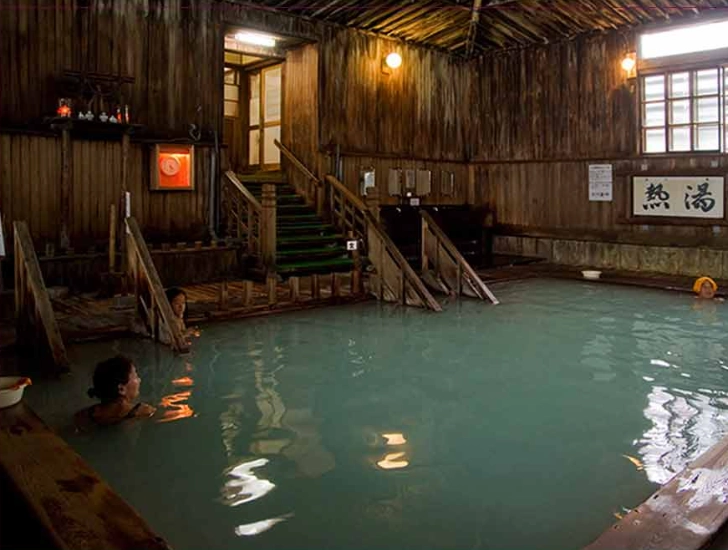
The Biggest Misconception: The "Modesty Towel"
Many websites obsess over this. In true traditional konyoku, you do not enter the water with the towel covering you. You use it to dry off after washing, then you carry it in. You can place it on your head while soaking or leave it on the side. Some modern places catering to tourists might provide or allow special "modesty shorts" for men and wrap-around towels for women, but this is a compromise, not the tradition. Always check the specific rules posted at the bath.
Where to Find Authentic Mixed-Gender Onsen Today
Forget Tokyo and Osaka. You need to head to the mountains or the remote coasts. Here are a few specific, reputable locations where the tradition is alive. I've visited the first two myself.
| Onsen Name & Region | What Makes It Special | Practical Details (Fees, Access) | Good to Know |
|---|---|---|---|
| Sukayu Onsen (Aomori) | Famous "1000-person bath" (Sennin-buro), a massive ancient cypress hall. Historic, medicinal waters. | Entrance: ~¥1,000. Access: 1hr bus from Aomori Station. Stay at the attached ryokan for 24hr bath access. | Very traditional. Bathers use small towels. The sheer size and history make it feel less intimidating. |
| Takaragawa Onsen (Gunma) | Stunning outdoor riverside baths with mountain views. Multiple large rotenburo (outdoor baths). | Day trip fee: ~¥1,500. Access: ~1.5hr bus from Minakami Station. Towel rental available. | Provides modesty towels for women upon request. One of the most scenic and visitor-friendly konyoku. |
| Yunokawa Onsen (Shizuoka) (Specifically, certain ryokan like Izu Inn) |
Cliffside baths overlooking the Pacific Ocean. Dramatic, powerful setting. | Usually requires staying at the ryokan. Access: Train to Ito Station, then taxi/bus. | Often divided into morning/afternoon shifts for men/women, with a few mixed hours. Check schedules carefully. |
| Shima Onsen (Gunma) (Kyukamura Shirakaba) |
Secluded forest setting. A quieter, less-known alternative to Takaragawa. | Day use often available for ~¥1,000. Access: Complex, involves train/bus/taxi from Tokyo (~3hrs). | Very local feel. Facilities are basic but the natural atmosphere is pristine. |
A note on "resort-style" mixed baths: Places like KAI Alps or some Hoshino Resorts offer beautiful mixed-gender baths... but require you to wear provided swimwear. These are wonderful, relaxing experiences, but they are a modern reinterpretation. They lack the cultural weight and specific etiquette of true konyoku. Decide which experience you're after.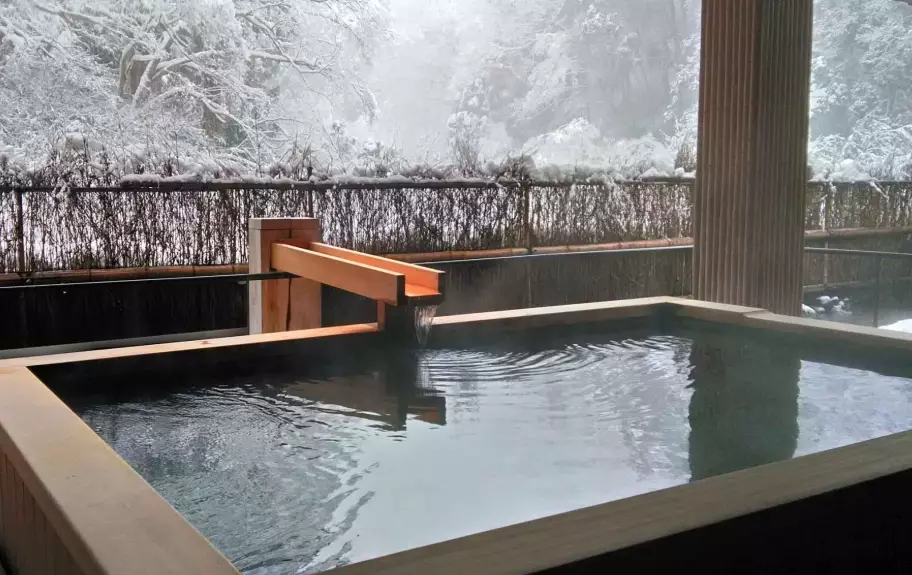
Your Top Questions, Honestly Answered
Is it safe for a solo female traveler to visit a mixed-gender onsen in Japan?
What is the single biggest mistake foreigners make in a konyoku?
Are there any mixed onsen near Tokyo or Kyoto?
Do modern 'mixed' onsens with swimsuits count as real konyoku?
Ultimately, visiting a mixed-gender onsen is less about confronting nudity and more about participating in a fading cultural ritual. It demands respect, observation, and a willingness to step outside your comfort zone. Do your homework, choose your location wisely (I'd personally recommend Takaragawa for a first-timer), and focus on the mineral-rich water and the landscape. You might just find it's one of the most serene and authentic moments of your trip to Japan.

Share Your Thoughts