Hundreds of samurai stand poised on the field, their banners snapping in the wind. The tension is so thick you can feel it. This isn't a movie set—it's the annual Battle of Sekigahara Festival in Gifu Prefecture, where history doesn't just come alive, it charges at you. For anyone fascinated by feudal Japan, this isn't just another matsuri; it's a front-row seat to the battle that decided the nation's fate for 250 years.
Your Guide to This Page
What Exactly Is the Sekigahara Festival?
On October 21, 1600, the Eastern Army led by Tokugawa Ieyasu clashed with the Western Army of Ishida Mitsunari in the foggy plains of Sekigahara. By the end of the day, Tokugawa's victory paved the way for the Edo Period. The modern Battle of Sekigahara Festival is a massive, community-driven historical reenactment held every year on the weekend closest to that date. It's not a sterile performance for tourists. Local residents, history buffs, and martial arts groups from across Japan pour their hearts into portraying the daimyo (feudal lords) and their soldiers. The energy is raw and authentic.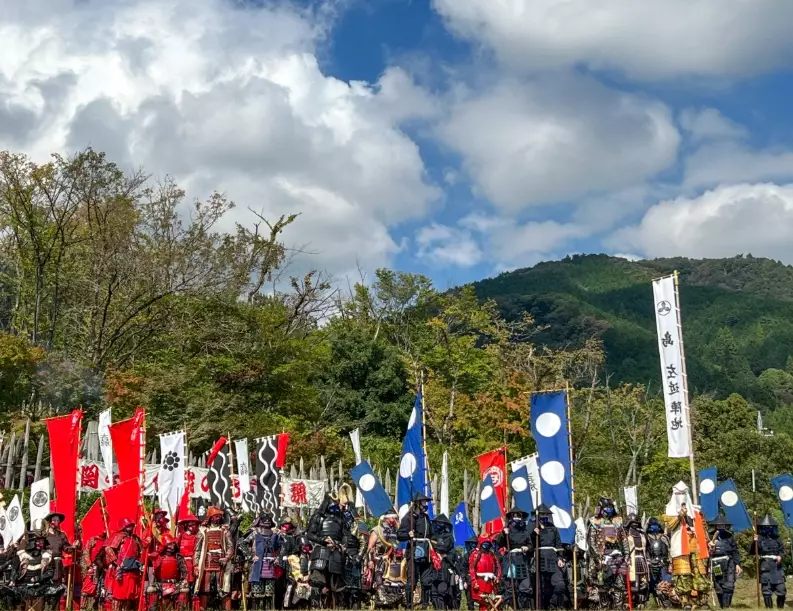
Many visitors make the mistake of thinking it's just a one-hour battle show. It's a full weekend immersion. Beyond the main reenactment, the festival includes a solemn warrior procession, night-time lantern events at historic sites, and hands-on activities. You're walking on the same ground where history turned. That feeling is unmatched.
The Main Event: Festival Highlights & Schedule
The festival typically runs over two days (Saturday and Sunday) in mid-October. Schedules can shift slightly yearly, so always check the official Sekigahara Town website for the final timetable. Here’s what you can generally expect:
| Time | Event | Location & Notes |
|---|---|---|
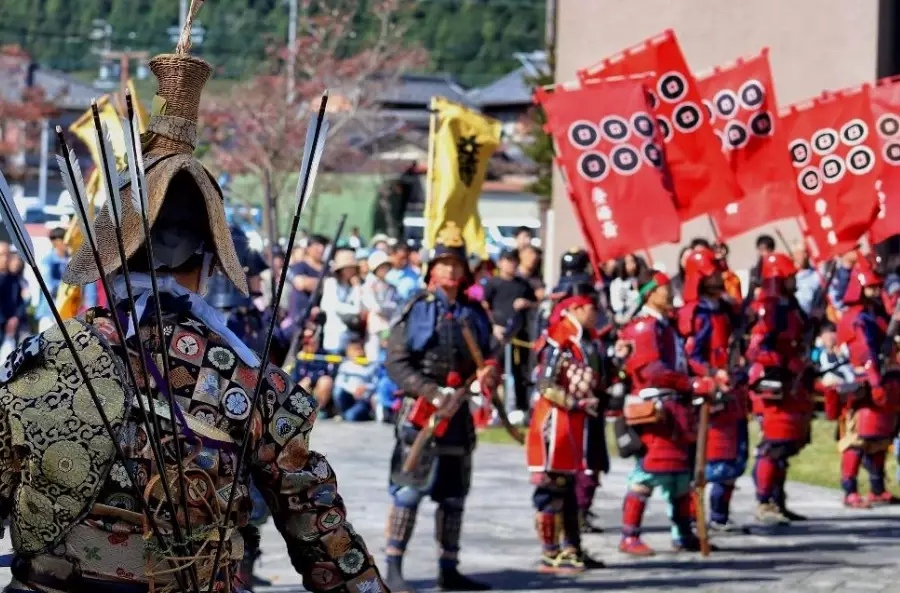
| Day 1 (Sat) Morning | Opening Ceremony & Samurai Procession | Sekigahara Battlefield Memorial Hall area. Hundreds of participants in full armor march through the town to the main field. The photo opportunities are incredible. |
| Day 1 (Sat) Afternoon | The Grand Battle Reenactment | Sekigahara Battlefield (Reenactment Field). The core event. Lasts about 90 minutes. It's loud, chaotic, and spectacular. They simulate cavalry charges, arquebus volleys, and famous duels. |
| Day 1 (Sat) Evening | Chochin (Lantern) Illumination | Around Sekigahara Station and historic markers. A peaceful, atmospheric contrast to the day's chaos. Great for reflective photos. |
| Day 2 (Sun) | Secondary Battle Demonstrations & Cultural Activities | Various smaller fields. Often includes more detailed tactical demonstrations, samurai armor try-on sessions, and local goods markets. Less crowded than Saturday. |
Ticket Info: Access to the festival grounds and most peripheral events is free. Yes, free. The only paid section is the designated seating area for the Grand Battle Reenactment. Reserved seats (usually around 2,000-3,000 yen) go on sale months in advance and sell out quickly. The vast majority of viewers stand on the surrounding slopes, which offer a fine, elevated view for free. Arrive early to claim a good spot.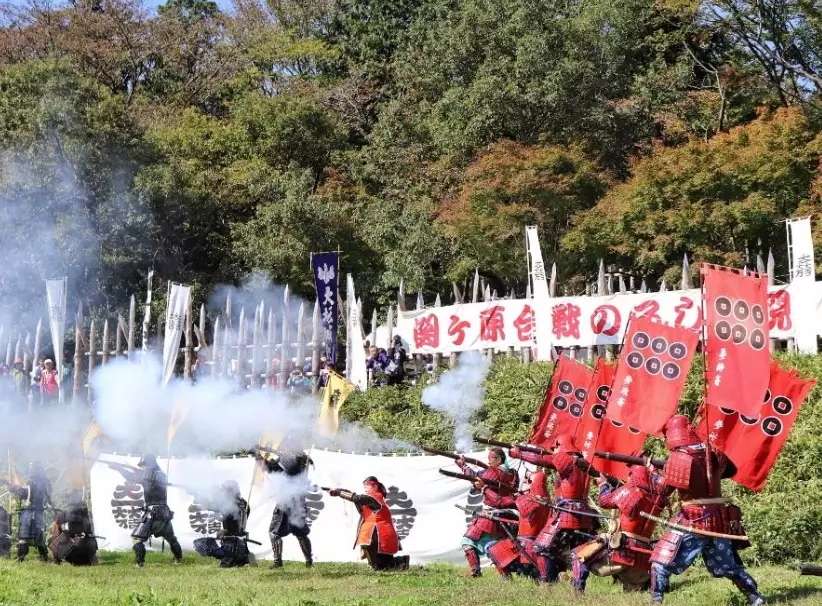
Beyond the Battle: Key Sites to Visit
Don't just come for the show and leave. Sekigahara is an open-air museum. Spend time at these spots:
- Sekigahara Battlefield Memorial Museum: The best place to understand the battle's complexities. Good English signage. Address: 894-28 Sekigahara, Sekigahara-cho, Fuwa-gun, Gifu.
- Mt. Sasao Observatory: The panoramic view of the entire battlefield is essential. You'll see why the terrain was crucial. A shuttle bus usually runs from the station during the festival.
- Daimyo Banner Posts: Scattered across the field are stone markers showing where each lord's army stood. Finding your favorite clan's spot (like the Shimazu or the Ukita) is a fun treasure hunt.
How to Get to the Battle of Sekigahara Festival
Sekigahara is a small town, but it's well-connected by rail. The biggest mistake is assuming you can wing it on the day. Trains get packed.
The Main Gateway: Sekigahara Station (関ケ原駅) on the JR Tokaido Main Line. It's your launchpad.
- From Nagoya: Take the JR Tokaido Line limited express towards Maibara. The ride takes about 45-50 minutes. This is the most common route.
- From Kyoto/Osaka: Take the JR Tokaido Line limited express (e.g., the "Biwako Express") heading towards Nagoya. Get off at Sekigahara. About 60-70 minutes from Kyoto.
- From Tokyo: Take the Tokaido Shinkansen to Nagoya (about 100 minutes), then transfer to the local JR line as above.
On festival days, extra local trains are added, but they are still standing-room only. Buy your round-trip tickets in Nagoya or Kyoto before you board to avoid huge lines at Sekigahara's small station on your return.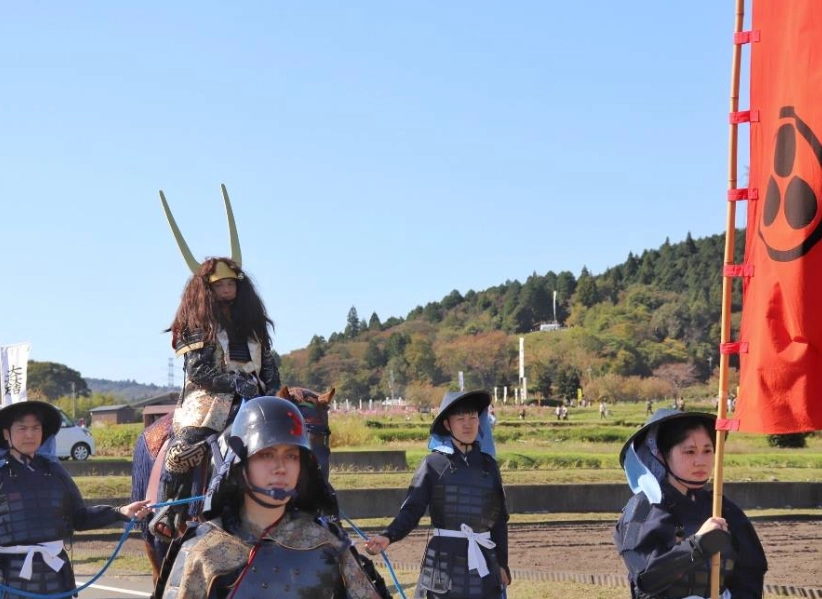
Car Travel Warning: Driving is not recommended for first-time visitors. Parking is extremely limited and reserved for locals and pre-registered buses. Roads are closed around the battlefield. Stick to the train.
From Sekigahara Station, it's a 20-25 minute walk to the main reenactment field. Clear signage (in Japanese and English) and a stream of fellow visitors will guide you. Free shuttle buses also operate between key sites during the event.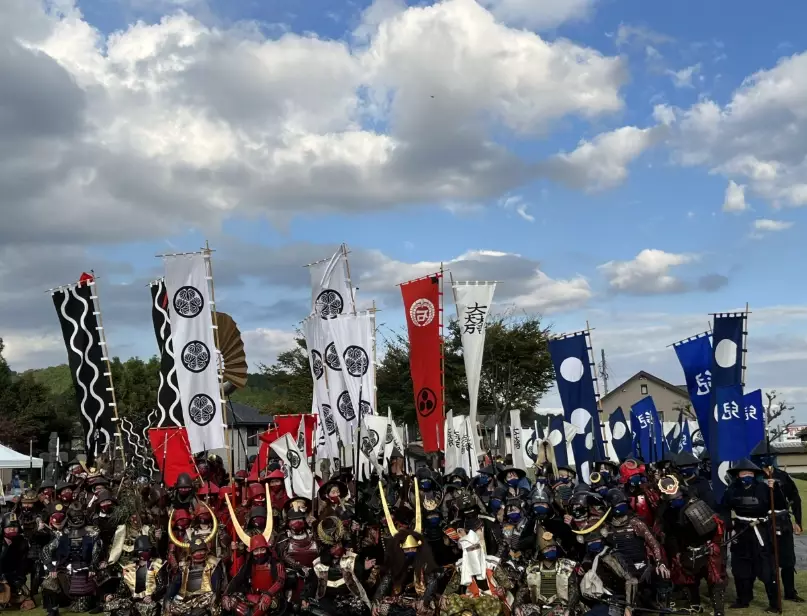
Where to Stay and Eat in Sekigahara
This is the biggest logistical hurdle. Sekigahara itself has very few hotels. Most visitors stay in neighboring cities. Book accommodations at least 3-4 months in advance.
Accommodation Strategy
Option 1: Stay in Ogaki (Recommended for Convenience)
Ogaki is the nearest city with a decent hotel selection (business hotels like Toyoko Inn, Dormy Inn). It's just one 10-minute train stop from Sekigahara on the local line. You have dining options for the evening and an easy commute.
Option 2: Stay in Nagoya or Maibara
Nagoya offers endless hotels but means a longer (45-50 min) train ride each way. Maibara is a smaller Shinkansen stop on the other side of Sekigahara, with a few hotels and a 15-minute train connection.
Option 3: Ryokan in Sekigahara
For the full experience, try to snag a room at one of the few local ryokan (like Sekigahara Ryokan). They book up a year in advance. If you get one, you're golden.
Food and Drink On-Site
The festival grounds are lined with yatai (food stalls). You'll find the classics: yakisoba, takoyaki, grilled chicken skewers (yakitori), and okonomiyaki. Local Gifu specialties like Hida beef skewers might appear. Prices are standard festival rates (500-1000 yen per item).
My advice? Bring a water bottle (there are refill stations) and some snacks. Lines for food can be long at peak times. Eat a big breakfast before you head out. There are also a couple of small restaurants near the station, like soba shops, but they will have queues.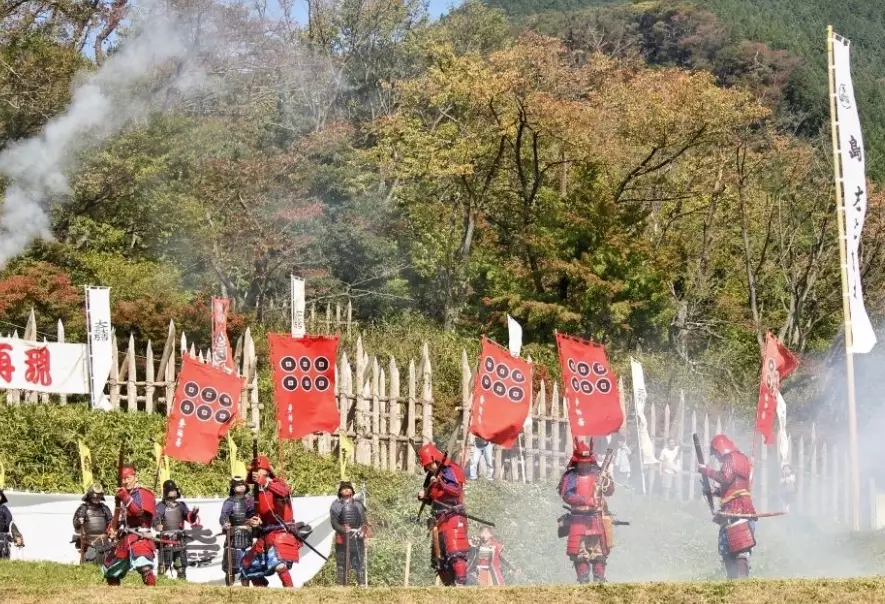
Pro Tips for the Best Festival Experience
After attending several times, here's what most guides won't tell you.
- Weather is Everything: October in Gifu can be surprisingly hot or chilly and rainy. The field is exposed. Pack layers, a wide-brimmed hat, sunscreen, and a compact rain poncho. Good, comfortable shoes are non-negotiable—you'll be on your feet on grassy, uneven ground for hours.
- Viewing Strategy: For the free viewing on the slopes, the west side (near the Mt. Sasao path) gets the morning sun at your back, making viewing and photography easier in the morning events. The main paid seating is on the south side.
- Photography: A zoom lens (70-200mm+) is king. The action is distant. Don't just film the whole battle—watch it with your eyes. The scale is part of the experience.
- Engage Gently: The participants are volunteers, not actors. After the battle, many will be near their clan banners, happy to take photos. A simple bow and "sumimasen" (excuse me) goes a long way. Don't touch armor or weapons without asking.
Your Sekigahara Festival Questions Answered
The Battle of Sekigahara Festival is more than an event; it's a pilgrimage for history lovers and a breathtaking spectacle for anyone. With some advance planning—especially for hotels and train seats—you're set for an unforgettable weekend. Remember your hat, your zoom lens, and your sense of wonder. See you on the battlefield.
Share Your Thoughts