Quick Navigation
- Why Bother? The Real Appeal of Anime Pilgrimage Sites
- Your Step-by-Step Guide to Planning the Pilgrimage
- Top Tier Anime Pilgrimage Sites You Should Seriously Consider
- Leveling Up: How to Go Beyond the Basic Photo Op
- Navigating the Challenges & Common Pitfalls
- Your Anime Pilgrimage Questions, Answered
- Final Thoughts: Making It Your Own
Let's be honest. You've watched that scene a hundred times. The way the light hits the staircase, the specific angle of the torii gate against the sky, the quiet backstreet where the main character had their moment of clarity. And then it hits you – that's a real place. I remember the first time it happened to me, watching Your Name. and realizing the stairs were an actual spot in Tokyo. The pull is magnetic. You don't just want to see it; you want to stand there, breathe the same air, and see if the magic translates off-screen. That pull, my friend, is what sends us on a quest to find anime pilgrimage sites.
So what exactly are we talking about? An anime pilgrimage site, or seichi junrei (聖地巡礼) as it's known in Japan, is the practice of visiting real-world locations that have been depicted in anime, manga, or related media. It's a booming niche of travel that blends fandom, cultural exploration, and sometimes, a surprising amount of physical effort. It's about tracing the footsteps of your favorite characters, from the bustling radwimps-scored streets of Your Name. to the serene, rural landscapes of Non Non Biyori.
Why do it? Well, it transforms a passive viewing experience into an active, participatory one. You're not just consuming art; you're engaging with its geographical and cultural roots. For local communities, it's been a lifeline, bringing tourism and economic vitality to towns and cities you might never have heard of otherwise. Win-win, right? But planning a trip like this isn't as simple as booking a flight to Tokyo. There's research, logistics, and a bit of detective work involved. Let's break it all down.
Why Bother? The Real Appeal of Anime Pilgrimage Sites
I get it. To someone who doesn't watch anime, it might seem like an eccentric hobby. But the appeal runs deep, and it's not just for hardcore otaku anymore.
First, it adds an incredible layer of depth to your viewing. Once you've seen the real-life version, you watch the anime with new eyes. You notice the animator's choices – what they emphasized, what they slightly altered, the time of day they chose to depict. You appreciate the craft on a whole other level.
Second, it gets you off the beaten path. Forget just hitting Akihabara and Shibuya Crossing. Anime pilgrimage sites will take you to the mountains of Gifu, the coastal towns of Ishikawa, or the sleepy inaka (countryside) villages that represent the soul of Japan. You see a side of the country most tourists completely miss.
And then there's the community.
You'll meet other fans at these spots. A nod over a shared map, a quick chat about your favorite scene – it's an instant connection. I've had some of my best travel conversations with complete strangers while hunting for a specific angle from Lucky Star.
Your Step-by-Step Guide to Planning the Pilgrimage
Jumping in without a plan is a surefire way to get lost, both literally and figuratively. Here's how to build your own anime pilgrimage tour.
Phase 1: The Research Deep Dive
Start with your anime. Which show or movie speaks to you? Is it the urban realism of Durarara!! in Ikebukuro, or the pastoral beauty of Yuru Camp around Mount Fuji? Once you've picked your media, the hunt begins.
Key Resources:
- Official Sources: Always check first. Many anime production committees or local tourism boards create dedicated seichi junrei maps and guides. For example, the official website for the Yuru Camp anime has fantastic resources linking scenes to campsites. The Japan National Tourism Organization (JNTO) website sometimes features anime travel themes.
- Anime Pilgrimage Databases: Sites like Anime Tourism (run by the Anime Tourism Association) are goldmines. They curate locations from popular series.
- Fan Power: Don't underestimate blogs, YouTube vlogs, and threads on sites like Reddit (r/JapanTravel often has gems). Real people post photos, GPS coordinates, and brutally honest reviews. This is where you learn if that scenic overlook is a 2-hour hike or a 5-minute walk from the station.
Phase 2: Logistics & The Real-World Grind
This is where fantasy meets the train schedule. Japan's public transport is brilliant, but rural areas served by anime pilgrimage sites can have infrequent buses or require rental cars.
Accommodation near popular anime pilgrimage sites can book up, especially during events or seasons related to the show. Book early. And pack for the terrain – comfortable shoes are non-negotiable. You will be walking. A lot.
Phase 3: On the Ground – Etiquette & Execution
You're there. The moment of truth. Remember, you're a guest in these places, many of which are people's hometowns, sacred shrines, or private businesses.
- Be respectful and quiet. Don't block sidewalks or roads while trying to get the perfect photo. If it's a residential area, keep your voice down.
- Support the local economy. Buy the local specialty (meibutsu), eat at the cafe featured in the show, get the exclusive goshuin (shrine stamp) if available. This positive economic impact is why towns welcome pilgrims.
- Leave no trace. This should be obvious.
Top Tier Anime Pilgrimage Sites You Should Seriously Consider
Alright, let's get concrete. Here's a look at some of the most iconic and well-developed anime pilgrimage destinations. This isn't just a list; it's a breakdown of what makes each one special and what the vibe is really like.
| Anime / Film | Primary Real-World Location(s) | Type of Pilgrimage | Key Attraction & Pilgrimage Vibe |
|---|---|---|---|
| Your Name. (Kimi no Na wa.) | Hida-Furukawa (Gifu), Tokyo spots (Shibuya, Shinjuku) | Urban & Rural Mix | Extremely well-documented. The town of Hida-Furukawa embraces it fully with maps, signs, and souvenir stamps. The Tokyo locations are more about pinpoint accuracy in a bustling city. The Suga Shrine stairs in Shinjuku are almost always busy with fans. |
| Lucky Star | Washinomiya Shrine & surrounding area (Kuki, Saitama) | Shrine-Focused Community | The godfather of modern anime pilgrimage sites. It put the practice on the map. The shrine is deeply intertwined with the anime, selling exclusive charms and holding events. It's a pilgrimage with a strong, traditional core. |
| Girls und Panzer | Oarai (Ibaraki Prefecture) | Full-Town Immersion | The entire town of Oarai is themed around the show. You can ride tanks, eat tank-shaped food, and see landmarks everywhere. It's one of the most immersive and fun examples, where the line between town and anime blurs completely. |
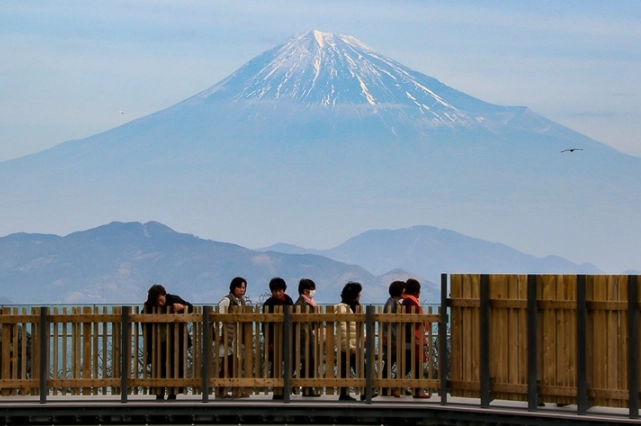
| Yuru Camp (Laid-Back Camp) | Various campsites around Lake Motosu & Fuji Five Lakes area (Yamanashi) | Outdoor Adventure | This is an active pilgrimage. You're encouraged to camp, cook, and enjoy the outdoors just like the characters. The locations are stunningly accurate, and the vibe is all about relaxation and nature. Perfect for a different kind of trip. |
| The Melancholy of Haruhi Suzumiya | Nishinomiya (Hyogo Prefecture), specifically Koyoen area | Nostalgic School & Urban | A classic. It focuses on school grounds, train stations, and parks. It's a walk through a very typical Japanese suburban landscape, made special by the show's iconic scenes. Great for fans who love the everyday aesthetics of anime. |
| Sound! Euphonium | Uji (Kyoto Prefecture) | Cultural City Exploration | Uji was already famous for its World Heritage Byodo-in Temple and tea. The anime layered a new narrative on top. You can visit the school原型, the riverside paths, and the bridge, blending classic tourism with fandom seamlessly. |
See what I mean? The experience varies wildly. A pilgrimage to Oarai is a loud, festive celebration of fandom. A pilgrimage to a Yuru Camp site is a quiet, personal communion with nature. Knowing which type you want is half the battle.
Leveling Up: How to Go Beyond the Basic Photo Op
Anyone can stand in a spot and take a screenshot-matching photo. But to really master the art of the anime pilgrimage, you need to dig deeper.
Collect the Physical Proof: Many locations offer goshuin (shrine stamps), special eki stamp (train station stamps), or pilot stamps (for aviation-themed shows). Get a dedicated stamp book. The act of collecting becomes a ritual and a unique souvenir. Some towns, like the one for Hibike! Euphonium, have official stamp rally sheets.
Eat the Anime Food: Did the characters eat a specific parfait at a cafe? Drink a certain brand of coffee from a vending machine? Recreate it. It's a surprisingly powerful sensory connection. I still remember the taste of the melon pan from a bakery featured in a show – it was just bread, but it felt significant.
Attend a Seichi Junrei Event: Check if the town has an annual festival or event themed around the anime. Voice actor appearances, special goods, night illuminations – these events are the pinnacle of the pilgrimage experience. The energy is electric.
Talk to Locals (Politely!): Shopkeepers near famous anime pilgrimage sites are often used to fans. A simple "I love the anime that was set here" can lead to wonderful conversations and insider tips. I once had a convenience store clerk point me to a minor background location I'd completely missed.
Navigating the Challenges & Common Pitfalls
It's not all perfect Instagram moments. Let's talk about the potential downsides so you're prepared.
Overtourism and Nuisance Behavior: Success can be a double-edged sword. Some residents of popular anime pilgrimage sites have complained about noise, litter, and fans trespassing on private property to get a shot. Always, always respect boundaries. If a sign says no entry, it means you.
The "It's Just a Ditch" Effect: Animation takes liberties. A beautifully drawn, moody canal in the anime might be a somewhat grimy drainage channel in real life. The art of the pilgrimage is often about finding the beauty in the mundane, but sometimes the mundane is just... mundane.
Changing Landscapes: Buildings get renovated, trees get cut down, shops close. The location you saw in a 10-year-old anime might not exist anymore. Always cross-reference with recent reports from other pilgrims.
Accessibility: Some of the best, most accurate views require hiking, cycling up steep hills, or navigating narrow country roads without sidewalks. Honestly assess your physical abilities and plan accordingly. Don't ruin your trip by overdoing it on day one.
Your Anime Pilgrimage Questions, Answered
I've gotten a ton of questions from readers over the years. Here are the big ones.
Do I need to speak Japanese to do an anime pilgrimage?
Not fluently, but basics help immensely. Knowing how to read station names, ask for directions, and say simple phrases like "sumimasen" (excuse me) and "arigatou gozaimasu" (thank you) goes a long way. Translation apps are lifesavers, especially for reading signs or menus at local eateries featured in shows. In major areas with lots of foreign pilgrims, you might find some English signage, but don't count on it in the countryside.
What's the best season to go?
This is crucial. Match the season in the anime, if you can. Visiting a location famous for its cherry blossoms in the anime during autumn will give you a completely different (though still possibly beautiful) experience. Winter pilgrimages can be magical but require serious preparation for snow and cold, especially in rural areas. Summer is hot and humid but great for festivals.
How do I find obscure or lesser-known anime pilgrimage sites?
This is where the real adventure begins. Dive into Japanese-language resources using the anime's original title. Look for blogs and videos tagged with "聖地巡礼" (seichi junrei). Sometimes, the most rewarding finds are for smaller, niche shows that haven't been over-documented in English. Part of the fun is being a detective.
Is it expensive?
It can be, depending on where you go. Transport is the main cost factor. Shinkansen and local trains add up, and renting a car for rural areas is another expense. Accommodation in small towns can be cheaper than major cities. The activities themselves (visiting shrines, eating local food) are usually quite reasonable. Budget for transport above all else.
Can I do this as a solo traveler?
Absolutely. In fact, I've done most of my pilgrimages solo. It allows you to move at your own pace, linger at a spot as long as you want, and be fully immersed in your own fandom bubble. It's a wonderfully personal experience. Just practice standard solo travel safety.
Final Thoughts: Making It Your Own
At the end of the day, an anime pilgrimage is what you make of it. It can be a checklist of photo ops, or it can be a profound way to connect with a story, a culture, and a landscape. The best advice I can give is to be flexible and observant. Some of my favorite memories aren't from perfectly matching a frame, but from the unexpected moments in between – the smell of the air, the taste of a local snack, the smile from an old shopkeeper who appreciated my effort to visit.
Start with one show you truly love. Research deeply. Plan practically. Travel respectfully. And then just go. Step into the screen, and see what you find on the other side. The world of anime pilgrimage sites is vast and waiting. Your favorite scene is out there, in three dimensions, just waiting for you to complete the circle.
Now, if you'll excuse me, I need to go check the train schedules to Yamanashi. I hear the view of Fuji from that one Yuru Camp spot is even better at dawn.

Share Your Thoughts