Forget everything you think you know about Japanese festivals. The Shingen-ko Festival in Kofu, Yamanashi, isn't just a parade. It's a full-scale, ground-shaking reenactment of Japan's most legendary samurai rivalry. Picture over a thousand armor-clad warriors marching in perfect formation, the thunderous beat of war drums, and the brilliant flash of banners against the backdrop of the Japanese Alps. I've been three times, and each visit peeled back another layer. Most guides tell you it's big. I'm here to tell you why it feels real, and how you can experience it without getting lost in the crowd.
Navigate Your Samurai Journey
What is the Shingen-ko Festival?
The festival honors Takeda Shingen, the 16th-century "Tiger of Kai," one of Japan's most brilliant military tacticians. His famous rivalry with Uesugi Kenshin (the "Dragon of Echigo") is the stuff of legend. The festival, started in 1959, is less about historical pageantry and more about communal pride. Locals—businessmen, students, shopkeepers—spend months training to become Shingen's army. That's the key difference. You're not watching actors; you're watching the people of Kofu become their history.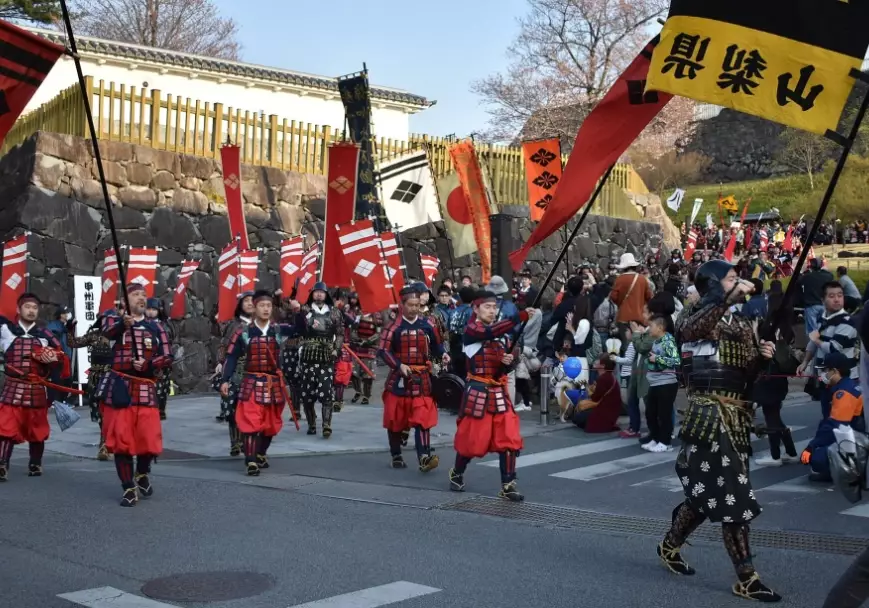
The main event is the Sunday Grand Parade, where the Takeda army and their rivals march from Kofu Station to the Takeda Shrine. But the magic starts on Saturday. The atmosphere builds with a solemn ceremony at the shrine, nighttime performances, and a palpable energy in the streets. A common mistake first-timers make is only coming for Sunday. You miss the soul of the event.
Festival Highlights & Schedule
The festival typically takes place on the first weekend of April. The schedule is packed, but three experiences stand out.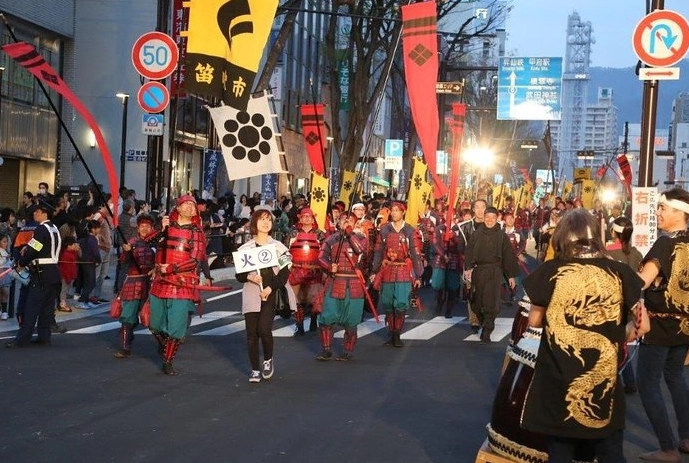
The Unmissable Sunday Grand Parade
This is what you see in the photos. Starting around 1:00 PM, the procession winds its way for about 1.5 kilometers. The highlight is the "Fury of the Takeda Cavalry" reenactment near the Kofu City Hall. Warriors on horseback charge, and the sound is incredible. Get a spot at least 90 minutes early along the main street (Chuo-dori) for a front-row view. Don't just watch the front. The discipline in the rear ranks is where you see the real dedication.
The Saturday Night Military Review (Gunshin Matsuri)
Held at the Kofu Comprehensive Grounds athletic field on Saturday evening, this is a tightly choreographed show of martial arts, flag signaling, and formation drills under the lights. It's more theatrical than the parade and tells a clearer story of Shingen's strategies. Tickets are required and often sell out. Check the official Kofu City website for advance sales.
Takeda Shrine Ceremonies
Before the noise, there is reverence. The opening ceremony at Takeda Shrine on Saturday morning is solemn and beautiful. It's a chance to see the festival participants in a different light, offering prayers. The shrine itself, the spiritual heart of the festival, is worth a quiet visit any time of year.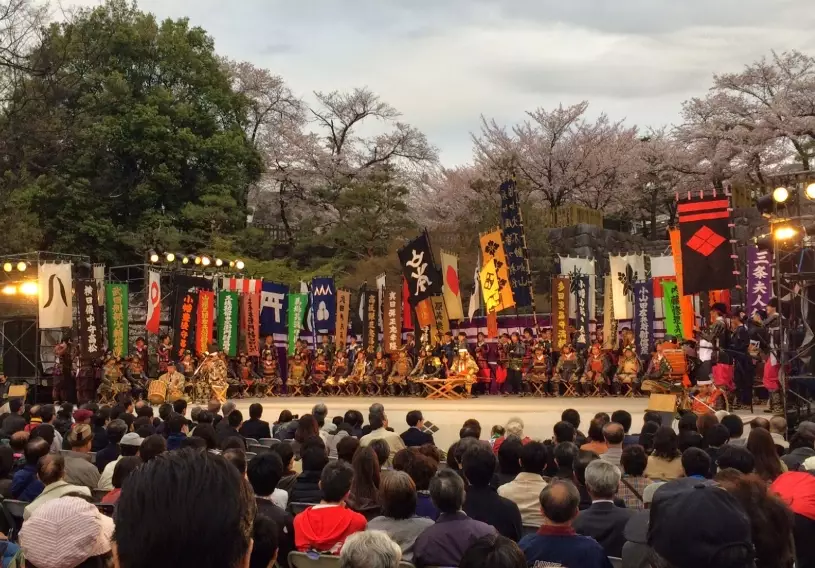
Practical Guide to Kofu: Getting There, Getting Around
Kofu is the capital of Yamanashi Prefecture, nestled in a basin surrounded by mountains. It's about 90-120 minutes from central Tokyo.
| Information | Details |
|---|---|
| Main Festival Dates | Early April (First Saturday & Sunday). Confirm dates yearly on the official site. |
| Primary Venue/Parade Start | Kofu Station (JR Chuo Line) to Takeda Shrine area. |
| Festival Admission | FREE for parade viewing. Specific events like the Saturday Military Review require paid tickets. |
| Best Way from Tokyo | JR Azusa or Kaiji Limited Express from Shinjuku Station to Kofu Station. Reserve seats in April. |
| Alternative Route | JR Chuo Line local train (much slower, ~3 hours) or highway bus from Shinjuku. |
| Getting Around Kofu | The city center and parade route are very walkable. Local buses serve Takeda Shrine. Taxis are available but in high demand. |
Book your train tickets from Tokyo at least a month in advance. April is a peak travel period in Japan (cherry blossoms!), and trains to Kofu fill up fast. I learned this the hard way once and ended up on a series of slow local trains.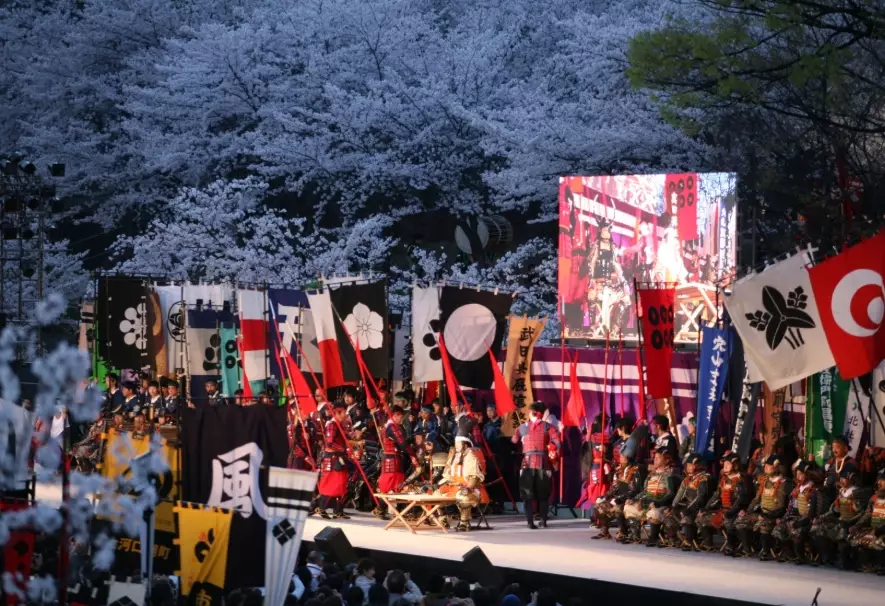
Where to Stay in Kofu: Accommodation Strategy
Kofu is not a massive tourist hub like Kyoto, so hotels book up incredibly fast for the festival weekend. Here’s a breakdown of your options, from my experience.
1. Central Kofu Station Area (Best for Convenience)
Why: You can roll out of bed and onto the parade route. Perfect if you want to maximize festival time and easily access trains.
Examples: Hotel Metropolitan Kofu, Kofu Washington Hotel Plaza.
Price Range: ¥12,000 - ¥25,000 per night during the festival. Book 4-6 months ahead.
Drawback: Can be noisy and rooms are the first to vanish.
2. Onsen Towns Nearby (Best for Relaxation)
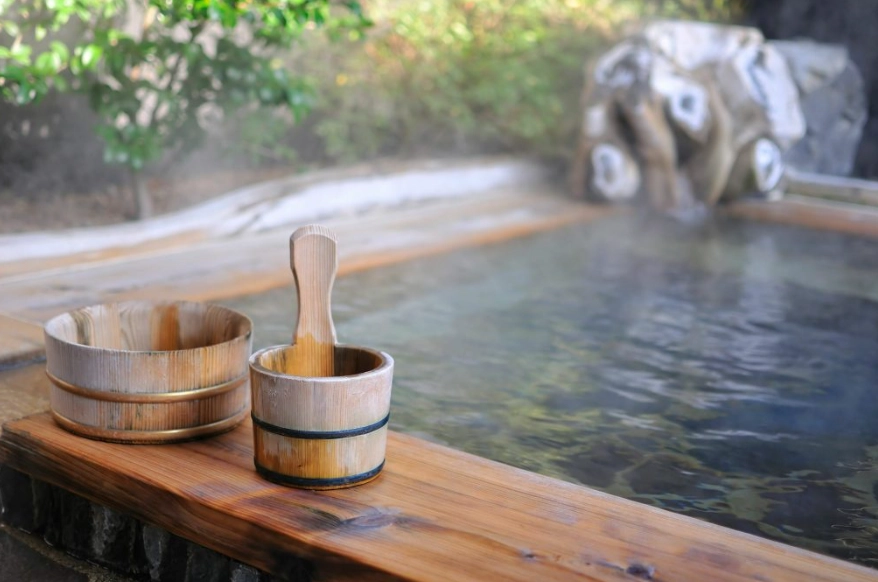
Why: After a day on your feet, a hot spring bath is heavenly. Isawa Onsen or Shosenkyo are short taxi/bus rides away.
Examples: Various ryokans (traditional inns) in Isawa.
Price Range: ¥20,000 - ¥40,000+ per person with meals.
Drawback: Requires planning for transportation back after evening events.
3. Business Hotels Further Out (Best for Budget)
Why: More availability and lower prices. Look along the JR Chuo Line a few stops from Kofu (e.g., Sakaori, Kai-Zenkoji).
Examples: Toyoko Inn, Super Hotel chains.
Price Range: ¥8,000 - ¥15,000 per night.
Drawback: You are reliant on train schedules. Last trains can be early.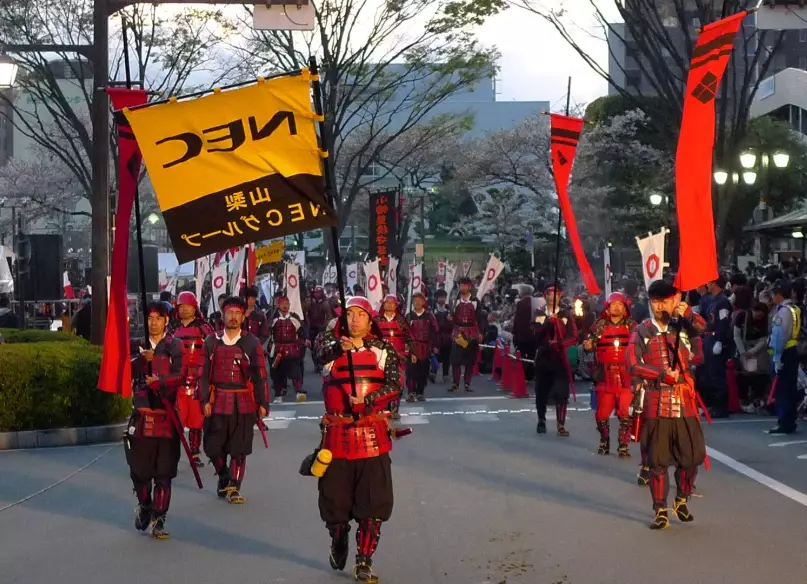
If everything in Kofu is sold out, consider staying in Kofu or even Kawaguchiko (near Mt. Fuji) and taking an early train in. It's a longer commute but opens up options.
Making the Most of Your Trip: Beyond the Parade
Yamanashi is famous for wine, peaches, and crystal-clear views of Mt. Fuji. Pair your festival visit with these local delights.
Food & Drink: You must try Hoto, a hearty miso-based noodle stew with pumpkin and vegetables. It's the ultimate comfort food. For lunch, skip the crowded stalls right by the station and duck into a side-street restaurant. The Yamanashi Wine is also superb. Many local wineries have tasting rooms.
Day Trip Idea: On Friday or Monday, take a bus to the Shosenkyo Gorge. The scenery is stunning, and it's a peaceful contrast to the festival frenzy. Or visit the Yamanashi Prefectural Museum to see genuine Takeda clan artifacts and get deeper historical context before the festival.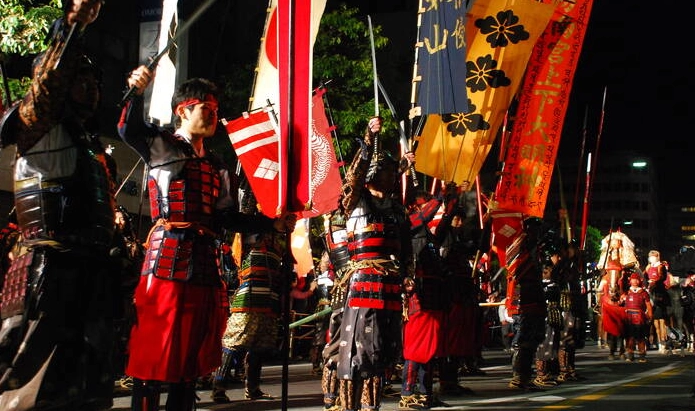

Share Your Thoughts