Quick Navigation
If you're an anime fan, visiting the real-life locations that inspired your favorite series is a dream come true. I've been doing anime pilgrimages, or seichi junrei, for over a decade, and let me tell you, it's more than just snapping photos—it's about connecting with the stories in a tangible way. This guide cuts through the hype to give you the best anime pilgrimage sites in Japan, with practical details like tickets, addresses, and how to get there. Forget generic lists; I'll share my personal picks and the mistakes I made so you don't have to.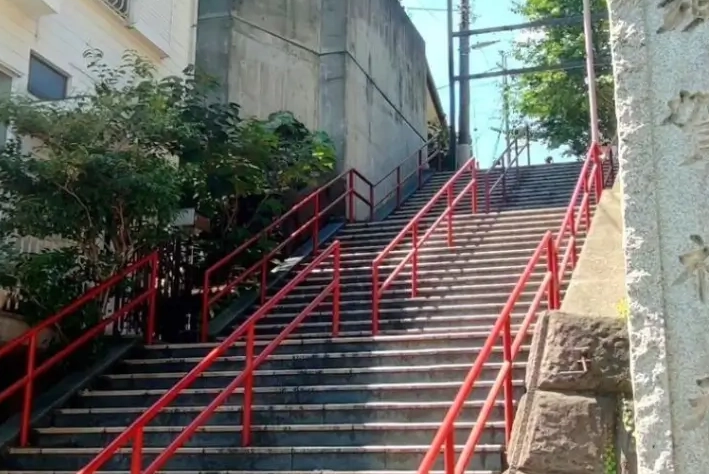
What Are Anime Pilgrimage Sites?
Anime pilgrimage sites are real-world places featured in anime, often becoming destinations for fans to visit. It started in Japan with series like Lucky Star boosting local tourism, and now it's a global trend. According to the Japan National Tourism Organization, anime tourism has grown by over 20% in recent years, with spots like Washimiya City seeing a surge in visitors. But here's the thing: not all sites are created equal. Some are overhyped, while others offer a genuine connection to the anime. I'll focus on the ones that deliver value, whether you're a casual viewer or a hardcore otaku.
Top 5 Anime Pilgrimage Sites in Japan
Based on my travels, these five spots stand out for accessibility, authenticity, and fan experience. I've ranked them not just by popularity but by how well they capture the anime's spirit.
1. The Suga Shrine Stairs from "Your Name." (Kimi no Na wa.)
Located in Shinjuku, Tokyo, these stairs became iconic after Makoto Shinkai's film. The address is 1-12 Suga, Shibuya City, Tokyo 151-0052. It's free to visit and open 24/7, but I recommend going early morning to avoid crowds. From Shinjuku Station, it's a 15-minute walk or a short ride on the Toei Oedo Line to Yotsuya Station. When I went at sunrise, the light hit the steps just like in the movie—magical, but be prepared for tourists. No tickets needed, but nearby cafes like "Cafe La Bohème" offer themed snacks. A common mistake? People miss the subtle angle changes; bring a screenshot to match the scene perfectly.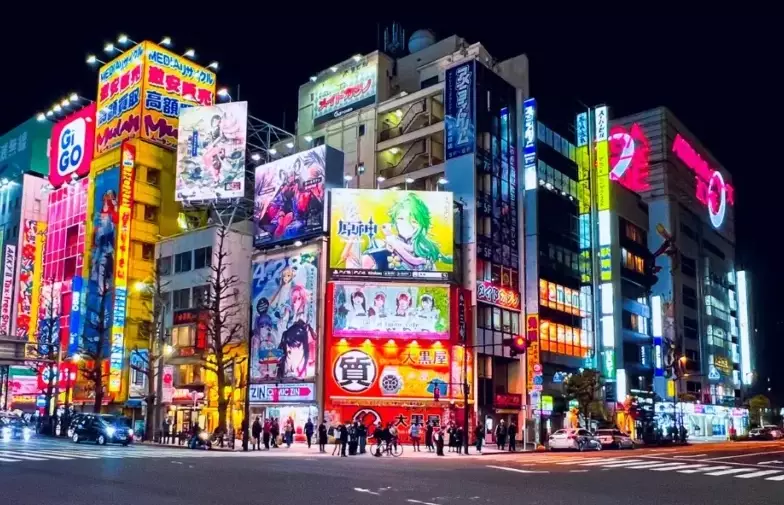
2. Washimiya City for "Lucky Star"
This town in Saitama Prefecture is a pilgrimage hub for Lucky Star fans. The main spot is Washinomiya Shrine at 1-1-1 Washinomiya, Kuki, Saitama 346-0066. Entry is free, and it's open from 9 AM to 5 PM. From Tokyo, take the JR Utsunomiya Line to Kuki Station (about 1 hour), then a bus or 20-minute walk. The shrine sells exclusive charms, and local shops have anime merchandise. I spent a day here and loved the community vibe—fans leave notes and drawings. However, some areas are residential, so respect privacy. Traffic can be heavy during events like the annual Lucky Star festival.
3. Ghibli Museum in Mitaka for Studio Ghibli Films
While not a single anime site, this museum in Tokyo celebrates Ghibli's worlds. Address: 1-1-83 Shimorenjaku, Mitaka, Tokyo 181-0013. Tickets cost ¥1,000 for adults and must be booked months in advance via Lawson tickets. It's open 10 AM to 6 PM, closed Tuesdays. From Shinjuku Station, take the JR Chuo Line to Mitaka Station (15 minutes), then a shuttle bus. The exhibits rotate, so check the Ghibli Museum website for updates. My visit felt immersive, but it's crowded; book early and avoid weekends. A tip: the rooftop garden has a life-sized Robot Soldier from Castle in the Sky—worth the wait.
4. Hida-Furukawa for "Your Name." and "Hyouka"
This town in Gifu Prefecture features in multiple anime. Key locations include the old streets from Your Name. at 1-1 Furukawa, Hida, Gifu 509-4251. Free to explore, with most sites accessible from 8 AM to 5 PM. From Nagoya, take the JR Takayama Line to Hida-Furukawa Station (2.5 hours). I rented a bike to cover ground—it's efficient and lets you discover hidden spots like the canal scenes. Some museums charge ¥500-¥1000, but the town offers a map for self-guided tours. The downside? Remote, so plan lodging in advance. In winter, snow adds charm but limits access.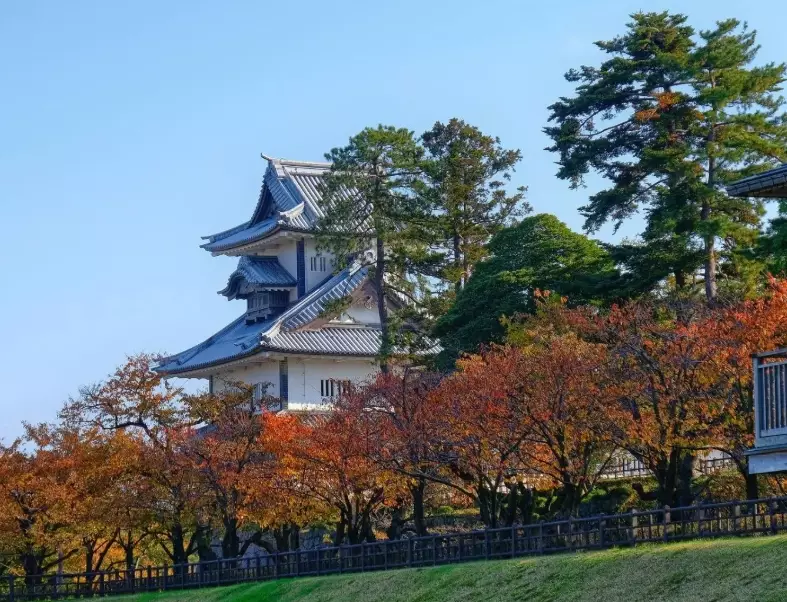
5. Akihabara for General Anime Culture
Tokyo's Akihabara district isn't tied to one anime but is a pilgrimage for otaku culture. Address: Akihabara, Chiyoda City, Tokyo. Free to wander, with shops open 10 AM to 8 PM. From Tokyo Station, it's a 5-minute ride on the JR Yamanote Line. Highlights include Mandarake for collectibles and themed cafes like @home cafe. I've spent hours here, but it's easy to overspend—set a budget. For a unique experience, visit the Radio Kaikan building for rare finds. Traffic is hectic, so wear comfortable shoes.
Quick Comparison: The Suga Shrine stairs are best for quick visits, Washimiya for community vibes, Ghibli Museum for families, Hida-Furukawa for adventure, and Akihabara for shopping. All have free elements, but Ghibli requires advance planning.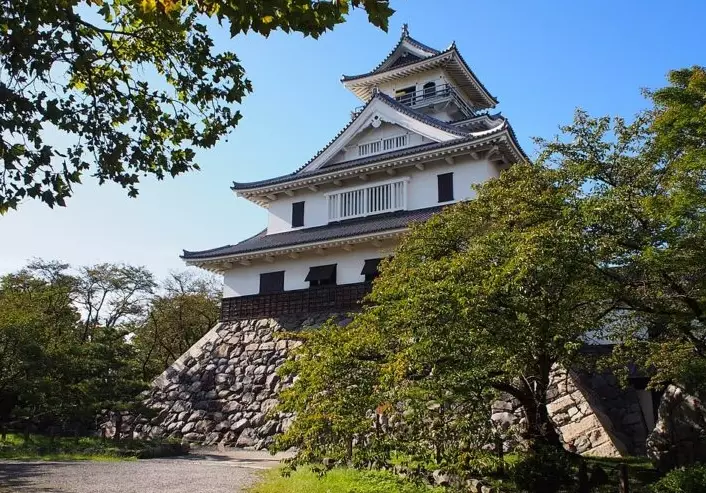
Planning Your Anime Pilgrimage Trip
So, how do you pull this off without breaking the bank? Start with research. Use sites like Anime Tourism Association for official maps. Budget around ¥10,000-¥30,000 per day including transport, food, and souvenirs. For transport, I swear by the JR Pass for long-distance travel—it saved me ¥50,000 on a two-week trip. Book accommodations near major stations; in Tokyo, places like Sakura Hotel Ikebukuro offer anime-themed rooms for ¥8,000 per night.
Timing matters. Avoid Golden Week (late April to early May) when prices spike. Spring and autumn are ideal for weather and fewer crowds. I made the mistake of visiting Washimiya during a festival—it was fun but packed. For a sample itinerary: Day 1: Tokyo (Suga Shrine, Akihabara), Day 2: Saitama (Washimiya), Day 3: Gifu (Hida-Furukawa). Adjust based on your anime interests.
Don't forget essentials: a portable Wi-Fi router for navigation, cash for rural areas, and a camera. I use an app called "Anime Pilgrimage" to track sites—it's a lifesaver. And talk to locals; in Washimiya, a shop owner shared behind-the-scenes stories about Lucky Star production.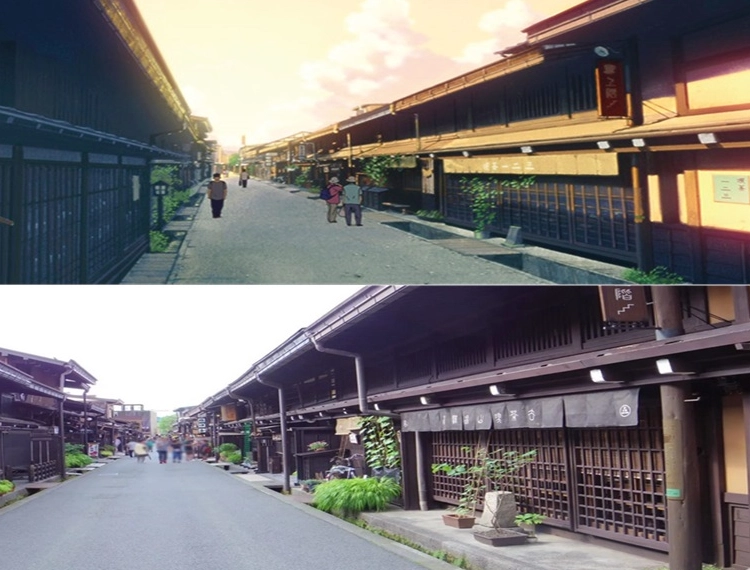
Expert Tips: Avoiding Common Pitfalls
After a decade of trips, I've seen fans mess up in subtle ways. First, overplanning. It's tempting to hit every site, but you'll burn out. Focus on 2-3 key locations per day. Second, ignoring weather. Rain can ruin outdoor spots like the Suga Shrine stairs—check forecasts and have a backup plan. Third, skipping permissions. Some private properties are featured in anime; always ask before entering. I once got scolded for trespassing near a Non Non Biyori location in Saitama.
Another overlooked aspect: cultural respect. At shrines, follow etiquette like washing hands and bowing. In Akihabara, don't block sidewalks while taking photos. And here's a non-consensus view: avoid guided tours for anime pilgrimages. They often rush through and miss nuances. Instead, use local buses or rent a car for flexibility. In Hida-Furukawa, I discovered a café not in any guide that served Your Name.-inspired dango—pure serendipity.
Budget-wise, many assume anime trips are expensive. Not true. Free sites abound, and using discount passes like the Seishun 18 Kippu can cut train costs by half. I've done a 5-day trip for under ¥50,000 by staying in hostels and eating at convenience stores. The key is prioritizing experiences over luxury.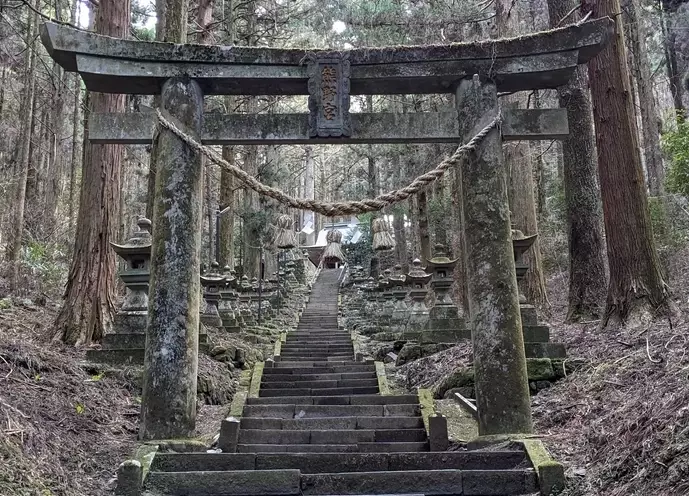
Frequently Asked Questions
Anime pilgrimages are more than a trend—they're a way to live the stories we love. From Tokyo's bustling streets to quiet Saitama towns, each site offers a unique slice of Japan. Use this guide to plan smart, avoid common mistakes, and create memories that go beyond the screen. Remember, it's not about ticking off every location; it's about the journey and the connections you make along the way. Happy travels!



Share Your Thoughts