You've heard it called "Little Kyoto," but that sells Kanazawa short. Sure, it has the historical charm, but without the overwhelming crowds. It's a city where samurai once walked, artisans perfected crafts for feudal lords, and a single garden became a national symbol of beauty. I spent three days there last fall, and my biggest regret was not planning for four.
This guide isn't just a list of places. It's about how to experience Kanazawa's layers—the iconic, the edible, and the easily missed.
Your Quick Jump to Kanazawa's Best Bits
The Non-Negotiable Landmarks
Let's get the big three out of the way. You will go to these. Here’s how to do them right.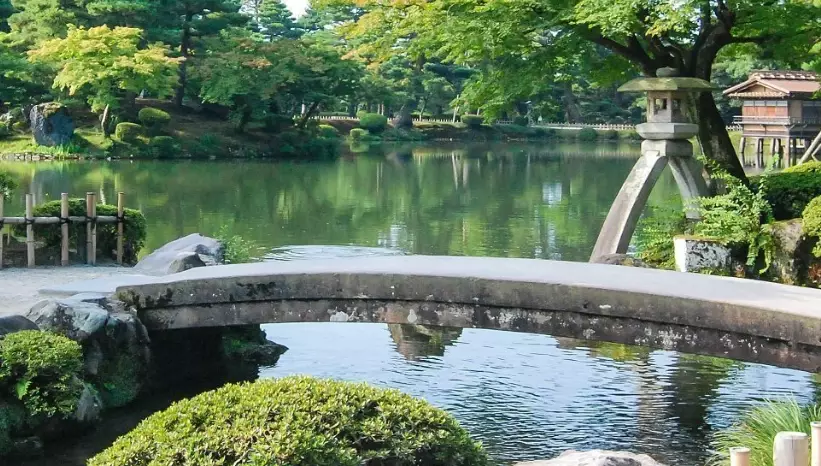
Kenrokuen Garden: Timing is Everything
Widely considered one of Japan's three great gardens, Kenrokuen is stunning. But showing up at noon on a weekend means sharing it with a hundred tour groups. The garden opens at 7:00 AM (5:00 AM Mar-Oct 15). Go then. You'll have the iconic Kotojitoro Lantern and the sweeping views almost to yourself, with soft morning light filtering through the ancient pines. Admission is 320 yen for adults. It's connected to Kanazawa Castle Park, so you can flow right into the castle grounds (free for the park, 320 yen to enter some restored buildings).
A local gardener I chatted with pointed out the yukitsuri—ropes tied in a conical shape to protect pine branches from heavy snow. They're installed in November and are a sight in themselves, a symbol of preparation and care. Most visitors in summer miss this context entirely.
Higashi Chaya District: Look Beyond the Main Street
This geisha district with its lattice-work buildings is photogenic. The main street gets packed. Instead, wander the parallel backstreets. You'll find smaller shops selling gold leaf products (more on that later) and quieter cafes. The Shima Geisha House (500 yen) is worth the entry to see the intimate performance and living spaces. Address: 1-13-21 Higashiyama.
My take? It's beautiful but can feel a bit preserved-in-amber. The real atmosphere is in the early evening when the day-trippers leave.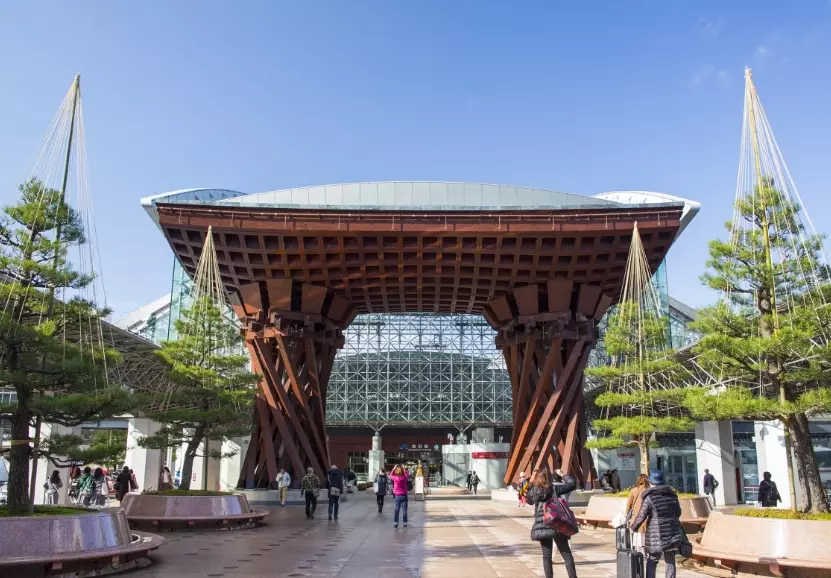
Nagamachi Samurai District: Read the Walls
This is where mid-ranking samurai lived. The main canal and restored houses like the Nomura Clan Samurai House (550 yen) are the draws. But the magic is in the details. Notice the namako-kabe walls—white plaster with black tile accents, designed to be fireproof and sturdy. The narrow, winding lanes were intentional for defense.
Don't just walk through. Imagine the sound of geta clacking on stone, the strict social hierarchy. It feels more authentic than the chaya districts to me.
Pro Tip: Buy the Kenrokuen + 21st Century Museum + Myoryuji (Ninja Temple) combo ticket for 1,000 yen if you plan to visit at least two. It's sold at any of the participating sites and saves you a few hundred yen. The Ninja Temple (real name: Myoryuji) isn't about assassins but clever defensive architecture—bookings are essential via phone.
A Real-World Kanazawa Food Guide
Forget fancy. Kanazawa's food scene is about incredible seafood and unique local specialties.
Omicho Market: Your Seafood Temple
Open from 9:00 AM to 5:00 PM (many shops close by 3:00 PM, restaurants vary). This is a working market, not a tourist trap. Go hungry. Dozens of stalls sell kaisendon (seafood bowls). I skipped the most famous, longest-queue spot and went to a smaller stall run by a husband-and-wife team. For 2,500 yen, I got a bowl overflowing with sweet shrimp, uni, ikura, and crab that tasted like the ocean.
Also look for nodoguro (blackthroat seaperch), a prized local fish, often served as sashimi or grilled.
Gold Leaf Everything: A Gimmick That Works
Kanazawa produces 99% of Japan's gold leaf. You can eat it. The classic is gold leaf soft-serve ice cream at shops in Higashi Chaya. It costs around 1,000 yen. Is it life-changing? No. The gold has no taste. But it's fun, and the ice cream is usually good quality. Hakuichi is the most famous spot.
More interesting is gold leaf sake. The flakes swirl inside the bottle. It's a memorable souvenir.
Jibuni & Kabura-zushi: Local Staples
For a sit-down meal, seek out jibuni—duck or chicken stewed in a thick, savory broth with wheat gluten and vegetables. It's warming and hearty. Kabura-zushi is salted yellowtail sandwiched between turnip slices and fermented with rice bran—an acquired taste, but truly local.
I had a fantastic jibuni set lunch at a place called Miyoshian (near Kenrokuen) for 1,800 yen. No English menu, just point and smile.
Getting Hands-On with Crafts & Culture
Kanazawa's crafts are its soul. You can watch and, better yet, try.
- Gold Leaf Application: Several studios, like Gold Leaf Sakuda in Higashi Chaya, let you decorate a small item (like a lacquerware box or paperweight) with real gold leaf. A 30-45 minute experience costs 1,500-2,500 yen. It's surprisingly meditative.
- Kutani Portery Painting: For a longer commitment (2-3 hours), try painting a Kutani ware plate. You design it, they fire it and ship it to you later. Expect to pay 4,000-6,000 yen.
- 21st Century Museum of Contemporary Art: Don't skip this. It's famous for Leandro Erlich's "Swimming Pool" where you walk underneath a pool that looks full of water. Entry to the public zones is free; special exhibitions cost extra. It makes modern art accessible and playful.
Where to Stay: Area Breakdown
Location matters. Here’s the lowdown.
| Area | Best For | Vibe & Note |
|---|---|---|
| Kanazawa Station | First-timers, day trippers, rail pass users. | Ultra-convenient. Hotels like the Hotel Nikko Kanazawa are right there. You're a 15-min bus ride from the sights. Less "atmosphere." |
| Korinbo / Katamachi | Foodies, nightlife, central location. | The downtown core. Loads of restaurants, bars, and shopping. A short walk/bus to Omicho Market. Lively at night. Good mid-range business hotels. |
| Near Kenrokuen | Serenity, garden lovers, splurgers. | Quieter, greener. Home to higher-end ryokans (Japanese inns) like Hotel Intergate Kanazawa. You can walk to the garden early morning. Fewer dinner options nearby. |
I stayed in Korinbo and loved being able to stumble into a fantastic izakaya after a long day of walking.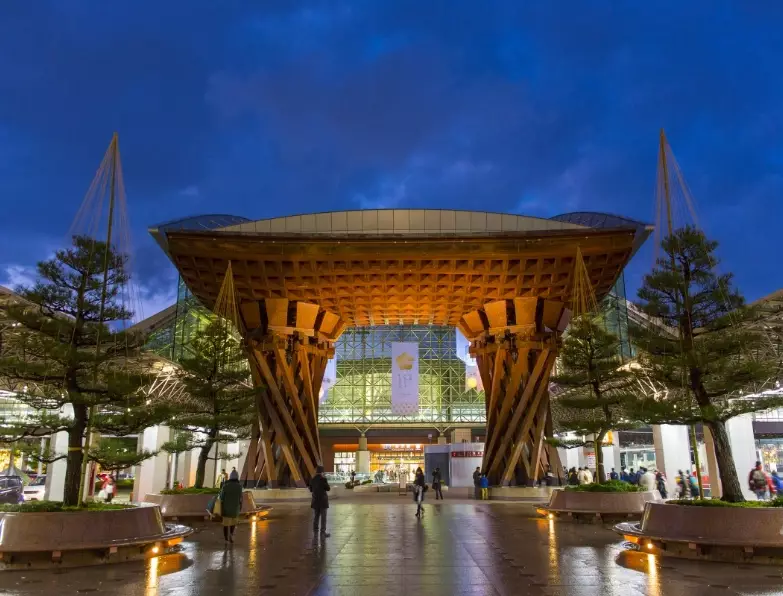
Building Your Kanazawa Itinerary
The Efficient 2-Day Core Plan
Day 1 (East Side): Start at Kenrokuen Garden at opening. Walk to Kanazawa Castle Park. Afternoon, head to the 21st Century Museum (book a timed slot for the Swimming Pool if needed). Then explore Higashi Chaya District, try gold leaf ice cream, maybe do a workshop. Dinner back in Korinbo.
Day 2 (West Side & Market): Morning at Omicho Market for seafood breakfast. Then to the Nagamachi Samurai District. Afternoon, visit the D.T. Suzuki Museum (a serene space dedicated to the Zen philosopher) or the Prefectural Museum of Art. Evening free for souvenir shopping or a craft beer in Katamachi.
If you have a third day, consider a half-day trip to the Myoryuji (Ninja Temple) or the Oyama Shrine with its unique stained-glass gate.
The Logistics: Getting There & Around
By Train: The Hokuriku Shinkansen from Tokyo takes about 2.5 hours. From Kyoto/Osaka, take the Thunderbird limited express (about 2 hours 15 mins from Kyoto). Both are covered by the Japan Rail Pass.
By Bus: Overnight buses from Tokyo are a budget option (around 6,000 yen one way).
Getting Around: The Kanazawa Loop Bus (right-turn and left-turn circuits) and the Kenrokuen Shuttle are your best friends. A single ride is 200 yen. Get the 1-Day Pass for 600 yen at the station tourist info center. It stops at all major sights. Buses are frequent and easy to use.
Taxis are an option for groups or if you're tired. The city isn't huge, so fares between districts are often under 1,500 yen.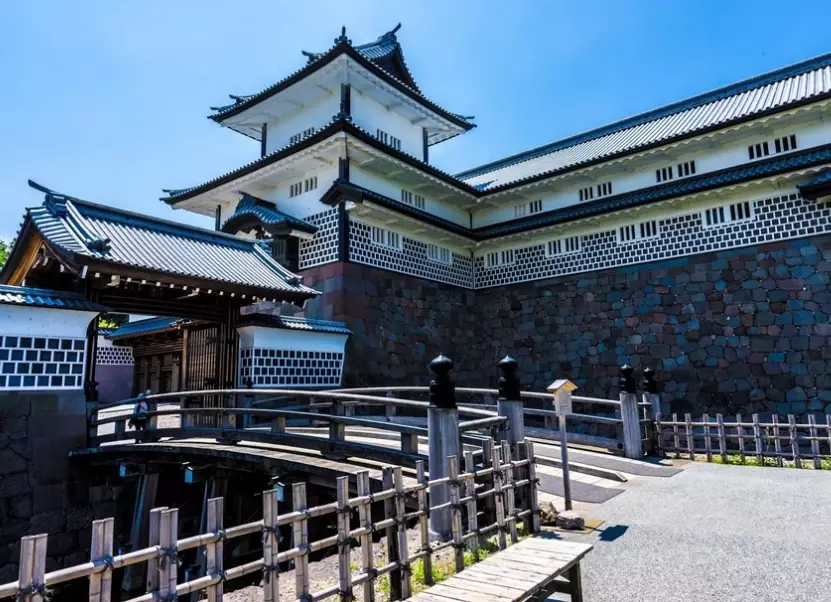
Share Your Thoughts