Quick Navigation
- Yasaka Shrine (Yasaka-jinja): The Heartbeat of Gion
- Kennin-ji Temple: The Zen Sanctuary
- Yasaka Shrine vs. Kennin-ji Temple: A Quick Comparison
- Beyond the Big Two: Other Spiritual Sites in Gion
- Your Practical Guide to Visiting Gion's Famous Sites
- Frequently Asked Questions (FAQs)
- Final Thoughts: So, What *Is* the Famous Temple in Gion, Kyoto?
So you're planning a trip to Kyoto, you've heard all about the magical Gion district, and now you're searching for "What is the famous temple in Gion, Kyoto?" It's a fantastic question, and honestly, one that trips up a lot of first-time visitors. The answer is both simple and a bit more complicated than you might think.
The short, direct answer everyone expects is Yasaka Shrine (Yasaka-jinja). It's the massive, vibrant, and impossibly photogenic Shinto shrine that sits right at the heart of Gion, marking the eastern end of Shijo-dori. When people picture Gion, they're often picturing the towering gate of Yasaka Shrine. But here's the twist that causes the confusion – and it's a big one in Japan. Yasaka is a Shinto shrine (jinja), not a Buddhist temple (tera/dera).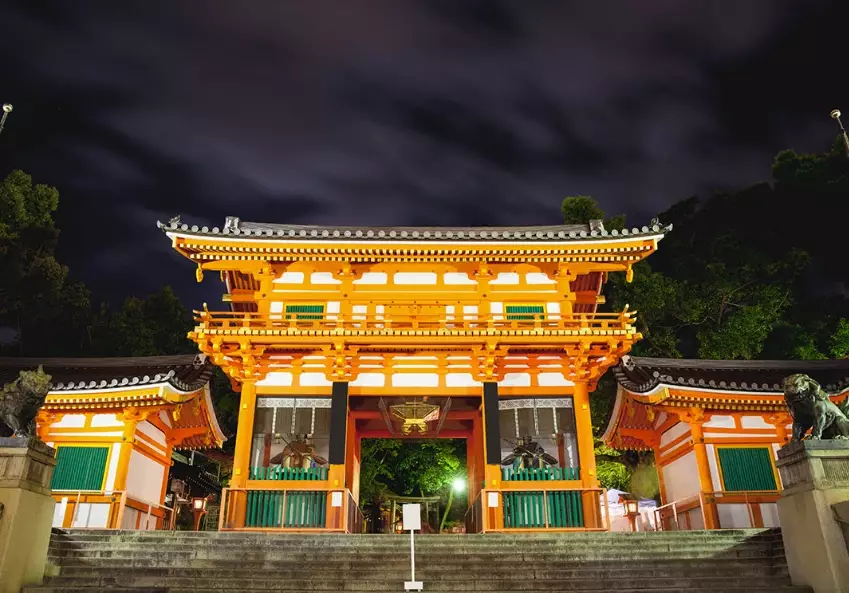
Key Distinction: In Japan, Shinto shrines (marked by torii gates) are for the native Shinto religion, often associated with nature and local deities (kami). Buddhist temples (marked by sanmon gates) are for Buddhism,focused on teachings of the Buddha. Gion has both, right next to each other.
Now, if your search for "famous temple in Gion" is specifically about a Buddhist temple, then the crown jewel is Kennin-ji Temple. It's the oldest Zen temple in Kyoto, founded in 1202, and it's a serene, mossy, artistic haven tucked just a few blocks south of the bustling Shijo Street. It feels worlds away from the crowds.
See the confusion? Most people use "temple" loosely, but in Kyoto, the difference matters.
I remember my first visit. I was jet-lagged, map in hand, asking a local shopkeeper for the "big temple." She politely corrected me, "Ah, you mean the shrine? Yasaka-jinja?" It was a small moment, but it stuck with me. Getting this right isn't about being pedantic; it helps you understand what you're actually looking at. The energy of a bustling shrine like Yasaka is totally different from the contemplative silence of a Zen temple like Kennin-ji.
Yasaka Shrine (Yasaka-jinja): The Heartbeat of Gion
Let's talk about Yasaka Shrine first, since it's what most people are picturing. You can't miss it. The main entrance is a two-story romon gate painted in brilliant vermilion. It's always buzzing. Locals come to pray for good luck, businesses for prosperity, and during festivals, it's the absolute center of the universe.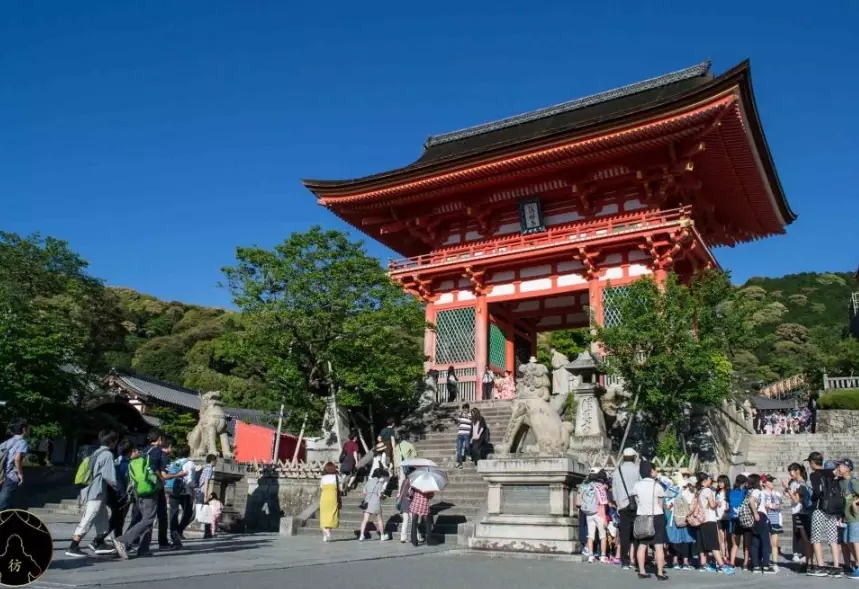
Its history is deep. Originally called Gion-sha, it was founded over 1350 years ago. It's dedicated to Susanoo-no-Mikoto and his consort, deities believed to ward off illness and bring prosperity. This connection to health made it incredibly popular, especially during historic epidemics.
What's it like to visit? Well, it's free to enter the main precinct, which is great. You walk through the giant gate and into a wide courtyard. There's a central hall for worship, but what I love are the countless smaller sub-shrines tucked around the edges. You'll see people performing the classic Shinto ritual: toss a coin, bow twice, clap twice, pray, bow once.
Now, the big event. Yasaka Shrine is the home of the Gion Matsuri, one of Japan's most famous festivals that runs the entire month of July. If you're asking "what is the famous temple in Gion, Kyoto" in July, the answer is still Yasaka Shrine, but it's surrounded by massive, ancient festival floats (yamaboko) and millions of people. It's chaotic and unforgettable.
For official information on history and events, the Yasaka Shrine official website is a great resource (though the English version is somewhat basic).
What to See & Do at Yasaka Shrine
- The Main Hall (Honden): Offer a prayer. Just observe the ritual if you're not comfortable participating.
- Maruyama Park: It's literally in the shrine's backyard. Famous for weeping cherry blossoms in spring. A perfect spot to rest.
- The Dance Stage: In front of the main hall. Imagine performances during festivals.
- Buy an Omamori (charm): They have charms for everything – safe travel, good health, academic success. A popular souvenir.
- Draw a Fortune (Omikuji): For a small donation, you get a paper fortune. If it's bad luck, you tie it to a designated rack to leave the misfortune behind.
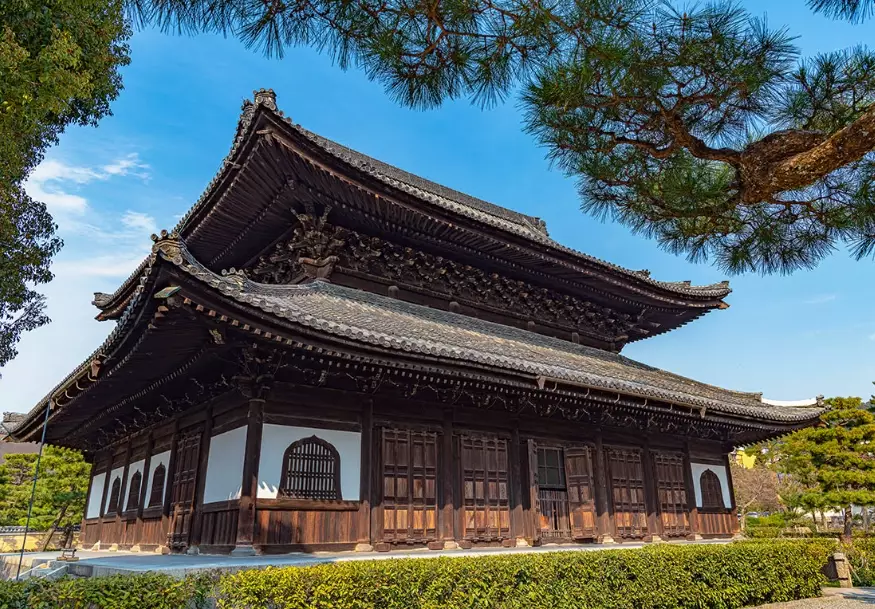
Kennin-ji Temple: The Zen Sanctuary
Now, if you walk south from Yasaka Shrine's main gate for about 10 minutes, you'll find the answer to the other interpretation of "what is the famous temple in Gion, Kyoto?" Welcome to Kennin-ji.
Founded by the monk Eisai, who introduced Zen Buddhism and tea cultivation to Japan, this place oozes history. It's the head temple of the Kennin-ji school of Rinzai Zen. You pay an admission fee (about 600 yen), and the noise of Gion melts away.
The main hall, Hojo, is stunning. But the real showstopper is in the ceiling of the Dharma Hall. It's a massive, modern painting called "The Sound of the Tide" by Koizumi Junsaku, but more famously, there's the Twin Dragons painting on the ceiling of the lecture hall. Two powerful dragons coil across the ceiling, a symbol of protection. Looking up at it is breathtaking.
Then there are the gardens. The circular sand and stone garden (choraten) is a classic Zen dry landscape for meditation. But my personal favorite is the moss garden behind the main hall. It's a small, lush green space that feels like a secret. You sit on the veranda and just breathe. It's the antidote to temple fatigue.
Visitor Tip: Kennin-ji is less crowded than Kinkaku-ji or Kiyomizu-dera, but it can still get busy mid-day. Try to visit right at opening (10 am) or a few hours before closing (4:30 pm) for the most peaceful experience. Their official English website has excellent details on the art and architecture.
Honestly, some people find Kennin-ji a bit austere compared to the gold-plated splendor of Kinkaku-ji. It's not about opulence; it's about subtlety, art, and atmosphere. If you want glitter, go elsewhere. If you want to feel the weight of 800 years of Zen practice, this is your spot.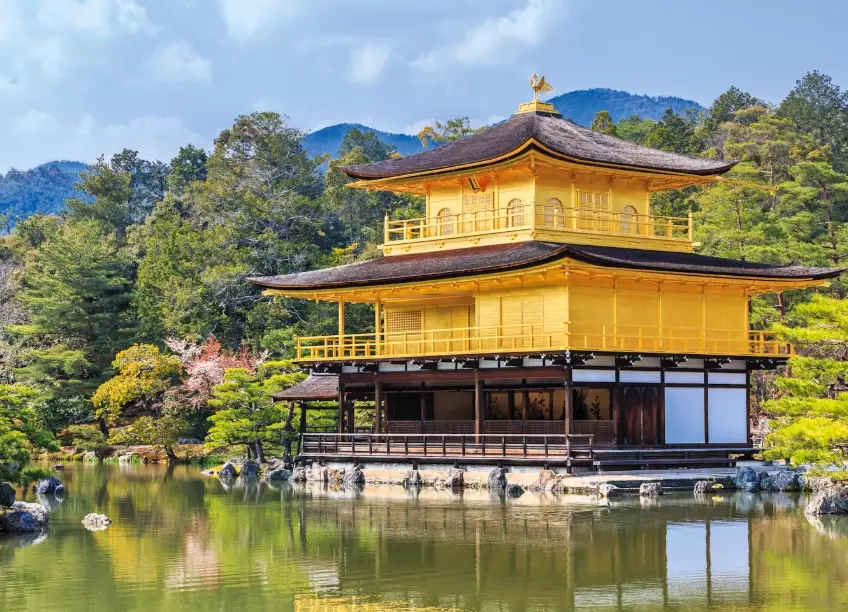
Yasaka Shrine vs. Kennin-ji Temple: A Quick Comparison
To really nail down the answer to "what is the famous temple in Gion, Kyoto," let's put them side-by-side. This table should clear things up.
| Feature | Yasaka Shrine (Yasaka-jinja) | Kennin-ji Temple |
|---|---|---|
| Type | Shinto Shrine | Buddhist Temple (Zen Rinzai sect) |
| Founded | 656 AD (approx.) | 1202 AD |
| Entrance Fee | Free for main precinct | Approx. 600 yen |
| Atmosphere | Vibrant, lively, social | Serene, contemplative, artistic |
| Iconic Feature | The giant vermilion Romon gate | The Twin Dragons ceiling painting & moss garden |
| Best For | Festival energy, people-watching, photography, free visit | Quiet reflection, Zen art & gardens, history buffs |
| Visit Time | Morning for calm, evening for lights, July for Gion Matsuri | Early morning or late afternoon for quiet |
So, which one is the *famous* one? It depends on what you're looking for.
Beyond the Big Two: Other Spiritual Sites in Gion
Gion's spiritual landscape is richer than just two sites. While you're exploring to answer "what is the famous temple in Gion, Kyoto," you'll stumble upon smaller, charming places.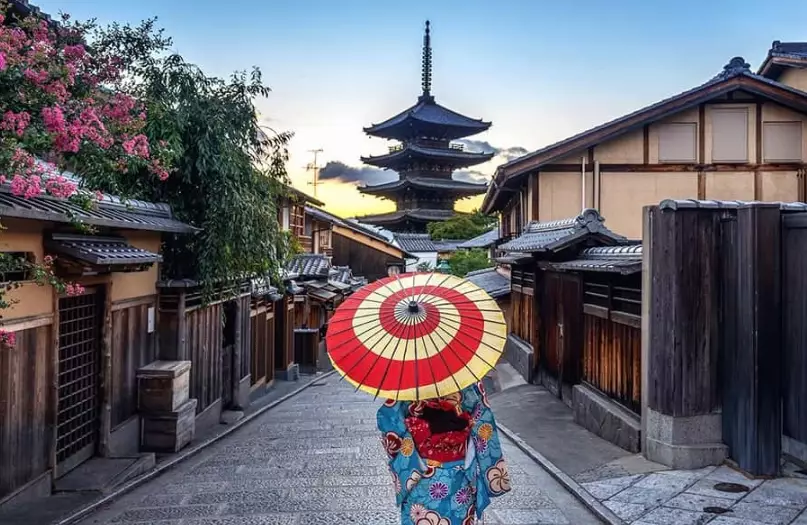
- Gion Corner: Not a temple, but worth mentioning. It's a cultural show venue where you can see condensed performances of tea ceremony, koto, ikebana, and maiko dances. A bit touristy, but a good intro if you're short on time.
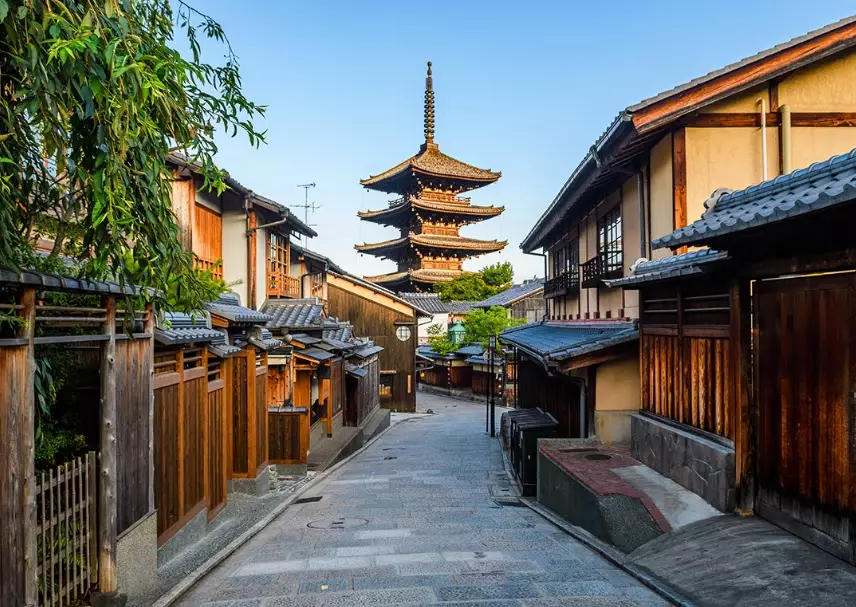
- Shinbashi-dori & Hanamikoji: These are the iconic streets with traditional wooden machiya houses. You might spot a geiko or maiko (apprentice geisha) hurrying to an appointment. Remember to be respectful and keep your distance – no chasing for selfies.
- Smaller Sub-shrines (Massha): All around Yasaka Shrine. Each has its own purpose, like the one for beauty (Ben-ten-sha).
And let's address the elephant in the room. Many searches for "famous temple in Gion" might actually be thinking of Kiyomizu-dera. It's one of Kyoto's most iconic temples, but it's not *in* Gion. It's in the Higashiyama district, about a 20-25 minute walk uphill from Yasaka Shrine. It's absolutely worth visiting, but it's a separate destination. The Kiyomizu-dera official site has all the details on its famous wooden stage.
Your Practical Guide to Visiting Gion's Famous Sites
Okay, theory is done. Let's get practical. How do you actually do this?
Getting There & Getting Around
The easiest way is by bus. From Kyoto Station, take bus #100 or #206 and get off at "Gion" stop. You'll be right near Yasaka Shrine. The subway is also an option (Keihan Line to Gion-Shijo Station). Once you're there, everything is walkable. Kennin-ji is a short stroll south. Wear comfortable shoes – the streets are mostly stone and can be uneven.
Suggested Itinerary for Half a Day
- Start at Yasaka Shrine (Morning): Beat some of the crowds. Explore the main grounds, get a fortune, admire the gate.
- Walk through Maruyama Park: Especially beautiful in cherry blossom or autumn leaf season.
- Stroll down Hanamikoji: Soak in the atmosphere of the preserved streets.
- Visit Kennin-ji Temple (Late Morning): Enter the quiet world of Zen. Spend at least an hour here.
- Lunch in Gion: Find a soba noodle shop or a casual restaurant in the side streets.
Etiquette: Do's and Don'ts
- Do: Be quiet and respectful at Kennin-ji. It's an active place of worship and meditation.
- Do: Wash your hands at the chozuya (water pavilion) before entering the main worship area of a shrine.
- Don't: Take photos inside buildings where signs prohibit it (common in temple halls).
- Don't: Stick your coin into the offertory box (saisen-bako) from a distance. Walk up and place it gently.
- Don't: Be loud or run. The calm is part of the experience.
Frequently Asked Questions (FAQs)
Final Thoughts: So, What *Is* the Famous Temple in Gion, Kyoto?
By now, I hope the picture is clear. The answer to "what is the famous temple in Gion, Kyoto" isn't a single name. It's a duo. It's the vibrant, celebratory heart of Yasaka Shrine and the serene, profound soul of Kennin-ji Temple. One is Shinto, one is Buddhist. One is free and open, one is a paid sanctuary. Together, they embody the dual spiritual heritage of Japan.
My advice? Don't choose. See them both. Start with the energetic buzz of Yasaka, let it fill your camera roll and your senses. Then, walk the few blocks to Kennin-ji, pay the admission, and let the silence and the art wash over you. The contrast is the lesson. It shows you the two sides of Japanese spiritual life – the communal celebration and the personal contemplation.
That's the real magic of Gion. It's not just about finding one famous site. It's about experiencing the layers of history, culture, and belief that are woven into every stone of its streets. So go, explore, and now you'll know exactly what you're looking at.
For More Official Info: Always check official sites for the latest hours and notices. The Official Kyoto Travel Guide by the Kyoto Tourism Federation is an excellent overall resource for planning your entire trip.


Share Your Thoughts