You're planning your dream trip to Japan, and a visit to a traditional onsen (hot spring) is at the top of your list. Then, the anxiety hits. You've heard you have to be naked. A flood of questions follows: Can you wear undies in onsen? What about a swimsuit? Is there any way around this? Let's cut straight to the point.
What's in This Guide?
The Short, Direct Answer
No. You cannot wear underwear, a swimsuit, bikini, shorts, or any clothing in the communal bathing pools of a traditional Japanese onsen.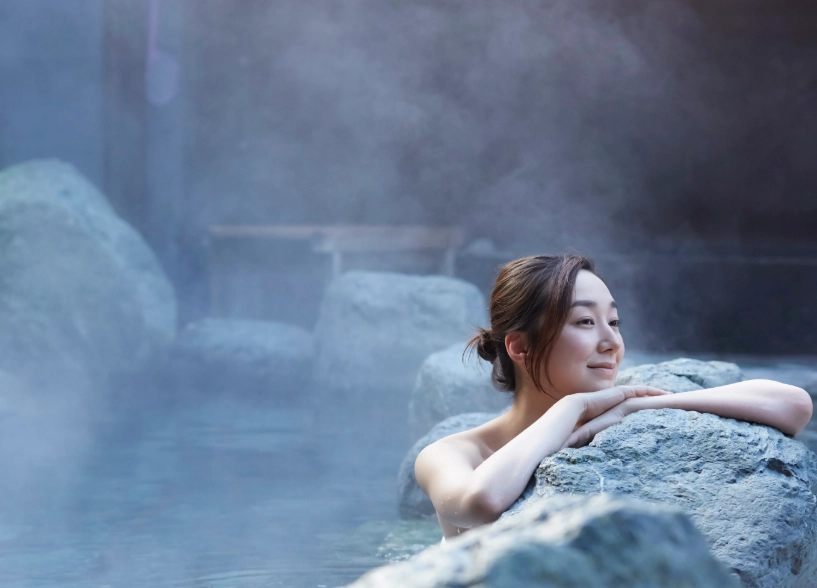
The rule is universal and non-negotiable in public, gender-segregated baths. You enter the water completely naked after a thorough wash. I know this can be a huge mental hurdle, especially for first-time visitors from cultures where public nudity isn't the norm. But understanding the why behind the rule makes it easier to accept, and I promise, the experience is worth the initial discomfort.
The Core Rule: No fabric of any kind touches the shared onsen water. This includes underwear, swimwear, tank tops, and even the small towel (tenugui) you use to wash.
Why the "No Clothes" Rule Isn't Just Tradition
Many think this is just an old-fashioned custom. It's not. It's fundamentally about hygiene.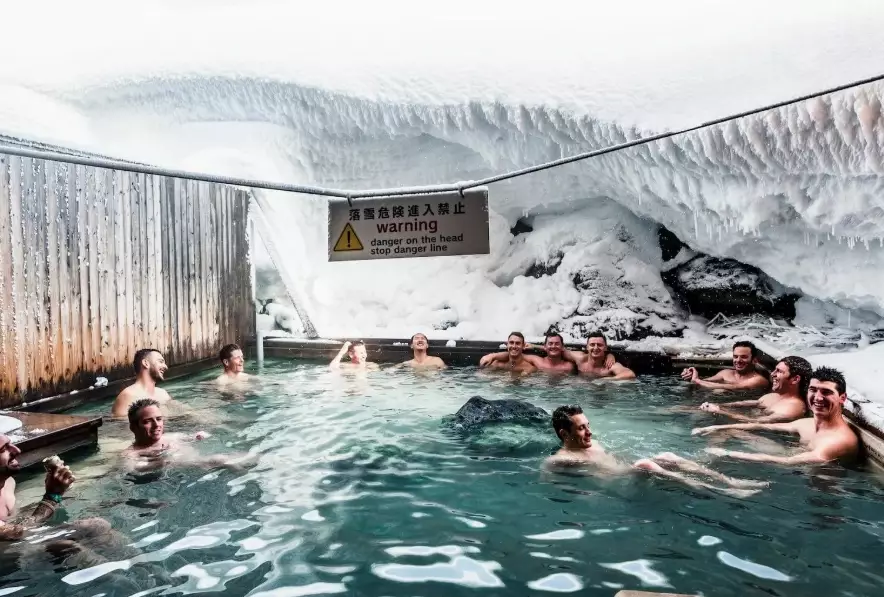
Think about what happens when you wear clothes into water. They release fibers (lint), traces of detergent, soap residue, sweat, and skin cells. In a shared bath where dozens of people soak daily, allowing clothing would turn the mineral-rich water into a soup of contaminants. The Japan Onsen Association emphasizes cleanliness as the paramount principle of communal bathing. By requiring everyone to be naked and thoroughly pre-washed, they ensure the water remains as pure as possible for everyone's health and enjoyment.
There's also a cultural element of equality. In the bath, everyone is the same. No status, no fashion, just people relaxing. It's a surprisingly liberating feeling once you get past the first minute.
The One Item You Do Use: The Small Towel
You're not just thrown into the room with nothing. You'll have a small towel, usually provided or available for rent. This is your tool for modesty and function.
- Use it to cover yourself while walking from the washing area to the bath.
- Use it to wash your body at the shower station.
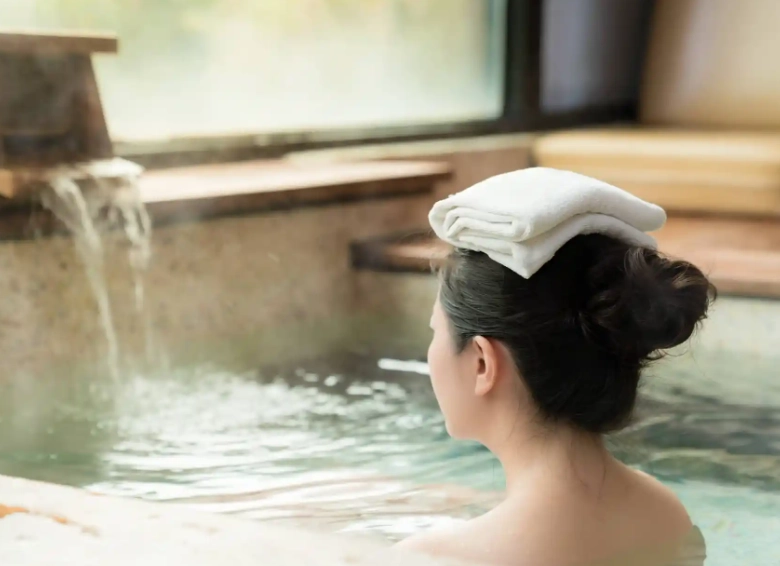
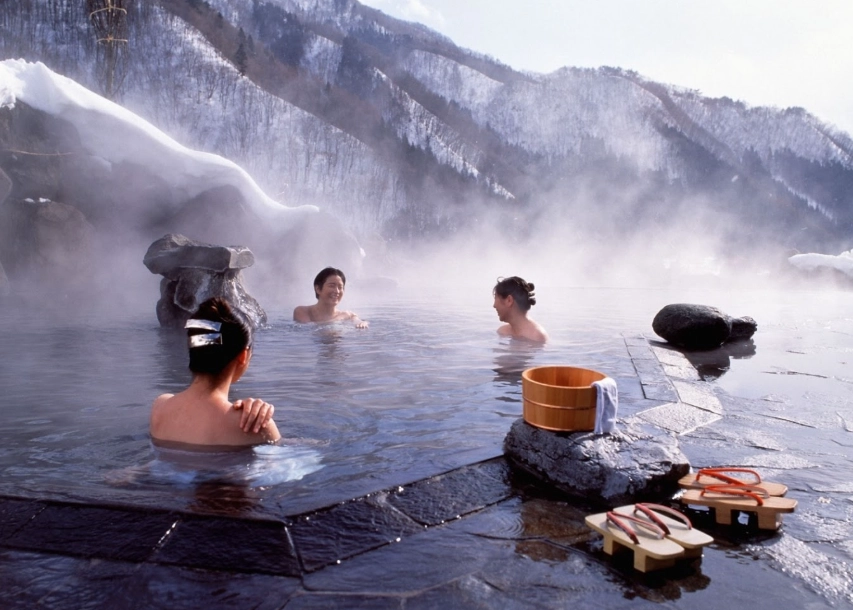
- Do NOT dunk it in the onsen water. Once you step into the bath, you place the towel on the side of the pool, fold it on your head, or sometimes on a nearby rock. It never touches the shared water.
I've seen tourists casually wring out their towel in the bath. The disapproving glances from regulars could freeze the steam. Don't be that person.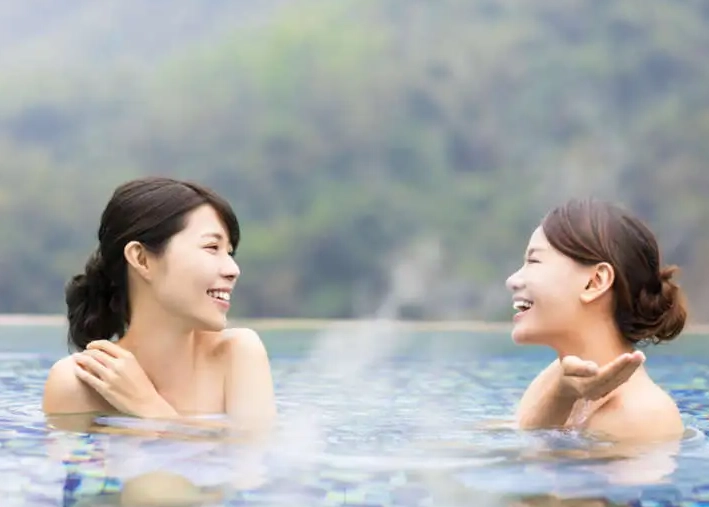
How to Do It Right: The Step-by-Step Onsen Process
Knowing what to expect removes 90% of the stress. Here’s exactly what happens from the moment you enter the facility.
What to Bring (Or Not Bring)
Travel light into the bathing area. Most onsen provide shampoo, body soap, and often conditioner. Your essentials are:
- Your small towel (for rent if you don't have one).
- A larger towel for drying off after (sometimes available for rent, sometimes you bring from your room).
- Your locker key (usually a wristband).
- Nothing else. Leave your phone, camera, and valuables in the locker. Taking photos is strictly forbidden and a serious violation of privacy.
The Step-by-Step Process
- Undress Completely: In the changing room (datsuijō), take off everything, including underwear and jewelry. Store it all in your basket or locker. Use your large towel to cover yourself as you walk to the bath entrance if you like, but it stays in the changing room.
- Enter the Bathing Hall: Take only your small towel. You'll see rows of shower stations with stools, faucets, and basins.
- Wash Thoroughly: This is non-negotiable. Sit on a stool (don't stand, as water splashes on others), and use the shower, basin, soap, and shampoo to wash every part of your body. Rinse off all soap suds. Your body should be completely clean before you even think about the onsen.
- Enter the Bath: Rinse off your stool and area. Now, holding your small towel (you can use it for modesty), walk to the onsen pool. Gently place the towel on the side or on your head. Slowly and quietly enter the water. No splashing.
- Soak and Relax: Soak up to your shoulders, relax, and enjoy. Don't swim. Don't wash in the water. Just be.
- Exit and Dry: When done, exit, wring out any water from your hair away from the pool, use your small towel to pat off excess water, and walk back to the changing room. Dry off completely with your large towel before dressing.
Common Mistakes First-Timers Make (And How to Avoid Them)
Beyond the underwear question, here are subtle errors that mark you as a newbie.
Mistake 1: Not washing hair before entering. Your hair needs to be washed too, not just your body. Oils and products get in the water.
Mistake 2: Letting long hair touch the water. If you have long hair, tie it up. It's considered unclean to let it float in the shared bath.
Mistake 3: Diving in or making noise. Onsen are for quiet relaxation. Enter slowly. Speak in hushed tones if you must speak at all.
Mistake 4: Staying in too long. The high mineral content and heat can cause dizziness. Limit sessions to 10-15 minutes, especially at first. Hydrate in the changing room.
My personal tip? Go in the evening. The light is softer, it's less crowded, and the post-onsen relaxation before bed is unparalleled. I made the mistake of going to a famous outdoor onsen at noon once. It felt more like a tourist attraction than a serene experience.
Exceptions and Tricky Scenarios
Are there any exceptions to the naked rule? A few, but they are specific.
Private/Family Baths (Kashikiri-buro): Many onsen offer small, private baths you can rent by the hour for your group or family. In these private baths, you can usually wear a swimsuit or underwear. Always confirm with the facility, but this is the standard exception. It's a perfect, low-stress introduction.
"Swimsuit Allowed" Mixed-Gender Pools: Some modern, resort-style facilities have large, mixed-gender pools where swimsuits are required. These are not traditional onsen in the strict sense but are often marketed as onsen resorts. They will be explicitly advertised as "swimsuit area" or "mixed bath." Traditional single-gender baths in the same facility will still require nudity.
The Tattoo Dilemma: This is a major hurdle for many. Due to associations with organized crime, many onsen ban tattoos. Your options: 1) Seek out "tattoo-friendly" (tattoo OK) onsen (increasingly common in tourist areas like Hakone and Beppu). 2) Use waterproof bandages/patches to cover small tattoos (not always accepted). 3) Rent a private bath. Never try to sneak in; you will be asked to leave.
Your Onsen Questions, Answered
Can you wear any clothing, including underwear or swimsuits, in a public onsen?
No. The rule is absolute for hygiene. All fabrics, from cotton underwear to nylon swimsuits, can introduce soap, lint, and bacteria into the shared water. The only thing that touches the onsen water is your clean, washed skin.
I'm really uncomfortable with nudity. What are my options?
Renting a private bath (kashikiri-buro) is your best bet. You get all the benefits of the hot spring water in complete privacy, and you can wear what you like. Alternatively, look for accommodations with an onsen in your room. It's more expensive but solves the problem entirely. For the public experience, remember everyone is focused on their own relaxation, not on you. The initial awkwardness fades within seconds of entering the warm, soothing water.
What if I'm on my period? Can I wear a tampon?
Yes, you can and should wear a tampon or menstrual cup. This is not considered "clothing" and is a hygienic necessity. Just ensure it is properly inserted. Wearing period-proof underwear or swimwear bottoms into the water, however, would violate the no-clothing rule.
How do I know if an onsen is tattoo-friendly?
Check their official website. Many now have an English page with policies. Look for a "Tattoo OK" icon or statement. If in doubt, email or call ahead. Resources like the Japan National Tourism Organization (JNTO) website also sometimes list tattoo-friendly facilities. Don't rely on hearsay.
Is it true you shouldn't put your towel in the water, even just to wipe your face?
Absolutely true. That small towel has been all over your (clean) body outside the bath. Dipping it, even a corner, introduces new bacteria. If you need to wipe sweat, step out of the bath, wipe yourself away from the pool edge, then rinse off at a shower station before re-entering. It seems fussy, but it's the respectful way.
The bottom line is this: respecting onsen etiquette is about respecting Japanese culture and your fellow bathers. The "no underwear" rule is the cornerstone of that etiquette. Embrace it as part of the authentic experience. Once you do, you'll understand why onsen culture is so cherished here—it's a unique blend of ritual, hygiene, and profound relaxation that you simply can't get anywhere else.
Pack your courage instead of your swimsuit, follow these steps, and you're in for an unforgettable part of your Japanese journey.

Share Your Thoughts