Imagine this. You've had a long day of travel. Your muscles ache. The promise of sinking into a steaming, mineral-rich hot spring sounds like heaven. You find a beautiful traditional onsen, pay the fee, and step inside.
Then, you notice everyone staring. The attendant is walking towards you, looking stern. A wave of embarrassment washes over you. What did you do wrong?
For many visitors to Japan, this scenario is a real fear. Onsens are a cornerstone of Japanese culture, a place for relaxation and purification. But with that comes a set of rules – not to spoil your fun, but to ensure everyone's experience remains peaceful and hygienic.
Breaking these rules isn't just a faux pas; it's considered deeply disrespectful. But don't worry. Once you know the basics, it's all pretty logical. Think of it less as a list of restrictions and more as the key to unlocking a truly authentic and relaxing Japanese experience.
Quick Guide to Onsen Harmony
Step 1: The Arrival & Changing Room
First things first. Separate entrances for men and women are standard. Look for the kanji (otoko) for men and (onna) for women, or the corresponding hiragana. Sometimes they use blue for men and red for women.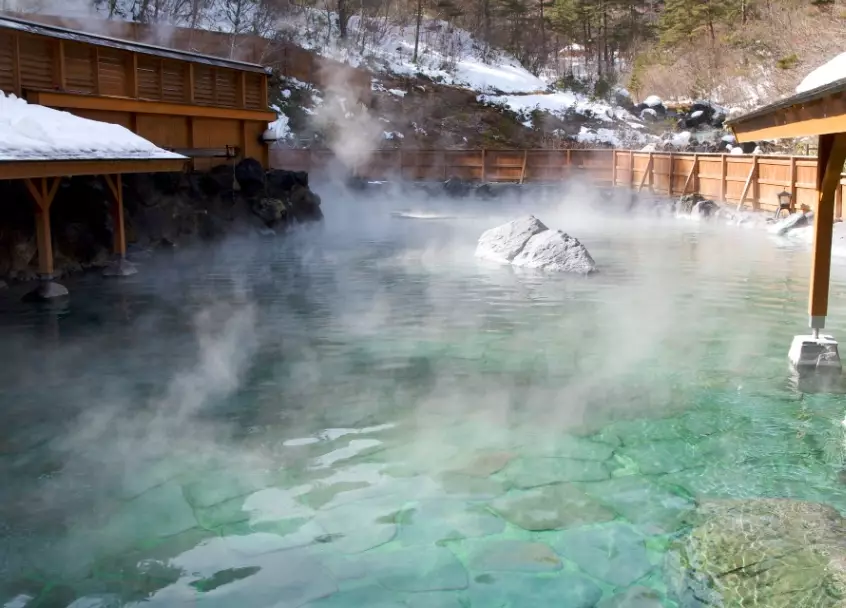
Once inside, you'll find a changing room with lockers or baskets.
What Not to Do Here:
- Don't wear your outdoor shoes inside. There will be slippers at the entrance. Use them. But remember, these slippers stay in the dry area. You'll be barefoot in the washing and bathing areas.
- Don't leave your valuables unattended. While theft is rare, it's wise to use a locker if provided. Some onsens offer coin lockers (you get your coin back).
- Don't be loud or boisterous. Onsens are places of quiet contemplation. Keep conversations to a low murmur.
Step 2: The All-Important Pre-Wash
This is the step most first-timers get wrong, and it's the most crucial. You must wash yourself thoroughly before entering the bath. The goal is to enter the onsen water as clean as possible.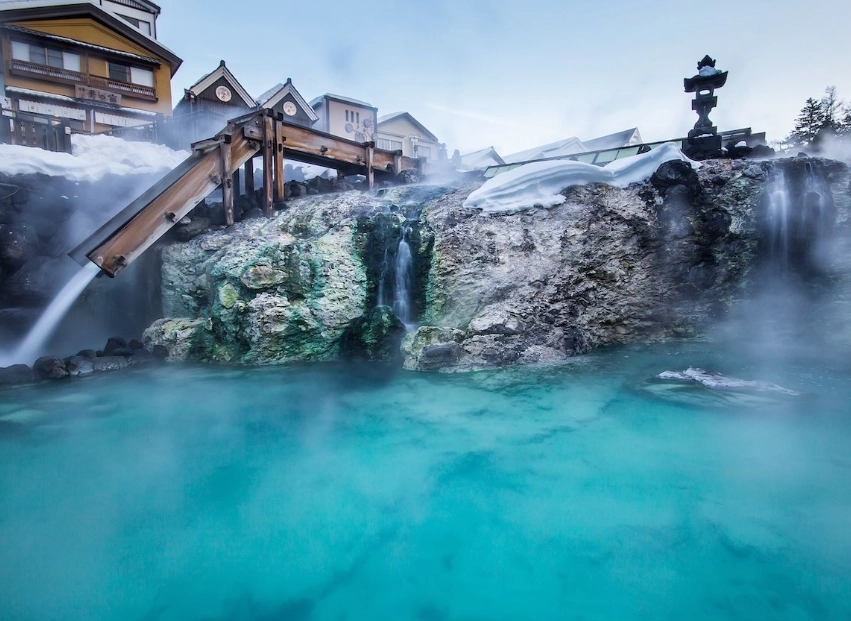
The washing area will have rows of low stools, taps, and showers. Pick a station.
What Not to Do Here:
- Don't stand up to shower. Sit on the stool. This prevents soap and water from splashing onto your neighbor.
- Don't skip the soap. Use the provided soap (or bring your own) and wash every inch of your body. Yes, everywhere. Pay special attention to areas that might be sweaty.
- Don't wash your hair in the bath. If you need to wash your hair, do it at the washing station. Long hair must be tied up before entering the bath to prevent it from touching the water.
- Don't leave a mess. Rinse off all soap suds from your body and your station. Rinse the stool and bucket if you used one. Leave it as clean as you found it.
I once saw a tourist try to rinse off while standing, soap flying everywhere. The disapproving glances from the regulars were palpable. Sitting down is the only way.
Step 3: Entering the Bath & Bathing
Now you're clean. Time for the bath. Remember, you are completely nude. No swimsuits, no underwear, no towels in the water.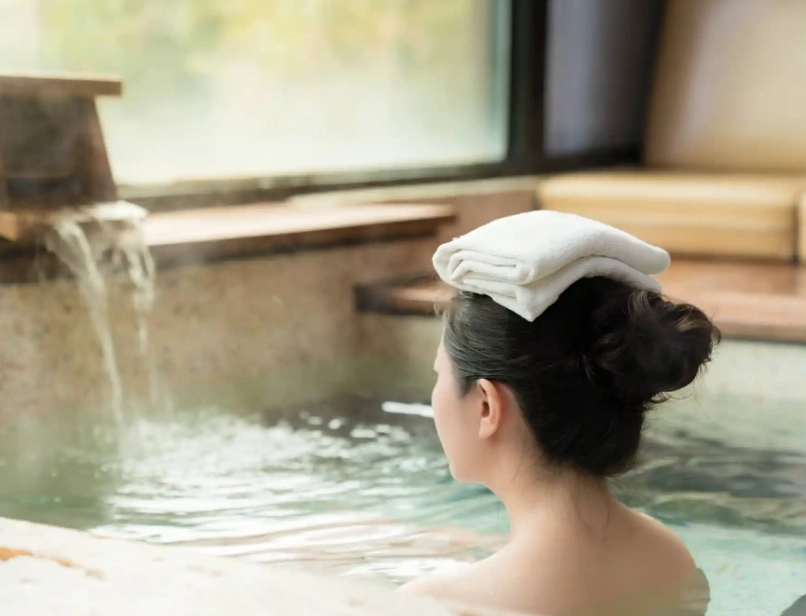
What Not to Do Here:
- Don't dip your towel. That small towel is for modesty while walking and for drying after. You can place it on your head while in the bath, or leave it on the side. Never let it touch the bath water.
- Don't jump or dive in. Enter slowly and carefully. Hot water can be a shock to the system. Use the handrails if provided.
- Don't swim. Just soak. Find a spot, relax, and enjoy the heat. Keep your arms and legs mostly to yourself.
- Don't put your head under. Avoid submerging your face or getting your hair wet if you didn't wash it.
- Don't stay in too long. Listen to your body. 5-10 minutes is usually enough. Get out, cool down, hydrate, and go back in if you like.
- Don't stare. Everyone is naked. It's normal. Keep your eyes to yourself or look at the scenery.
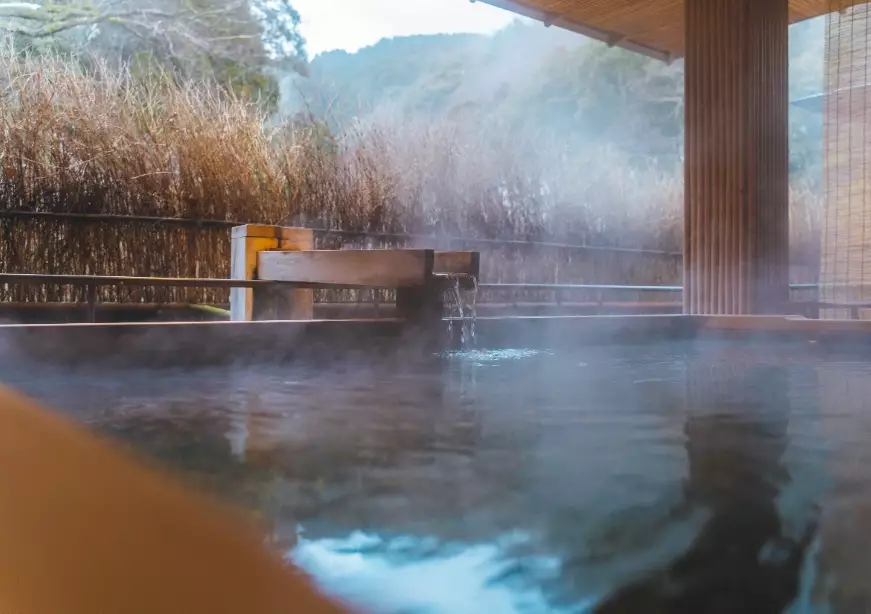
Step 4: Leaving Clean & Refreshed
When you're done, exit the bath and head back to the washing area. Do not rinse off with soap again – you'll wash away the beneficial minerals. Just give yourself a quick rinse with clean water to remove the onsen water.
Dry yourself off with your towel before stepping back into the changing room. This keeps the dry area dry and comfortable for everyone.
What Not to Do Here:
- Don't drip water everywhere. Dry yourself as much as possible at your washing station.
- Don't forget to hydrate. Onsens are dehydrating. Many have water coolers or vending machines. Drink plenty of water afterwards.
- Don't apply lotions or perfumes immediately after. Your skin is porous and has absorbed minerals. Let it breathe for a bit.
And that's it! Follow these steps, and you'll blend right in, earning the respect of the locals and enjoying a truly authentic Japanese ritual.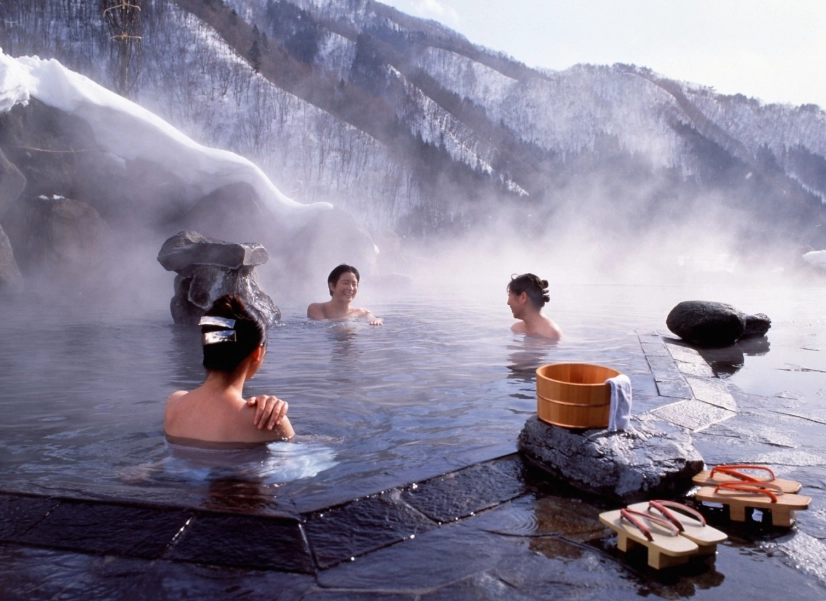
The Big Taboos: Tattoos & Illness
Two rules deserve their own special mention because they are so often misunderstood.
Tattoos
Yes, the tattoo ban is still largely in effect at traditional public onsens. This stems from the historical association of tattoos with organized crime. It's not about your small, cute tattoo; it's about the rule itself.
What can you do?
- Check the policy. Many modern onsens, especially in tourist areas, now allow small tattoos if covered. Some even openly welcome them. Always check online or call ahead.
- Use tattoo cover-up patches. These waterproof patches are sold at many drugstores in Japan and are a great solution.
- Book a private onsen. Many ryokans (traditional inns) offer private family baths you can reserve. No one will see your tattoos.
Never try to sneak in. If discovered, you will be asked to leave immediately, causing great embarrassment.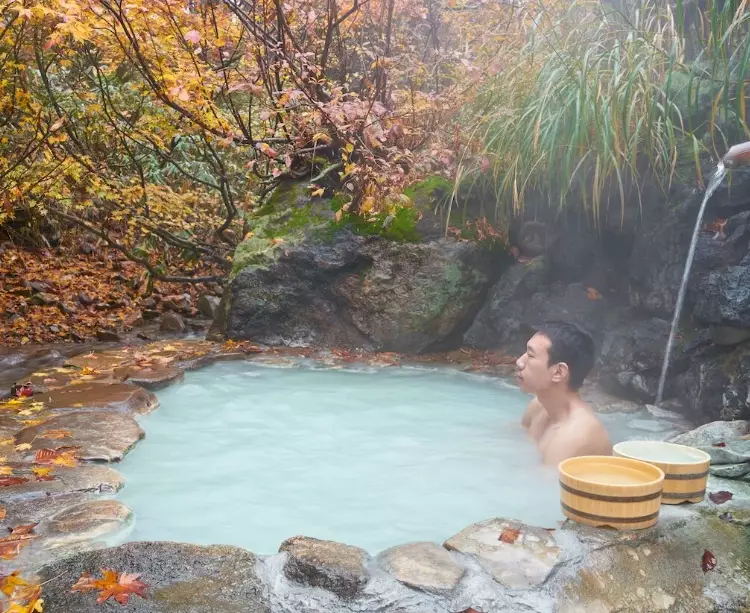
Illness & Contamination
Onsens are for relaxation, not for curing sickness. Do not enter an onsen if you:
- Have a contagious illness (cold, flu, etc.)
- Have open wounds, cuts, or skin infections
- Are under the influence of alcohol (it's dangerous and impairs judgment)
- Have severe heart conditions or high/low blood pressure (consult your doctor first)
It's a matter of public health and respect for others.



Share Your Thoughts