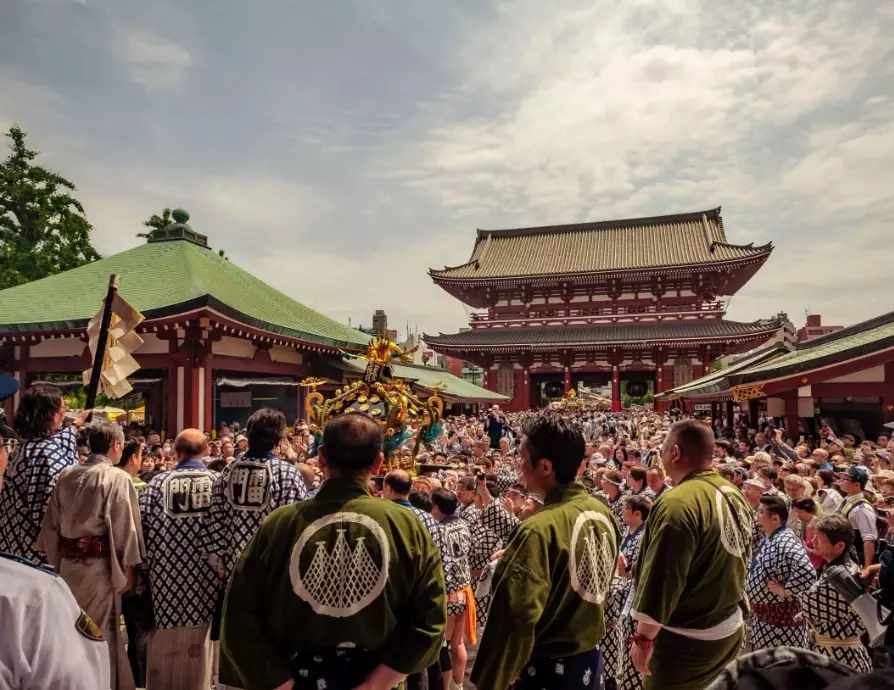
Ask anyone who's been to Japan, or even just read about it, and one name consistently rises to the top: Gion Matsuri. Held every July in Kyoto, it's not just a festival; it's a month-long cultural immersion, a historical pageant, and a testament to community spirit that has weathered plagues, wars, and modernization for over a thousand years. If you're searching for Japan's most famous festival, you've found it. But fame is one thing—understanding why it holds this crown and how to actually experience it is another. This guide dives past the postcard images into the gritty, glorious details of Gion Matsuri, compares it to other heavyweight contenders, and gives you the practical, from-the-ground advice you need to plan a visit that's more than just a photo op.
Your Quick Guide to Japan's Top Festivals
What Exactly is the Gion Matsuri?
Gion Matsuri began in 869 AD as a goryo-e, a ritual to appease angry spirits believed to cause disease and disaster. Kyoto was ravaged by plague, and the emperor ordered prayers to the god of Yasaka Shrine. Sixty-six ceremonial spears, one for each province, were erected in Shinsen-en Garden. Over centuries, these spears evolved into the elaborate, multi-ton floats called Yamaboko you see today.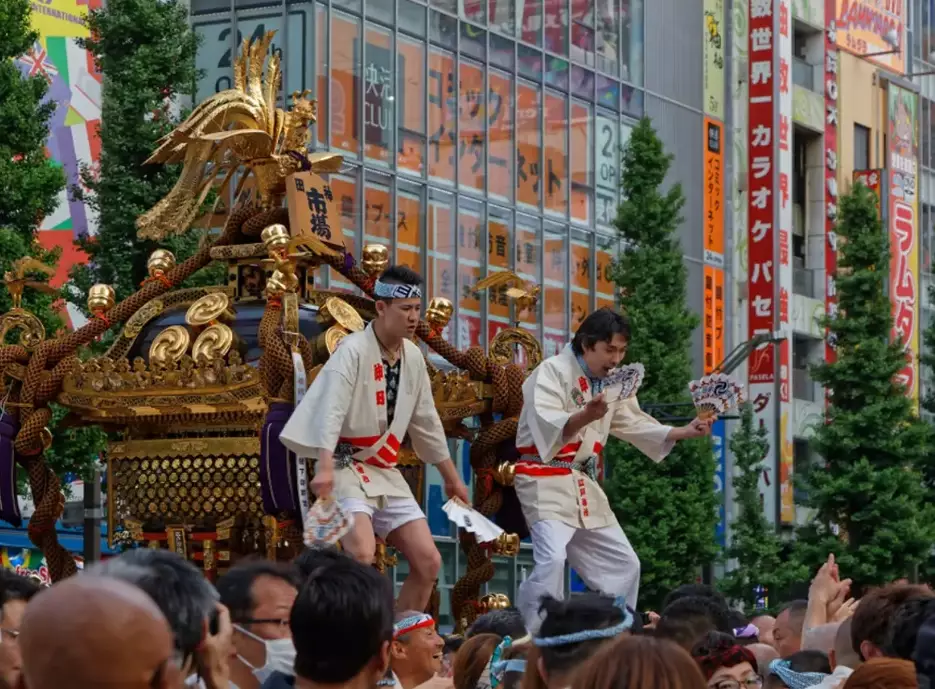
The festival is organized by the districts of central Kyoto, each responsible for their own float. This isn't a corporate or government show—it's a neighborhood affair. Men (and traditionally, only men) from these districts spend months and significant money building, decorating, and practicing to pull these moving museums. The floats themselves are classified into two types: the taller Hoko (like the famous Naginata Hoko with its long sword) and the smaller Yama. They're adorned with tapestries from Persia, Belgium, and other parts of the world, evidence of Kyoto's historical trade links.
The Gion Matsuri Schedule: More Than Just a Parade
Thinking it's just one parade on one day is the first-timer's mistake. The festival peaks across two weekends in July, with a lull in between.
July 10-17: The Prelude and First Peak
The Mikoshi Arai (Shrine Purification) on July 10 kicks things off. But the main event is Yoiyama on the evenings of July 16th, and the Saki Matsuri (Former Festival) parade on the morning of July 17th. From 9:00 AM, about 23 floats parade from Shijo-Karasuma to Shijo-Kawaramachi. Getting a paid seat is crucial here—the streets are a wall of people.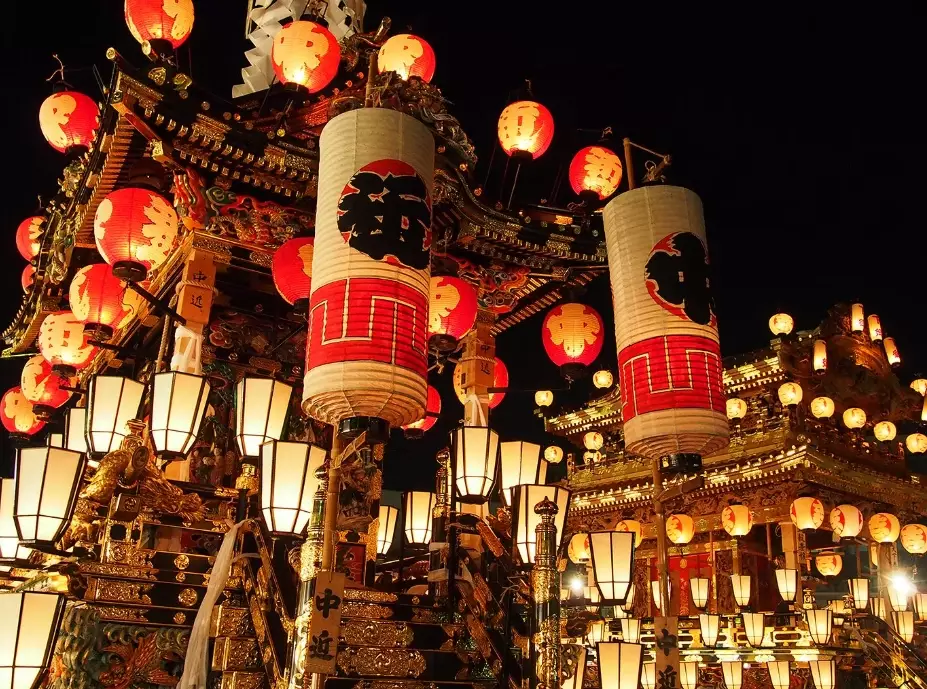
July 24: The Second Act
After a week's break, the Ato Matsuri (Latter Festival) parade happens on July 24th. It's slightly smaller, with about 10 floats, following a similar route. Some prefer this day as it can be marginally less crowded.
Is Gion Matsuri Really #1? A Look at Japan's Top 3 Festivals
While Gion Matsuri takes the title for fame, history, and scale, Japan's festival scene is fiercely competitive. Here’s how it stacks up against its two closest rivals.
| Festival | Location & Date | Core Experience | Best For... |
|---|---|---|---|
| 1. Gion Matsuri | Kyoto, Throughout July | Massive, ornate floats (Yamaboko) parading through historic streets; month-long rituals and Yoiyama night festivals. | History buffs, photographers, those wanting a deep cultural immersion. The most "famous" and comprehensive. |
| 2. Tenjin Matsuri | Osaka, July 24-25 | One of the world's largest boat festivals. A land procession followed by a flotilla of hundreds of boats on the Okawa River, ending in a massive fireworks display. | Spectacle seekers, families, those who love fireworks and vibrant river scenes. More concentrated action. |
| 3. Awa Odori | Tokushima (Shikoku), Aug 12-15 | Japan's largest dance festival. Thousands of dancers (professionals and public) flood the streets in a hypnotic, rhythmic parade. The atmosphere is incredibly participatory and lively. | Dance enthusiasts, party atmosphere lovers, younger crowds. The most energetic and interactive of the three. |
My personal take? Gion Matsuri feels like watching a majestic, slow-moving history book. Tenjin Matsuri is a fiery, dramatic show on water. Awa Odori is a contagious street party where you'll struggle not to join in. Gion wins on "fame" due to its association with Kyoto and unparalleled historical pedigree.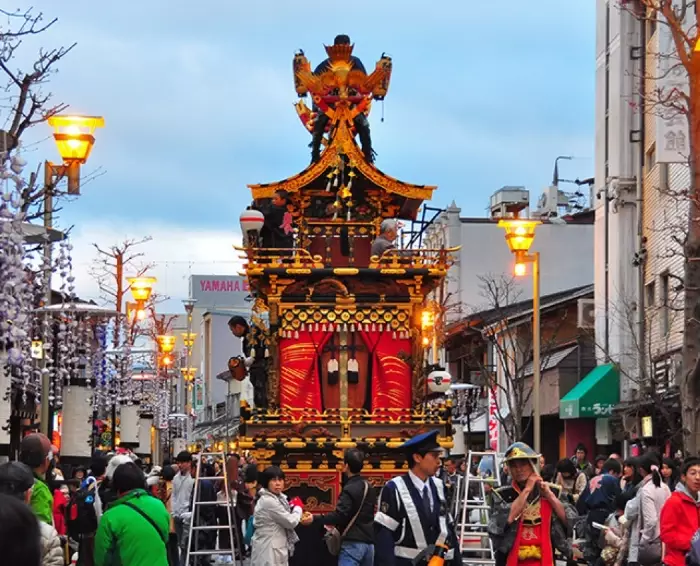
Planning Your Visit: Tickets, Views, and Kyoto Logistics
Here’s the practical stuff that turns a dream into a workable itinerary.
Getting a View of the Parade
You have three options, listed from best to worst:
- Paid Seating: This is non-negotiable for a good view. Seats are installed along the parade route (Shijo Street and Kawaramachi Street). They go on sale months in advance through official vendors like the Kyoto Tourist Information Center or convenience stores. Prices range from ¥2,500 to ¥4,500. Book the moment sales open.
- Free Spotting: Possible, but you need extreme patience. Stake out a spot on the route by 6:00 AM at the latest, and be prepared to stand for 5+ hours in the July heat. Side streets offering a glimpse will also be packed.
- Hotel Room with a View: Some hotels on the route (like the Ritz-Carlton or Hotel Granvia) have rooms or restaurants overlooking the street. These are booked over a year in advance and are extremely expensive.
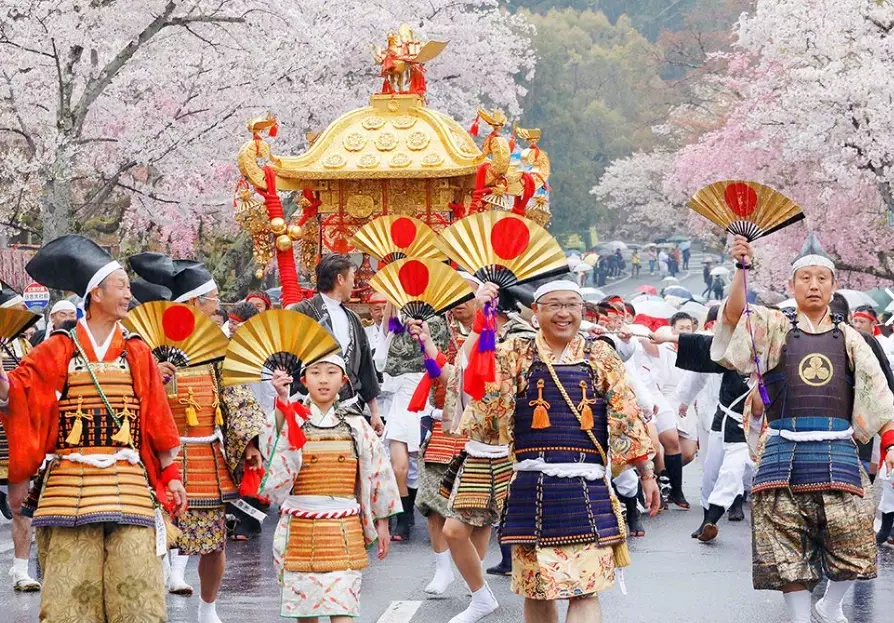
Kyoto During Gion Matsuri: The Reality
Kyoto is packed. Hotel prices triple. Restaurants have long waits. The main parade routes are closed to traffic, causing major transit delays.
Accommodation Hack: Look for hotels near subway stations on the Karasuma or Tozai lines, slightly away from the immediate downtown (e.g., around Nijo or Kyoto Shiyakusho-mae stations). You'll have better availability and prices, and a direct subway link to the action.
Transport: Use the subway. The Karasuma line runs parallel to the parade route. Buses will be rerouted and are painfully slow. Taxis are nearly impossible to find near the festival area.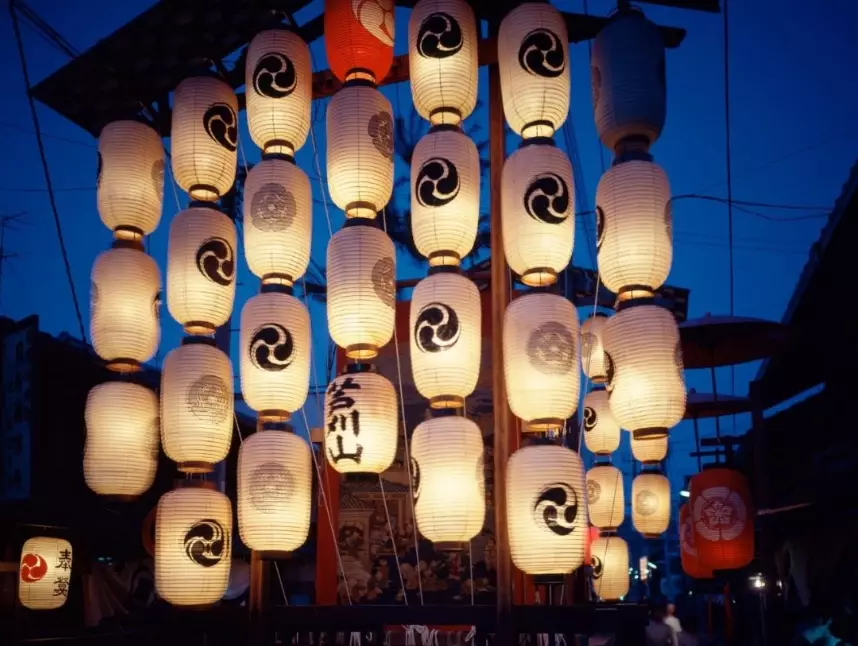
Expert Tips & Common Mistakes to Avoid
After attending multiple times, here’s what I wish I knew first.
- Hydrate like it's your job: July in Kyoto is brutally hot and humid. Carry water, use a fan, and wear a hat. There's little shade on the parade route.
- Forget the rickshaw idea: They don't operate on the closed streets during the main events. It's a walking-only zone.
- Explore the Float Districts Early: On the morning of the parade (before 7:00 AM), you can often see the final preparations and the teams assembling. It's a photographer's dream with fewer crowds.
- Visit the Yamaboko Exhibition: The Gion Matsuri Yamaboko Exhibition (near the Kyoto City Hall) is open year-round and displays stunning float details and artifacts. It's a great primer if you visit outside of July.
Japan Festival FAQ: Your Questions Answered
Which of Japan's top festivals is best for a first-time visitor with limited time?
If you're already in Kyoto, Gion Matsuri's Yoiyama night is a perfect, manageable taste. For a standalone one-day spectacle, Osaka's Tenjin Matsuri (July 25) is hard to beat—you get a procession, boats, and fireworks in a single evening, all in a more compact, navigable area than Kyoto's sprawling month-long event.
How difficult is it to book accommodation for Gion Matsuri, and when should I do it?
Extremely difficult. Hotels in central Kyoto sell out 6 to 12 months in advance for the peak nights (July 16, 17, 23, 24). My rule is to book accommodation the moment your travel dates are firm, even before flights. Consider alternative bases like Osaka (only 30 mins by train) if Kyoto is fully booked, though trains will be very crowded.
Is the Gion Matsuri parade worth it with young children?
The main parade day is challenging with kids due to the hours of standing, heat, and dense crowds. A much better family option is attending one of the Yoiyama evenings. The atmosphere is festive but more relaxed, there's space to move, and kids will love the street food and lantern-lit floats. If you do the parade, paid seating is an absolute must.
What's one thing most tourists miss at Gion Matsuri?
The Kippu-iri ceremony on the nights before the parades. This is when the float assembly is officially completed and a sacred Shinto staff is placed on top. It happens around 8-9 PM in each float district. It's a solemn, beautiful ritual attended mostly by locals, a stark and meaningful contrast to the festive chaos outside.
Can I visit Kyoto in July but avoid the festival crowds?
Yes, but you have to time it carefully. The first two weeks of July (before the 14th) are relatively normal, though you'll see float construction. The last week (after the 25th) also settles down. The middle two weeks are pure festival chaos. If serene temples are your goal, early July or a different season is better.




Share Your Thoughts