Festival Journey Map
So you're planning a trip, or maybe just curious, and you find yourself asking: what are the main festivals of Japan? It's a fantastic question because Japan's festival calendar isn't just a list of events; it's the living, breathing heartbeat of the country's culture. It's where ancient Shinto rituals shake hands with modern street parties, where silence meets deafening drums, and where you can truly feel the Japanese spirit.
I remember my first time stumbling upon a matsuri (that's the Japanese word for festival) in a small Kyoto alley. I hadn't planned it. The sound of flutes and the sight of locals in happi coats just pulled me in. That's the thing about Japan's main festivals – they have a way of finding you. But if you want to find them, you need a guide. Not just a list, but the real scoop on what makes each one tick, when to go, and what to expect beyond the postcard pictures.
Why Festivals are the Soul of Japan
Before we dive into the list, it helps to know why festivals matter so much here. In the West, we often treat festivals as entertainment. In Japan, they're often fundamentally religious or seasonal in origin. Many are tied to Shinto, the indigenous faith, and are acts of gratitude or requests for protection – good harvests, health, safety from disasters. Others are Buddhist observances honoring ancestors. This spiritual core is what gives them their powerful atmosphere, even when they've become huge tourist draws.
You'll see this blend everywhere. A riotous, beer-fueled street party might culminate in a solemn ritual at a centuries-old shrine. It's this contrast that makes experiencing Japan's main festivals so utterly captivating.
The Seasonal Rhythm: Japan's Main Festivals Through the Year
The best way to organize our search for the main festivals of Japan is to follow the seasons. Japan has a deep, almost poetic connection to the changing year, and its festivals are the markers of this passage.
Spring: Blossoms, Beginnings, and Renewal
Spring in Japan is synonymous with one thing: cherry blossoms (sakura). The whole country seems to exhale in relief as winter ends, and the festivals reflect this.
Cherry Blossom Festivals (Sakura Matsuri): This isn't a single event but a nationwide phenomenon from late March to early May. The main festivals of Japan in spring revolve around hanami (flower viewing). Parks like Ueno in Tokyo or Maruyama Park in Kyoto transform into day-and-night parties under the pink canopy. It's less about formal ceremony and more about communal celebration. The atmosphere is joyful, slightly wistful (the blossoms only last a week or two), and incredibly beautiful. The Japan National Tourism Organization provides a useful cherry blossom forecast each year, which is essential for planning.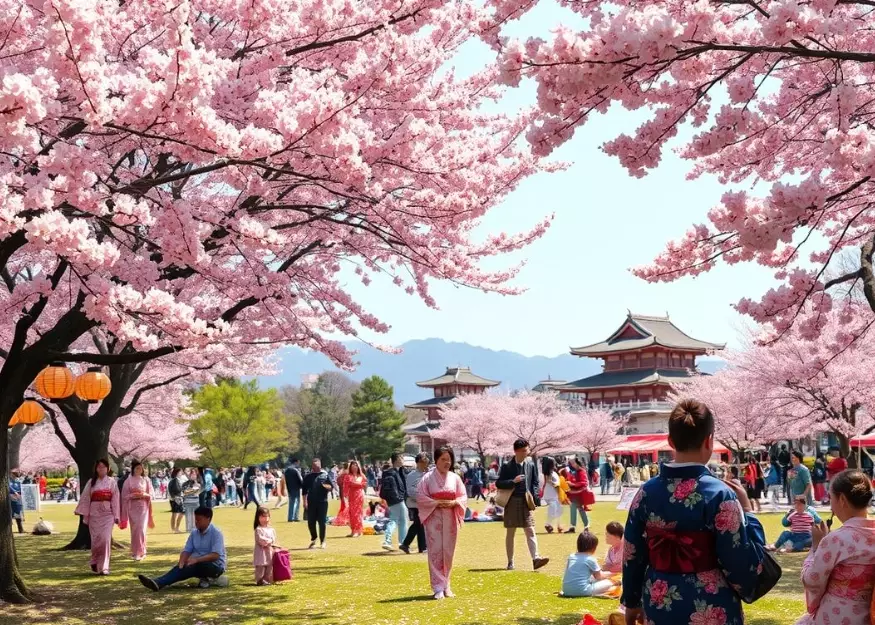
Golden Week (Late April/Early May): Now, this is a tricky one. It's not a festival per se, but a cluster of four national holidays that create Japan's longest vacation period. Travel is hellishly busy, but many local festivals are scheduled during this time. It answers a different part of "what are the main festivals of Japan?" – it's the main festive period.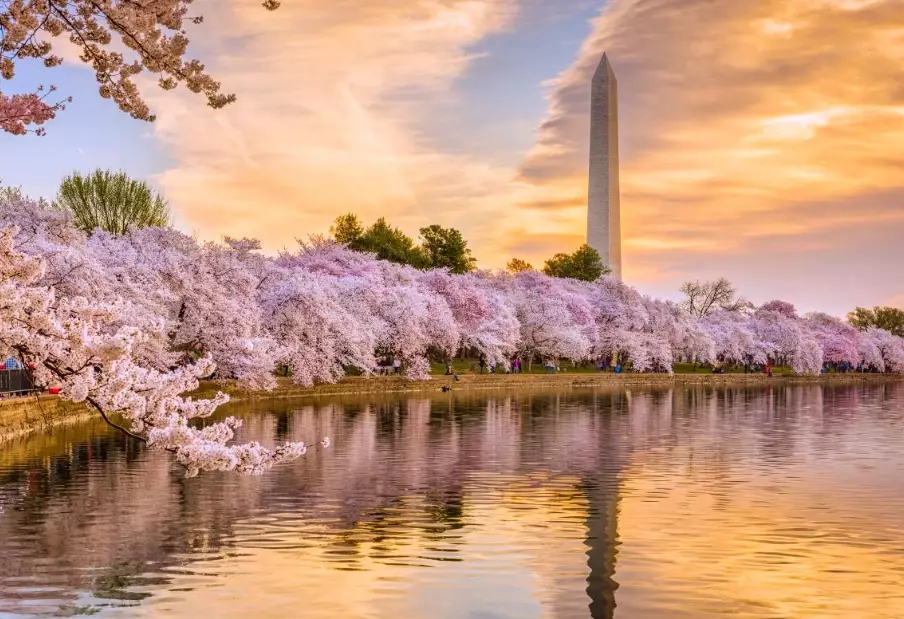
| Holiday | Date | What it's About |
|---|---|---|
| Showa Day | April 29 | Honoring the Showa Emperor and reflecting on the past. |
| Constitution Day | May 3 | Celebrating Japan's post-war constitution. |
| Greenery Day | May 4 | A day to appreciate nature. |
| Children's Day | May 5 | Celebrating children's health and happiness (originally Boys' Day). |
Summer: Fire, Drums, and Ancestors
Summer festivals are the blockbusters. They're loud, energetic, and often held to ward off the heat and bad spirits.
Obon (Mid-August): If you ask a Japanese person about the most important domestic festival, many would say Obon. It's a Buddhist event to honor the spirits of ancestors. It's not a single public spectacle you "attend" like a tourist; it's a family time where people return to their hometowns. Graves are cleaned, offerings are made, and special dances (Bon Odori) are performed in communities everywhere. While it's a quiet, family affair at its core, many towns hold public Bon Odori dances that visitors are welcome to join. The sight of people of all ages dancing in concentric circles to traditional music is hauntingly beautiful. To understand the cultural depth behind Japan's main festivals, reading about Obon's traditions is key.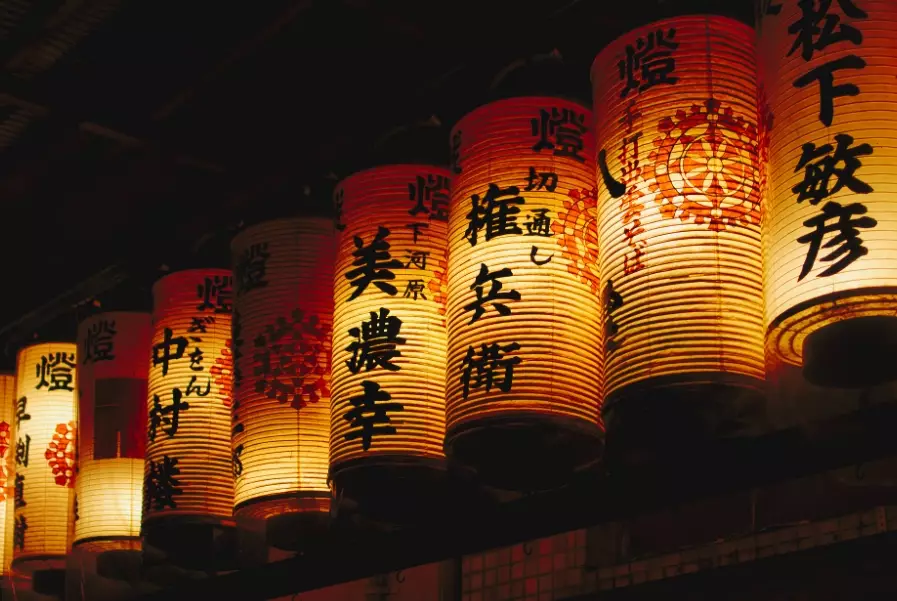
Gion Matsuri (Kyoto, July): This is the big one. Often cited as one of Japan's three great festivals, Gion Matsuri in Kyoto lasts the entire month of July, with the grand processions of floats (Yamaboko Junko) on July 17th and 24th. These are not just parades; they're moving museums of ancient craftsmanship. The floats can be up to 25 meters tall and weigh tons, pulled by hand through narrow streets. The atmosphere in the preceding nights (Yoiyama) is electric, with streets lined with food stalls and the floats on display, lit by lanterns. It's crowded beyond belief, but it's a spectacle that has defined Kyoto for over a thousand years.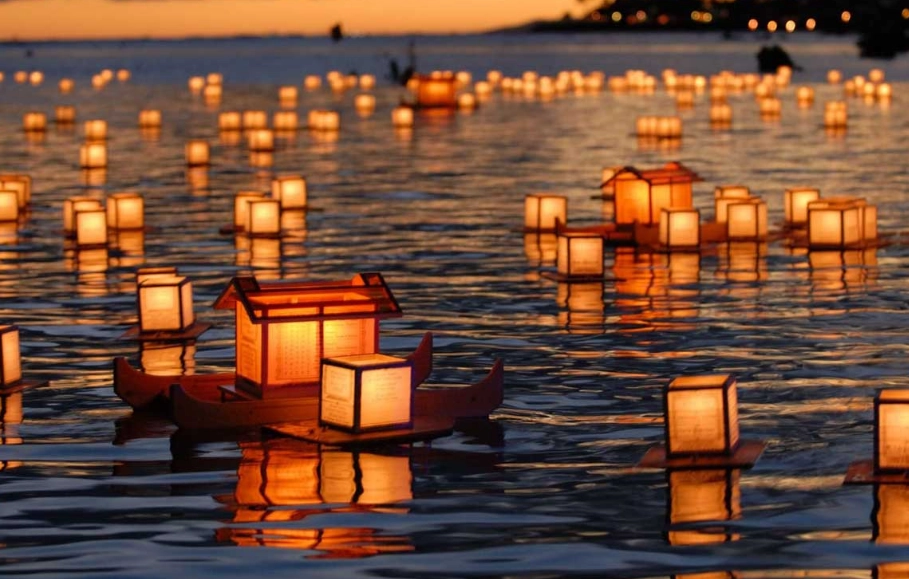
Tenjin Matsuri (Osaka, July 24-25): Another of the "three great festivals," Tenjin Matsuri is Osaka's fiery summer offering. The highlight is the spectacular boat procession on the Okawa River, where hundreds of boats, some carrying portable shrines (mikoshi) and traditional music performers, illuminate the waterway. It culminates in a massive fireworks display. It feels more fluid and maritime compared to Gion's stately land procession.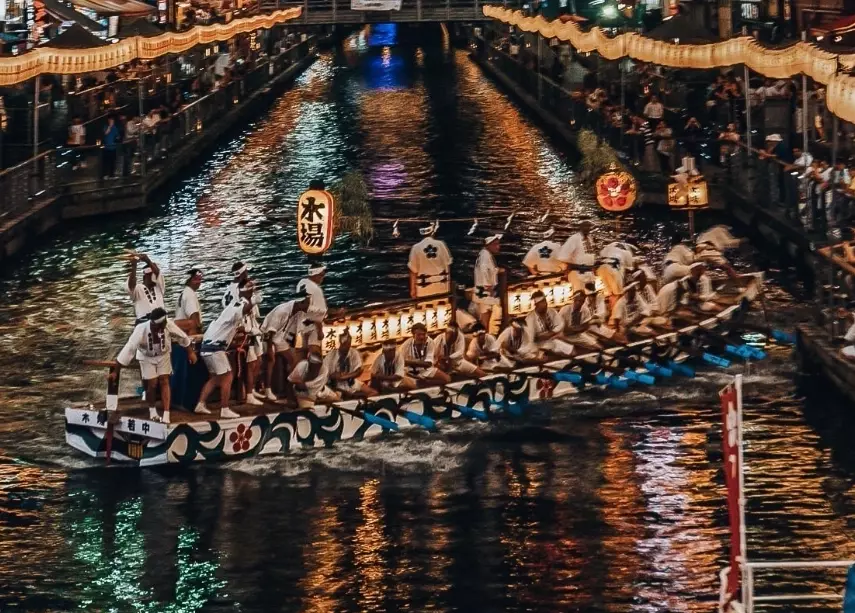
Nebuta Matsuri (Aomori, Early August): Up in the north, this festival is pure, unadulterated adrenaline. Giant, brilliantly illuminated paper lantern floats depicting warriors and gods are paraded through the streets, accompanied by thousands of dancers (haneto) chanting "Rassera!" The energy is infectious and raw. It's less polished than Kyoto's festivals and absolutely thrilling.
Autumn: Harvest, Moonlight, and Gratitude
As the heat breaks, festivals turn towards harvest gratitude and the appreciation of autumn's beauty.
Kishiwada Danjiri Matsuri (Osaka, September): This is arguably the most dangerous and macho of Japan's main festivals. Heavy, intricately carved wooden festival floats (danjiri) are pulled at breakneck speeds through the streets by teams of men. The floats make sharp, 90-degree turns at corners, a maneuver called yarimawashi, where men scramble on top to use their weight to steer. It's chaotic, risky, and utterly mesmerizing. It's a festival of raw strength and community pride.
Jidai Matsuri (Kyoto, October 22): The "Festival of the Ages" is a living history parade. Over 2,000 participants dressed in authentic costumes representing every period of Japanese history, from the Meiji era back to the Heian period, walk from the Imperial Palace to Heian Shrine. It's more solemn and educational than the summer raucousness, a visual timeline of Japan's sartorial and cultural history.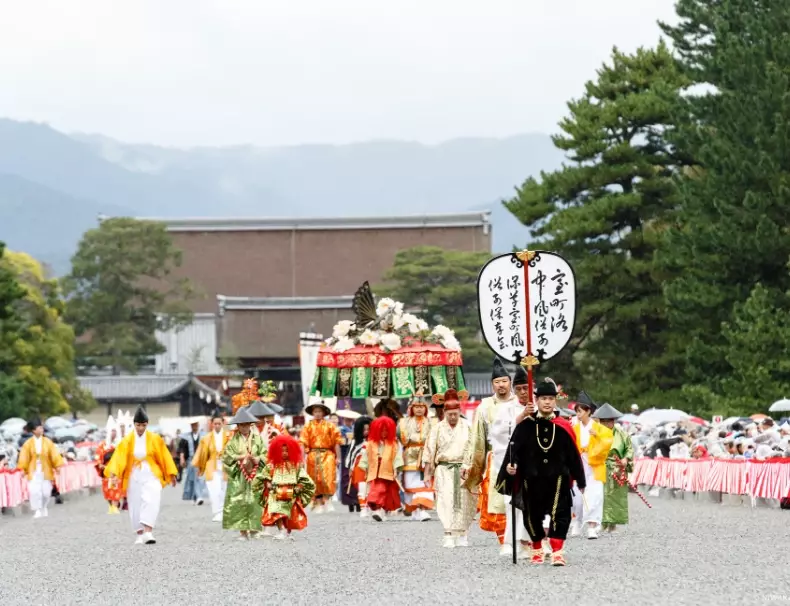
Winter: Lights, Purification, and New Beginnings
Winter festivals often involve light, symbolizing hope in the darkest time, and purification rituals for the coming year.
New Year (Shogatsu, Jan 1-3): This is the most important holiday in Japan, period. While it's a family time similar to Obon, the rituals are profound. People visit shrines or temples for hatsumode (the first visit of the year), eat special meals (osechi ryori), and exchange gifts. The atmosphere from December 31st into the early hours of January 1st at major shrines like Meiji Jingu in Tokyo is unforgettable – a mix of solemn prayer, cheerful celebration, and incredible crowds waiting to ring in the new year.
Setsubun (Feb 3 or 4): The day before the start of spring according to the old lunar calendar. The main ritual is mamemaki (bean throwing). People throw roasted soybeans out their doors or at a family member wearing an oni (ogre) mask, shouting "Oni wa soto! Fuku wa uchi!" ("Demons out! Luck in!"). It's a fun, quirky, and very photogenic family tradition. Major temples hold large-scale bean-throwing events with celebrities.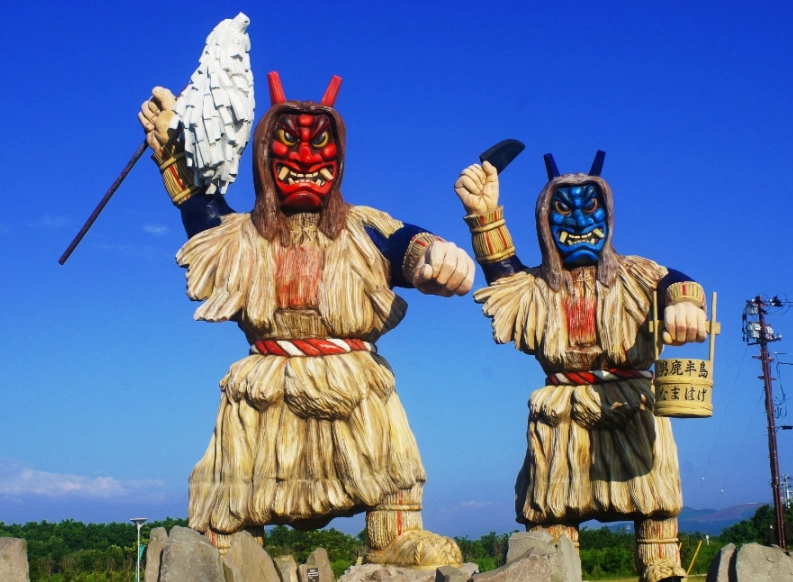
Sapporo Snow Festival (Hokkaido, February): A modern giant that has become one of Japan's main winter attractions. Massive, intricate snow and ice sculptures fill Odori Park. It's a testament to creativity and engineering, more of a spectacular winter event than a traditional religious festival, but it's unmissable if you're in Hokkaido in winter.
The Two Pillars: New Year and Obon
When Japanese people think of the main festivals of Japan for themselves, not for tourists, these two stand above all others. They are the bookends of the summer and winter holiday seasons, the times when the entire country's transportation system groans under the weight of people returning home. They are less about spectacle and more about family, ritual, and cultural continuity. Understanding these is key to answering "what are the main festivals of Japan?" from a local perspective.
Planning Your Festival Journey: Practical Tips
Knowing the names is half the battle. The other half is surviving and enjoying them.
- Book Early, Really Early: For major festivals like Gion, Tenjin, or Sapporo Snow Festival, hotels in the city can sell out months in advance. Prices also skyrocket.
- Embrace the Crowd: It will be packed. Wear comfortable shoes, keep your belongings secure, and have a plan for meeting points if you get separated from your group.
- Follow the Local Rules: Don't climb on structures to get a better view unless it's explicitly allowed. Be respectful during solemn moments. If a procession is coming, don't block the route.
- Cash is King: At festival food stalls (yatai), cash is almost always required. Get some beforehand.
- Use Official Resources: For precise dates, parade routes, and event maps, the official city tourism websites are invaluable. The Japan National Tourism Organization (JNTO) site is a great starting point to find links to local guides.
Your Festival Questions Answered
So, what are the main festivals of Japan? They're not just dates on a calendar. They're the thunderous drums of summer, the quiet lanterns of Obon, the first shrine visit of the year, and the shared wonder under a thousand cherry trees. They are Japan's culture in motion. The best way to answer the question for yourself is to pick one, book that flight (and hotel!), and let yourself be pulled into the crowd. You'll leave with more than just photos; you'll have felt the rhythm of Japan itself.
Maybe start with one of the giants like Gion or Nebuta. Or maybe pick a season you love and seek out its celebrations. Either way, understanding these festivals is your key to unlocking a deeper, more vibrant experience of Japan. Now you're not just asking "what are the main festivals of Japan?" – you're ready to go and live them.
Share Your Thoughts