You're in Kyoto, surrounded by ancient temples and serene gardens, and you've heard about Kintsugi – the centuries-old Japanese art of fixing broken pottery with gold. You want more than just a museum exhibit. You want to get your hands dirty, feel the lacquer, and understand the philosophy behind turning cracks into gold. That's exactly what a Kintsugi workshop in Kyoto offers. But here's the thing most blogs don't tell you: not all workshops are created equal. Some are glorified tourist traps where you just glue pieces together with epoxy and sprinkle gold dust. Others offer a profound, authentic glimpse into a demanding craft. I've tried both kinds. This guide cuts through the noise to show you how to find the real deal, what you'll actually learn, and how to walk away with more than just a souvenir.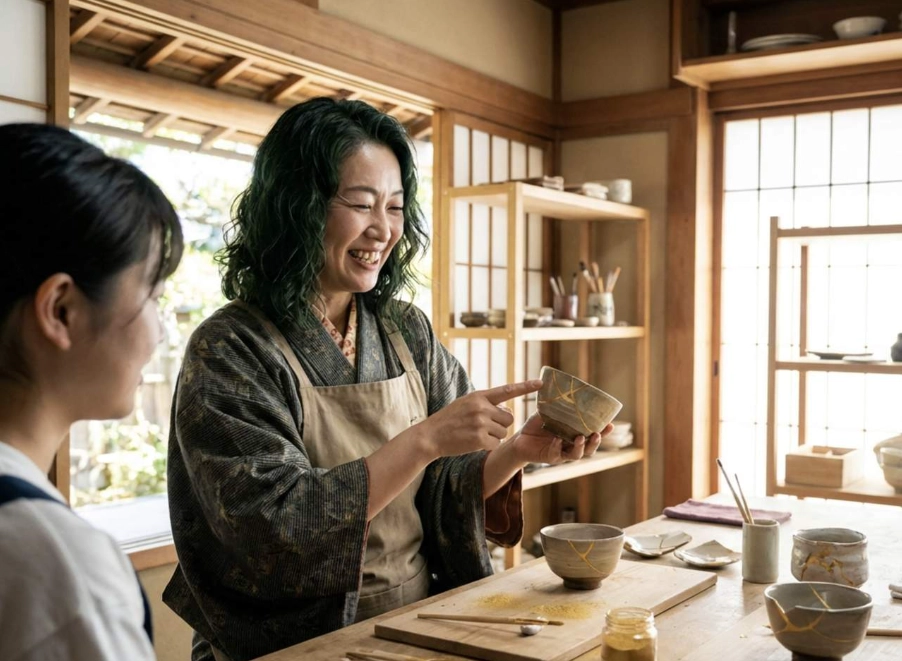
Jump to What You Need
What Exactly is Kintsugi and Why is it Special?
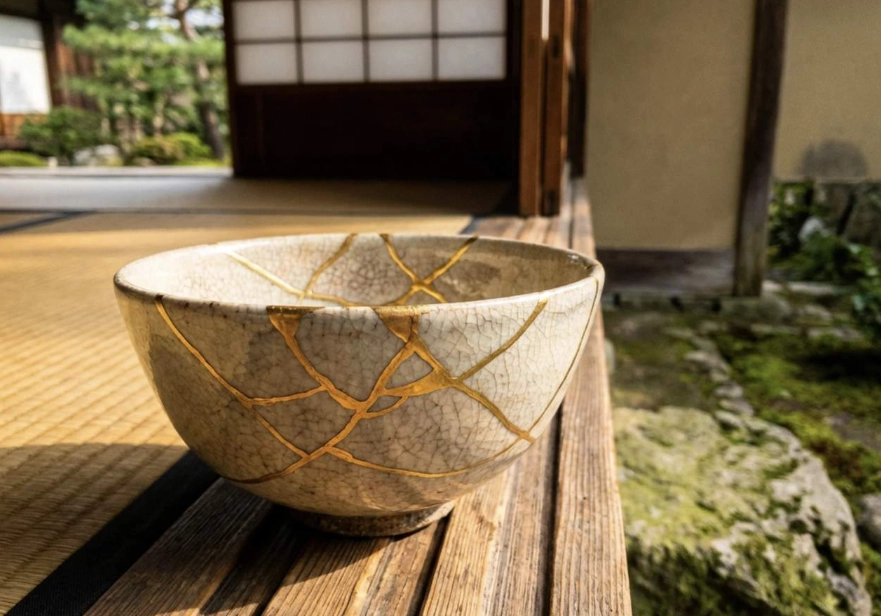
Forget superglue. Traditional Kintsugi uses urushi lacquer, a natural sap that's tricky to work with but incredibly durable. The process is slow, deliberate. It's not about hiding the break. It's the opposite. You highlight it with gold or silver powder, making the repair a visible, celebrated part of the object's history. This philosophy is rooted in wabi-sabi – finding beauty in imperfection and transience. When you join a workshop, you're not just doing a craft. You're engaging with a mindset. A common mistake beginners make is rushing to finish their piece. The master I learned from in a back-alley studio near Gion would gently remind us, "The lacquer sets on its own time. Not yours." That patience is the first lesson.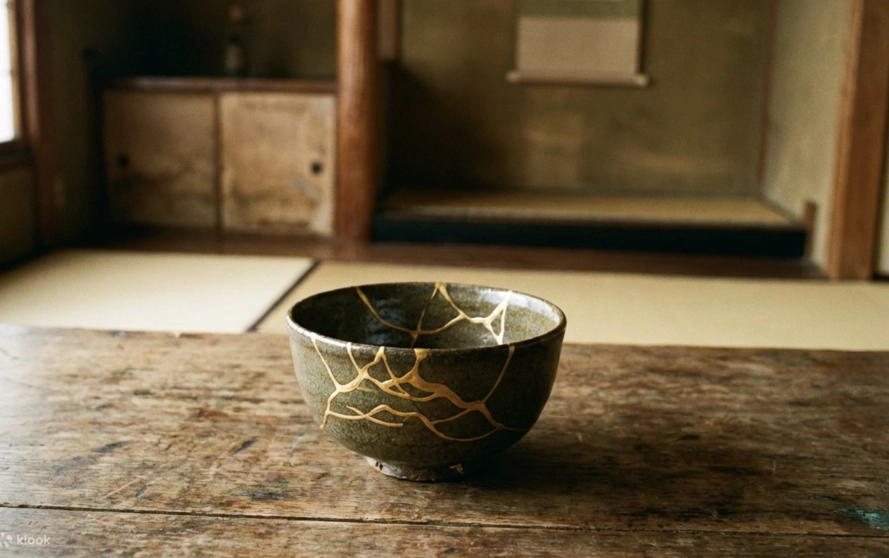
How to Choose the Right Kintsugi Workshop in Kyoto
This is where most people go wrong. They book the first workshop that pops up on a travel site. Let's break down the real choices.
Authentic vs. Modern Shortcut Workshops
Authentic Workshops use real urushi lacquer. The process is multi-step and can't be finished in one day. You'll often do the initial bonding in the session and return later for polishing and final touches, or the studio will mail your piece to you. It's a commitment to the real craft. The downside? Urushi can cause skin reactions (like poison ivy) for some, so gloves are mandatory.
Modern/Shortcut Workshops use safe, fast-drying adhesives like epoxy or synthetic lacquer. You complete the entire piece in 2-3 hours and take it home. Is it "real" Kintsugi? Purists say no. But for a meaningful, hands-on introduction to the philosophy and technique, it's fantastic. It's the best option for most travelers with limited time.
Key Questions to Ask Before Booking
Look beyond the price and pretty pictures. Email or check the website for these details:
- Materials: Do you use traditional urushi or a modern adhesive?
- Take-home item: Do I finish and take my piece home today? If using urushi, what is the completion process?
- Language: Is instruction available in English? Many smaller, authentic studios may only have Japanese guides.
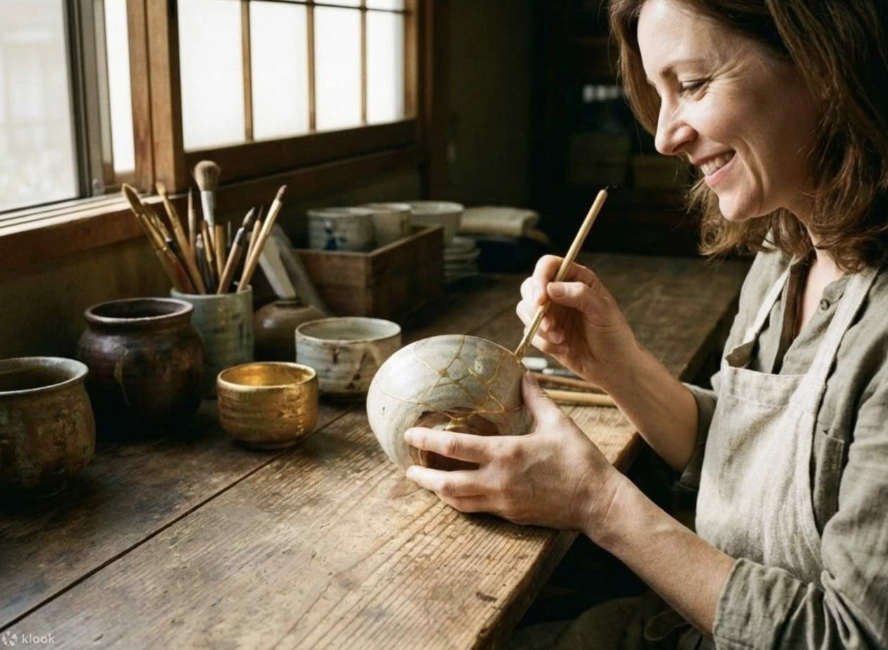
- What's provided: Do I need to bring my own broken item? Most provide a pre-broken ceramic piece (a bowl, cup, or plate). Bringing your own cherished broken item is often possible but requires prior consultation and may cost extra.
Top Kyoto Kintsugi Workshops: A Detailed Comparison
Based on my own visits and extensive chats with fellow enthusiasts, here are three highly recommended options that cater to different needs. Prices are approximate and can change.
| Workshop Name (Area) | Style & Duration | Price (per person) | What You Do & Take Home | Best For |
|---|---|---|---|---|
| Kintsugi Art Experience (Central Kyoto) Near Karasuma-Oike station. |
Modern, 2.5-hour session. Multiple daily slots. |
¥8,800 - ¥11,000 | Use safe adhesive and real gold powder on a provided piece (like a teacup). You complete and take it home the same day. Clear English instruction. | First-timers, families, those on a tight schedule who want a tangible souvenir. |
| Traditional Urushi Kintsugi Course (Higashiyama) A quieter area near temples. |
Authentic, multi-day process. First session: 3 hours. |
¥18,000+ (for full process) | Learn the first steps of true urushi bonding on a small item. The studio completes the final steps (drying, polishing, applying gold) over weeks and ships it to you internationally. | Serious learners, artists, anyone wanting the genuine, unhurried traditional craft. |
| "Mend Your Own Treasure" Workshop (Arashiyama) In the scenic bamboo forest area. |
Modern, 3-hour private session. | ¥15,000 - ¥25,000 (varies by item) | You bring your own broken item (a vase, plate, etc.). The instructor guides you through a personalized repair using high-quality modern materials. Very hands-on. | Those with a specific broken heirloom or piece they want to restore. A deeply personal experience. |
Booking is essential for all, usually through their website or platforms like Airbnb Experiences. For the traditional course, booking months ahead for peak seasons (spring/fall) is wise.
What to Expect During Your Kintsugi Workshop: A Step-by-Step Walkthrough
Let's say you've booked a 3-hour modern workshop. Here’s how your afternoon will likely unfold, based on my last session.
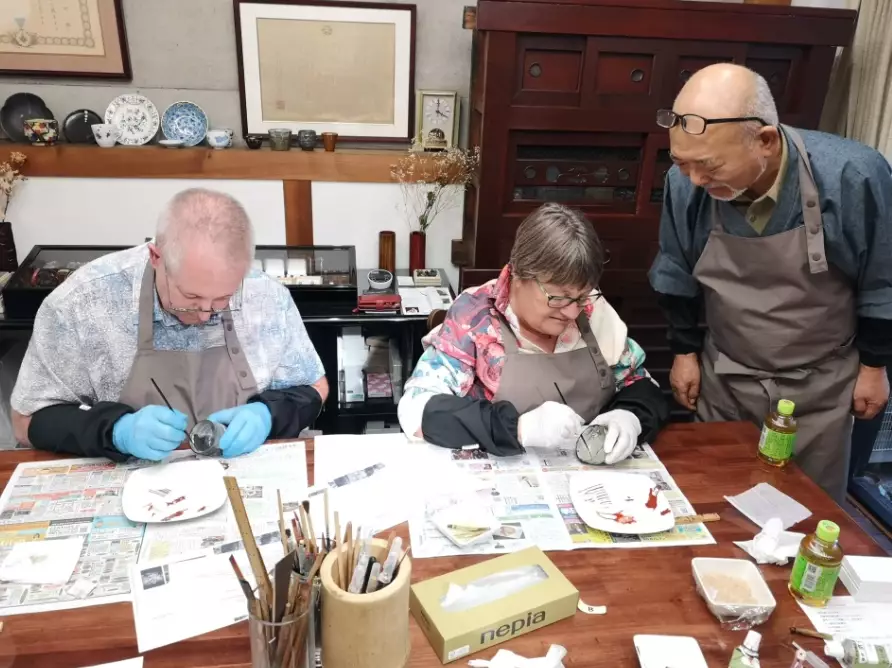
You arrive at a small, quiet studio—not a big tourist hall. The tools are laid out: a pre-broken ceramic bowl, special adhesive, spatulas, gold powder, and brushes. The instructor starts not with technique, but with a short talk about wabi-sabi. It sets the tone.
Step 1: The Fit. You puzzle the pieces together. It seems simple, but getting a tight fit is crucial. A tiny gap means more adhesive will show. This is where you learn patience.
Step 2: Mixing and Applying. You mix the two-part adhesive. The instructor shows you how to apply a thin, even line along the crack. Too much and it oozes out, ruining the clean line. This is the step most people mess up by being too generous. Less is more.
Step 3: The Wait. You clamp the pieces and wait for the adhesive to set enough to handle. This is tea time. You chat with the instructor and other participants. It’s a nice, forced pause.
Step 4: The Gold. After cleaning excess adhesive, you mix the gold powder with a clear coating and paint it over the repaired seam. The transformation is instant and magical. The crack is now a shining, golden river across your bowl.
You leave with your bowl wrapped carefully, and a surprising sense of accomplishment. You didn't just fix something; you made it new in a different way.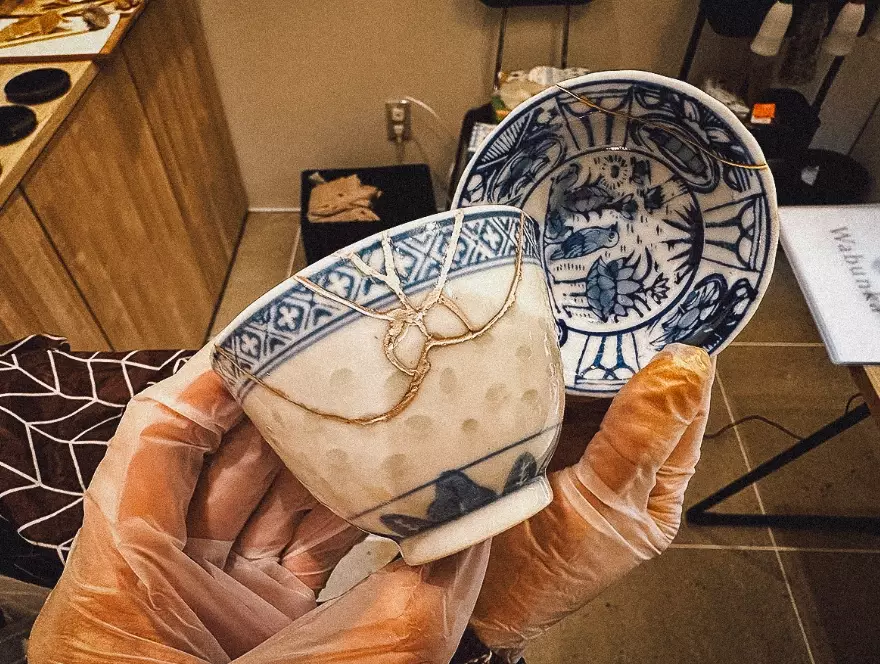
Planning Your Visit: Booking, Location & Insider Tips
Most quality workshops are in central Kyoto (like near Gion or Karasuma) or in cultural hubs like Arashiyama. They're rarely right next to major train stations, so factor in a 10-15 minute walk. Use Google Maps or a local app like Jorudan for precise directions.
When to Book: At least 2-4 weeks in advance. For popular studios or weekend slots during cherry blossom or autumn leaves season, aim for 2-3 months.
What to Wear: Comfortable clothes you don't mind getting a little dirty. Avoid loose sleeves that could drag across your work. The adhesive used in modern workshops washes off skin easily but can stain fabrics.
My biggest tip: Don't schedule your workshop on the same day as a packed temple-hopping itinerary. Your mind will be elsewhere. Give it a half-day of its own. Maybe pair it with a visit to a quieter temple like Ginkaku-ji (the Silver Pavilion), which embodies wabi-sabi aesthetics, to really soak in the philosophy.
Frequently Asked Questions (From a Practitioner's View)
 Can I bring a very old or valuable family heirloom to repair?
 Finding the right Kintsugi workshop in Kyoto isn't about checking a box on a tourist list. It's about choosing the depth of experience that matches your curiosity. Whether it's a condensed 2-hour introduction or the start of a months-long traditional process, you're participating in a living philosophy. You learn that repair isn't about going back to how things were, but about moving forward with visible history. And in a city like Kyoto, where history is felt in every stone and garden, that lesson feels perfectly at home.



Share Your Thoughts