In This Article
- What Does "First Class" on the Shinkansen Actually Mean?
- The Cost: The Big, Unavoidable Question
- Who Is First Class On The Shinkansen *ACTUALLY* For?
- Gran Class: The Next Level. Is *That* Worth It?
- How to Book & Practical Tips
- Frequently Asked Questions (The Stuff You're Actually Wondering)
- The Final Verdict: So, Is It Worth Going First Class on Shinkansen?
You're planning your Japan trip, staring at the Japan Rail Pass options or the ticket booking site. The choice pops up: Ordinary Car or Green Car (that's first class). The price difference is… significant. Your brain starts the debate. Is it worth going first class on Shinkansen? Is it just a slightly bigger seat, or a whole different travel universe? I've been there, staring at that upgrade button, wallet whimpering. I've done both, many times. Let's cut through the marketing and talk about what you actually get, who it's for, and when you should just save your yen for an extra bowl of ramen.
This isn't a simple yes or no. It's a “it depends on you” kind of answer. We're going to dig into the seats, the space, the quiet, the little perks, and the very real cost. By the end, you'll know exactly if first class on the bullet train aligns with your travel style and budget.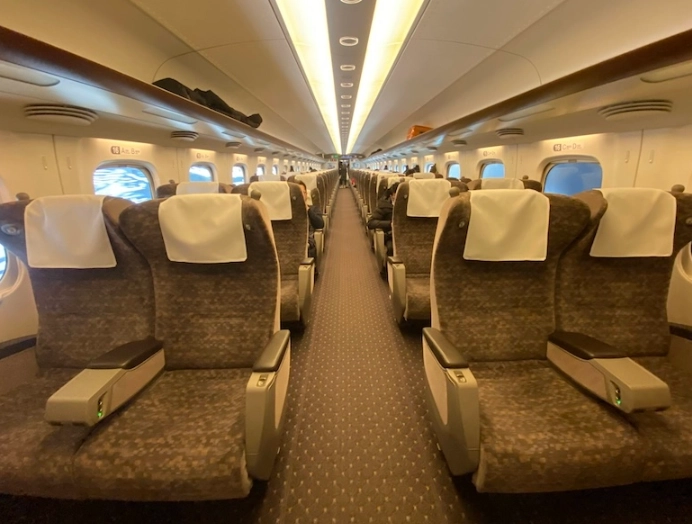
What Does "First Class" on the Shinkansen Actually Mean?
First off, let's clear up the names. Most people say "first class," but the official term is usually Green Car (グリーン車). It's denoted by a green clover symbol. Then there's the top-tier, found on certain lines like the Tohoku, Hokkaido, and Hokuriku Shinkansen: Gran Class (グランクラス). Think of Green Car as business class and Gran Class as first class. Most of your decision will be about Green Car versus Ordinary Car, as Gran Class is a whole other level of expense.
The core experience isn't about champagne fountains (you won't find those). It's about space, peace, and comfort. An Ordinary Car can be bustling, lively, sometimes noisy with tourists and commuters. A Green Car is… serene. It's a noticeable shift in atmosphere the moment you step in.
The Tangible Perks: What You're Really Paying For
Let's break down the concrete benefits. This is where we answer "what's in it for me?"
The Seat: It's All About the Recline (And the Legroom)
The biggest difference is physical. Ordinary Car seats are fine, really. But Green Car seats are wider, have more padding, a deeper recline, and a proper leg rest. For a journey of 2-3 hours or more, this transforms the experience from "sitting" to "lounging." The legroom is generous. I'm tall, and I can fully stretch out without touching the seat in front. That alone can be worth the upgrade on a long haul to Kyoto or Hiroshima.
Gran Class seats are another world—fully reclinable sleeper-style seats with extendable leg and foot rests, wrapped in luxurious fabric or leather.
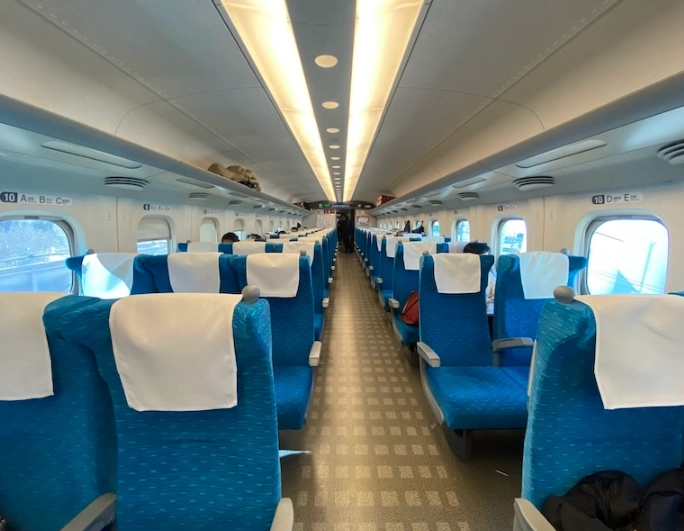
Space and Crowds: Green Cars have a 2+2 seating configuration instead of 3+2. Fewer seats per row automatically means more personal space and wider aisles. It also means it's much less likely to be full. You almost never see people standing in the Green Car, while during peak seasons (golden week, obon) Ordinary Cars can get packed, with reserved seats full and people cramming into non-reserved cars. If you dread the thought of a crowded train, this is a major point.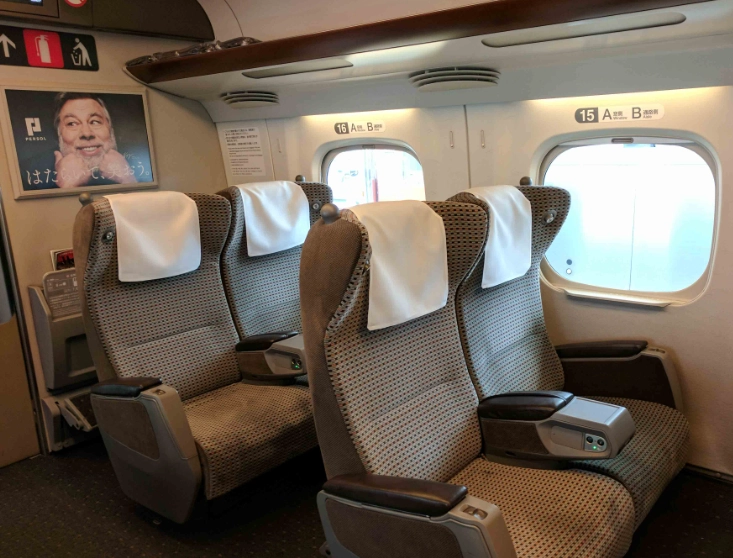
Quiet. Oh, the quiet.
There's an unspoken rule of near-silence in the Green Car. People work on laptops, read, sleep, or whisper. You won't find groups chatting loudly or kids running around. It's a mobile sanctuary. For me, this is the single biggest luxury. After a hectic day of Tokyo sightseeing, sinking into a quiet Green Car seat for the trip to Osaka is a decompression chamber.
The Service and Little Extras
Attendants come through the Green Car more frequently with a drink and snack trolley. You get a complimentary oshibori (hot towel) and a drink (often tea or coffee). It's a nice touch. In Gran Class, this elevates to a full meal and drink service, often with local specialties. In Green Car, don't expect a free meal—it's a simple refreshment.
Power outlets are guaranteed at every seat in Green and Gran Class. In Ordinary Cars, they're common but not always universal, especially in older train sets. For the digital nomad or the phone-addicted traveler, this is peace of mind.
My personal rule of thumb? Any journey over 2.5 hours, I seriously consider the Green Car. The comfort dividend just pays off. For a quick 1-hour hop from Tokyo to Utsunomiya? I'd probably save the money.
The Cost: The Big, Unavoidable Question
Alright, let's talk numbers. This is where the rubber meets the road. The premium isn't fixed; it's a percentage on top of your base fare and express charge.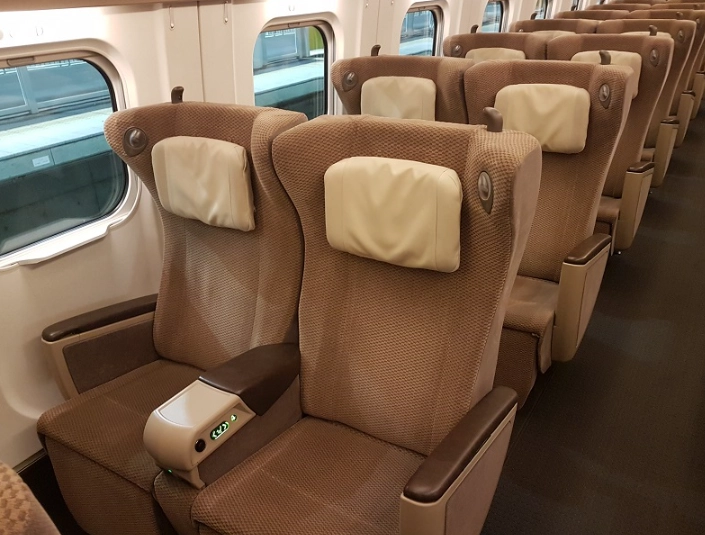
Here’s a rough comparison for a one-way, reserved seat on the Tokaido Shinkansen (Tokyo to Kyoto). Remember, the total fare is Base Fare + Express (Shinkansen) Charge + Green Car Charge (if applicable).
| Ticket Type | Approx. Cost (One Way) | Key Features | Best For... |
|---|---|---|---|
| Ordinary Car, Non-Reserved | ~13,320 yen | Basic seat, find a spot in non-reserved cars (1-3). Can be crowded. | Budget travelers, short trips, flexible timing. |
| Ordinary Car, Reserved | ~14,320 yen | Guaranteed seat in a specific car/row. More peace of mind. | Most travelers, peak travel times, families. |
| Green Car (First Class), Reserved | ~19,320 yen | Spacious 2x2 seat, quiet cabin, complimentary drink/towel, priority outlets. | Long journeys, comfort seekers, business travel, those valuing quiet. |
| Gran Class (Premium First Class) | ~32,320 yen+ | Ultra-wide reclining seat, full meal & drink service, premium amenities. | Special occasions, ultimate splurge, treating yourself. |
So, for Tokyo to Kyoto, the jump from a reserved Ordinary seat to a Green Car seat is about 5,000 yen (roughly $35 USD). That's a decent lunch for two, or a nice dinner. Is the upgrade worth that? For a 2-hour 20-minute journey, that's the calculus you need to do.
The Japan Rail Pass complicates things. The ordinary pass only covers Ordinary Cars. To use the Green Car, you must buy the more expensive Japan Rail Pass Green Car version. The price difference for a 7-day pass is substantial. You need to be sure you'll use the Green Car enough to justify that upfront premium.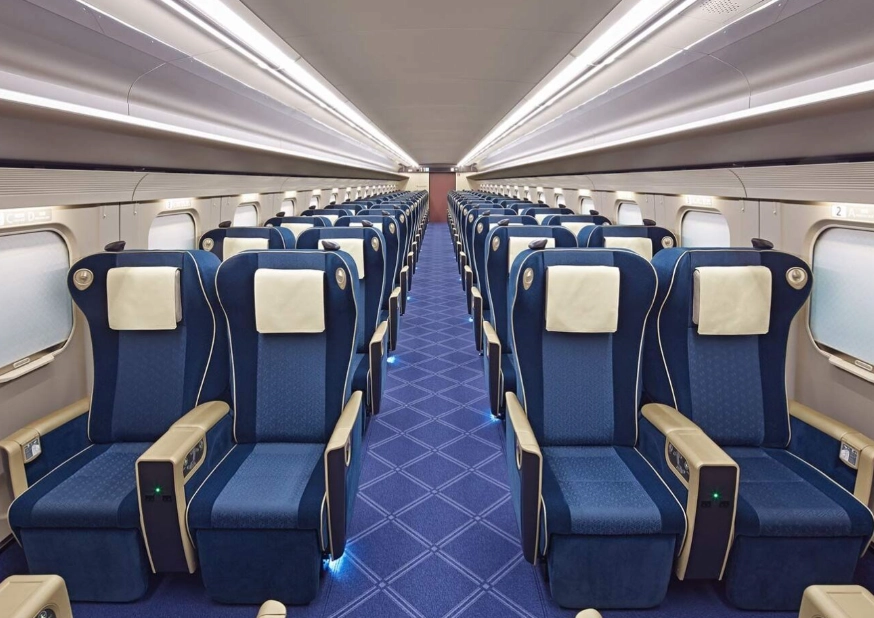
Here's a negative: The value plummets on very short trips. Paying a 40-50% premium for a 50-minute ride to Odawara feels silly. You barely have time to enjoy the seat or the quiet.
Who Is First Class On The Shinkansen *ACTUALLY* For?
Let's match profiles to the product. This might help you see yourself in the picture.
The Perfect Candidate for Green Car
- The Long-Distance Traveler: Heading from Tokyo to Hakodate (4+ hours)? To Fukuoka (5 hours)? Absolutely, yes. Your back and sanity will thank you.
- The Height- or Size-Advantaged Person: If you're tall or larger-framed, the extra space isn't a luxury; it's a necessity for a comfortable trip.
- The Peace and Quiet Craver: Introverts, weary travelers, people who just want to zone out with a podcast or book without ambient chatter. This is your haven.
- The Business Traveler (Expense Account): This is a no-brainer. Getting work done in transit is easier in the quiet, with guaranteed power.
- Those with Ample Luggage: While all Shinkansen have overhead racks, the less crowded Green Car makes managing large suitcases less stressful. Some trains also have dedicated luggage space in the Green Car.
On the flip side, who might want to skip it?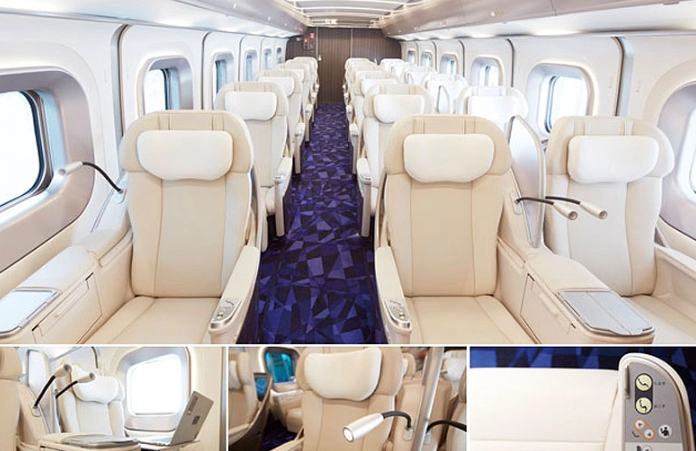
Budget-first backpackers. Your money is better spent on experiences, food, and accommodation. The Ordinary Car is perfectly functional.
Short-hop travelers. Tokyo to Nagoya? Maybe not.
Social travelers who thrive on energy. If you enjoy the buzz of a train and might chat with fellow travelers, the hushed Green Car might feel restrictive.
Families with young, energetic kids. The pressure to keep them perfectly quiet in the Green Car might add stress. An Ordinary Car reserved compartment might be more relaxed for everyone.
See where you fit?
Gran Class: The Next Level. Is *That* Worth It?
Gran Class is a different conversation. We're talking about a seat that rivals business class on some airlines, with a multi-course meal, premium drinks (alcohol included), and exceptional service. The price is often double that of the Green Car.
I tried it once on the Hokuriku Shinkansen to Kanazawa. It was incredible. The seat was phenomenal, the food was a beautiful presentation of local ingredients, and the service was discreet and attentive. But here's my honest take: as a tourist, it felt almost too luxurious for a train ride. It's an experience in itself. Is it worth going first class on Shinkansen at this Gran Class level? Only if you view the journey as a core part of your luxury travel experience, or if it's a very special occasion (honeymoon, anniversary, big celebration). For most people, the Green Car provides 80% of the comfort benefit at half the price.
How to Book & Practical Tips
If you've decided to go for it, here's how. You cannot just walk into the Green Car with an ordinary ticket; you need the correct fare.
- At the Station: Go to the JR ticket office (Midori-no-madoguchi) or a ticket machine that handles Green Car tickets. Specify "Green Car" when buying your Shinkansen ticket. You'll get a special ticket.
- With a Japan Rail Pass: You must have purchased the Green Car version of the pass. Then, you go to the ticket office to get a complimentary Green Car reservation for your desired trip. Don't forget this step!
- Online: On official sites like the JR East Eki-Net or JR West SmarTex, you can select Green or Gran Class when making a reservation. This is often the easiest way for foreign travelers with credit cards.
Pro Tip: Some credit cards or frequent flyer programs offer points redemption for Green Car tickets. Check your benefits before paying cash!
Frequently Asked Questions (The Stuff You're Actually Wondering)
Can I use my Ordinary Japan Rail Pass to just pay the Green Car upgrade fee?
No. The ordinary pass does not allow you to pay a supplement. You must have the Green Car Pass. This is a common point of confusion.
Is the food in Gran Class really that good?
Yes. It's not airplane food. It's crafted by chefs, uses seasonal and local ingredients, and is presented beautifully. It's a proper dining experience.
What about luggage? Is there more space?
Officially, the luggage rules (size/number) are the same. However, the larger overhead bins and generally lower passenger count make it easier to store luggage without feeling cramped. Some newer train sets (like E7/W7 series) have dedicated oversized luggage compartments in some Green Cars.
I'm traveling with a partner. Does it make a difference?
Maybe. The 2+2 seating means you're always sitting side-by-side, not with one of you in a middle seat (as can happen in Ordinary 3+2). For couples, it's a more intimate and comfortable setup.
Is it ever okay to talk in the Green Car?
Quiet, brief conversations are fine. Just be mindful. Long, loud phone calls or group chats are a major faux pas. Use the deck between cars for calls.
The Final Verdict: So, Is It Worth Going First Class on Shinkansen?
It's not a universal yes. But it's a very strong "it depends." Let's summarize with a final checklist.
Consider Green Car if: Your journey is longer than 2.5 hours. You highly value quiet and personal space. You are tall or need more room. You're on a business trip or need to work. Your budget has some flexibility for comfort. You're traveling during a peak, crowded season.
Stick with Ordinary Car if: Your trip is short (under 2 hours). Your budget is very tight. You enjoy the lively atmosphere of a train. You're with a group or family where quiet isn't the priority.
For me, the question "Is it worth going first class on Shinkansen?" is answered by looking at the length of the journey and my state of mind. After a long trip walking 20,000 steps a day, the upgrade to Green Car feels less like an extravagance and more like essential recovery. It turns a mere transit leg into a peaceful, comfortable interlude. That, for many travelers, is the real worth—not just a bigger seat, but a calmer, more restored arrival at your next incredible Japanese destination.
Ultimately, you won't regret trying it at least once on a long route. It might just change how you see train travel forever. And if you don't think it's worth it? Well, you've got more yen for sushi, and that's never a bad thing either.


Share Your Thoughts