Quick Guide
Let's be honest. You type "most beautiful temple in Kyoto" into Google, and you're immediately bombarded with the same handful of pictures. The glittering Gold Pavilion. The sweeping wooden stage of Kiyomizu-dera. They're stunning, no doubt. But is that really the whole story? Is beauty in Kyoto only about the postcard-perfect, crowd-packed icons?
Having spent more time wandering Kyoto's temple grounds than I'd care to admit (it's a tough job, but someone's gotta do it), I've come to a different conclusion. The beauty of Kyoto's temples is a layered thing. It's in the blinding gold leaf, sure. But it's also in the quiet moss of a hidden garden, the smell of old wood and incense, the way the light filters through paper screens, and the profound sense of peace that can, sometimes, be found if you know where and when to look.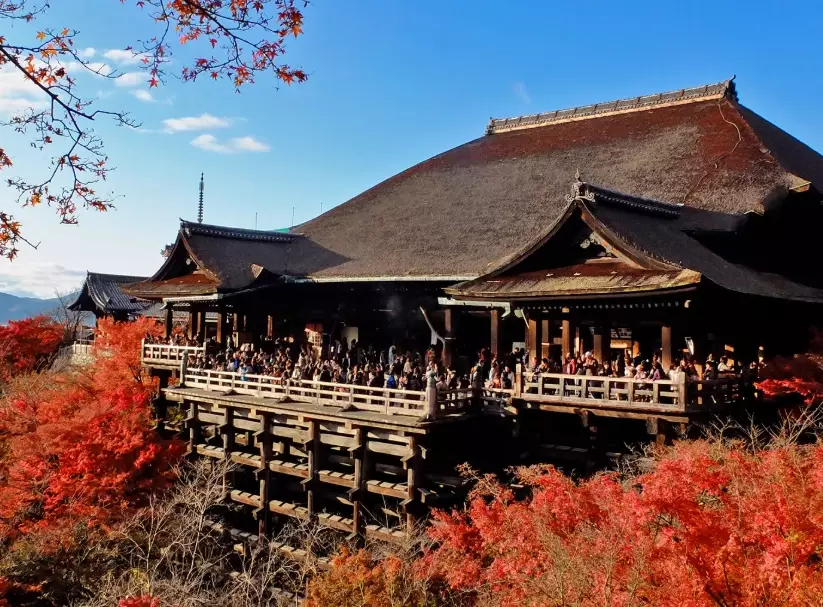
So, if you're trying to decide which temple deserves a spot on your limited itinerary, this isn't just another list. This is a breakdown. A comparison. A bit of a reality check, even. We'll talk about the famous ones, the underrated ones, and what "beauty" actually means in the context of a thousand-year-old city.
What Makes a Temple ‘Beautiful’ Anyway?
Before we dive in, we need to define our terms. Because your idea of the most beautiful temple in Kyoto might be completely different from mine, and that's okay. It depends on what you're after.
Architectural Grandeur
This is the obvious one. The soaring pagodas, intricate woodwork, vast halls, and dramatic settings. Think of Kiyomizu-dera's main hall, built on a mountainside with hundreds of wooden pillars. It's an engineering and aesthetic marvel. This kind of beauty is immediate and impressive.
Garden & Natural Harmony
For many, the true soul of a Kyoto temple lies in its garden. The meticulous dry landscape (karesansui) rock gardens of Ryoan-ji, where 15 rocks are arranged so you can never see all at once from any angle. The lush, vibrant moss carpet of Saiho-ji (the Moss Temple). This beauty is contemplative, asking you to sit and look deeper.
Atmosphere & Feeling
This is the intangible one. The hushed silence in a dimly lit hall. The sound of a water basin (tsukubai) dripping. The absence of crowds. A temple can be architecturally simple but have an atmosphere so thick and peaceful it takes your breath away. This is often where the hidden gems shine.
See? Already it's complicated. The most beautiful temple in Kyoto for a photographer might be a nightmare for someone seeking meditation. So let's get into the contenders.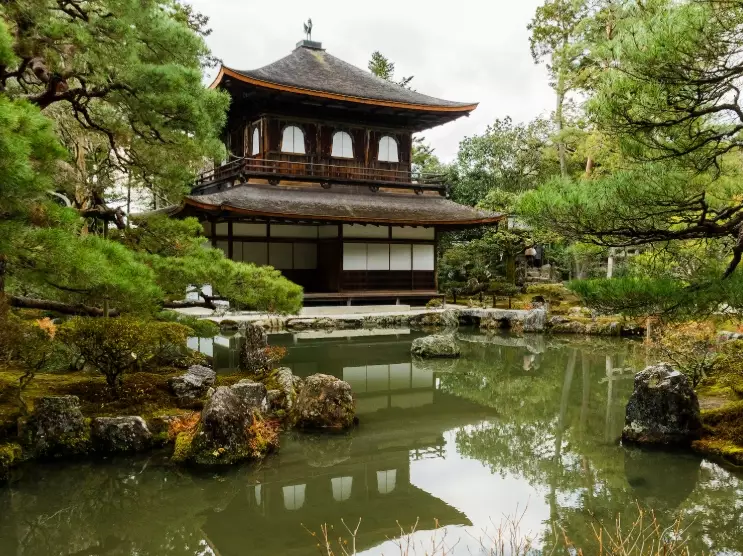
The Contenders: Kyoto's Most Beautiful Temples
Here’s where we lay them all out. I've split them into categories because, as we just agreed, comparing a golden palace to a moss garden is like comparing apples to very serene, zen oranges.
The Iconic Showstoppers (The Usual Suspects)
These are the temples you know. They are breathtaking. They are also very, very busy. Their beauty is undeniable but often shared with hundreds of others.
Kinkaku-ji (The Golden Pavilion)
Okay, let's get this out of the way. Yes, it's stunning. The top two floors completely covered in gold leaf, reflecting perfectly in the mirror pond (Kyoko-chi). It's surreal, almost like a piece of jewelry placed in a garden. It is, for many, the definitive image of the most beautiful temple in Kyoto.
But here's my take.
The experience is... linear. You follow a set path, get your shot from across the pond (the same shot everyone gets), and move on. It feels more like visiting a magnificent museum piece than a living temple. It's a 10/10 for visual impact, but the atmosphere can feel rushed. Go at opening time or on a weekday if you can. The official Kinkaku-ji website has the details, but honestly, you just need to know it's golden and crowded.
Kiyomizu-dera
Perched on the side of Mount Otowa, its main hall's wooden stage is an icon. The view over Kyoto is phenomenal, especially during cherry blossom or autumn foliage seasons. The temple complex is vast, with multiple halls, pagodas, and the famous Otowa Waterfall. There's a raw, powerful beauty here.
The climb up through the historic Higashiyama district is part of the charm. However, the crowds on that main stage can be overwhelming. It's a place of energy and grandeur, less of quiet contemplation. For a comprehensive history and visitor info, the Kiyomizu-dera official site is a great resource.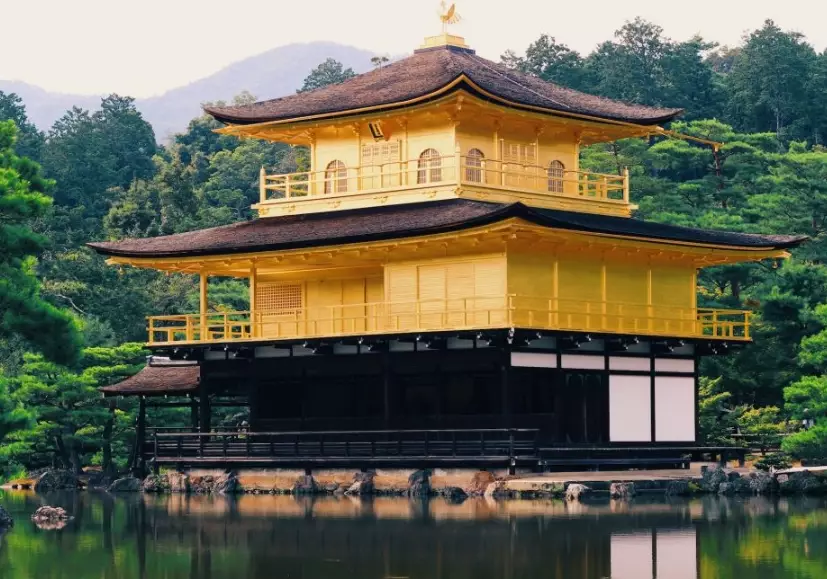
The Understated Masters (Where Beauty Gets Deep)
This is my personal favorite category. These temples trade immediate spectacle for deep, resonant atmosphere. For me, this is often where you find a more personal candidate for the most beautiful temple in Kyoto.
Ginkaku-ji (The Silver Pavilion)
Often overshadowed by its golden cousin, Ginkaku-ji was never actually covered in silver. Its beauty is subtler, more philosophical. The simple two-story pavilion sits beside a stunning dry sand garden (the "Ginshadan" or Sea of Silver Sand) and a meticulously composed stroll garden with ponds, streams, and moss. It represents the refined, wabi-sabi aesthetic of Higashiyama Culture. It feels more integrated, more whole than Kinkaku-ji. The crowds are usually lighter, and you can actually sit and absorb the scene.
Saiho-ji (Koke-dera, the Moss Temple)
This is a special case. You can't just walk in. You need to apply for a visit in advance (by sending a return postcard—check the Kyoto Prefecture tourism page for the current, somewhat archaic process). It's a hassle. But oh, is it worth it.
The garden is a masterpiece of moss. Over 120 varieties create a breathtaking, velvet-green carpet that transforms light and shadow. The required sutra-copying session at the start feels like an intentional ritual to slow you down before you enter the garden. It's exclusive, quiet, and utterly unique. For garden lovers, this might be the undisputed most beautiful temple in Kyoto.
Ryoan-ji
Home to Japan's most famous rock garden. Fifteen rocks arranged in five groups on raked white gravel, surrounded by an earthen wall. That's it. No trees, no water. Its beauty is entirely abstract, intellectual, and minimalist. Some people sit for five minutes, puzzled. Others sit for an hour, feeling a profound calm. It's beauty that demands participation from your mind. The larger strolling garden around the back with its lovely pond is often overlooked but is beautiful in a more conventional way.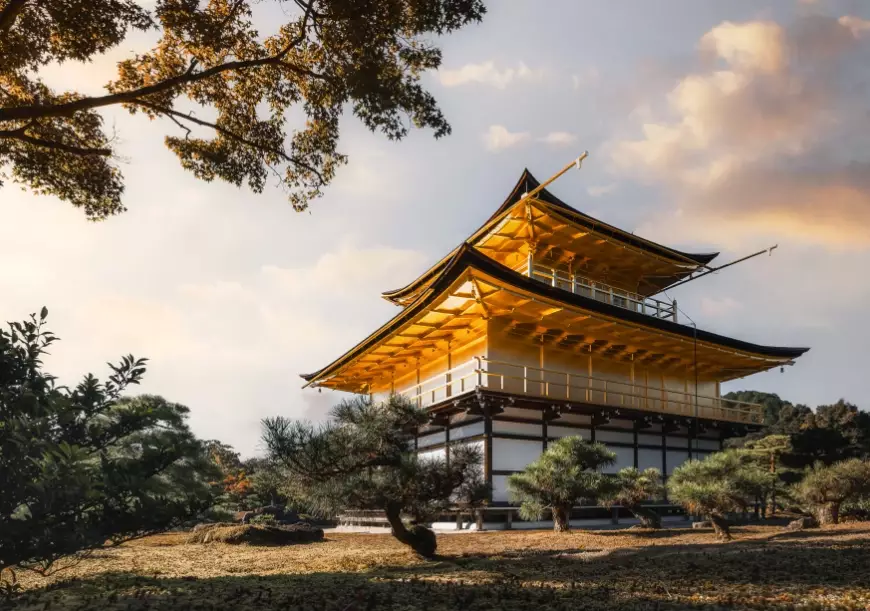
The Hidden Gems (For When You Need to Escape)
These are places where you might actually hear yourself think. They may lack a single iconic structure, but their overall ambiance is priceless.
Shoren-in
Located near the busy Higashiyama area, Shoren-in is a royal palace-turned-temple that feels like a secret. The main building has gorgeous painted sliding doors (fusuma) and a massive, ancient camphor tree growing through its veranda. You can sit on the tatami mats, open the screens, and gaze directly into its exquisite garden. It's intimate, elegant, and rarely crowded. A perfect afternoon retreat.
Enko-ji
Tucked away in the northern Ichijoji area, Enko-ji is a small temple famous for its stunning autumn foliage. Its hillside garden offers a beautiful view, and the atmosphere is serene. It's a bit of a trek, but that keeps the crowds at bay. A fantastic example of a smaller, perfectly formed temple experience.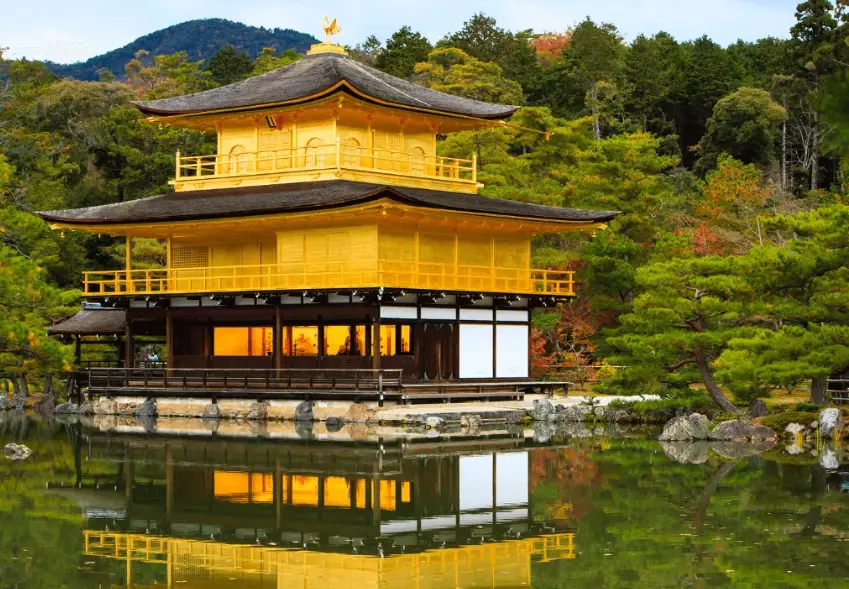
The Practical Guide: Visiting Kyoto's Temples Like a Pro
Knowing *which* temples are beautiful is one thing. Knowing *how* to experience them is another. Here’s the real-world advice you need.
Timing is Everything (Seriously)
The difference between 8:30 AM and 11:00 AM at Kinkaku-ji is the difference between a memorable visit and a crowded shuffle. For the major temples, be there at opening time. For the quieter ones, late afternoon can be magical, with softer light and fewer people. Avoid national holidays and weekends if possible.
Dress and Behave
These are active religious sites. Dress modestly. Speak quietly. Follow the rules: don't step on tatami mats with shoes, don't touch structures unless allowed, and be respectful during prayers. At many temples, you'll need to remove your shoes. Wear slip-ons!
Temple Fatigue is Real
Don't try to see five temples in one day. You'll stop seeing them. Pick one or two, max. Spend time there. Sit in the garden. Let the place sink in. Quality over quantity, always.
Kyoto Temples at a Glance: A Quick Comparison
To help you visualize your options, here’s a breakdown. Remember, this is based on my experience and what I think people are generally looking for.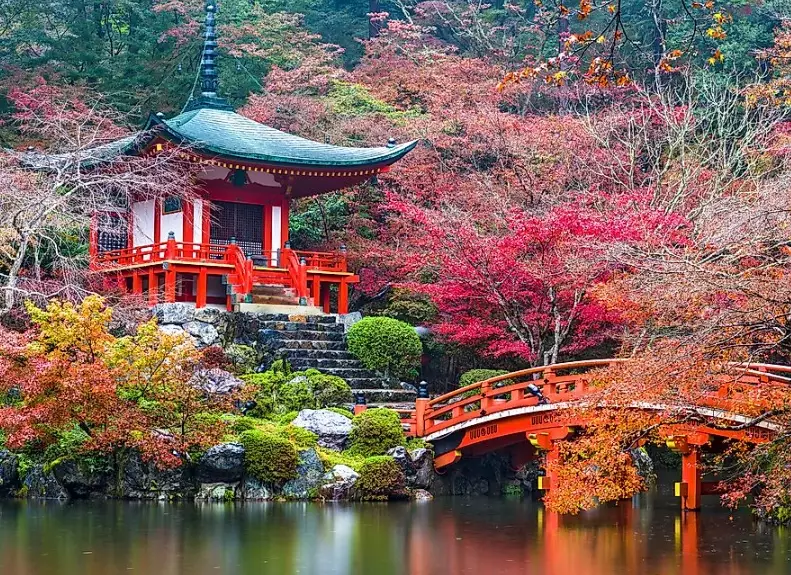
| Temple | Core Beauty | Best For | Best Season/Time | Crowd Level | My Personal Rating (1-10) |
|---|---|---|---|---|---|
| Kinkaku-ji | Architectural spectacle, golden reflection | First-time visitors, photographers, iconic shots | Early morning, sunny winter day | Very High | 9 (for the sight), 5 (for the experience) |
| Kiyomizu-dera | Grand architecture, panoramic views | Views, energy, exploring a large complex | Sunset, cherry blossom/autumn (but be warned!) | Very High | 8 |
| Ginkaku-ji | Harmonious gardens, philosophical aesthetic | Garden lovers, a more contemplative feel | Any time, light rain can be nice | Medium-High | 9 |
| Saiho-ji (Koke-dera) | Moss garden, exclusive atmosphere | Unique experience, supreme tranquility, garden devotees | Rainy season (moss is lush!), requires advance booking | Low (due to access restrictions) | 10 (if you get in) |
| Ryoan-ji | Abstract rock garden, minimalist beauty | Philosophical contemplation, iconic zen experience | Morning, clear days | Medium | 8 (depends on your mindset) |
| Shoren-in | Intimate atmosphere, gorgeous interiors & garden | Escaping crowds, a relaxed, elegant experience | Afternoon, any season | Low-Medium | 9 |
Frequently Asked Questions (The Stuff You're Actually Wondering)
Let's address those niggling questions that pop up when you're planning.
Final Thoughts: So, Which One Is It?
I'm not going to give you a single answer. That's the whole point. The most beautiful temple in Kyoto isn't a title held by one place.
If you want grand views and vibrant energy, it's Kiyomizu-dera.
If you seek philosophical depth and garden harmony, it's Ginkaku-ji.
If you crave unique, tranquil immersion, it's Saiho-ji (if you plan ahead).
If you need an escape into intimate elegance, it's Shoren-in.
If you want to ponder the essence of zen, it's Ryoan-ji.
The real beauty of Kyoto lies in this incredible diversity. It offers a different kind of temple for every mood, every interest, every definition of what is beautiful.
My best advice? Pick the one or two that resonate with *you* from what you've read here. Go slowly. Be present. Don't just tick a box. Let the place speak to you. Whether it's the blinding gold of the pavilion or the deep green of the moss, you'll find your own answer to the question of the most beautiful temple in Kyoto. And that personal discovery is the most beautiful part of the trip.
For official hours, fees, and specific access details (which can change), always double-check the temple's own website or the comprehensive Japan National Tourism Organization (JNTO) page on Kyoto. It's the most reliable source for practical, up-to-date information.
Now go find your temple.



Share Your Thoughts