Let's be real. You hear "Tokyo" and "sushi," and your brain probably jumps to tiny, exclusive counters where a single meal costs more than your hotel room. That sushi exists, sure. But here's the thing most travel blogs gloss over: Tokyo is also the world capital for incredibly good, shockingly affordable sushi. The kind where you walk out satisfied, not bankrupt. After a decade navigating Tokyo's food scene, I've learned that the real skill isn't finding the most expensive omakase; it's knowing where to get flawless fish without the financial hangover.
Your Quick Guide to Tokyo's Best Budget Sushi
What Does ‘Affordable Sushi’ Really Mean in Tokyo?
First, we need to calibrate. "Affordable" in Tokyo isn't the same as "dirt cheap." You're paying for quality, location, and the sheer cost of running a restaurant here. For this guide, I'm focusing on places where a solid, filling meal costs between ¥1,000 to ¥3,000 per person ($6.50 - $20 USD).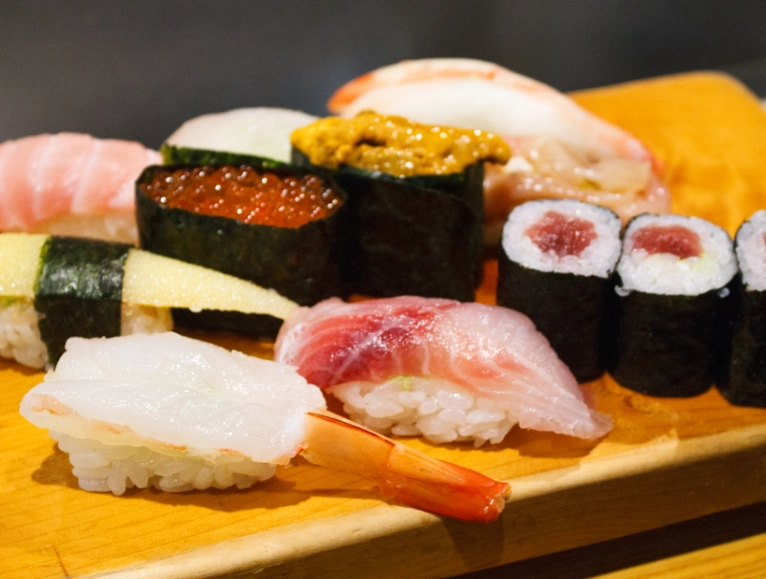
Within that range, you have two main worlds:
The Kaiten (Conveyor Belt) Giants: Think Sushiro, Kura Sushi, Hama-zushi. These are tech-driven, efficient, and super consistent. A plate is usually ¥100-¥150. The fish is good—often better than any conveyor belt sushi you've had back home—but it's about volume and speed. Don't expect artisan-level craftsmanship here. It's perfect for a quick, no-fuss fix.
The Standing Sushi Bars & Local Gems: This is where the magic happens for me. These are often small, no-frills counters where a sushi chef serves directly to you. The fish is sourced daily, the rice is seasoned perfectly, and the price is still a fraction of a high-end place. The lunch set at a modest neighborhood shop can be one of Tokyo's greatest food bargains.
The Top 5 Spots for Affordable Sushi in Tokyo (With Details)
This isn't just a list from a tourist pamphlet. These are places I return to, based on the balance of quality, value, and experience. I've included the practical details you actually need to plan your visit.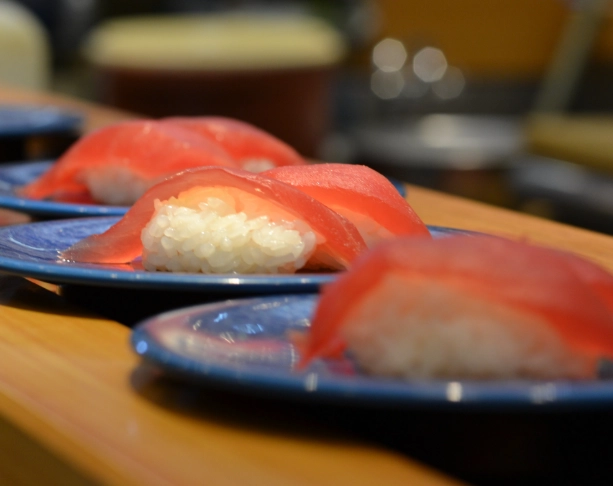
| Name & Style | Why It's Here / What to Order | Address & Nearest Station | Price Range & Hours | My Personal Take & Tip |
|---|---|---|---|---|
| 1. Sushiro (Major Kaiten Chain) |
The king of consistency and tech. Use the tablet to order. Don't miss their limited-time specials (like premium otoro). The salmon and scallop are always winners. Desserts like the matcha warabimochi are bizarrely good. | Dozens of locations. A reliable one is in Shinjuku: 3-37-12 Shinjuku. Nearest: Shinjuku Station (multiple lines). |
¥100-¥150 per plate. Total: ¥1,000-¥1,800. Open 11:00-23:00, often until late. |
It's efficient, clean, and the fish is fresh. The biggest pro? Zero social pressure. You can eat alone, with kids, and take your time. Pro tip: Download their app to check real-time wait times at nearby branches. |
| 2. Uogashi Nihon-Ichi (Standing Sushi Bar) |
The ultimate "salaryman's secret." No seats, just a counter. Fish is delivered multiple times a day. Everything is ¥150 per two pieces. The uni (sea urchin) and akami (lean tuna) are unreal for the price. | Multiple branches. The main one is in Shibuya: 2-25-17 Dogenzaka. Nearest: Shibuya Station. |
¥150 per order (2 pieces). Total: ¥1,200-¥2,000. Open 11:00-22:00. |
This is where you feel Tokyo's pulse. It's loud, fast, and delicious. Don't go if you want a leisurely meal. Do go for the freshest, most direct sushi experience on a budget. I have a soft spot for the chaotic Shibuya branch. |
| 3. Nemuro Hanamaru (Kaiten from Hokkaido) |
Famous for seafood直接从北海道运来. Known for rich, fatty fish like sanma (pacific saury) and hotate (scallop). Their kani (crab) dishes are a must-try. | Located in KITTE Marunouchi building, 1st floor: 2-7-2 Marunouchi. Nearest: Tokyo Station. |
¥150-¥500 per plate. Total: ¥2,000-¥3,000. Open 11:00-23:00 (L.O. 22:30). |
It's a step up in quality (and often price per plate) from Sushiro. The line is infamous. Go right at 11 am on a weekday, or prepare for a 60-90 minute wait. Is it worth it? For the unique Hokkaido offerings, yes, once. |
| 4. Sushi no Midori (Queue-Worthy Sit-Down) |
Legendary for its value. Massive, beautiful sushi sets for lunch. The "Tokujo" set is a mountain of high-quality fish for an absurd price. This is the benchmark for affordable, restaurant-style sushi. | Several branches. The most famous is in Shibuya Mark City: 1-12-3 Dogenzaka. Nearest: Shibuya Station. |
¥1,000-¥3,500 for a set. Lunch: 11:00-15:00, Dinner: 17:00-22:00. Get there 30 mins before opening. |
The queue is part of the experience. The sushi is excellent, and the portions are generous. My non-consensus take? The lunch queue is brutal. Sometimes, going for a slightly earlier dinner (5:30 PM) can mean a shorter wait for a similar experience. |
| 5. Tsukiji Outer Market Stalls (Market Fresh Bites) |
Not a single restaurant, but an experience. Small stalls serve incredibly fresh, simple pieces like maguro (tuna) and amaebi (sweet shrimp) on the spot. It's about immediacy. | Tsukiji Outer Market, 4 Chome-16-2 Tsukiji. Nearest: Tsukiji Shijo Station. |
¥200-¥500 per piece/skewer. Market hours: ~6:00-14:00. Go early. |
It's crowded, cramped, and you eat standing. But the tuna just tastes different here. Don't expect a full meal; graze at a couple of stalls. It's a supplement to your sushi day, not the main event. The atmosphere is pure, old-school Tokyo. |
See the pattern? Value, not just low cost.
How to Find Your Own Hidden Gems
You don't have to stick to my list. The real fun is exploring. Here's how I find new spots.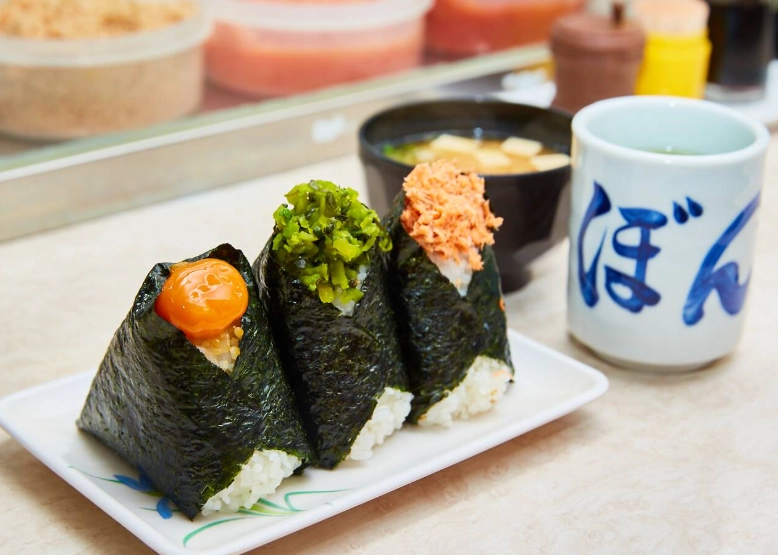
Walk Away from the Station: The best local shops are often a 10-15 minute walk from the big train hubs. Rent prices drop, and the clientele shifts from tourists to residents.
Look for the Lunch Set Sign (定食 - Teishoku): A plastic food model display with a set for ¥1,000-¥1,500 is a green light. It's the chef showing you today's best value.
Use Tabelog, But Wisely: Japan's premier restaurant review site. A score above 3.5 is excellent. But ignore the absolute score for budget places. Look at the number of reviews and the photos. A small shop with a 3.2 and 500 reviews is often more reliable than a place with a 3.8 and 50 reviews.
Neighborhood Spotlight: Shimokitazawa
Instead of fighting crowds in Ginza, try Shimokitazawa. It's packed with small, creative restaurants. I stumbled into a tiny 8-seat counter there run by a young chef who used to work in a fancy Ginza place. His 10-piece lunch omakase was ¥2,200. No website, no English menu, just incredible fish. Places like that exist all over Tokyo's residential neighborhoods.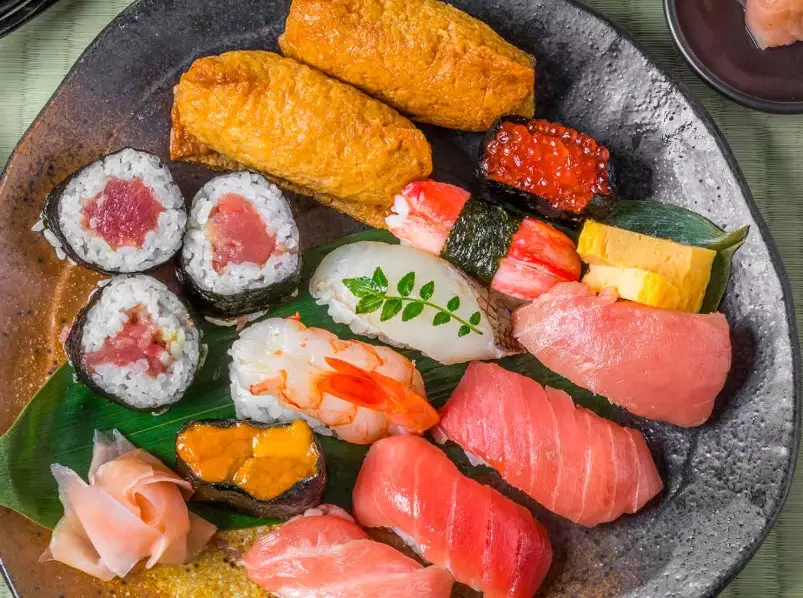
Navigating a Tokyo Sushi Restaurant: Etiquette & Tips
A little know-how goes a long way to avoid awkwardness.
The Big Rule: At a counter, it's generally okay to eat nigiri with your hands. At a kaiten (conveyor belt) place, use the chopsticks provided. Dip the fish side, not the rice, lightly into the soy sauce. Don't mix wasabi into your soy sauce bowl—it's already in the nigiri.
Ordering at a Counter: Start with something light like hirame (flounder), then move to richer fish like toro. End with tamagoyaki (egg omelet). It's a sign you're finished. If you're unsure, just say "omakase onegaishimasu" (I leave it to you) and point to your budget.
At a Kaiten Place: Grab what you like from the belt. For fresh-made items, use the tablet or order sheet. When you're done, press the call button for the check. They'll count your plates (often by stacking them or scanning a chip).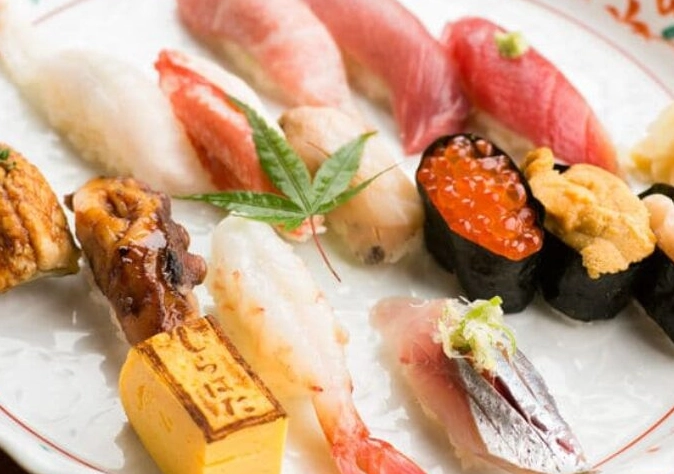
Your Sushi Budget Plan: A Realistic Breakdown
Let's make this concrete. For a day of sushi exploration:
Light Day: Lunch at a standing bar (¥1,500) + a couple of plates at a kaiten for a snack (¥400) = ¥1,900.
Standard Day: Big lunch set at a place like Midori (¥2,500) + a market stall treat in the afternoon (¥600) = ¥3,100.
Sushi Fanatic Day: Grazing at Tsukiji (¥1,500) + a solid kaiten dinner (¥2,000) = ¥3,500.
See? You can eat world-class sushi multiple times a day without panic.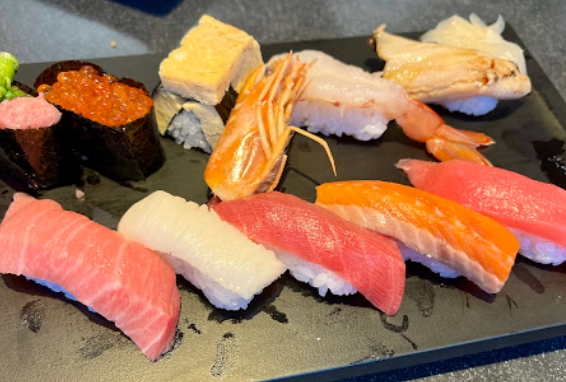
Your Affordable Sushi in Tokyo Questions, Answered
Is it better to go for lunch or dinner to save money at good sushi places in Tokyo?
Lunch, almost always. Many sit-down sushi restaurants, even mid-range ones, offer special lunch sets (teishoku) that are 30-50% cheaper than a comparable dinner. The fish quality is the same; you're just paying less for the ambiance and smaller portions. Dinner is when they roll out the premium offerings and the full omakase experience.
How do I order if I don't speak Japanese at a budget sushi counter?
Pointing is a universal language. Many places have an English picture menu. If not, look at what other people are eating and point. You can say the names: "Maguro" (tuna), "Sake" (salmon), "Ebi" (shrimp). Smile, say "kore" (this) and "onegaishimasu" (please). Chefs at these casual spots are used to it. The transaction is simpler than you think.
Are these affordable sushi places okay for a solo traveler?
They are perfect for solo travelers. Standing sushi bars are designed for individuals. At kaiten chains, you'll often be seated at a counter slot. In Japan, eating alone is completely normal and stress-free. In fact, I prefer going alone to counter places—it's easier to focus on the food and you often get faster service.
Do I need to make reservations for the best affordable sushi spots?
For the famous sit-down places like Sushi no Midori, a reservation can save you hours. Use your hotel concierge or a table-booking site like TableCheck. For standing bars, kaiten, and most local joints, no reservations are needed or even accepted. You just show up and queue.
What's the one sign of freshness I should look for in a budget sushi shop?
Look at the shiromi (white fish) like hirame or tai (sea bream). It should have a slight translucency and a pearlescent sheen. If it looks dull, dry, or opaque white, it's past its prime. Also, trust your nose. The shop should smell clean and oceanic, like the sea, not fishy or sour.
The bottom line? Tokyo's best affordable sushi isn't a compromise. It's a different, equally vital part of the city's food culture. It's accessible, energetic, and deeply satisfying. Skip the intimidation, grab some soy sauce, and dive in. Your wallet—and your taste buds—will thank you.
Share Your Thoughts