Your Whisky Journey Roadmap
- Why Take a Japanese Whisky Distillery Tour?
- How to Plan Your Perfect Japanese Whisky Distillery Tour
- The Major Players: A Distillery-by-Distillery Breakdown
- Beyond the Giants: Smaller Distilleries & New Wave
- What to Expect on the Tour Day: A Practical Walkthrough
- Common Questions Answered (The Stuff You Actually Want to Know)
- Making it Official: Resources and Final Tips
So, you're thinking about a Japanese whisky distillery tour. Good call. It's not just sipping a dram in a fancy bar; it's walking through forests where the water flows, smelling the angel's share in a damp warehouse, and seeing where the magic (and a lot of patience) happens. I've done a few of these tours myself, made some booking mistakes, had a few "wow" moments, and learned what's really worth the train fare. Let's cut through the marketing fluff and talk about what a Japanese whisky distillery tour is actually like, how to plan one without stress, and which places might just blow your mind.
Japanese whisky exploded onto the world stage, winning awards and converting bourbon and scotch drinkers alike. But visiting the source? That's a different story. It's part pilgrimage, part geography lesson, and a full-on sensory experience. The problem is, information can be scattered. Some distilleries are crazy popular and book out months in advance. Others are hidden gems that don't get enough love. And figuring out the logistics between them? That can be a headache.
This guide is here to sort that out. We'll walk through the big names you know, the smaller ones you should know, and the practical stuff—booking, getting there, what to wear, and what you can actually buy. I'll even throw in some personal opinions (the good and the not-so-good) because let's be real, not every tour is perfect.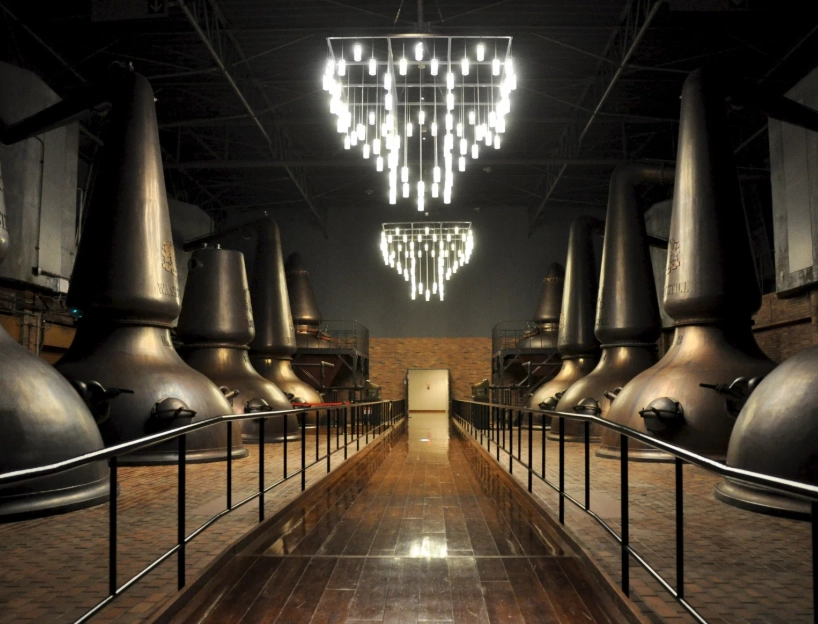
Why Take a Japanese Whisky Distillery Tour?
You could just drink the stuff, right? True. But a Japanese whisky distillery tour gives you context. You start to understand the precision and the philosophy. The Japanese approach isn't about replicating Scotch; it's about refining a process, paying obsessive attention to detail, and harmonizing with the local environment. On a tour, you see this firsthand.
For me, the biggest takeaway was the terroir. At Suntory's Hakushu Distillery, nestled in the Southern Japanese Alps, the air is crisp and clean. You taste it in the spirit. At Nikka's Yoichi Distillery up in Hokkaido, you feel the sea breeze they say influences the maturation. It turns a tasting note from "peaty" to "that's the ocean air from the garden we just walked through." It connects the dots.
Plus, there's the access. Some distilleries sell distillery-exclusive bottles you simply cannot get anywhere else. Even if you don't score one (they sell out fast), you'll often get to try expressions not available in regular flights. And let's be honest, the Instagram photos aren't bad either.
How to Plan Your Perfect Japanese Whisky Distillery Tour
Planning is everything. You can't just rock up. Well, you can, but you'll probably be turned away. Here's the real-world, step-by-step breakdown.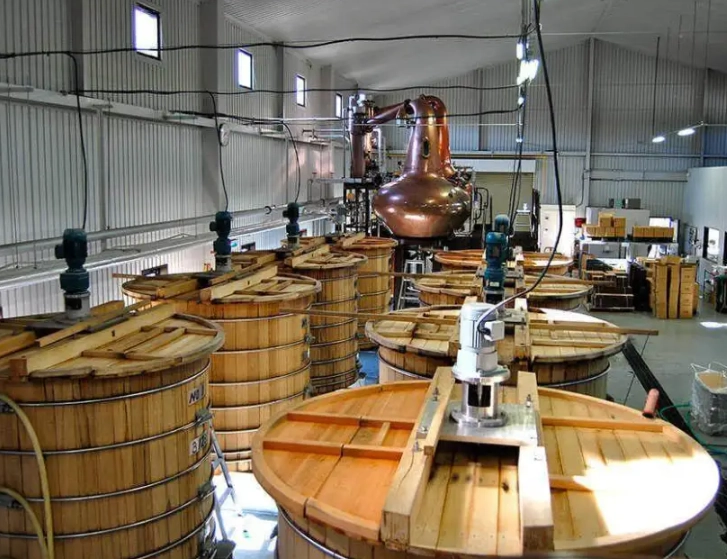
Step 1: The Booking Battle (It's Real)
This is the most critical step. The popularity of Japanese whisky distillery tours is a double-edged sword.
- Suntory Yamazaki Distillery: This is the big one. Tours open for booking exactly one month in advance at 10:00 AM Japan Time. I'm not kidding about the battle—spots for the English tours can be gone in minutes. Use the official Suntory website. Have your dates and group size ready, and be logged in beforehand. If you miss it, they sometimes have a same-day lottery for no-shows, but that's a risky gamble.
- Nikka Yoichi & Miyagikyo: Nikka's system is generally more forgiving. You can often book a few weeks out, but still, do it as soon as you know your travel dates. Their websites are straightforward.
- Smaller Distilleries (Fuji Gotemba, Chichibu, etc.): These vary. Some require advance email reservations, others have online forms. Always check the official site for the most current instructions.
Step 2: Figuring Out the Geography & Itinerary
Japan isn't tiny. Distilleries are spread out. Clustering is key to a sane trip.
Hokkaido Trip: Nikka Yoichi Distillery is about an hour by train from Sapporo. It's a full day trip, but you can combine it with the lovely coastal town of Otaru. The distillery itself is charmingly old-school.
Tohoku/North Honshu Trip: Nikka Miyagikyo Distillery is near Sendai. It's a beautiful, park-like setting in a valley. Sendai is a great city base. You could also try to visit the newer Akkeshi Distillery way out in eastern Hokkaido, but that's for the dedicated enthusiast—it's remote.
Mount Fuji Area: Kirin's Fuji Gotemba Distillery sits at the foot of the iconic mountain. The tour is fantastic and the views are unbeatable. It's a bit trickier to get to, often requiring a bus from Gotemba Station.
My advice? Don't try to do Yamazaki, Yoichi, and Miyagikyo in one week. The travel will exhaust you. Pick one cluster and explore it deeply.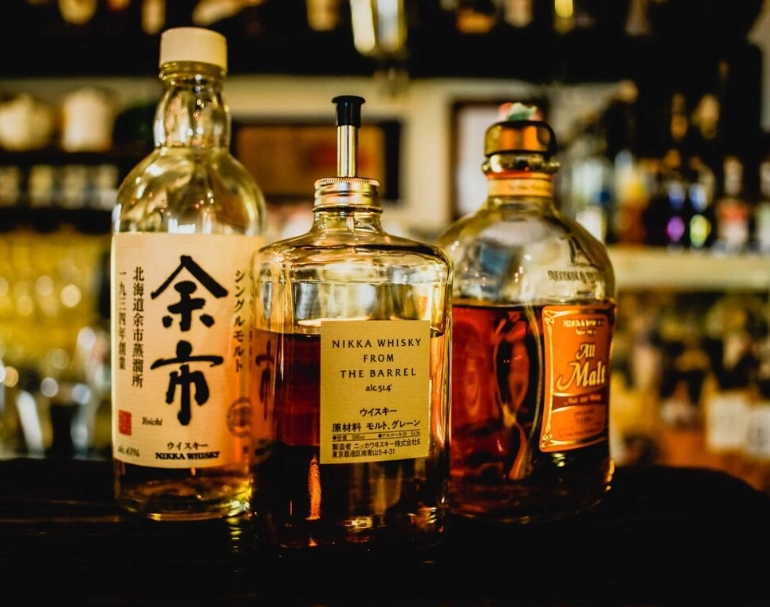
Step 3: Budgeting Realistically
A Japanese whisky distillery tour itself is often surprisingly affordable, sometimes even free. The cost is in everything else.
- Tour Fee: Ranges from free (Fuji Gotemba) to around 2000-3000 yen ($15-$25 USD).
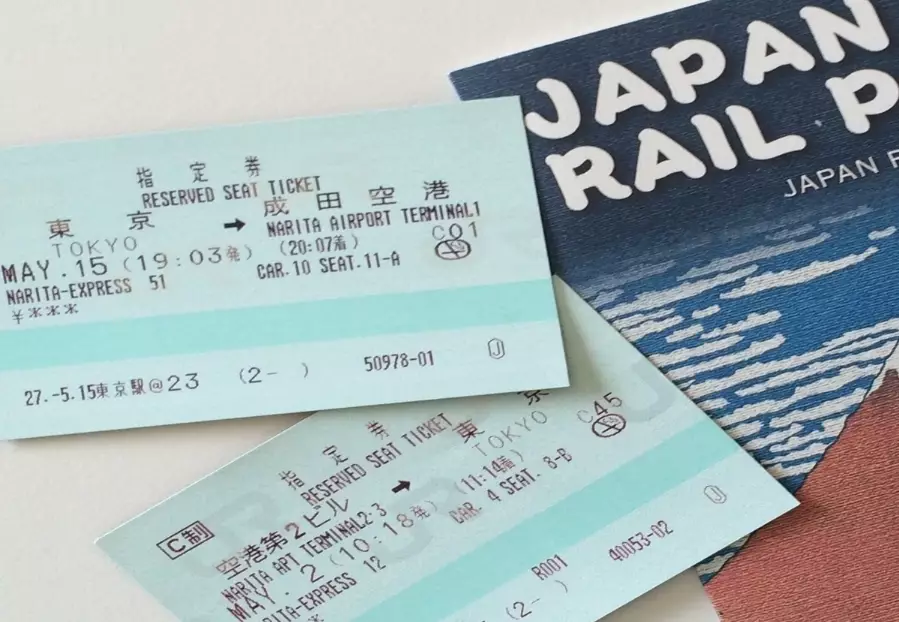
- Transportation: This is your biggest variable. Train fares can add up, especially for shinkansen (bullet train) trips to distant regions. Use a JR Pass if you're doing long-distance travel.
- Tasting Flights: Usually paid separately after the tour, from 500 to 2000 yen. Worth every penny.
- Bottles: Distillery-exclusive bottles can range from 5000 to 50,000+ yen. Set a limit for yourself, or you might leave with an empty wallet and a very heavy suitcase.
The Major Players: A Distillery-by-Distillery Breakdown
Let's get into the specifics. Here’s a table to quickly compare the top destinations for a Japanese whisky distillery tour.
| Distillery | Parent Company | Location/Nearest City | Key Whisky Style | Tour Booking Difficulty | My Personal Vibe Note |
|---|---|---|---|---|---|
| Yamazaki | Suntory | Shimamoto, Osaka/Kyoto area | Complex, multi-layered, often sherry-cask influenced. The flagship. | VERY HIGH (Book exactly 1 month in advance) | The "must-do" but feels corporate. The museum is superb. |
| Hakushu | Suntory | Hokuto, Yamanashi Prefecture | Elegant, gentle peat, foresty freshness. My personal favorite. | Medium to High | Stunning natural setting. Feels like a retreat. The tour is more immersive. |
| Yoichi | Nikka | Yoichi, Hokkaido (near Sapporo) | Powerful, peaty, oily, coastal character. Direct-fire pot stills. | Medium | Rustic, historical, feels frozen in time. Coaly, smoky atmosphere is authentic. |
| Miyagikyo | Nikka | Sendai, Miyagi Prefecture | Fruity, soft, delicate, and floral. The elegant counterpart to Yoichi. | Medium | Serene and beautiful, like a university campus for whisky. Very peaceful. |
| Fuji Gotemba | Kirin | Gotemba, Shizuoka Prefecture | Light, smooth, approachable. High-altitude maturation. | Low (Often walk-ins accepted) | The underdog with the best view (of Mt. Fuji). Tour is excellent and relaxed. |
Diving Deeper into the Big Names
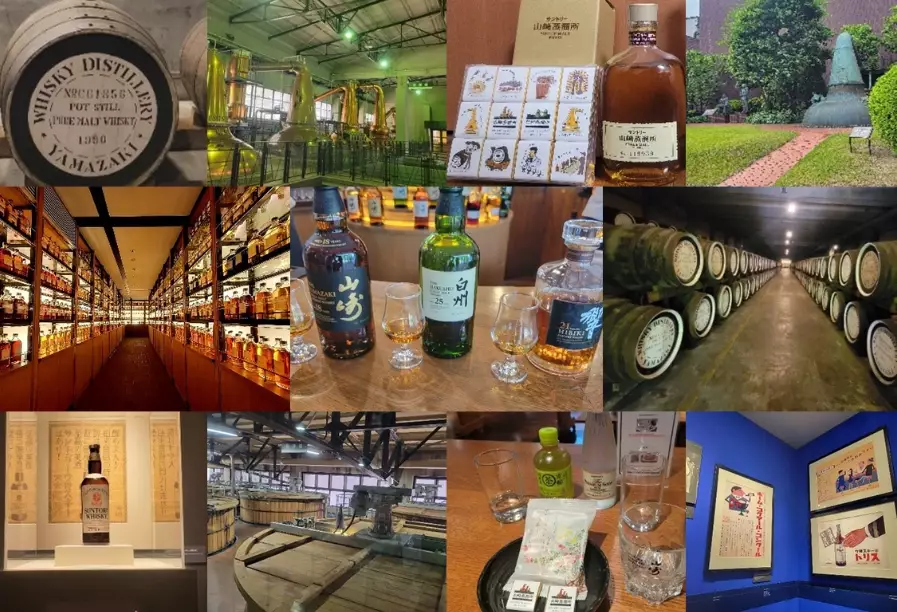
Suntory Yamazaki Distillery: This is where it all began for Japanese whisky. The tour is slick and professional. You'll see their famous cooperage and a museum that's worth the trip alone, even if you miss the tour. The tasting at the end is great, but the place can feel a bit like a well-oiled tourist machine. The real magic is standing in the warehouse where they age the precious single malts. The smell is unforgettable. Pro-tip: The bar at the end has paid tastings of ultra-premium drams you'll never find elsewhere. Splurge on one if you can.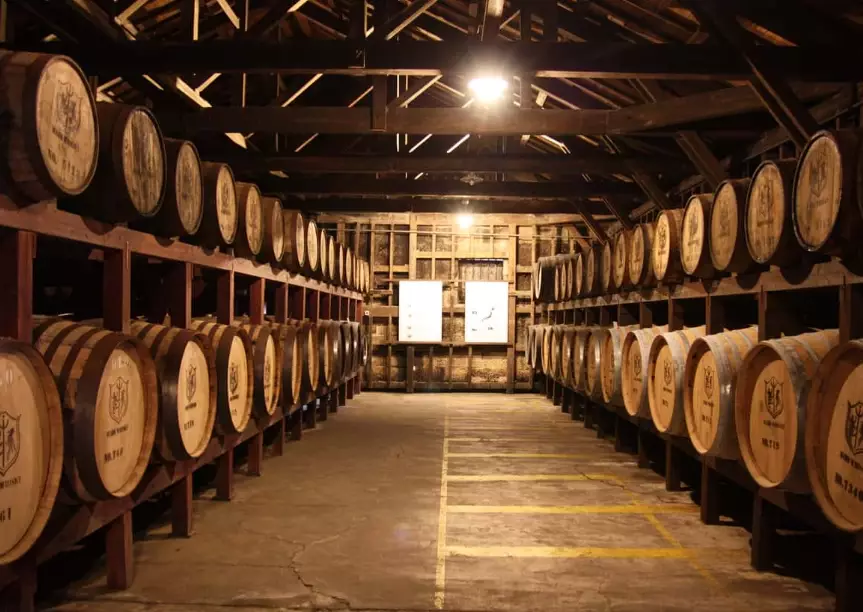
Nikka Yoichi Distillery: This place has soul. It's the founder's first distillery, and they still use direct coal-fired pot stills (a rarity). The tour feels less polished and more genuine. You can wander the grounds a bit more freely. The location is small-town Hokkaido, which adds to the charm. I love the history here. The tasting room is in an old wooden building, and they often let you try the new make spirit alongside the aged whisky, which is a brilliant educational experience.
Beyond the Giants: Smaller Distilleries & New Wave
The story of Japanese whisky isn't just Suntory and Nikka anymore. A wave of new, small "craft" distilleries has emerged in the last 15-20 years. A Japanese whisky distillery tour can include these pioneers for a more intimate look.
- Chichibu Distillery: The darling of the whisky world. Founded by the legendary Ichiro Akuto, it's tiny, innovative, and its releases are cult favorites. Tours are extremely limited and hard to book, but if you're a true geek, it's the holy grail. It's in Saitama, not far from Tokyo.
- Shinshu Distillery (Mars): Nestled in the Japanese Alps, this distillery was mothballed for years before reopening. Their whisky is getting really good. The tour is comprehensive and the setting is spectacularly mountainous.
- Akkeshi Distillery: Way out in eastern Hokkaido, they're embracing the Islay model—heavy peat, coastal aging. It's a pilgrimage for peat lovers, but logistics are challenging.
Visiting a smaller distillery often means you might get to chat with a guide who's more passionate than scripted, or even spot the distiller walking around. The scale is human. The downside? Their core whiskies might be very young, as they haven't been operating long. But tasting their new make and understanding their vision is fascinating.
What to Expect on the Tour Day: A Practical Walkthrough
Okay, you've booked. What's the actual day like?
First, get there early. Give yourself buffer for wrong trains or finding the shuttle bus. Most distilleries have a lovely gift shop/museum area you can explore before your tour slot.
The tour itself usually follows a pattern: Introduction → Water Source → Milling/Mashing → Fermentation → Distillation → Maturation Warehouse → Tasting. The guides are knowledgeable, and English audio guides or pamphlets are standard at major spots.
The warehouse visit is often the highlight. The air is thick with the scent of evaporating alcohol (the angel's share) and oak. It's cool, damp, and feels like the heart of the operation.
Then, the tasting. You'll typically get 2-3 small samples of their core range. Sometimes it's a guided tasting, sometimes it's at your own pace in a lounge. This is where you can ask questions. "Why is this one sweeter?" "What cask was used here?"
Finally, you're unleashed into the gift shop. This is where strategy matters.
Common Questions Answered (The Stuff You Actually Want to Know)
Making it Official: Resources and Final Tips
For the most accurate, up-to-date information, always refer to the official distillery website. Schedules change, booking systems update, and tours get suspended.
For broader context on Japanese whisky's history and producers, the Japan Whisky Research Centre is a fantastic, authoritative resource run by experts in the field. It's not a booking site, but it provides deep background that will enrich your tour experience.
My final piece of advice? Don't just chase the famous names. Consider what experience you want. Do you want efficiency and history (Yamazaki)? Nature and elegance (Hakushu)? Rustic charm (Yoichi)? Or a relaxed tour with a killer view (Fuji Gotemba)?
Plan well, book early, manage your expectations about exclusive bottles, and soak in every moment. The true value of a Japanese whisky distillery tour isn't just in the glass at the end—it's in the journey, the stories, and the unique sense of place you'll carry with you long after the last drop is gone. It might even change how you taste whisky forever.
Now, go start refreshing that booking page. Good luck!
Share Your Thoughts