Quick Navigation
- Rule 1: Omotenashi (The Spirit of Selfless Hospitality)
- Rule 2: Cleanliness is a Shared Religion (Not Just a Chore)
- Rule 3: The Sacred Queue and Public Space Etiquette
- Rule 4: The Complex Language of Bowing and Respectful Language
- Rule 5: The Gift-Giving Ritual (Not Just an Exchange)
- Rule 6: The Art of Indirect Communication and Reading the Air
- Rule 7: Perfection in Details and Process
- Beyond the 7 Rules: Common Questions and Gray Areas
- Putting It All Into Practice: Your Action Plan
So you're planning a trip to Japan, or maybe you're just fascinated by its culture. You've probably heard that Japan has a lot of rules. It's not just about following the law; it's about an intricate, often unspoken web of social expectations that keep this society running with that famous clockwork precision. I remember my first time in Tokyo, stepping off the Narita Express. The silence in the packed train car was the first shock. The orderly queues, the impeccable cleanliness—it felt like a different planet. I also made my fair share of blunders before I started to piece together what I now think of as the core "7 rules of Japan." These aren't laws you'll find in a book. They're the foundational principles that guide everyday behavior, from a salaryman in Shinjuku to an obaa-san (grandmother) in a Kyoto market. Understanding them isn't just about being polite; it's your key to unlocking a deeper, more respectful, and infinitely smoother experience in this incredible country.7 rules of Japan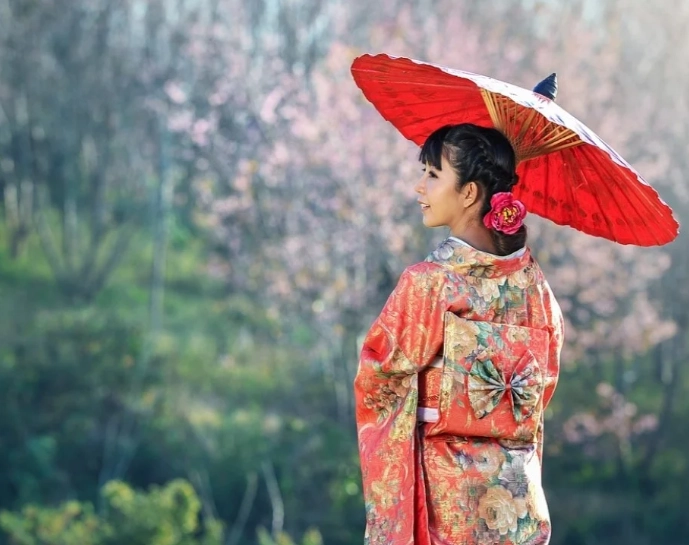
Let's be clear from the start. Calling them the "7 rules of Japan" is a bit of a simplification. Japanese social conduct is nuanced, varying by region, context, and generation. But in my years of visiting and talking to locals, these seven concepts consistently rise to the top. They explain why things are the way they are. Forget them, and you risk being that loud, oblivious tourist. Embrace them, and you'll find doors opening—sometimes literally.
Why do these rules even matter? For Japan, harmony (wa) is the supreme social goal. Every one of these 7 rules of Japan serves that ultimate purpose: to maintain group cohesion, avoid conflict, and show respect for others and the shared environment. It's a collective mindset that can feel restrictive to individualistic Westerners, but there's a profound beauty and efficiency to it once you get the hang of it.
Rule 1: Omotenashi (The Spirit of Selfless Hospitality)
You'll experience this one the moment you walk into a shop or a restaurant. A chorus of "Irasshaimase!" (Welcome!) greets you. But Omotenashi is far deeper than a greeting. It's the anticipation of a guest's needs without them having to ask. It's the hotel staff who instinctively bow as you pass, the taxi driver with immaculate white gloves, the shopkeeper who will painstakingly wrap your purchase as if it were a precious artifact, even if it's just a pen.
I once left my umbrella in a small noodle shop in Osaka. I realized it an hour later and trudged back in the rain, expecting it to be gone. Not only was it waiting for me behind the counter, but the owner had gently dried it off and placed it in a plastic bag. That's Omotenashi. It's service that goes beyond duty into the realm of heartfelt care.
What does this mean for you as a visitor?
- Receive it graciously: A simple smile and a nod of thanks (arigatou gozaimasu) are appropriate. Don't feel you need to tip—in fact, tipping can be awkward as it implies the service isn't already part of the standard.
- Try to reciprocate the spirit: Be a gracious guest. Keep your voice down, don't make unreasonable demands, and treat spaces and people with respect. Your politeness is a form of returning their hospitality.
It's the first and most beautiful of the 7 rules of Japan you'll encounter, and it sets the tone for everything else.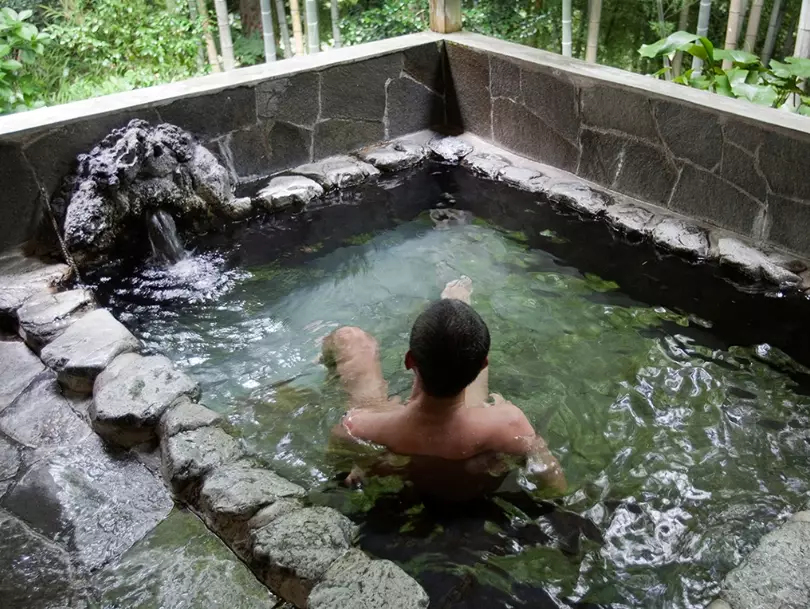
Rule 2: Cleanliness is a Shared Religion (Not Just a Chore)
The legendary cleanliness of Japan isn't magic; it's a national value ingrained from childhood. Students clean their own classrooms. Fans at baseball games famously take trash bags to the stadium. You'll see people wiping down their airplane seats before settling in.
This rule extends to strict separations. There are shoes for outside, slippers for inside, and special toilet slippers for the bathroom (a trap I definitely fell into on my first visit, wandering out of the bathroom with the toilet slippers still on—a major faux pas!). Public trash cans are rare because you're expected to take your waste home and sort it meticulously. The complex recycling rules can be daunting, but the effort is a sign of respect.
I have a confession: the sheer rigor of the garbage separation schedules in some Tokyo wards stressed me out more than navigating the subway. Was a milk carton "burnable" or "recyclable paper"? Did I need to rinse the lid of the PET bottle separately? It felt overwhelming. But seeing the pristine streets and understanding the collective effort behind it made me appreciate the system, even if I occasionally messed up.
How to follow this rule:
- Observe and mimic: Always look for where to place your shoes when entering a home, ryokan, or even some restaurants.
- Carry a small trash bag: Be prepared to hold onto your rubbish until you find a bin or get back to your accommodation.
- Try your best with recycling: If you're staying in an Airbnb, ask your host for a guide. If in a hotel, use the provided bins correctly.
This rule isn't about being fussy; it's about considering the next person and the shared environment. It's a tangible expression of the harmony principle.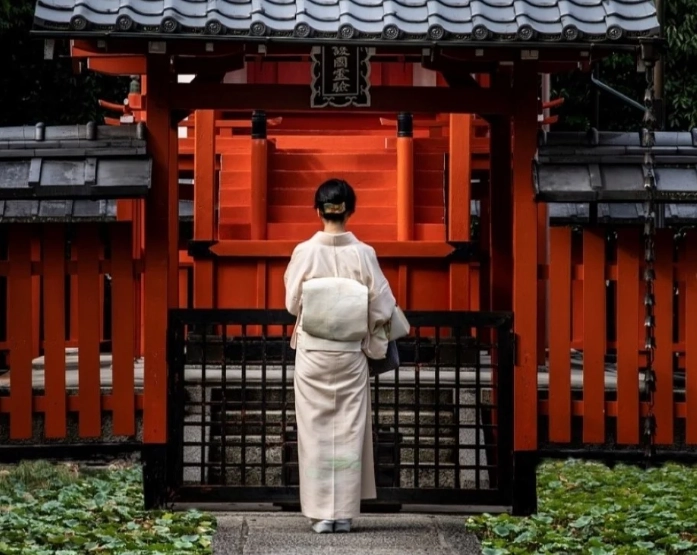
Rule 3: The Sacred Queue and Public Space Etiquette
Order is everything. You will queue for the train, for the elevator, for the bus, for the popular ramen shop. The lines are straight, quiet, and patient. Pushing in is virtually unthinkable. On escalators, you stand uniformly on one side (left in most of Japan, right in Osaka—a fun regional rivalry) to let those in a hurry pass on the other.
Public space is for the public, meaning your personal bubble shrinks, but your responsibility to not impose grows. This is where several key aspects of the 7 rules of Japan converge:
On Trains and Buses
Silence is golden. Phone calls are a huge no-no (you'll see signs forbidding them). People text, read, or sleep. Conversations are hushed. It's a time for introspection, not socialization. The first time I took a packed Yamanote Line train at 8 AM, the silence was almost eerie, but also incredibly peaceful.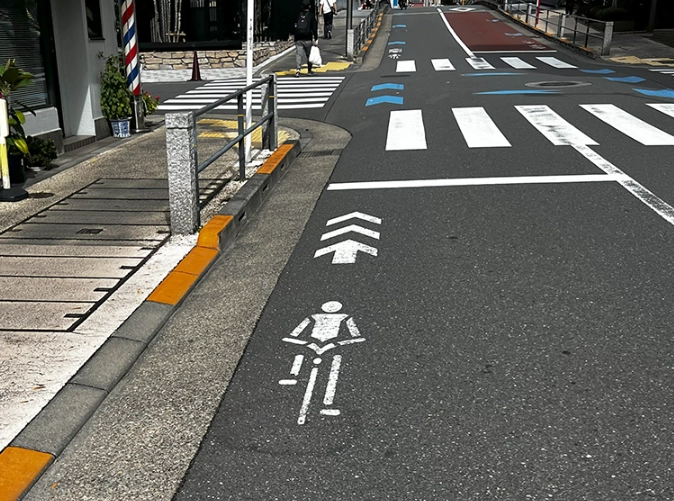
On the Street
Eating while walking (tabe-aruki) is generally considered messy and impolite. You'll see people buying street food and eating it neatly right next to the stall. Similarly, smoking is restricted to designated areas—you can't just light up as you walk.
This table breaks down the do's and don'ts in key public settings:
| Setting | Do | Don't |
|---|---|---|
| Trains/Subways | Queue in line, stay quiet, offer seats to elderly/pregnant/disabled, put phone on silent. | Talk loudly, make phone calls, spread belongings on seats, eat smelly food. |
| Streets/Shopping Areas | Walk on the correct side, dispose of trash properly. | Eat while walking, smoke outside designated areas, block pedestrian flow. |
| Shops/Restaurants | Greet staff when entering/leaving, handle merchandise carefully. | Haggle over prices (except at some flea markets), be overly touchy with food displays. |
Mastering this rule makes you blend in and shows you respect the shared peace everyone relies on.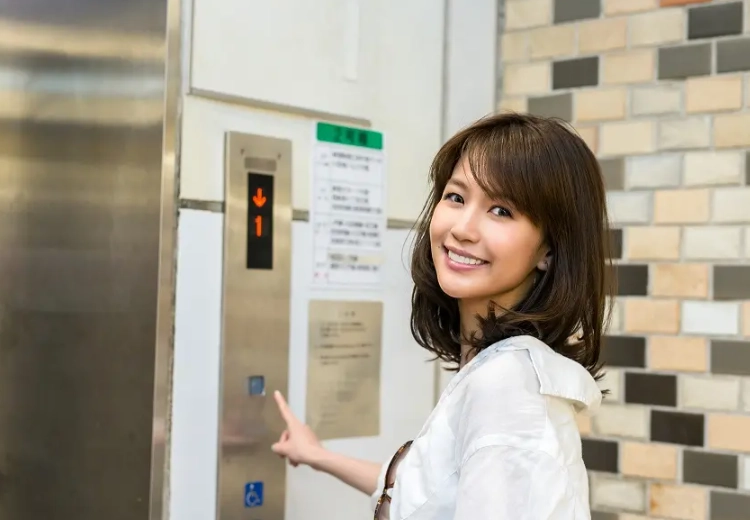
Rule 4: The Complex Language of Bowing and Respectful Language
Bowing (ojigi) isn't just a replacement for a handshake. It's a nuanced communication tool conveying apology, gratitude, respect, or greeting. The depth and duration of the bow matter. A slight nod of the head (eshaku) is for casual thanks or greeting an equal. A deeper 30-degree bow is more formal. A full 45-degree or deeper bow conveys deep apology or the highest respect.
As a foreigner, you're not expected to get this perfectly. A slight nod or a attempt at a modest bow is always appreciated over a stiff handshake, which many Japanese are still not entirely comfortable with. I found that mirroring the bow I received was a safe bet.
More crucial, perhaps, is the language aspect. Japanese has different levels of politeness (keigo): teineigo (polish), sonkeigo (respectful), and kenjōgo (humble). You don't need to learn it all, but knowing the basics is a huge part of the 7 rules of Japan.
- Use desu/masu forms: Stick with polite verb endings (~desu, ~masu) when speaking to anyone you don't know well. It's the safe, respectful default.
- Learn key phrases: Arigatou gozaimasu (Thank you), Sumimasen (Excuse me/Sorry), Onegaishimasu (Please/I request).
- Address people properly: Use "-san" after a surname (Tanaka-san) unless invited to do otherwise.
Your effort to use polite language, however clumsy, speaks volumes about your respect for the culture.
Rule 5: The Gift-Giving Ritual (Not Just an Exchange)
Gift-giving (zōtō or okurimono) in Japan is a ritual steeped in meaning. It's about obligation (giri), reciprocity, and thoughtfulness. You give gifts when you travel (omiyage), when you receive hospitality, during specific seasons (ochūgen in summer, oseibo in winter), and to apologize.
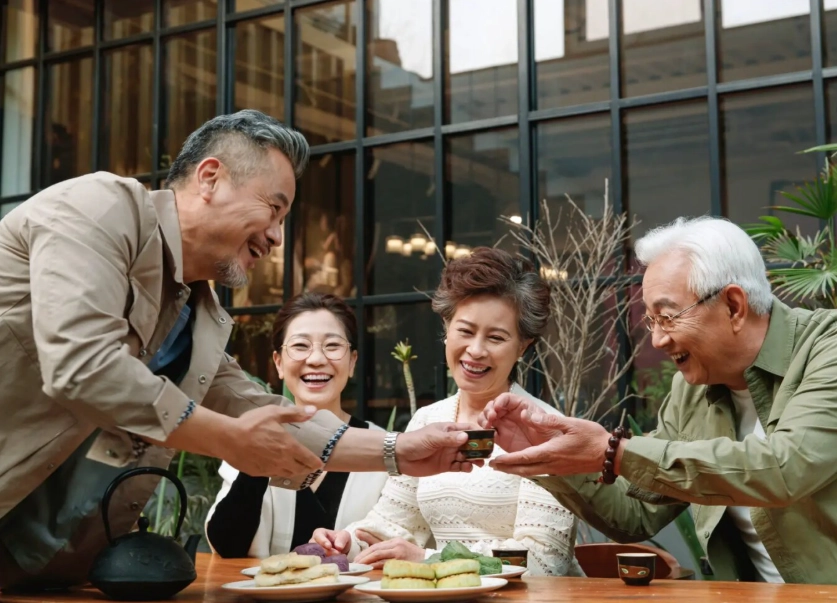
The wrapping is as important as the gift itself. A beautifully wrapped gift, often presented with both hands, shows care. The recipient will typically modestly refuse once or twice before accepting, and they often won't open it in front of you to avoid comparison or showing an inappropriate reaction.
For visitors, this comes into play a few ways. If you're staying with someone or invited to a home, bringing a nice omiyage from your home country (high-quality local sweets, specialty foods, or crafts) is a wonderful gesture. When I visited a Japanese friend's family, I brought some premium maple syrup from Canada. It was simple, representative of home, and consumable (which is ideal—it avoids the issue of them having to find space for a knick-knack).
Pro Tip: Avoid gifts in sets of four, as the word for four (shi) sounds like the word for death. Gifts in pairs are good. Also, don't break the bank—it's about the thought and the ritual, not the monetary value, which could make the recipient uncomfortable.
Understanding this rule helps you navigate social situations gracefully and show appreciation in a culturally resonant way.
Rule 6: The Art of Indirect Communication and Reading the Air
This might be the most challenging of the 7 rules of Japan for direct communicators. "Kuuki o yomu" (読む空気) literally means "to read the air." It's the ability to understand unspoken feelings, moods, and intentions from context, tone, and non-verbal cues. Direct confrontation, blunt refusal, or a forceful "no" are avoided as they disrupt harmony (wa).
A "maybe" or "it might be difficult" (chotto muzukashii desu) often means a polite "no." Silence can indicate disagreement or discomfort. People might say what they think the group wants to hear rather than their true opinion.
I learned this the hard way when asking a local contact for a favor that was outside their scope. Instead of a flat "no," I got a long, thoughtful pause, followed by, "Hmm, that is a very interesting request. Let me consider the possibilities internally." I initially took this as a maybe, but my more experienced friend later told me it was a classic, gentle refusal. The air had been read, and I'd missed it.
How to navigate this:
- Pay attention to non-verbals: Facial expressions, hesitation, and deflective answers are key.
- Don't put people on the spot: Avoid yes/no questions that force a direct answer. Frame requests as open-ended.
- Be subtle yourself: If you need to refuse something, a gentle "I will give it careful thought" is better than a blunt rejection.
This rule demands empathy and observation. It's less about what is said and more about what is left unsaid.
Rule 7: Perfection in Details and Process
The final of our 7 rules of Japan is about an overarching cultural focus on craft, process, and minutiae. Whether it's the precise arrangement of food on a plate (kaiseki cuisine), the meticulous care in wrapping a purchase, the flawless execution of a tea ceremony, or the relentless pursuit of improvement (kaizen) in business, there is a deep respect for getting the details right.
This manifests in everyday life. Instructions are followed to the letter. Systems are designed for efficiency and flawlessness (think of the famous Japanese toilet with its myriad buttons). There's a sense that if something is worth doing, it's worth doing perfectly, no matter how small.
For visitors, this means you can generally trust that things will work as advertised. Trains will be on time to the second. Food will look exactly like the plastic display model outside the restaurant. But it also means there is a "correct" way to do many things.
- Follow instructions: At a public bath (onsen), there is a strict order to washing before entering. Follow it.
- Appreciate the craft: Take time to notice the presentation of your meal, the packaging of a simple cookie.
- Don't rush or cut corners: Efficiency is valued, but not at the expense of thoroughness. Be patient with processes that may seem overly detailed.
This rule is the engine behind the reliability and quality Japan is famous for. Respecting it means appreciating the immense care that goes into even the most mundane services.
Beyond the 7 Rules: Common Questions and Gray Areas
Okay, you've got the big seven. But you probably have more specific, practical questions. Let's tackle some frequent ones that pop up around the concept of the 7 rules of Japan.
- Sticking chopsticks vertically into rice: This resembles a funeral rite and is a major taboo.
- Passing food from chopstick to chopstick: This is also associated with funeral rituals. Pass a plate instead.
- Rubbing wooden chopsticks together: It implies they are cheap and splintery, insulting to the host.
- Not using the correct dish for shared food: Use the provided serving chopsticks (torizashi) or reverse your own chopsticks to pick from shared plates.
Putting It All Into Practice: Your Action Plan
Feeling overwhelmed? Don't be. You don't need to be an expert. Think of these 7 rules of Japan as a lens to see the culture through, not a test you have to pass. Here's a simple pre-trip checklist:
- Pack for cleanliness: Bring slip-on shoes and clean socks without holes (you'll be taking shoes off a lot).
- Mental prep for quiet: Get ready to lower your voice, especially on transport and in restaurants.
- Learn five phrases: Konnichiwa (Hello), Arigatou gozaimasu (Thank you), Sumimasen (Excuse me/Sorry), Onegaishimasu (Please), Oishii desu (It's delicious).
- Observe first, act second: Watch how locals behave in a new situation (entering a temple, using an onsen, boarding a train) and follow suit.
- Embrace the mindset: Your actions affect the group. Think: "Am I being considerate? Am I maintaining harmony?"
The official Japan National Tourism Organization (JNTO) website is an excellent, authoritative resource for practical travel tips that align with these social norms. They have guides on everything from etiquette to transportation, all from an official source.
At the end of the day, Japan's 7 rules aren't about restriction. They're the grammar of a beautiful, complex, and deeply considerate society. When you learn a few basic phrases of that grammar, your whole experience transforms from that of a spectator to something closer to a participant. You'll notice the smiles that reach the eyes when you bow and say arigatou gozaimasu correctly. You'll feel the calm of a quiet train car. You'll appreciate the artistry in a perfectly wrapped pastry. You stop being just a tourist and start being a welcomed guest. And that is the best reward of all.
So go ahead, book that trip. Keep these seven ideas in your back pocket. Be observant, be respectful, and don't stress over every little mistake. The very fact that you're reading this means you care, and that care is the most important rule of all.

Share Your Thoughts