I almost missed a stunning Edo-period tansu chest because I showed up at the wrong time. It was a humid August afternoon at a market I won't name, and the seller was packing up. "Come back in October," he said, wiping his brow. "The good stuff comes out when the weather is good." That was the lesson. Asking "What's the best time to visit Tokyo flea markets?" isn't about checking a single calendar. It's a layered question about seasons, months, days of the week, and even hours of the day. Get it right, and you're not just browsing; you're on a treasure hunt with the odds in your favor.
Quick Navigation: Your Flea Market Timing Cheat Sheet
Tokyo Flea Market Best Visiting Season: Spring, Summer, Fall, or Winter?
Let's break down the year. Most blogs will tell you "spring and fall are best" and stop there. That's true, but incomplete. Here’s what they don’t tell you.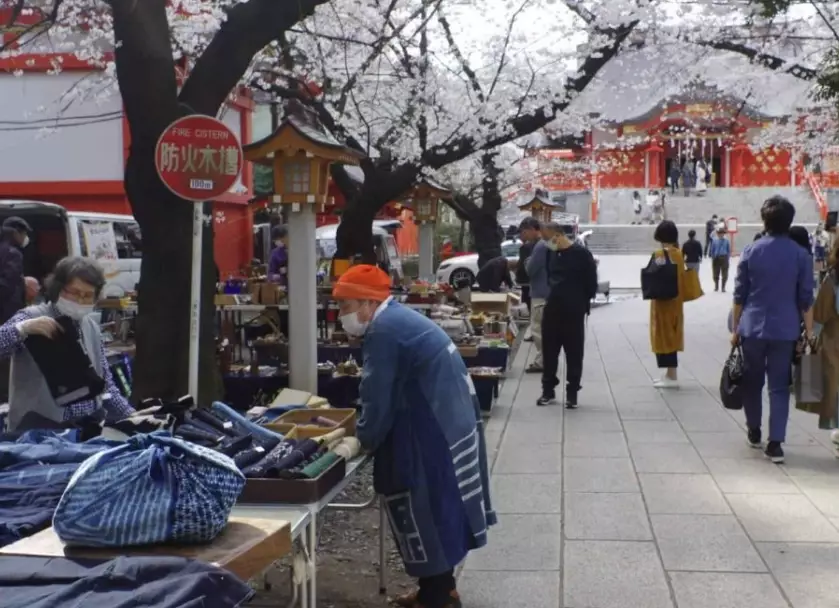
Spring (March-May): The Gold Standard
This is peak season for a reason. The weather is mild, the cherry blossoms are out (adding to the atmosphere), and vendors are motivated after the slower winter. The selection is vast. You'll find everything from vintage kimono perfect for a hanami picnic to garden ornaments. The downside? Everyone knows it. Crowds are significant, especially at famous markets like the Oedo Antique Market. Arrive early.
Summer (June-August): The Strategic Gamble
Most people will tell you to avoid summer. The humidity is brutal, and some outdoor markets scale back. Here’s the non-consensus view: summer can be a goldmine for the dedicated. The crowds thin out dramatically. Serious sellers still come, often more willing to negotiate to avoid hauling stuff back in the heat. I've found my best ceramics deals in late July. Just come prepared: a hat, sunscreen, a bottle of water, and a handheld fan are non-negotiable. Markets with good shade, like some areas of Setagaya Boroichi (though its main events are in winter), become more appealing.
Autumn (September-November): The Sweet Spot
My personal favorite. The oppressive heat breaks, the air turns crisp, and the market calendar fills up again. Vendors bring out quality items, anticipating the spending mood of the approaching holiday season. It's less crowded than spring but just as pleasant. The light is beautiful for photographing your finds. This is the time for finding rustic furniture, quality woodblock prints, and warm textiles.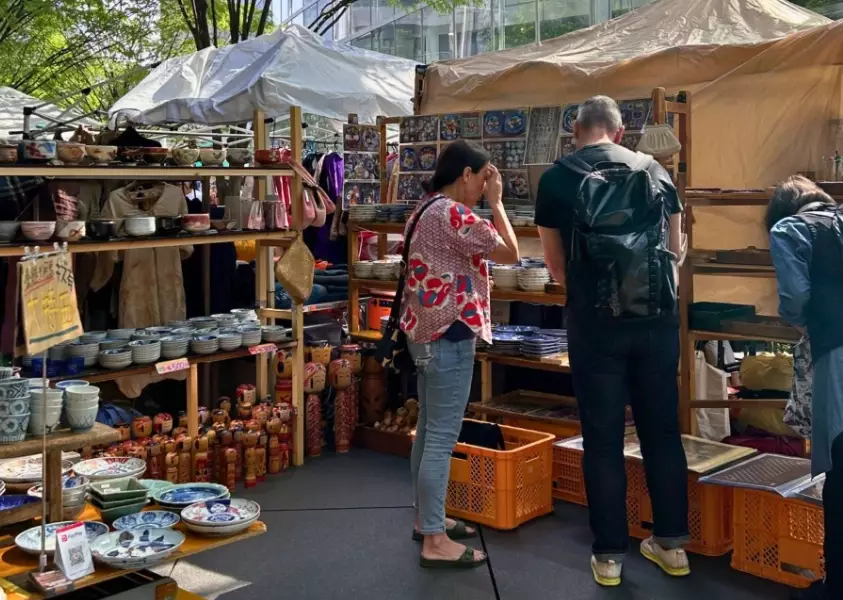
Winter (December-February): The Specialist's Season
Winter is for the hardcore. It's cold, and many regular markets operate on reduced schedules. But. This is when Tokyo's most legendary markets happen: the biannual Setagaya Boroichi (December 15-16 & January 15-16). This is a sprawling, centuries-old festival of junk and treasure. You need stamina for the cold and the crowds, but the variety is unmatched. For other markets, dress in layers with thermal underwear. You'll be rewarded with minimal competition and sellers happy to see a customer.
A Month-by-Month Breakdown of Tokyo's Market Calendar
To get even more specific, let's look at the calendar. This isn't just about weather; it's about the cultural rhythm that dictates what flows into the markets.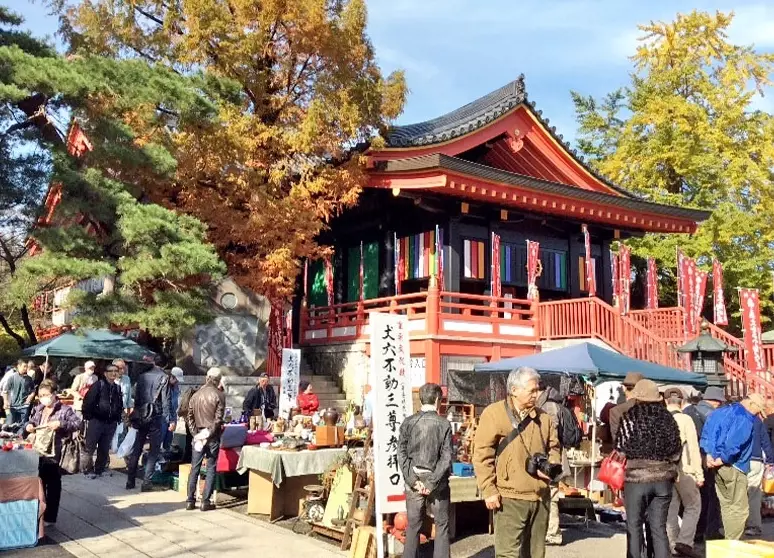
| Month | Pros | Cons & Considerations | Typical Finds |
|---|---|---|---|
| Jan-Feb | Post-New Year sales mood, Setagaya Boroichi (Jan), fewer crowds. | Coldest months, some markets closed. | New Year decorations (kadomatsu), vintage furoshiki, ceramics. |
| Mar-Apr | Perfect weather, full market schedules, cherry blossom ambiance. | Peak tourist crowds, higher prices. | Vintage hanami picnic sets, spring kimono, garden items. |
| May-Jun | Still pleasant early May, "Golden Week" sales (early May). | Rainy season begins in June, humidity rises. | Antique glassware, mid-century modern pieces. |
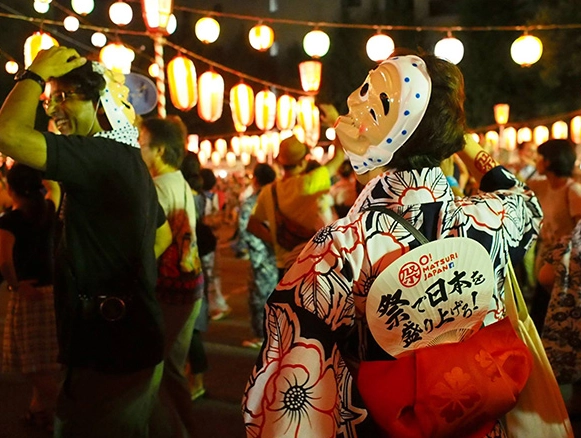
| Jul-Aug | Great for bargaining, indoor/evening markets appear. | Extreme heat & humidity, reduced outdoor schedules. | Summer yukata, old fans (uchiwa), bargain ceramics. |
| Sep-Oct | Ideal conditions, vibrant market activity, cultural festivals. | Typhoon risk in September. | Antique tansu chests, woodblock prints, autumnal textiles. |
| Nov-Dec | Beautiful foliage, holiday shopping vibe, Setagaya Boroichi (Dec). | Getting cold, especially in December. | Christmas ornaments, quality antiques, vintage jewelry. |
Tokyo's Top Flea Markets: A Specific Schedule Guide
Now, let's get concrete. Here are the specifics for Tokyo's major markets. Always double-check the official site or social media before heading out, as dates can shift.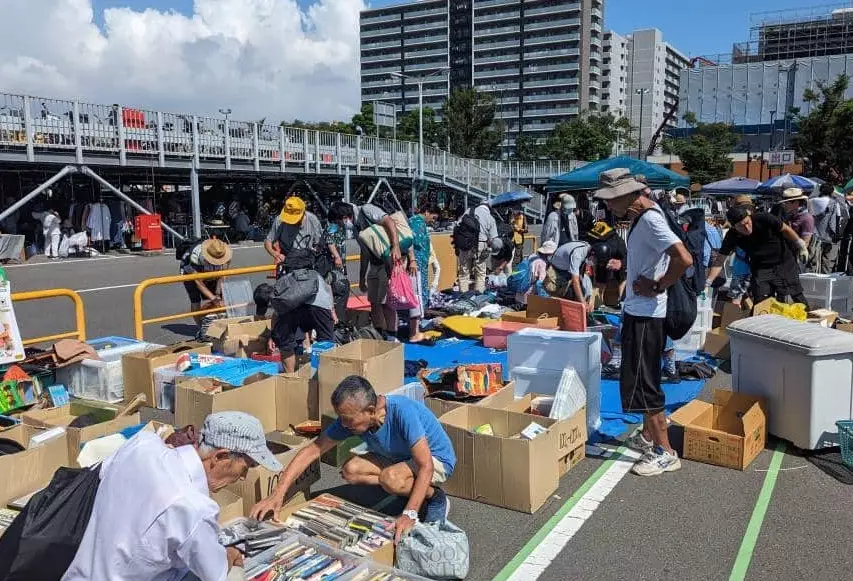
1. Oedo Antique Market
Often called Tokyo's largest and most famous. It's at the Tokyo International Forum in Yurakucho.
Address: 3-5-1 Marunouchi, Chiyoda City, Tokyo. At the Tokyo International Forum ground floor plaza.
Schedule: Typically the 1st and 3rd Sundays of every month, with some exceptions for holidays or events. Runs from about 9:00 AM to 4:00 PM, but get there by 10:30 AM for the best picks.
Best Time to Go: A sunny Sunday in October or November. Be there at opening bell. By 2 PM, the best small items are often gone, though furniture sellers might deal.
Transport: A 1-minute walk from Yurakucho Station (JR Yamanote Line) or a 5-minute walk from Tokyo Station.
2. Setagaya Boroichi
This isn't a monthly market; it's a semiannual event with over 700 years of history. It's massive, crowded, and incredible.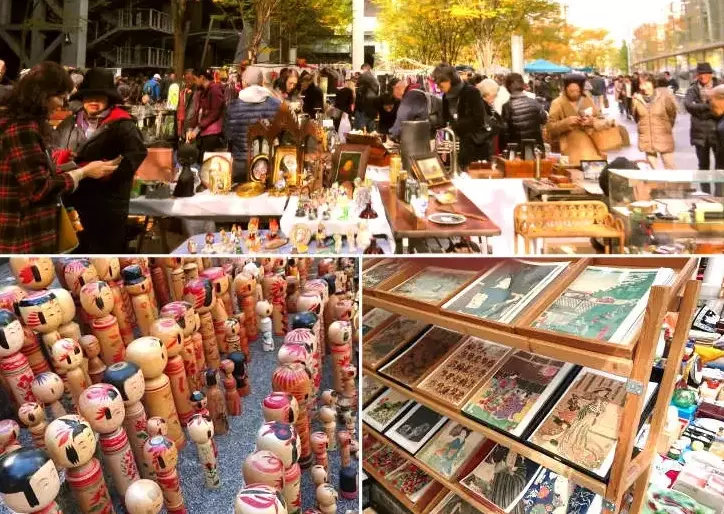
Address: Along Boroichi Street, near Setagaya Station.
Schedule: Only twice a year: December 15-16 and January 15-16. If those dates fall on a weekend, it's packed. Runs from early morning until dusk.
Best Time to Go: The January dates are slightly less crowded than December. Go on the first day, as early as you can bear the cold. Wear your warmest, most comfortable shoes.
Transport: Setagaya Station on the Setagaya Line (a tram). From Shibuya, take the Tokyu Den-en-toshi Line to Sangen-jaya, then transfer to the Setagaya Line.
3. Tokyo City Flea Market
Held at the massive parking lot of Tokyo Big Sight in Ariake. It's huge, modern, and has a different feel.
Address: 3-11-1 Ariake, Koto City, Tokyo. At Tokyo Big Sight (Ariake).
Schedule: Usually every Saturday and Sunday, but the scale varies. The weekend events are big. Check their official website for the monthly calendar.
Best Time to Go: A sunny weekend in spring or fall. It's more spread out, so you can arrive a bit later than Oedo—say, 11 AM—and still find great stuff. It has more modern "flea market" vibes alongside antiques.
Transport: A 3-minute walk from Kokusai-tenjijo Station on the Rinkai Line.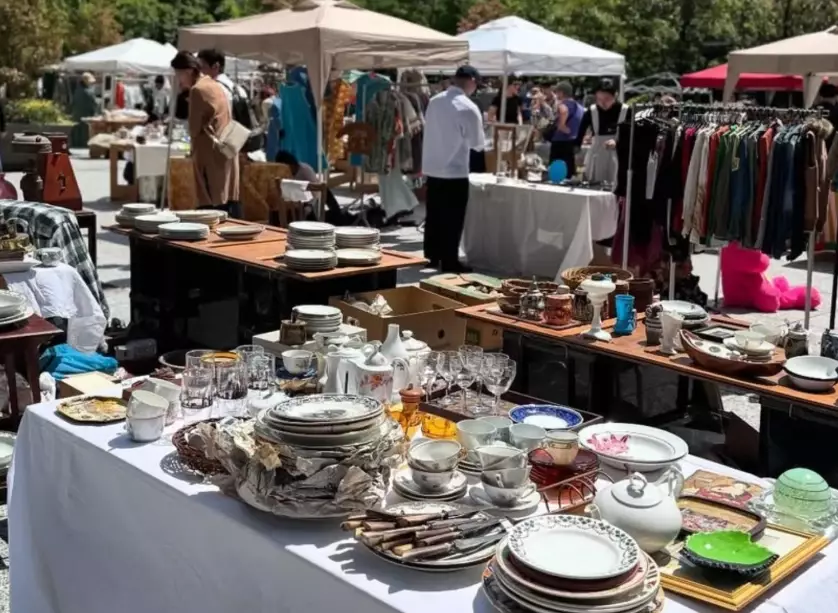
The Best Time of Day for Deals and Discoveries
You've picked the right season and the right market. Now, what time should you roll up?
The Early Bird (9:00 AM - 10:30 AM): This is for the serious collector or someone with a specific "white whale" item. You get first pick of everything. The atmosphere is energetic, prices are firm. I go early if I'm hunting for something specific, like a particular type of Satsuma pottery.
The Prime Browsing Window (10:30 AM - 1:30 PM): The market is in full swing. This is the best time for most people. The full variety is on display, it's lively, and you can take your time. You might miss the one-of-a-kind superstar item, but you'll see thousands of other pieces.
The Late Afternoon Deal Hunter (2:00 PM - Closing): This is the non-consensus strategy. Many vendors, especially those who traveled far, don't want to pack everything up. Their willingness to negotiate increases. I've had sellers throw in a small dish for free with a larger purchase just to lighten their load. The selection is picked over, but if you're flexible and love a bargain, this is your time. That Edo-period tansu I mentioned? I went back at 3 PM the next day it was open (in October) and secured it for 20% less.
Pro Tips to Elevate Your Flea Market Game
- Cash is King (and Queen): 95% of vendors only take cash. Bring more yen than you think you'll need, in smaller bills (¥1,000 notes).
- Carry Your Own Bags: Bring a sturdy, foldable tote or a backpack. Vendators rarely provide them.
- Check for Damage: Examine items carefully in the light. For electronics, ask if you can plug them in or test them. A polite "tsukaimasu ka?" (Can I use it?) works.
- Use Your Phone Wisely: Have a translation app ready (Google Translate's camera function is magic). Use your maps to mark the location of a stall if you want to circle back.
- Dress for Success: Comfortable shoes are non-negotiable. You will walk for hours. Dress in layers you can remove as the day warms up or as you enter crowded aisles.
Your Tokyo Flea Market Questions, Answered
So, what's the best time? There isn't one answer. For perfect weather and full selection, aim for a Sunday in late April or October. For legendary atmosphere and insane variety, brave the cold for Setagaya Boroichi in January. For a bargain and a quieter experience, try a summer morning. Now you have the map. The treasure is waiting.

Share Your Thoughts