You pick up a Mashiko-yaki cup. It's not perfectly round. The glaze has variations – a thicker pool here, a thinner streak there. The clay feels substantial, warm, a little rough under your thumb. This isn't porcelain's cold perfection. This is pottery with a heartbeat. For over 150 years, Mashiko pottery has defined Japanese folk art, prioritizing robust utility and honest expression over flawless beauty. It’s the kind of tableware that makes your morning coffee taste better, not because of the coffee, but because of the vessel holding it.
But there's a gap between admiring a piece in a gallery and actually integrating it into your life. Where do you start? How do you tell a good piece from a mediocre one? Is it worth the trip to the remote town itself? I’ve been collecting and using Mashiko ware for a decade, and I’ve seen visitors make the same mistakes – buying the most decorative piece instead of the one that feels right, or missing the hidden workshops that produce the real gems.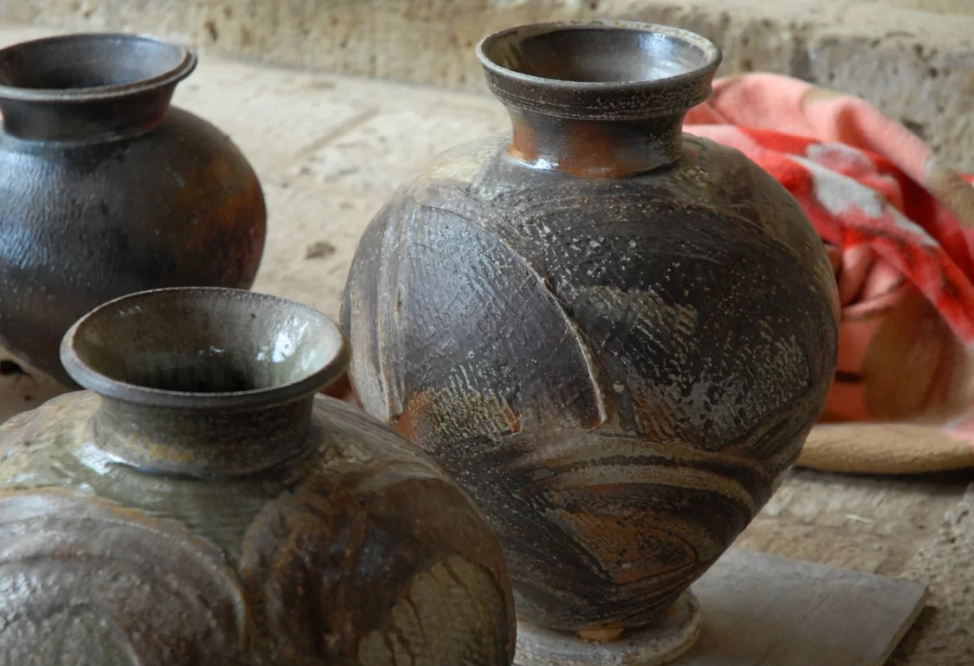
What's Inside This Guide
What Exactly Is Mashiko-yaki?
Let's clear something up first. Mashiko pottery isn't a single style. It's a tradition born from local materials and needs. The clay dug from around Mashiko is rich in iron and silica, making it sturdy but relatively coarse. This dictated its character: thick-walled, durable, and fired at a high temperature.
The classic Mashiko look revolves around a few key features:
Rustic Simplicity: Forms are often straightforward – bowls, plates, vases, teapots. The beauty is in the proportion and the slight irregularities that reveal the potter's hand.
Earth-Toned Glazes: Think iron-rich browns (tetsu-yu), warm off-whites, ash glazes, and the iconic persimmon glaze (kaki-yu). They're meant to complement food, not compete with it.
Bold Decoration: When there is decoration, it's assertive. Thick brushstrokes (hakeme), combed patterns, or splashes of copper green. It's folk art, not delicate miniature painting.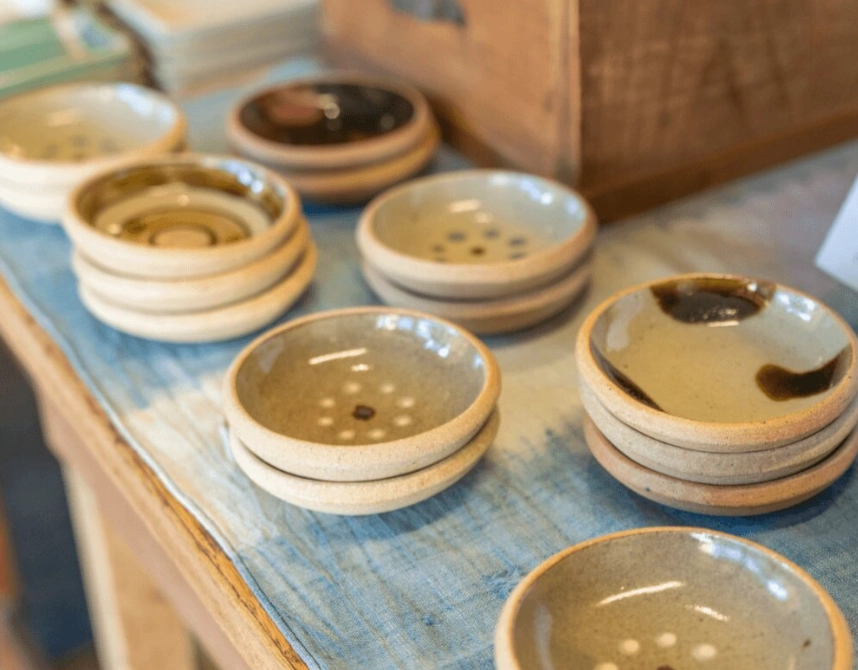
Here’s the non-consensus bit most articles miss: The true value of Mashiko ware isn't just in looking at it; it's in the deterioration. A well-used Mashiko bowl will develop tiny cracks in the glaze (crazing), and stains from tea or miso. Purists don't see this as damage. They call it a "narrative" – the history of your meals etched into the clay. If you're afraid of that, this might not be the pottery for you.
The History & The Man Who Changed Everything: Hamada Shoji
Before the 1930s, Mashiko was just another regional kiln center producing functional ware like water jars and sake bottles. Then came Hamada Shoji. A pivotal figure in the mingei (folk craft) movement alongside Yanagi Soetsu and Kawai Kanjiro, Hamada didn't just move to Mashiko; he redefined its potential.
He saw the robust, unpretentious quality of the local ware as the epitome of true beauty – beauty born from anonymous craftsmanship and daily use. He settled there, built a kiln, and worked for decades. His presence turned Mashiko into a pilgrimage site for the mingei movement. More importantly, he inspired generations of potters to settle there, not to copy him, but to find their own voice within the material constraints of Mashiko clay.
Visiting his preserved home and workshop (now the Mashiko Sankokan Museum) is essential. You don't just see his pots; you see his wheels, his tools, the ash pit for his glazes. It contextualizes everything. The museum's collection, detailed on the Mashiko Sankokan official website, shows the evolution of his work and the depth of his influence.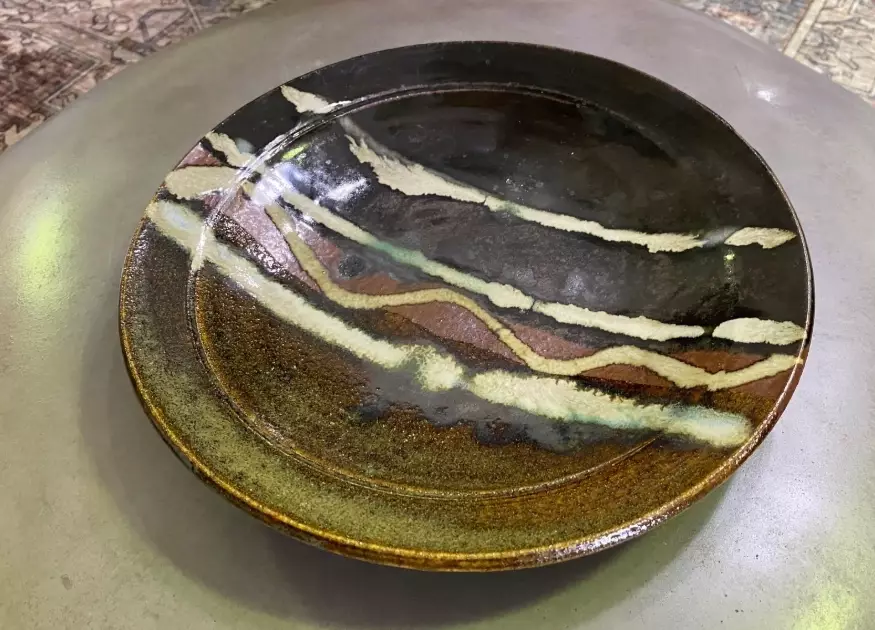
Your Practical Guide to Visiting Mashiko Town
Mashiko isn't a theme park. It's a working town where people live and make pottery. The charm is in wandering its sloping streets, stumbling upon a kiln chimney, and peeking into open studio doors. Here’s how to do it right.
Getting There: The Logistics
Mashiko is in Tochigi Prefecture, about 2-2.5 hours north of Tokyo. The most straightforward route:
From Tokyo (Ueno Station): Take the JR Utsunomiya Line to Utsunomiya Station (about 75 mins). Transfer to the JR Mito Line and get off at Mashiko Station (about 30 mins). The train ride through the countryside is part of the experience.
From Mashiko Station, you have options. Renting a bicycle (available near the station) is the best way for a half-day. For a full day or to reach farther studios, the local bus (the "Yuyu Bus") is infrequent but covers key areas. Taxis are available but can be scarce. Many serious visitors opt to drive, which offers the most flexibility.
Can't-Miss Stops in Mashiko
Don't try to see everything. Pick a few spots and explore them deeply.
| Venue | What It Is & Why Go | Practical Info (Note: Always verify before travel) |
|---|---|---|
| Mashiko Sankokan Museum | Hamada Shoji's former home and workshop. The spiritual heart of Mashiko pottery. See where and how he lived and worked. | Address: 3388 Mashiko, Haga District, Tochigi. Open 9:30-16:30, closed Mondays (or following day if Mon is a holiday). Admission ~500 yen. |
| Mashiko Reference Museum (Mashiko Ceramic Art Museum) | Modern museum showcasing the breadth of Mashiko pottery, from historical pieces to contemporary works by resident artists. | Located near the Ceramic Park. Open 9:30-16:30, closed Mondays. Admission ~300 yen. Check the town's museum page for current exhibits. |
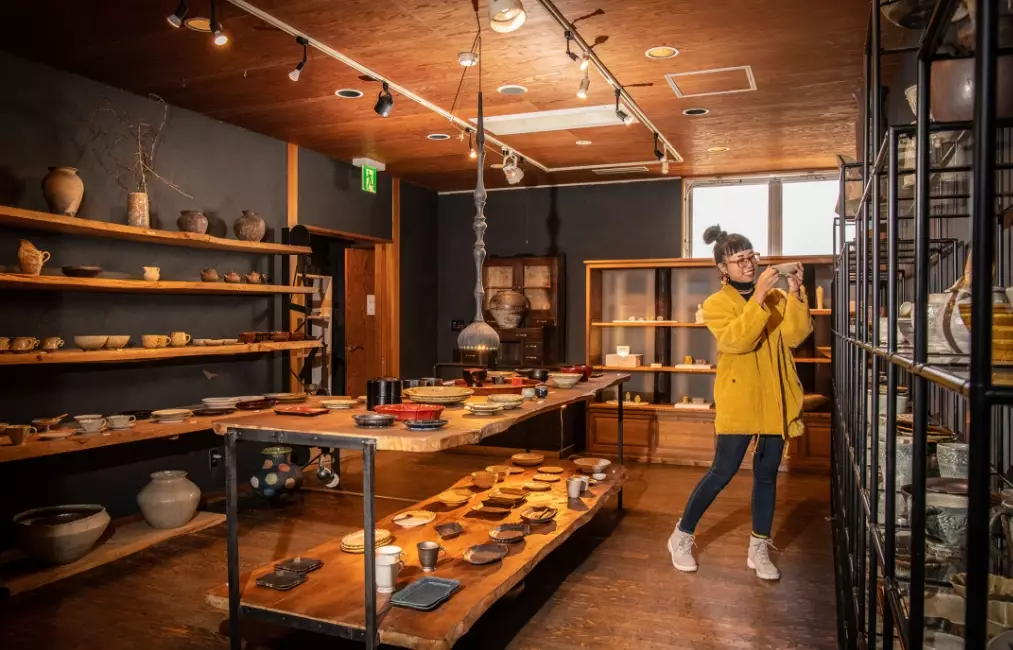
| Ceramic Park (Mashiko Togei no Mori) | A cluster of shops and galleries. A good first stop to get an overview of different styles. Includes the large "Mashikoyaki Wholesale Center." | Easy walking from the station. Multiple shops with varying hours, generally 9:00-17:00. Good for browsing and initial purchases. |
| Working Potters' Studios (Various) | The real magic. Studios like Ichino, Tsukamoto, or Kato often have "open studio" signs. You can meet the potter, see works in progress, and buy directly. | Hours are erratic. Afternoons on weekends are usually safe. A smile and a polite "konnichiwa" go a long way. Cash is king here. |
My personal strategy? I skip the big wholesale centers first. I head straight to a few studio clusters, talk to potters, and find pieces that speak to me. Then, on the way back to the station, I might hit the commercial centers to see if anything else catches my eye – often it doesn't, because the direct studio connection is irreplaceable.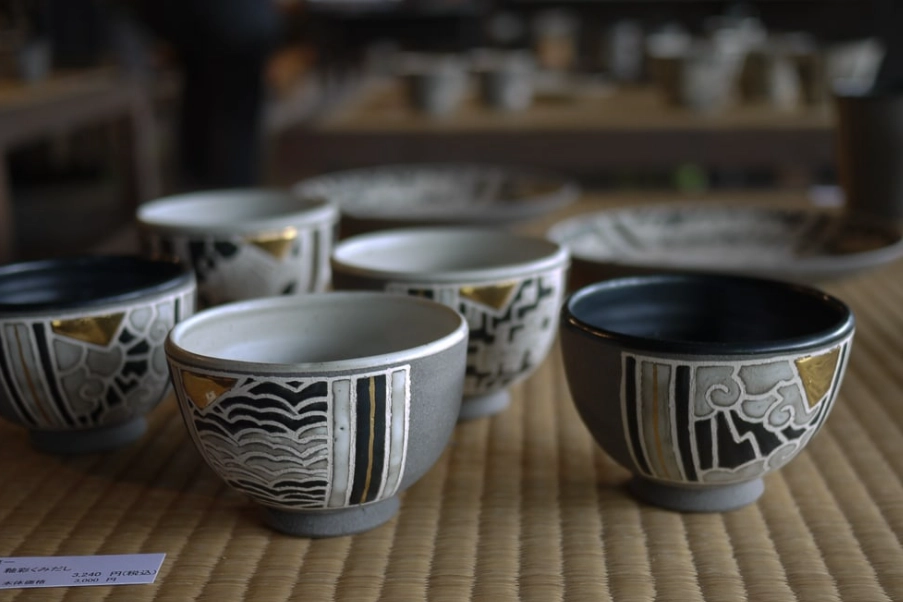
How to Choose Mashiko Pottery: An Expert's Eye
You're in a shop, surrounded by hundreds of pieces. How do you choose? Forget matching a set. Think about one perfect piece.
1. Pick it up. This is non-negotiable. How does the weight feel in your hand? A good cup has a comforting heft. Is the rim pleasant against your lips? Run your fingers over the surface and the foot (the bottom). The texture tells a story of how it was made.
2. Look at the foot. Flip it over. The unglazed ring on the bottom is the potter's fingerprint. Is it cleanly cut or rough? You can often see the marks of the throwing tool or the kiln shelf. A considered foot shows care.
3. Think about function. Are you buying a vase, or a mug for daily use? For a mug, consider the handle. Does your finger fit comfortably? Is it attached securely? I've seen beautiful mugs with handles that are awkward to hold – a classic form-over-function mistake.
4. Embrace the flaw. See a pinhole in the glaze, a dark speck in the clay (from iron in the local material), or a wobble? In Mashiko ware, these are often considered virtues, signs of its handmade, natural origin. Decide if you agree.
Here’s a quick comparison of styles you'll encounter from different generations of Mashiko potters: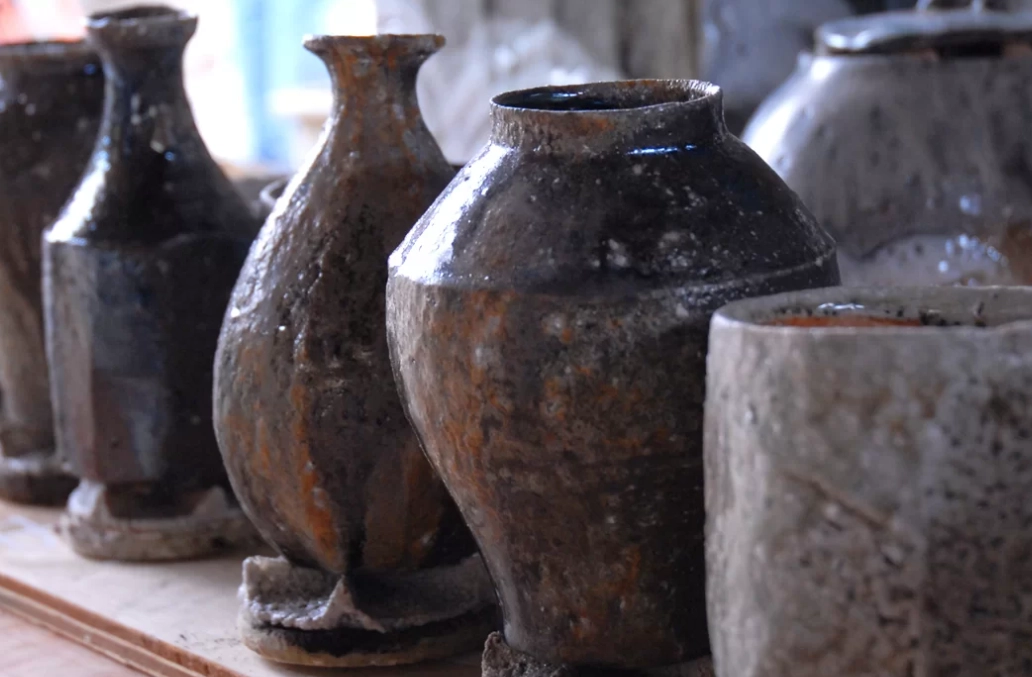
| Style/Influence | Typical Characteristics | Best For Someone Who... |
|---|---|---|
| Traditional / Mingei-inspired | Strong, simple forms. Iron brown and white glazes. Hakeme brushwork. Direct lineage from Hamada's philosophy. | Wants an authentic, timeless piece that embodies the original Mashiko spirit. Values pure functionality. |
| Contemporary / Artistic | Experiments with form, color, and surface texture. Might incorporate sculptural elements or non-traditional glazes. | Views pottery as art for display. Likes bold statements and unique, one-of-a-kind pieces. |
| Utilitarian Focus | Perfectly balanced plates, ergonomic cups, lidded containers. Refinement in service of daily use. | Is building a usable kitchen set. Prioritizes how a piece feels in the hand and works on the table every day. |
Mashiko Pottery FAQs: Beyond the Basics
As a beginner, what's the biggest mistake people make when buying their first piece of Mashiko pottery?
They buy with their eyes, not their hands. They choose the most decorative plate with the prettiest picture, not the bowl that feels like an extension of their palm. That decorative plate will sit in a cabinet. The bowl you love the feel of will be used every day. Start tactile. Ignore the pattern for a second. Close your eyes and hold it. Does it feel right? That's your piece.
How can I tell if a piece is truly handmade in Mashiko versus mass-produced elsewhere?
Check the foot, always. Mass-produced pottery has a perfectly smooth, often stamped or perfectly uniform foot. Hand-thrown Mashiko ware will have tool marks, slight grooves from the wire used to cut it off the wheel, and a raw, unglazed texture that matches the local clay's color. Also, look for variation. If every cup on the shelf is identical in dimension, glaze pool, and pattern, it's likely molded, not thrown. True handmade pieces are siblings, not clones.
Is Mashiko pottery safe for dishwashers and microwaves?
This is a major pain point. The short, cautious answer is: many modern potters design for it, but you must ask. The high-fire clay is very durable. However, the glazes can craze (develop fine cracks). In a microwave, moisture can seep into these cracks, potentially causing stress. In a dishwasher, harsh detergents can stain the unglazed foot or lodged in crazing. My rule? I hand-wash my best Mashiko pieces. They last for decades. For everyday mugs I use relentlessly, I buy from potters who explicitly test and confirm their glaze formulas are microwave/dishwasher safe. It's a trade-off between convenience and absolute preservation.
 Mashiko pottery isn't about acquiring a perfect object. It's about starting a relationship with an object that has a past, even before you own it – a history of local clay, fire, and a maker's intention. It asks you to slow down, to feel, and to appreciate the beauty in the irregular and the utilitarian. That’s a lesson that stays with you long after you've finished your tea.





Share Your Thoughts