If you're into Japanese ceramics, or even just curious about authentic local culture beyond Tokyo's neon lights, you've probably heard whispers about the Mashiko Pottery Festival. Let's cut to the chase: it's the biggest, most chaotic, and most rewarding pottery event in Japan. Twice a year, the quiet town of Mashiko in Tochigi Prefecture transforms into a sprawling, vibrant marketplace dedicated entirely to Mashiko-yaki, its famed rustic pottery. Forget sterile museum displays—this is where you get your hands dirty, meet the potters face-to-face, and haul home a one-of-a-kind piece that has a story.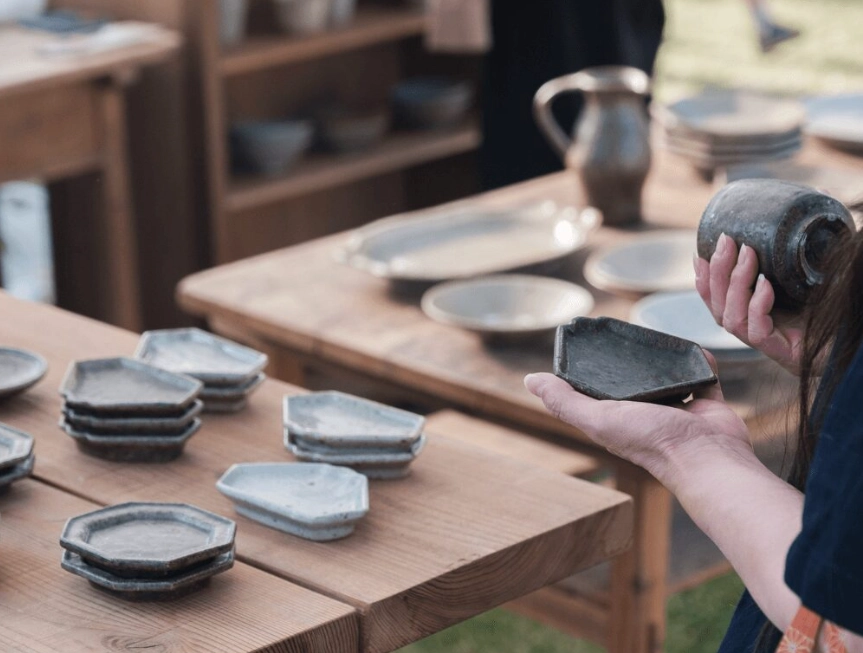
Your Quick Guide to the Mashiko Pottery Festival
What Exactly Is the Mashiko Pottery Festival?
It's not a single event in a hall. Think of it as the entire town putting on a sale. Hundreds of potters—from living national treasures to young up-and-comers—set up stalls in every available space: along the main shopping street (Mashiko Tougei Street), in parking lots, schoolyards, and even in their own private kiln yards. The atmosphere is part county fair, part artisanal treasure hunt.
The festival's roots are deeply tied to Shoji Hamada, a Living National Treasure who revitalized Mashiko pottery in the 20th century. He championed the Mingei (folk craft) movement, valuing practical, beautiful items for everyday use. That philosophy is alive here. You won't find many overly delicate, decorative-only pieces. Instead, you'll see sturdy mugs, earthy plates, expressive vases, and quirky figurines—all meant to be used and loved.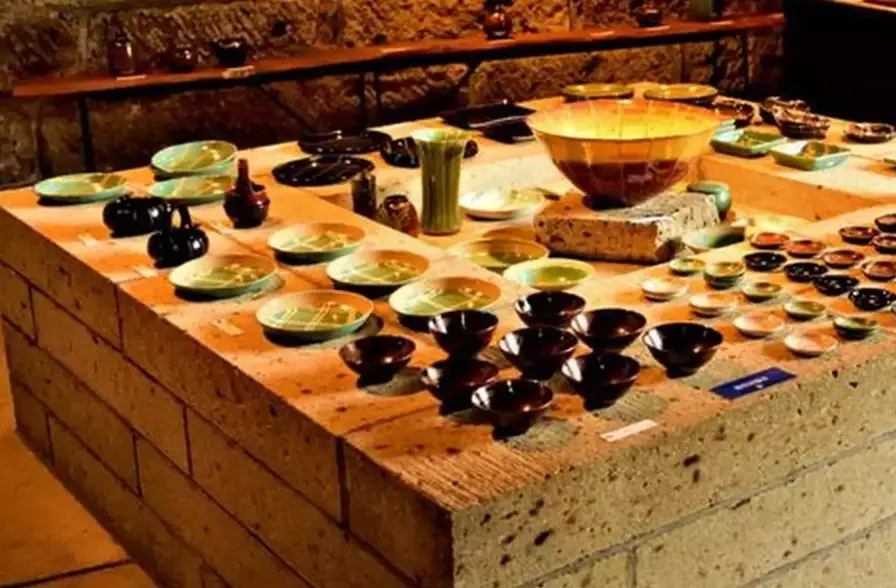
Dates, Location, and How to Get There
Mark your calendar. The festival happens twice yearly, during Golden Week in spring and again in autumn.
| Season | Typical Dates | Atmosphere & Notes |
|---|---|---|
| Spring Festival | Late April to Early May (aligned with Golden Week holidays) | Incredibly crowded. Weather is mild and pleasant. The town is lush and green. Perfect if you don't mind the bustle. |
| Autumn Festival | Early November (often around Culture Day, Nov 3) | Still busy, but generally considered slightly less packed than spring. Crisp autumn air and fall colors make for a beautiful backdrop. My personal recommendation. |
Location: The epicenter is Mashiko Town, Tochigi Prefecture, roughly 2 hours north of Tokyo. The main action radiates from Mashiko Station and along the Tougei Street.
Admission: Completely free. You only pay for what you buy.
Getting to Mashiko Pottery Festival: Your Transport Options
Pro Tip: Driving gives you flexibility to explore remote kilns, but parking is the #1 headache. Public transport is stress-free but requires planning.
By Train & Bus (Recommended for first-timers):
Take the JR Utsunomiya Line from Tokyo (Ueno or Tokyo Station) to Utsunomiya Station (about 50-75 mins by Shinkansen or 1.5-2 hrs by local train). At Utsunomiya, transfer to the JR Mooka Line for the local train to Mashiko Station (approx. 45 minutes). The festival grounds are a 15-20 minute walk from the station, or shuttle buses often run during the event.
By Car:
Take the Tohoku Expressway to the Sano-Fujioka IC or the Utsunomiya IC. Follow signs to Mashiko. Now, about parking—official festival parking lots are available but fill up fast, especially by 10 AM. Expect to pay around 500-1000 yen. Many visitors end up in overflow fields a 20+ minute walk from the center. If you drive, aim to arrive before 9 AM.
Seriously.
I made the mistake of arriving at 10:30 once and spent 45 minutes circling.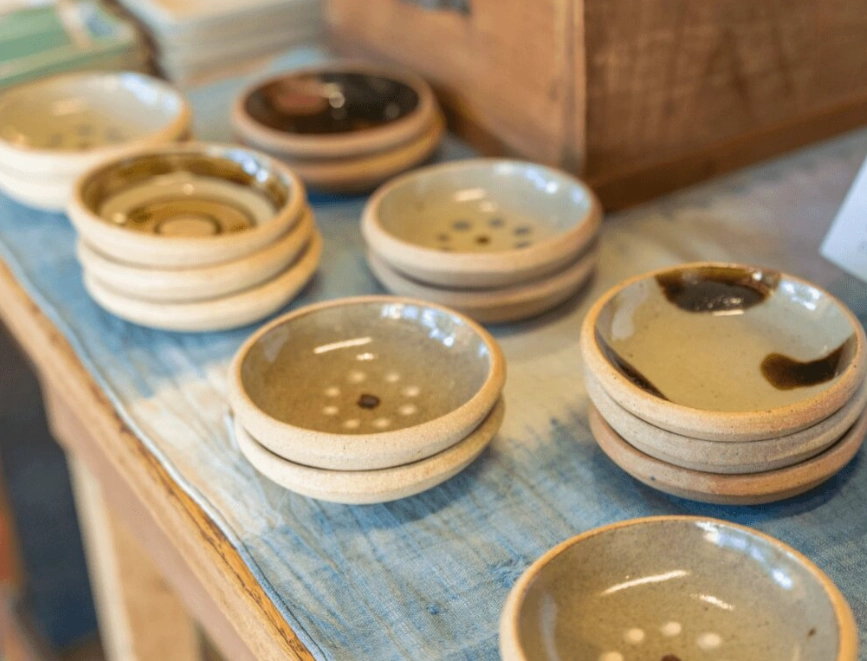
What to Expect & What You Can Actually Buy
This isn't a curated gallery. It's a bustling market. You'll be walking on paved streets, gravel paths, and sometimes grass. Wear comfortable, closed-toe shoes. The stalls range from simple tables under tents to elaborate displays in kiln compounds.
What can you buy? Everything from 500-yen sake cups to 50,000-yen statement art pieces.
- Everyday Tableware: This is Mashiko's heart. Plates, bowls, mugs, teacups. Look for beautiful glazes—ash glazes, iron glazes, and the iconic namako (sea cucumber) blue-and-white.
- Sake & Tea Ware: Tokkuri (sake flasks), guinomi (sake cups), kyusu (teapots). Potters often excel in one of these.
- Decorative Pieces: Vases, sculptural objects, wall plates.
- Kawaii & Modern Designs: Younger potters are injecting whimsy—animal figurines, planters with faces, jewelry.
Prices are generally set, but if you're buying multiple items from one potter, a small discount isn't unheard of. Cash is king, though more stalls now accept credit cards and digital payments like PayPay.
Navigating the Festival Like a Pro: Tips & Strategy
Here's where experience talks. Most guides just tell you to go. Here's how to actually enjoy it.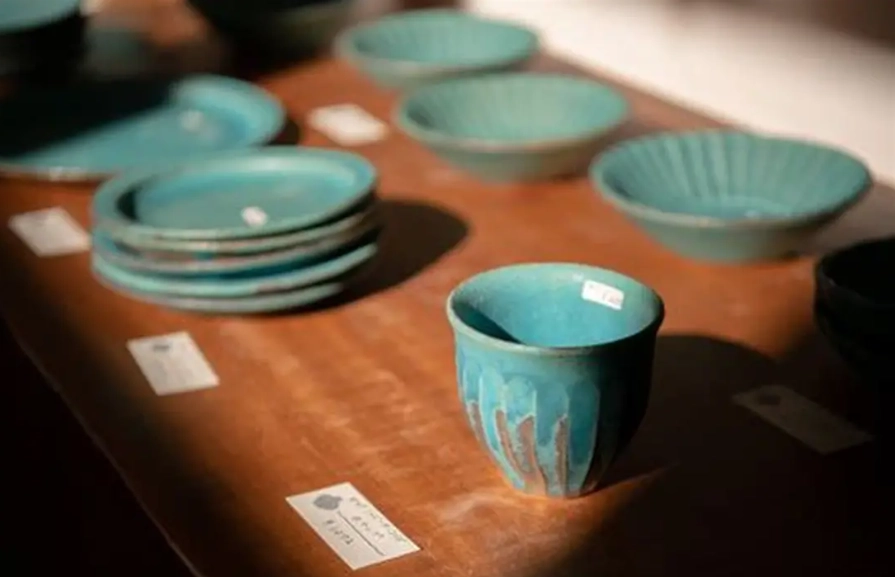
Timing Is Everything (The Crowd Secret)
The crowds peak between 11 AM and 3 PM. If you want to browse peacefully and have first pick of the best items, you must be on the main street by 8:30-9 AM. Many stalls open early. The late afternoon (after 4 PM) also thins out, but selection is picked over.
A Shopping Strategy That Works
Don't buy the first beautiful cup you see. Do a reconnaissance lap first. Prices and styles vary wildly. Make a mental note (or take a discreet photo) of stalls you love. Then circle back. This prevents the classic "buyer's remorse" when you see something better two stalls down.
Talk to the potters. A simple "kirei desu ne" (it's beautiful) can open a conversation. They might explain the glaze or firing technique. This connection makes the piece more special.
The Packing & Shipping Dilemma
You will buy more than you planned. Everyone does. Most stalls provide excellent wrapping—layers of paper and bubble wrap. For larger pieces, consider using the festival's package forwarding service (takkyubin) located near the station or information center. You can ship purchases directly to your hotel or home. It's worth the cost for peace of mind.
Beyond the Festival Grounds: Mashiko Town Itinerary
The festival is the main draw, but Mashiko has other gems. If you're staying overnight (a great idea to beat the day-trip rush), here's how to fill your time.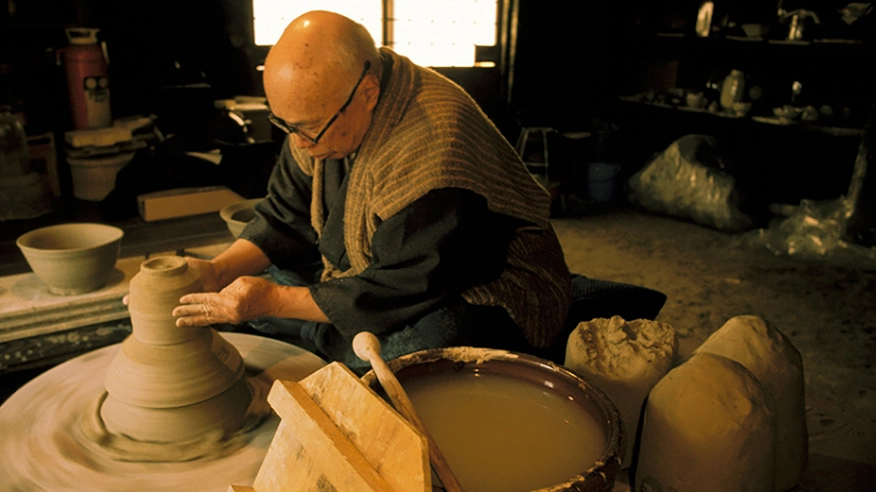
Must-Visit Spots:
- Mashiko Sankokan Museum: The former residence and kiln of Shoji Hamada. It's a serene, spiritual place for any pottery fan. Seeing his workspace is humbling. (Address: 3388 Mashiko, Haga District, Tochigi 321-4217).
- Mashiko Ceramic Art Museum: More formal exhibitions tracing the town's ceramic history. Provides great context before you hit the market.
- Working Kilns (Kama): Wander off the main drag. Places like Ichinoki Kiln or Tsukamoto Kiln are often open to visitors and offer a quieter, more intimate browsing experience even during the festival.
Food & Accommodation:
Food stalls at the festival offer the usual festival fare: yakisoba, grilled chicken, etc. For a proper meal, try local soba noodles. Accommodation is limited—mostly minshuku (guesthouses) and a few small hotels. Book months in advance if you plan to stay during the festival. A good alternative is to stay in Utsunomiya (famous for gyoza) and take the early train in.
Your Burning Questions Answered (FAQ)
 I'm on a tight budget. Is the festival still worth visiting?
The Mashiko Pottery Festival is more than a shopping trip; it's a deep dive into a living craft tradition. It's messy, crowded, and utterly captivating. With a bit of planning—arriving early, wearing good shoes, having a shipping plan—you'll navigate it like a local and come away with more than just pottery. You'll have stories and a tangible connection to a place and its people. That's something no mass-produced souvenir can ever match.





Share Your Thoughts