Staying in a ryokan and soaking in an onsen is a highlight of any trip to Japan. It’s also a social minefield if you don’t know the rules. Getting it wrong isn't just embarrassing—it can disrupt the serene atmosphere for everyone. This isn't about memorizing a rigid list. It's about understanding the why behind the customs, which are rooted in hygiene, respect, and collective harmony. Do it right, and you’ll experience a level of cultural immersion most tourists miss.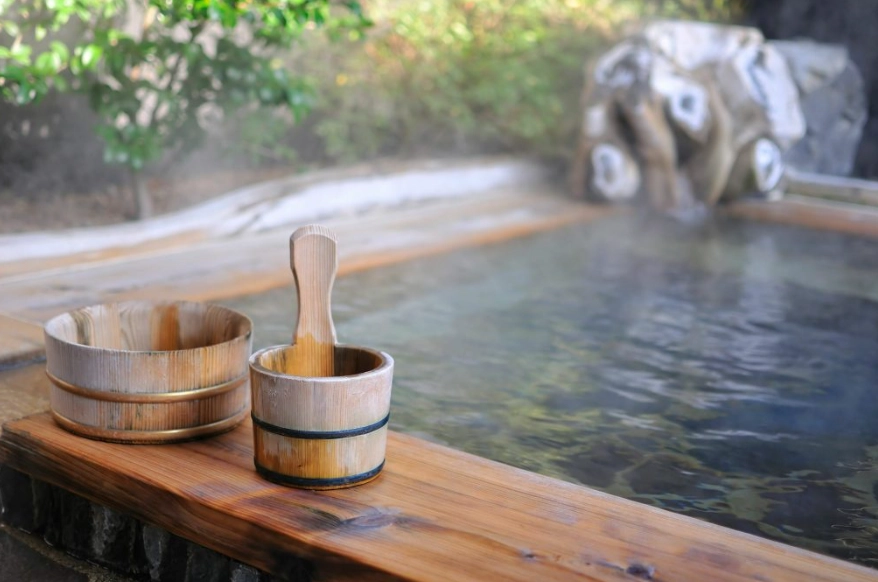
What You'll Learn in This Guide
Understanding the Ryokan: More Than Just a Hotel
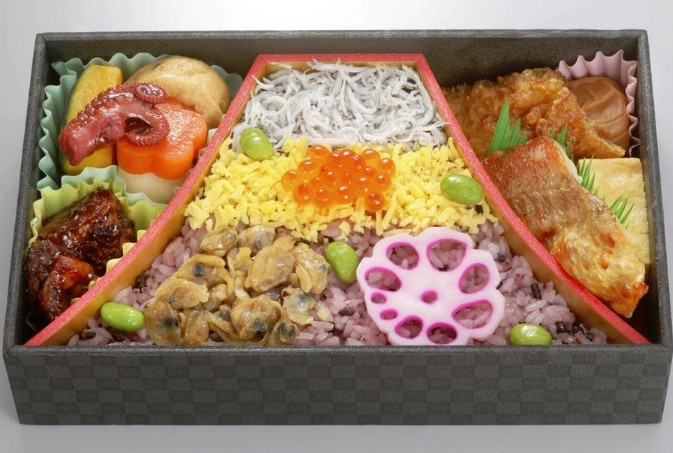
A ryokan is a traditional Japanese inn. Think of it as the opposite of a bustling, anonymous business hotel. It’s a quiet, intimate space where the architecture, food, and service are designed to foster relaxation and a connection with Japanese aesthetics. Your stay is a package deal—it almost always includes dinner and a lavish multi-course breakfast (kaiseki), served in your room or a dining hall.
The etiquette starts the moment you arrive. You’ll be greeted at the entrance, asked to remove your outdoor shoes, and given slippers. This is the first of many footwear transitions. Here’s the breakdown most guides don’t stress enough:
- Genkan (Entrance): Outdoor shoes off. Leave them pointing towards the door. Step up into the ryokan in your socks or bare feet.
- Hallways & Common Areas: Wear the slippers provided.
- Tatami Mat Rooms: Slippers OFF. Never, ever step on the delicate tatami with slippers or shoes. It’s a major faux pas.
- Bathroom: You’ll find separate plastic bathroom slippers inside. Swap your hallway slippers for these. Never wear the bathroom slippers outside the toilet room—it’s a hilarious but serious hygiene blunder.
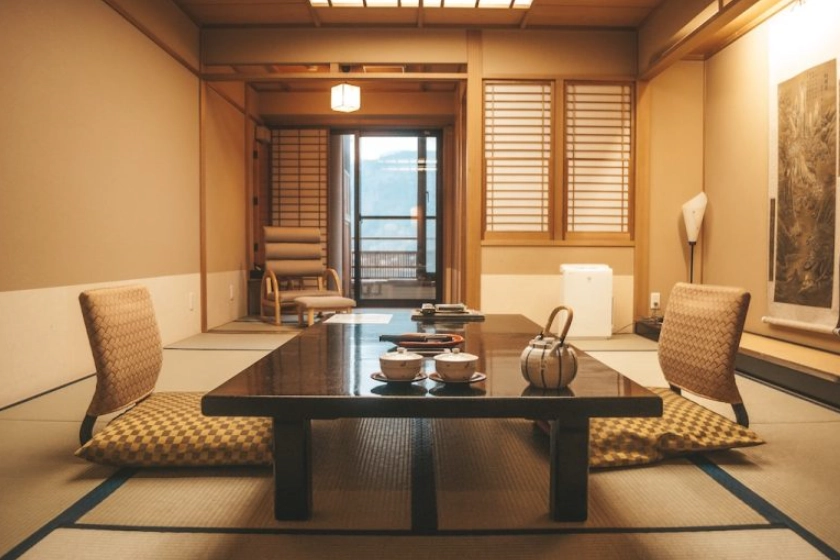 You’ll also be given a yukata (a casual cotton kimono). This isn’t just a bathrobe. It’s your all-purpose attire for lounging in your room, walking to the baths, and sometimes even to the dining area. Putting it on seems simple, but there’s a trick: left side over right. Wrapping it right-over-left is how a corpse is dressed for burial. It’s a subtle but significant error. Tie the obi (belt) snugly.
The Yukata and Slipper Shuffle
I once spent an entire evening with my yukata on backwards before a staff member gently corrected me with a smile. It felt silly, but it taught me to pay attention. The constant slipper switching feels fussy at first, but it’s a physical reminder that you’re moving between different zones of purity and function. Embrace the ritual—it’s part of the mental shift into relaxation mode.
How to Bathe in an Onsen: The Step-by-Step Ritual
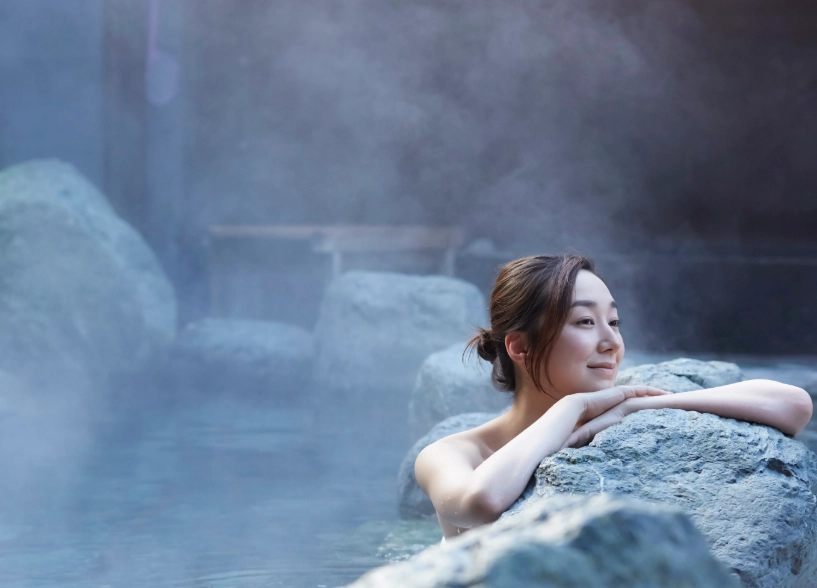
This is the core of the experience. An onsen uses naturally hot, mineral-rich water from geothermal springs. The primary rule is absolute cleanliness. You are not "taking a bath" in the dirty sense; you are entering a shared, cleansing pool.
Here’s exactly what to do, step by step:
1. Preparation in Your Room: Before heading to the baths, take off your yukata and underwear in your room. Wrap yourself in the large bath towel provided, and bring the small hand towel. Some people wear their yukata to the changing room—that’s fine too.
2. Enter the Changing Room (Datsuijo): Find the correct door (男女 for men/women). Inside, find an empty locker or basket. Place everything there—your towel, yukata, underwear. You are now completely nude. Take only the small towel with you.
3. The Washing Station (Kakeyu): Enter the bathing area. You’ll see a row of shower stations with stools, faucets, bowls, and soap/shampoo. Pick one. This is non-negotiable: you must wash your entire body and rinse off all soap before even thinking about the baths. Sit on the stool (standing can splash neighbors), and thoroughly scrub every inch. Rinse the stool and area when you’re done. The Japan National Tourism Organization (JNTO) emphasizes this as the fundamental rule.
4. Entering the Bath: Rinse off one more time with clean water from a bucket or shower. Now you’re ready. Leave the small towel outside the bath—it must not touch the water. You can fold it and place it on your head, which also helps with dizziness from the heat. Enter slowly and quietly. No splashing, swimming, or loud conversation.
5. Soaking and Cooling: Soak for 5-10 minutes at a time. If you feel lightheaded, get out immediately. It’s common to have a cool drinking water tap nearby. Hydrate. The cycle is: soak, cool off on the side, soak again. When you’re done, exit quietly and give your body a quick rinse at a shower station to remove any residual minerals before drying off.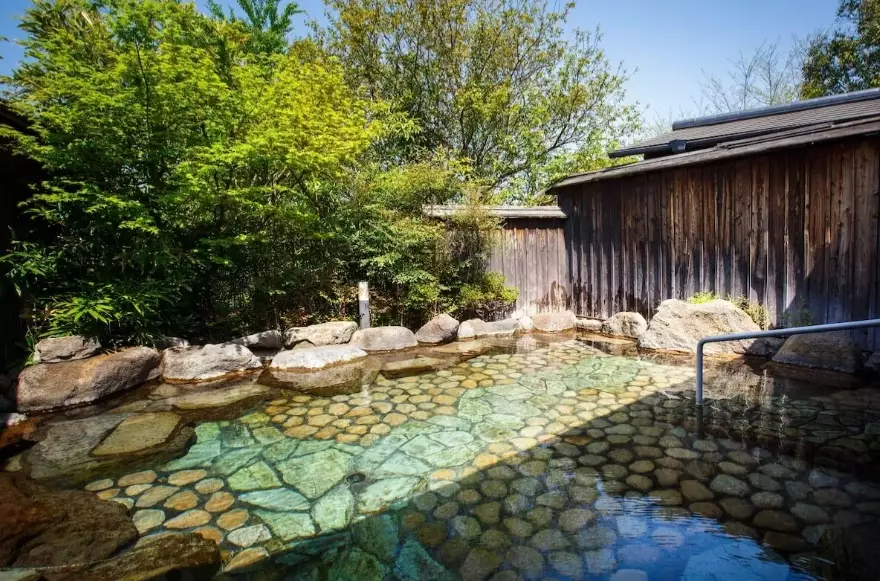
The Golden Rules of Onsen Bathing
- No Soap, No Clothes: The water is for soaking clean bodies only.
- No Towels in the Water: Your small towel is for modesty while walking and for drying after.
- Long Hair: Tie it up so it doesn’t touch the water.
- Silence is Golden: Speak in hushed tones. The atmosphere is meditative.
- Don't Drain the Hot Water: If there’s a wooden lid on a bath, replace it after use to retain heat.
My first onsen visit, I stayed in too long. I got dizzy, stood up too fast, and almost fainted. A kind elderly regular silently offered me a cup of cold water. It was a lesson in listening to my body, delivered without a word.
Navigating Gender, Tattoos, and Other Sensitive Topics
This is where anxiety spikes for many visitors. Let’s demystify it.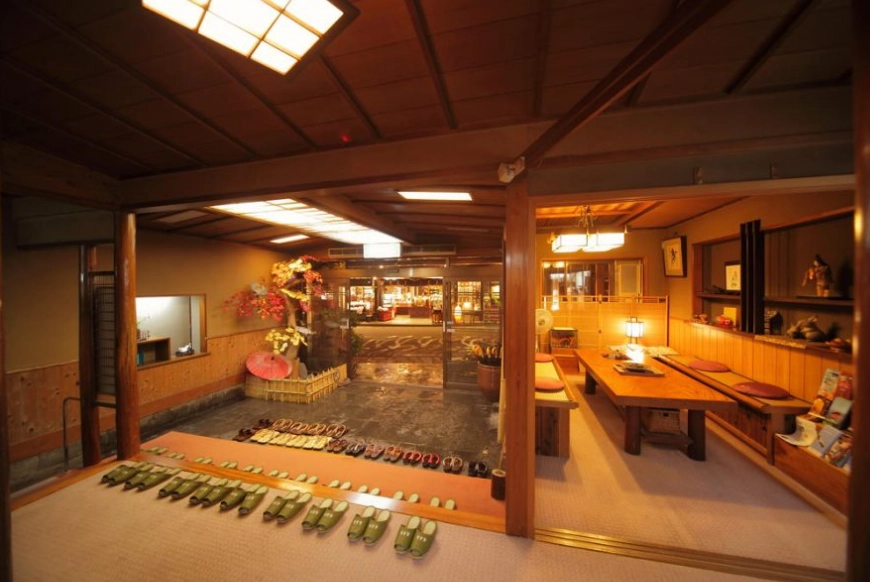
Most public onsen at ryokan are gender-segregated. You’ll see clear signs. True mixed-gender baths (konyoku) are rare and usually in remote, traditional settings. If you’re traveling as a couple or family and want to bathe together, look for ryokan offering "kashikiri" or "family" baths. These are small, private baths you can reserve for 45-60 minutes for an extra fee. They’re perfect for this.
The Tattoo Dilemma
The tattoo ban stems from their historical association with the yakuza (organized crime). While perceptions are changing, especially among younger Japanese, the rule persists in many places as a blanket policy to avoid making other guests uncomfortable.
What can you do?
- Research is Key: Search for "tattoo friendly onsen" in your destination. Websites like Tattoo Friendly (a dedicated resource) or the official sites of larger onsen towns (like Beppu or Hakone) often list accommodating facilities.
- Use Cover-ups: High-quality, waterproof tattoo cover patches (like those from brands designed for this purpose) can work if the tattoo is small. Bandages often fall off in the heat.
- Book a Private Bath: This is the most reliable solution. In a private bath, no one sees your tattoos, so the rule doesn’t apply.
- Ask Directly: When booking your ryokan, email them politely. "I have a small tattoo on my [location]. Will this be permitted in your communal baths? If not, do you have private bath options?" Most will give you a straight answer.
Common Mistakes to Avoid (And What to Do Instead)
Beyond the basics, here are subtle errors that mark you as a clueless outsider.
- Mistake: Walking around the halls in your yukata wide open or sloppily tied.
Instead: Keep it closed and neat. It’s casual, but not a bathrobe you just threw on. - Mistake: Diving into the main onsen without washing first because "you showered this morning."
Instead: Wash at the station, every time. It’s a ritual, not a suggestion. - Mistake: Wringing out your small towel over the bath water.
Instead: Wring it out at the shower drain or in the bucket provided. - Mistake: Bringing your phone or camera into the bathing area.
Instead: Leave it in your locker. Privacy is sacred. Taking photos is strictly forbidden and a massive violation of trust. - Mistake: Talking loudly or conducting business in the bath.
Instead: Keep your voice down. This is a place for quiet contemplation. - Mistake: Assuming dinner is at a set, Western time.
Instead: Ryokan dinner is usually served early, between 6-7 PM. Confirm your meal time at check-in.
Getting these details right shows a deeper level of respect. It transforms you from a tourist following instructions into a guest who understands the spirit of the place.
Your Ryokan & Onsen Etiquette FAQ
 Mastering ryokan and onsen etiquette isn't about passing a test. It's the key that unlocks a deeper, more authentic layer of Japan. It’s about showing respect for a centuries-old culture of hospitality and communal purity. When you move quietly through the rituals, you stop being an observer and start to feel the tranquil rhythm of the place. You’re not just visiting—you’re participating. And that makes all the difference.

Share Your Thoughts