Quick Guide
- The Unshakeable Foundation: Rice, Soup, and Pickles
- The Protein Players: Fish, Tofu, Egg, and a Little Meat
- The Noodle Universe: A Category of Its Own
- The Unsung Heroes: Convenience Store and Deli Food (Sōzai)
- Regional & Seasonal Variations: It's Not All the Same
- Putting It All Together: A "Typical" Day of Eating
- Final Thoughts: The Heart of the Matter
- Common Questions About What Japanese People Eat
Let's get one thing straight right off the bat. If you're thinking the answer to "what is most eaten in Japan?" is sushi or ramen, you're not wrong, but you're not seeing the full picture. It's like saying Americans only eat hamburgers. Sure, it's famous, but it's not what's on the plate for breakfast, lunch, and dinner most days. The real story of daily eating in Japan is quieter, simpler, and revolves around a few humble staples that have sustained the culture for centuries. It's less about the flashy restaurant food and more about the rhythm of the home kitchen.
I remember my first few weeks living in a small apartment in Tokyo. I'd walk to the local supermarket, utterly bewildered. The sheer volume of rice, the endless varieties of miso paste, the refrigerated section dedicated to tofu and natto... it was a clear signal. This was the foundation. The tourist guides didn't prepare me for this. So, let's peel back the curtain on the real Japanese diet, the one you won't always find in a guidebook but is absolutely essential to understanding the country.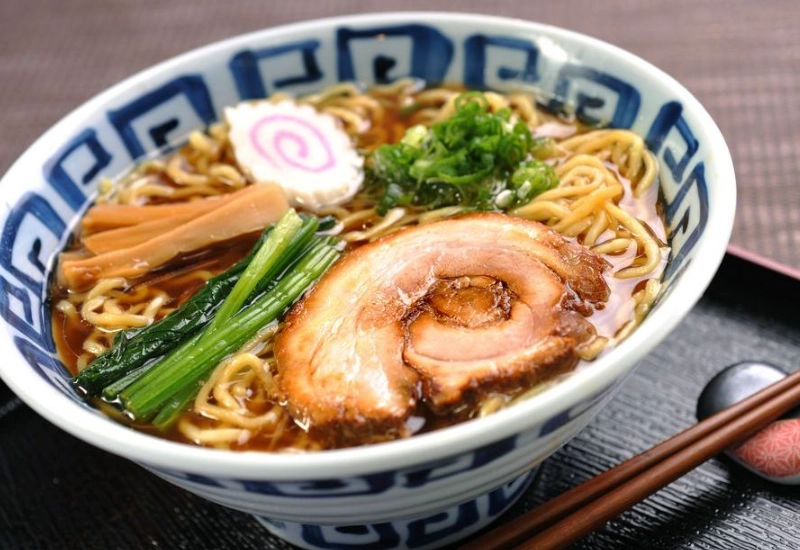
The Unshakeable Foundation: Rice, Soup, and Pickles
To ignore the centrality of rice is to miss the point entirely. It's not just a side dish; it's the main event, the anchor of the meal. We're talking about short-grain Japanese rice, sticky and slightly sweet. It's served plain, steaming hot, at almost every single meal, including breakfast. The Japanese Ministry of Agriculture, Forestry and Fisheries (MAFF) has data showing per capita rice consumption, and while it's been declining slowly (thanks to Western influences), it's still the dominant carbohydrate source by a huge margin.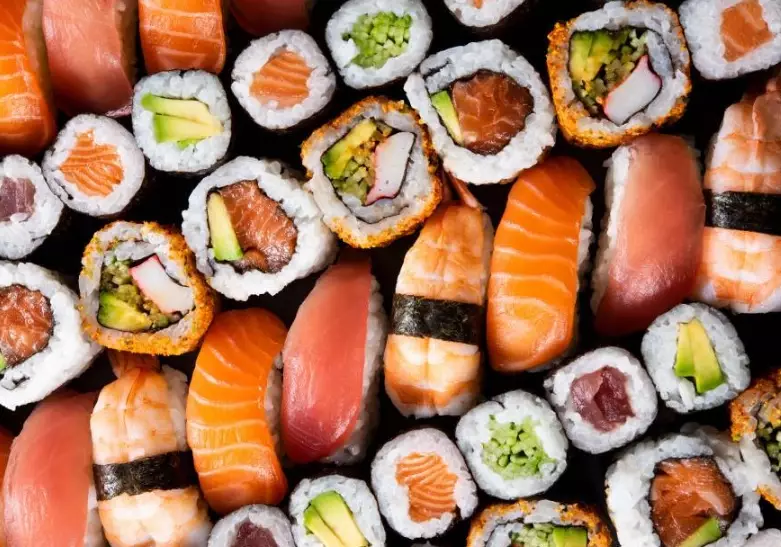
Honestly, I wasn't a huge rice fan before living there. But there's something about the quality and the ritual. It's the perfect, neutral base for everything else. You don't drench it in sauce; you eat it between bites of flavorful side dishes to cleanse your palate. It's genius, really.
Miso Soup: The Daily Elixir
If rice is the anchor, miso soup is the warm hug that comes with it. This isn't a once-in-a-while thing. It's a daily ritual, often for breakfast and dinner. The base is dashi (a broth made from kelp and bonito flakes), mixed with a fermented soybean paste called miso. Then you toss in whatever's on hand: cubes of soft tofu, wakame seaweed, green onions, maybe some clams or potatoes.
Every region, every family, has its own style. The miso itself varies in color and saltiness—from the white, sweet miso of Kyoto to the robust, red miso of Nagano. It's salty, savory, umami-packed, and deeply comforting. I've never met a Japanese person who doesn't have miso paste in their fridge. It's as essential as milk or eggs might be elsewhere.
Tsukemono (Pickles): The Crunchy Counterpoint
No Japanese meal is complete without a small dish of tsukemono. These pickles cut through the richness of other dishes and refresh the mouth. They're not like Western dill pickles. They can be lightly salted, pickled in rice bran (nukazuke), miso, or soy sauce. Common types include takuan (yellow pickled daikon radish), umeboshi (incredibly sour pickled plum, often placed in the center of a rice ball), and simple pickled cucumbers or cabbage.
They're a functional food, not a star. But try eating a rich, fatty piece of grilled fish without a bite of pickle—you'll feel something's missing. It's that essential punctuation in the meal.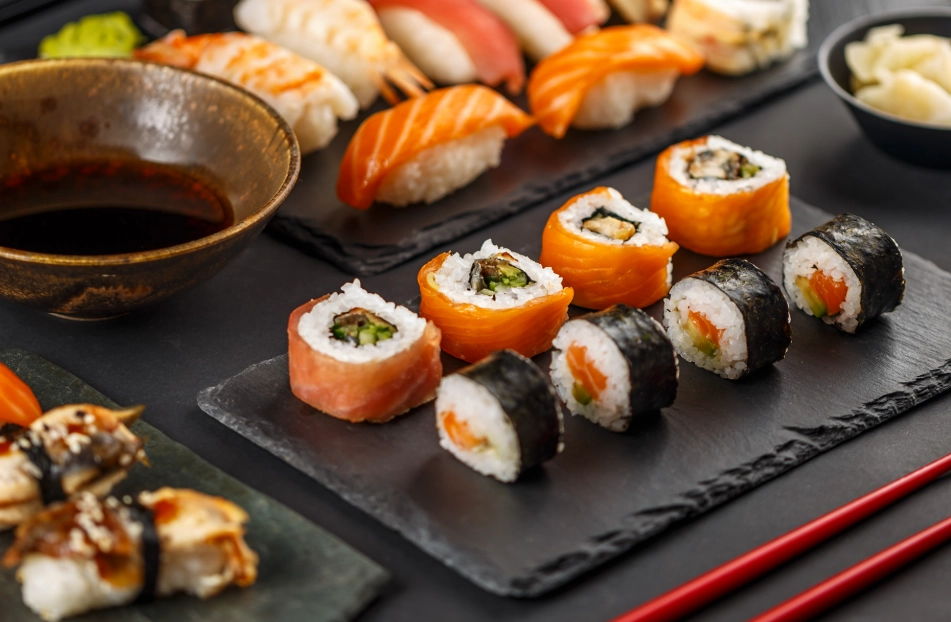
The Protein Players: Fish, Tofu, Egg, and a Little Meat
Now, onto what accompanies the rice and soup. This is where you see variety, but a few items are overwhelmingly common.
Fish, Grilled Simply
Before the post-war economic boom, meat was a luxury. Fish was, and for many still is, the go-to protein. A classic home or set-meal breakfast might feature a small, whole grilled fish like sanma (Pacific saury) or saba (mackerel), salted and cooked until the skin is crispy. For dinner, salmon or horse mackerel (aji) are common. It's usually prepared very simply—grilled with salt (shioyaki) or a bit of soy sauce and mirin (teriyaki-style). The Japan Fisheries Agency provides extensive information on the species that dominate the domestic market.
I'll be honest, getting used to a grilled fish for breakfast was a journey. But the lightness and protein kick grew on me. It feels cleaner than a heavy Western breakfast.
Tofu and Natto: Plant-Power Staples
Tofu isn't just for vegetarians in Japan; it's a daily food for everyone. Silken tofu (kinugoshi) cold with a drizzle of soy sauce and ginger on a hot day. Firm tofu (momen) cubed in stir-fries or simmered dishes. It's cheap, versatile, and packed with protein. You'll find multiple types in every supermarket.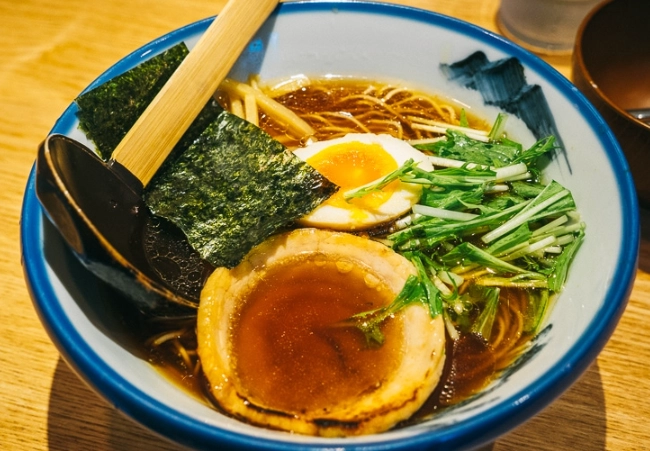
Then there's natto. Fermented soybeans with a sticky, stringy texture and a strong, pungent smell. This is a true love-it-or-hate-it food, even among Japanese people. It's a common breakfast item, mixed vigorously with mustard and soy sauce and poured over rice. It's an acquired taste—I'm still on the fence about it, but its nutritional profile is stellar, and its presence in the daily diet, especially in eastern Japan, is undeniable.
Tamagoyaki and Eggs
Eggs are consumed in huge quantities. A rolled sweet omelette (tamagoyaki) is a lunchbox staple. A raw egg cracked over steaming hot rice (tamago kake gohan) is a beloved, ultra-simple meal. Eggs are trusted to be safe and fresh, which allows for this kind of consumption. You see them everywhere.
The Rise of Meat
Post-war affluence brought meat into regular rotation. Tonkatsu (breaded pork cutlet), hambagu (Japanese-style hamburger steak), and yakitori (grilled chicken skewers) are now common home and restaurant dishes. But compared to Western diets, portion sizes are still smaller, and meat often plays a supporting role in a dish filled with vegetables, rather than being the giant centerpiece.
The Noodle Universe: A Category of Its Own
While rice is the daily staple, noodles are the beloved workhorse for quick, satisfying meals. They deserve their own section because they are absolutely central to the question of what is most eaten in Japan. They're cheap, fast, and delicious.
Ramen: The National Obsession
Yes, ramen is famous, but its place in daily life is as a casual, affordable meal out. Salarymen grab a bowl for lunch. Friends meet for a late-night feed. It's not typically homemade due to the complexity of the broth. The regional variations are staggering—from the miso ramen of Sapporo to the tonkotsu (pork bone) ramen of Fukuoka. It's a ritual, a hobby, and a comfort food all in one.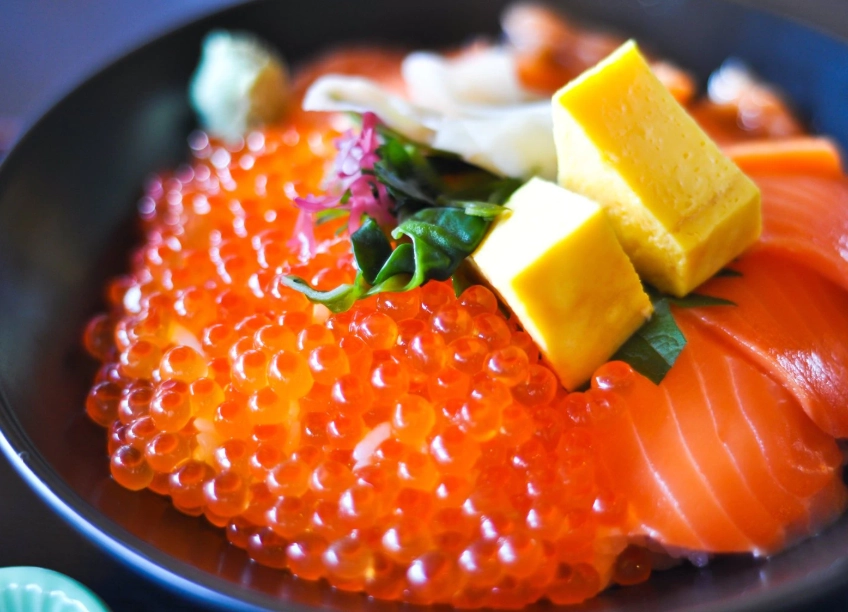
Soba and Udon: The Versatile Classics
These are more likely to be eaten at home. Soba (buckwheat noodles) can be served cold with a dipping sauce (zaru soba) in summer or hot in a broth (kake soba) in winter. They have a nutty flavor and are considered healthier. Udon, the thick, chewy wheat noodles, are the ultimate comfort food in a hot, mild dashi broth, often with tempura on the side. A packet of pre-cooked udon from the fridge section makes for a five-minute meal.
Here’s a quick breakdown of the major noodle types and their place in daily life:
| Noodle Type | Primary Setting | Typical Preparation | Frequency in Diet |
|---|---|---|---|
| Ramen | Restaurants, food stalls | In rich, flavored broth (soy, miso, salt, pork) | Weekly treat / quick lunch |
| Udon | Home, casual restaurants | In hot dashi broth (kake udon), or cold with dipping sauce | Common weekly meal |
| Soba | Home, specialty shops | Cold with tsuyu dipping sauce, or in hot broth | Common, seen as healthier |
| Somen (thin wheat noodles) | Home (especially summer) | Iced cold with a light dipping sauce | Seasonal summer staple |
The Unsung Heroes: Convenience Store and Deli Food (Sōzai)
No discussion of modern Japanese eating is complete without the konbini (convenience store). For busy singles, families, and workers, they are a lifeline. And the food is, frankly, shockingly good and safe. This is where you see what busy people are actually eating on the go.
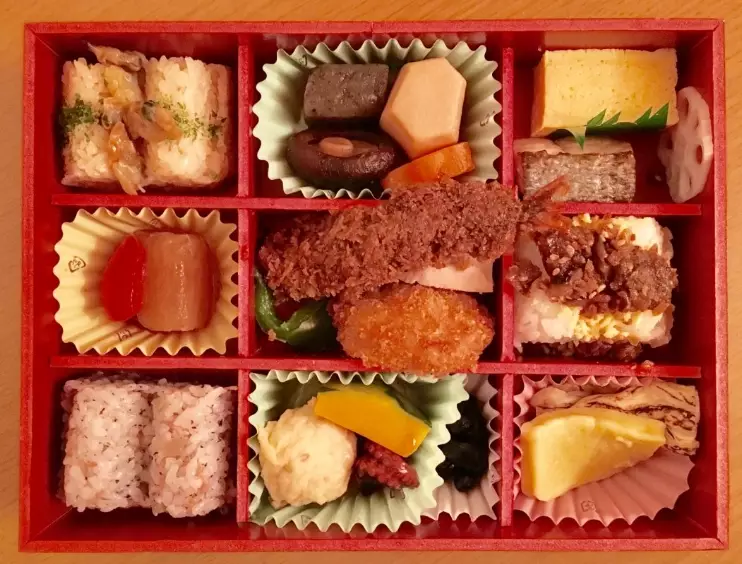
The array of ready-made meals (bento boxes), onigiri (rice balls), sandwiches, and salads is mind-boggling. A tuna mayo onigiri, a chicken karaage bento, and a salad is a standard, no-fuss lunch for millions. The supermarket deli section (sōzai corner) is equally important for home cooks. You can buy single servings of expertly made side dishes—simmered kabocha squash, potato salad, grilled fish, croquettes—to round out your homemade rice and soup. It takes the pressure off cooking everything from scratch.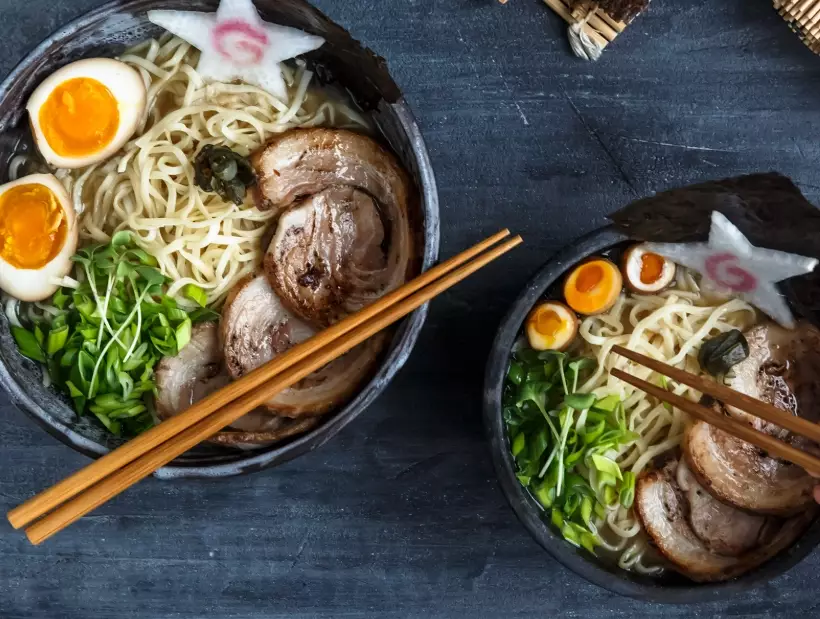
Regional & Seasonal Variations: It's Not All the Same
Japan is long from north to south, and the daily diet shifts. In Hokkaido, the northern island, you'll find more dairy, potatoes, corn, and heartier stews (like soup curry) due to the colder climate and historical influences. In Okinawa, the diet is distinct, with more pork, bitter melon (goya), and purple sweet potatoes.
Seasonality is also a religious observance in Japanese food culture. People eagerly await the first sanma of autumn, the bamboo shoots (takenoko) in spring, and the freshwater sweetfish (ayu) in summer. Supermarkets loudly advertise what's in season, and it directly influences what's on the dinner table. Eating what's in season is considered tastier, healthier, and more natural.
Putting It All Together: A "Typical" Day of Eating
To truly answer "what is most eaten in Japan?" let's visualize a common day for an average office worker or family.
Breakfast: This might be a Western-style coffee and toast, especially for younger people. But a traditional Japanese breakfast is still widely eaten: a bowl of rice, a piece of grilled salmon or mackerel, a small serving of natto or rolled omelette (tamagoyaki), miso soup with tofu and wakame, and some pickles. It's a complete, balanced meal that sets you up for the day.
Lunch: This is often eaten out or brought from home. A bought lunch could be a bento from a store (with rice, a piece of meat/fish, and assorted vegetables), a bowl of ramen or udon, or a chain restaurant set meal (teishoku). A homemade lunch is often leftovers from the previous night's dinner packed in a bento box.
Dinner: At home, this is where the "ichi-ju san-sai" ideal often comes into play. Steamed rice, miso soup, and two or three side dishes. For example: Grilled fish (yakizakana), simmered hijiki seaweed with carrots and fried tofu (hijiki no nimono), and a simple cucumber sunomono (vinegared salad). Or, Karaage (Japanese fried chicken), a potato and beef stew (nikujaga), and steamed greens with sesame dressing. It's varied, but the structure is consistent.
Common Questions About What Japanese People Eat
Final Thoughts: The Heart of the Matter
So, what is most eaten in Japan? It's not a single dish. It's a pattern. A pattern built on a foundation of rice, punctuated by the warmth of miso soup, accented by simple preparations of fish and vegetables, and supported by the incredible convenience and quality of prepared foods. It's a cuisine of balance, seasonality, and practicality.
The flashy stuff—the kaiseki, the premium sushi, the elaborate ramen bowls—are the peaks of the culinary mountain. But the vast, fertile base of that mountain is made of daily, humble, nourishing foods that have kept a nation healthy and connected to its seasons for generations. To understand Japanese food, you have to look past the restaurant menu and into the home kitchen and the konbini aisle. That's where the true answer lies.
And honestly? After years away, the thing I crave most isn't sushi. It's a perfect, steaming bowl of white rice with a simple piece of grilled salmon and a deeply savory miso soup. That's the taste of Japan, right there.


Share Your Thoughts