You've just landed at Tokyo's airport, probably a bit tired, maybe jet-lagged, and surrounded by signs in Japanese. The first big question hits you: how do I actually get to my hotel? It's the first real decision of your trip, and getting it wrong can mean wasted money, time dragging bags on the wrong train, or a serious hit to your budget before you've even seen a temple.
I've made this mistake myself. On my first trip, I took an expensive taxi from Narita because I was overwhelmed. It cost a fortune. Now, after dozens of trips, I know the system inside out. Tokyo has two main international airports—Narita (NRT) and Haneda (HND)—and the best option depends entirely on which one you land at, the time you arrive, your budget, and where you're staying.
Let's break it all down, so you can walk out of baggage claim with a plan.
Your Quick Navigation Guide
Getting from Narita Airport to Tokyo
Narita is farther out, about 60-80 kilometers east of central Tokyo. The journey takes between 45 minutes and 1.5 hours. Don't panic. You have four main choices, each with a different balance of speed, cost, and convenience.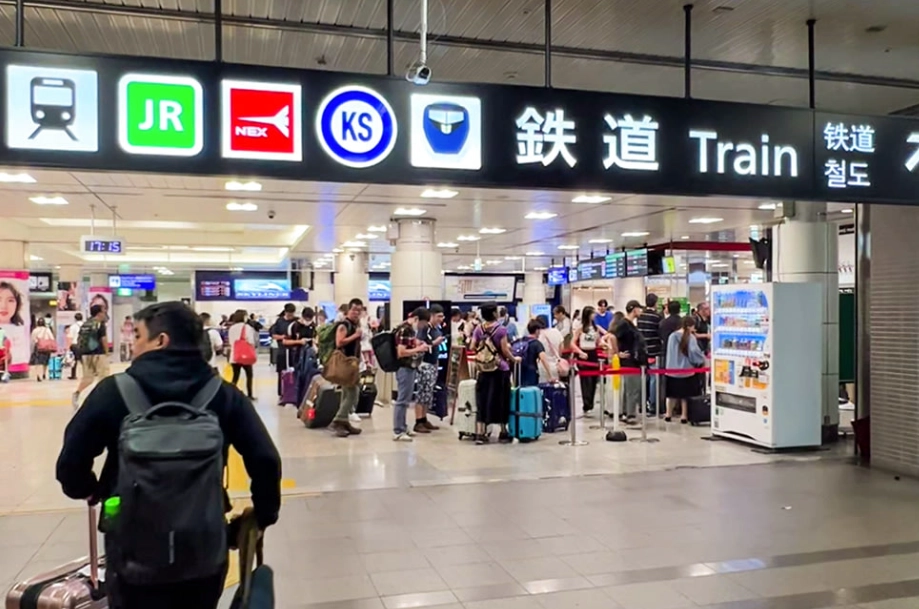
The JR Narita Express (N'EX): The Balanced Choice
This is my go-to recommendation for most first-time visitors. It's a dedicated airport train run by JR East. Why is it great?
- Direct to major stations: It goes straight to Tokyo Station, Shinagawa, Shibuya, Shinjuku, and Ikebukuro without any transfers.
- Comfort and luggage space: Reserved seats, plenty of legroom, and dedicated overhead racks for large suitcases.
- Good value with a pass: A one-way ticket is about ¥3,070. But here's a tip many miss: if you're buying a JR Pass, you can use it on the N'EX for free. Even if you're not, the round-trip ticket (valid for 14 days) is only ¥4,070, which is a steal.
You buy tickets at the JR East Travel Service Center or the vending machines right outside the arrival gates. Look for the red logo.
The Keisei Skyliner: The Speed Demon
If your hotel is in Ueno or Nippori (or you're connecting on the Tokyo Metro), the Keisei Skyliner is faster than the N'EX. It hits Nippori Station in about 36 minutes and Ueno in 41. The catch? It only goes to those two stations, so you'll need to transfer to the JR Yamanote Line or subway to get elsewhere.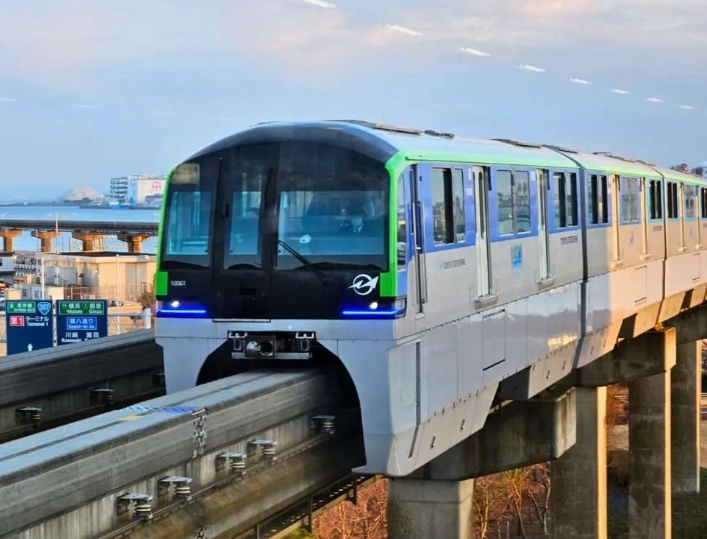
A one-way ticket is ¥2,570. It's sleek, punctual, and feels more like a short-haul flight than a train ride. Check the Keisei Electric Railway website for schedules.
The Airport Limousine Bus: Door-to-Door Service
This is the winner for convenience if your hotel is on its route. Buses go directly to the front doors of over 100 major hotels in Tokyo. You just hand your bags to the driver, get on, and relax. No stairs, no navigating stations with luggage.
It takes 60-120 minutes depending on traffic and costs between ¥2,800 and ¥3,500. The bus stops are right outside each terminal. Buy tickets at the counters nearby. It's perfect for families, those with heavy luggage, or anyone arriving during rush hour who wants to avoid crowded trains.
Taxis & Private Transfers: The Premium Option
A standard taxi from Narita to central Tokyo will cost a staggering ¥25,000 to ¥35,000. That's $200-$300. It's only worth considering for a group of four splitting the fare late at night. A better premium option is a pre-booked private transfer. You'll be met by a driver with a sign, they'll help with bags, and take you directly to your address. Prices start around ¥15,000 for a sedan. It's the ultimate stress-free, but pricey, start.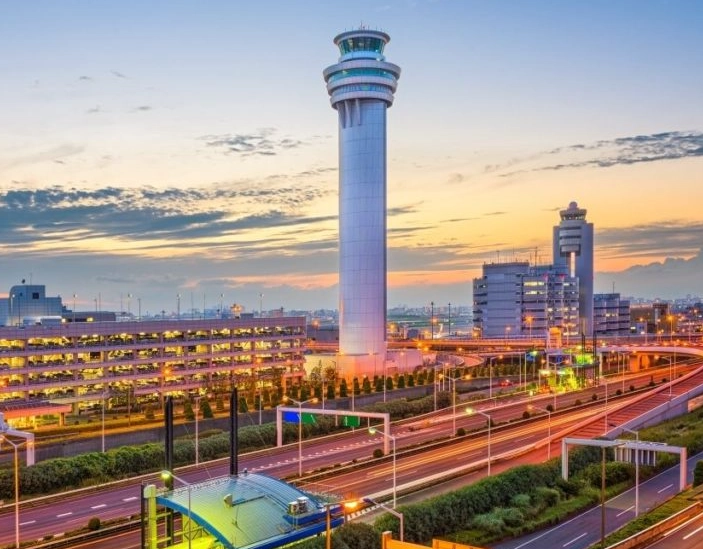
| Option from Narita | Approx. Travel Time | Approx. Cost (One Way) | Best For |
|---|---|---|---|
| JR Narita Express (N'EX) | 53-90 min | ¥3,070 | Most travelers, JR Pass holders, going to major stations. |
| Keisei Skyliner | 36-41 min to Ueno/Nippori | ¥2,570 | Speed, staying near Ueno/Asakusa. |
| Airport Limousine Bus | 60-120 min | ¥2,800 - ¥3,500 | Hotel door-to-door service, heavy luggage. |
| Taxi / Private Transfer | 60-90 min | ¥15,000 - ¥35,000+ | Late arrivals, groups of 3-4, maximum convenience. |
Getting from Haneda Airport to Tokyo
Haneda is a dream. It's only about 15-20 kilometers south of the city center. Your journey will be cheaper, faster, and you have more flexibility, even late at night.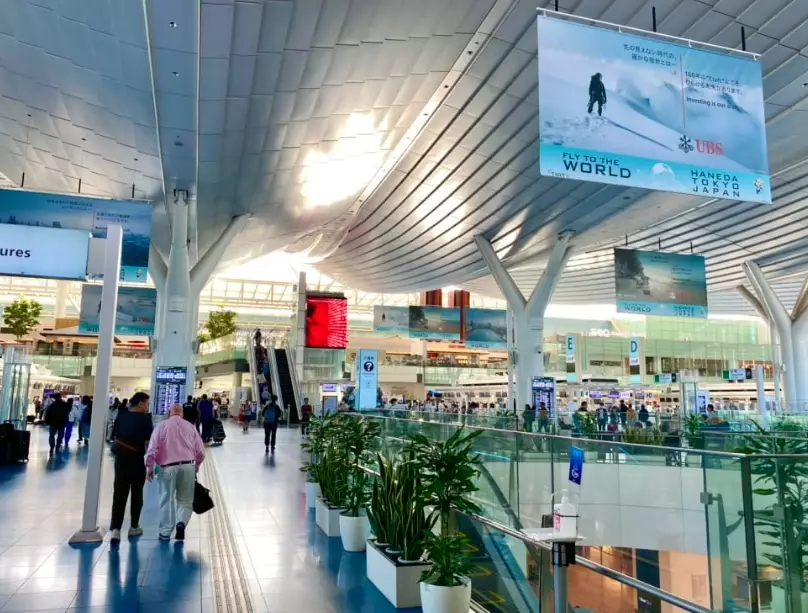
The Tokyo Monorail: My Personal Favorite
This is often the fastest and most efficient way. It links Haneda terminals to Hamamatsucho Station in about 20 minutes. From Hamamatsucho, you're on the JR Yamanote Line, which circles all of central Tokyo (Tokyo, Shimbashi, Shibuya, Shinjuku, etc.).
A regular ticket is ¥500, but if you have a Suica/Pasmo IC card, it's only ¥300. The monorail is included in the Japan Rail Pass. Trains run from around 5:00 AM to just after midnight.
The Keikyu Railway: Direct to Subway Hubs
The Keikyu Line is the other main train option. It's great if you're staying in Shinagawa (5 minutes!), or want direct access to the Asakusa subway line. You can reach Shinagawa in 15 minutes for about ¥300. Some trains go all the way to Asakusa.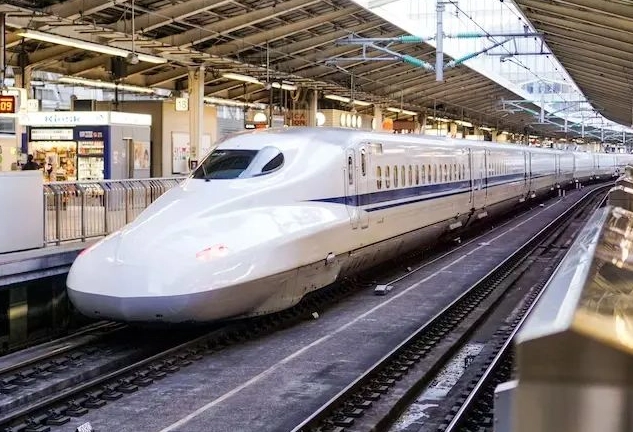
Between the Monorail and Keikyu, the choice is simple: heading to the west side of the Yamanote loop (Shibuya, Shinjuku)? Take the Monorail to Hamamatsucho. Heading to the east side (Tokyo Station, Ginza) or south (Shinagawa)? The Keikyu Line might be better.
Buses and Taxis from Haneda
The Limousine Bus operates from Haneda too, with similar hotel drop-off convenience. Given how good the trains are, I rarely use it here unless my hotel lobby is literally a stop. Travel time is 30-60 minutes, cost ¥1,000-¥1,500.
Taxis are a more realistic option from Haneda. A ride to central Tokyo (like Shibuya or Shinjuku) costs ¥6,000 to ¥10,000. For two people with bags after a long flight, splitting a ¥8,000 fare can feel worth it. The official taxi stand is outside the arrivals hall.
A Common Mistake: Travelers see "Tokyo Station" as the only destination. If you're staying in Shibuya, taking a train to Tokyo Station first just adds an unnecessary 20-minute Yamanote Line loop. Always check which gateway station (Hamamatsucho via Monorail, Shinagawa via Keikyu) is closest to your final neighborhood on a map.
Narita vs. Haneda: Which is Easier for Getting to Town?
Hands down, Haneda wins for convenience. It's closer, cheaper to reach, and has more frequent train options running later. A transfer from Haneda feels like a quick metro ride. A transfer from Narita feels like a regional journey.
When booking flights, if the price is similar, choose Haneda. The time and money you save on the airport transfer often makes up for a slightly higher airfare. Narita is fine, you just need to plan a bit more and accept a longer commute.
Essential Pro-Tips for a Smooth Transfer
These are the things you only learn from doing it a few times.
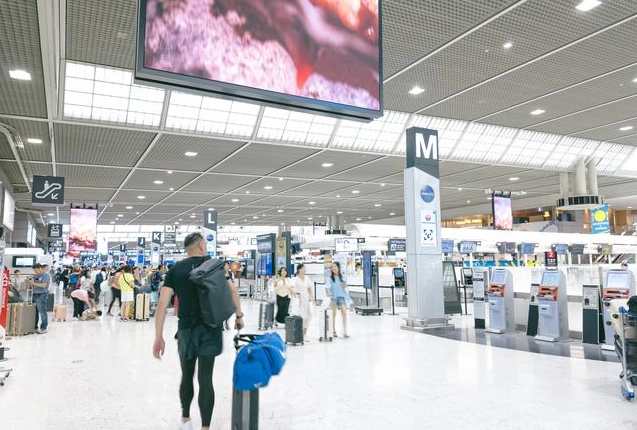
- Get a Suica or Pasmo card immediately. Before you even think about train tickets, find a vending machine in the arrival hall and buy one of these rechargeable IC cards. Put ¥2,000 on it (¥500 is a deposit). You can tap on and off almost all trains, subways, and buses in Tokyo, including the Monorail and Keikyu Line from Haneda. It eliminates ticket-buying confusion forever.
- Rent a pocket Wi-Fi or get a SIM card at the airport. Having data the moment you land lets you use Google Maps to navigate stations, check train times, and translate signs. The rental counters are in the arrivals area. Do it here; it's harder later.
- If you have large luggage, check the train rules. On the Shinkansen and some limited express trains, you need a reservation for oversized luggage. For airport trains like the N'EX and Skyliner, it's fine—they have special racks.
- Consider luggage forwarding. If you have multiple heavy bags, look for the "Airport Delivery" or "Ta-Q-Bin" counter (like Yamato Transport). For about ¥2,000 per bag, they will send your luggage directly to your hotel, arriving the next day. You can then travel into the city with just a daypack. It's a game-changer.
Your Top Transfer Questions Answered
The bottom line? Don't overthink it, but do a tiny bit of planning. Know which airport you're landing at, have a rough idea of your hotel's location, and decide on your priority: speed, cost, or convenience. Get that IC card and Wi-Fi, and you'll be sipping a matcha latte in Shibuya before you know it.
Your adventure starts the moment you land. Make that first step a confident one.


Share Your Thoughts