Yes, tourists can absolutely visit Toyosu Market. But let's clear something up right away: if you're dreaming of the chaotic, earthy, and slightly grimy charm of the old Tsukiji inner market, you're in for a surprise. Toyosu is its cleaner, shinier, and far more organized successor. It's a fascinating place, but it demands a different approach. This guide isn't just about getting in the door; it's about understanding what you can realistically see, do, and taste, and how to plan a visit that's actually worth your precious time in Tokyo.
What's Inside?
Understanding the Toyosu Market Layout
Toyosu is essentially three massive, interconnected buildings. Knowing which is which saves you from wandering aimlessly.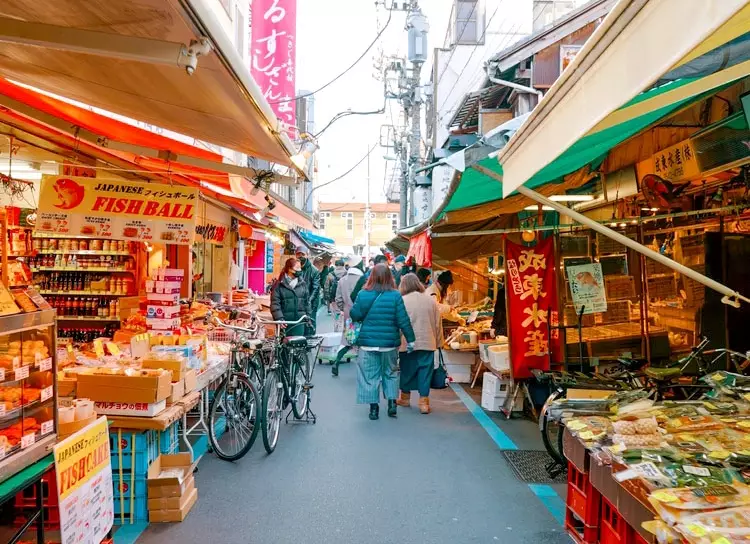
- Tuna Wholesale Market Building (Fishing Industry Wholesale Market Building): This is the star. Home to the famous tuna auction viewing area. The actual wholesale floor for tuna and other large fish is on the 1st floor. The 3rd floor is the Uogashi Yokocho food court.
- Fruits and Vegetables Wholesale Market Building (Produce Wholesale Market Building): Exactly what it sounds like. Less flashy than the fish, but the scale of operations is impressive. Has its own smaller food court on the 2nd floor.
- Management Facility Building: The connector. Houses the rooftop garden, some shops, and the main visitor information center. This is often your starting point.
Key Info at a Glance
Address: 6 Chome-6-1 Toyosu, Koto City, Tokyo 135-0061
Nearest Stations: Shijomae Station (Yurikamome Line, exit is right in the market), Toyosu Station (Tokyo Metro Yurakucho Line, 10-min walk).
General Public Hours: Most visitor areas are open from 5:00 AM to 5:00 PM. Individual shops and restaurants have their own hours, typically 6:00 AM to 3:00 PM. The market is closed on Sundays, most Wednesdays, and national holidays. Always check the official calendar before you go.
Official Website: Toyosu Market Official Site
What Can Tourists Actually Do at Toyosu Market?
You're not allowed on the actual wholesale floors where the buying and selling happens. That's for licensed professionals. But the market was designed with visitors in mind, offering elevated, glass-enclosed walkways and observation decks.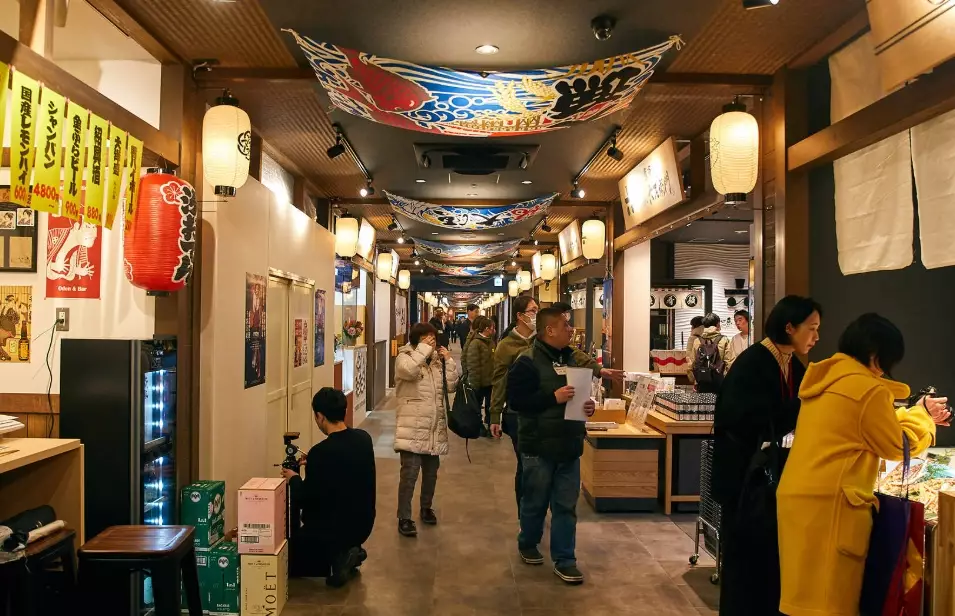
1. Watch the Tuna Auction (From a Distance)
The big draw. The viewing area is on the 2nd floor of the Tuna Wholesale Building, looking down onto the auction floor. It feels a bit like watching a nature documentary through thick glass—you can see the action and hear the muffled, rhythmic calls of the auctioneers, but you're completely separated from it. It's still mesmerizing. Only 120 visitors are allowed per day, split into two groups. You must apply in advance on the official website. It's competitive, especially for the first group (5:25-5:50 AM).
2. Walk the Observation Decks
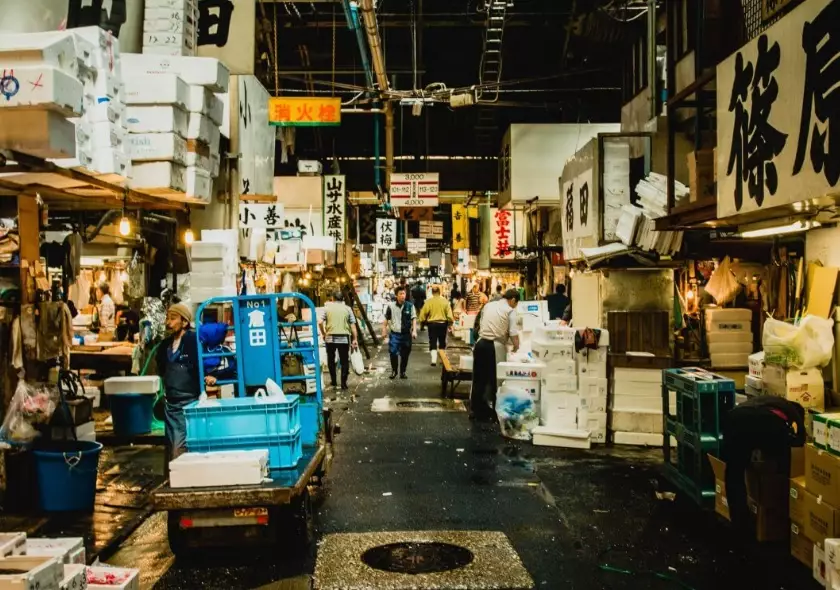
This is the main tourist activity. The glass-walled corridors run along the tuna wholesale area and the general wholesale area (smaller fish, shellfish). You can watch the intricate ballet of workers, carts, and fish processing from 8 AM onwards. It's clean, educational, and a bit surreal. Don't expect the frantic energy of old Tsukiji; it's more like a highly efficient factory tour.
3. Eat at the Uogashi Yokocho Food Court
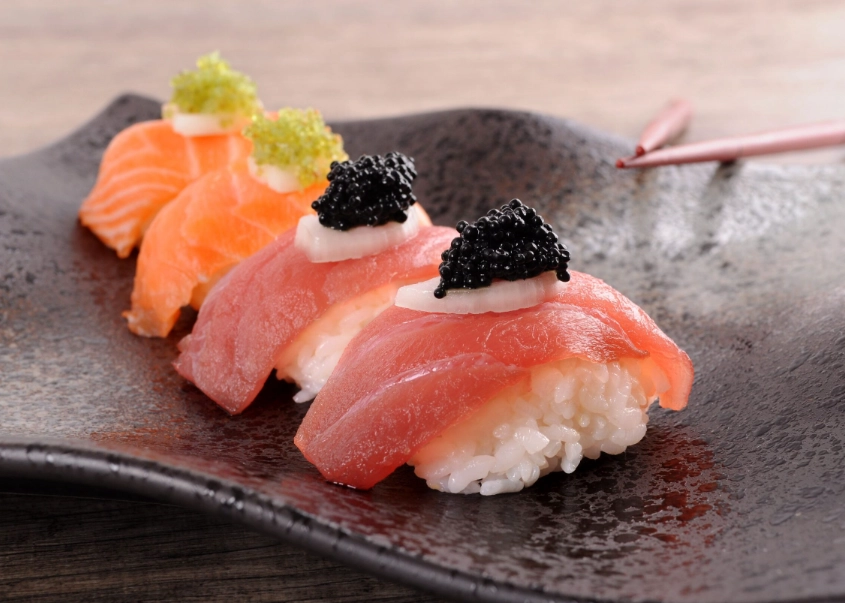
This is where you can taste the market's output. Around 40 small stalls and restaurants, many branches of famous Tsukiji vendors. You'll find sushi, donburi (fish rice bowls), tamagoyaki (omelets), and more. The quality is excellent, the prices are fair for the quality, and the lines are real. A common mistake? People head straight for the most hyped sushi counter. Look for a place with a line of locals or market workers—that's usually a better bet.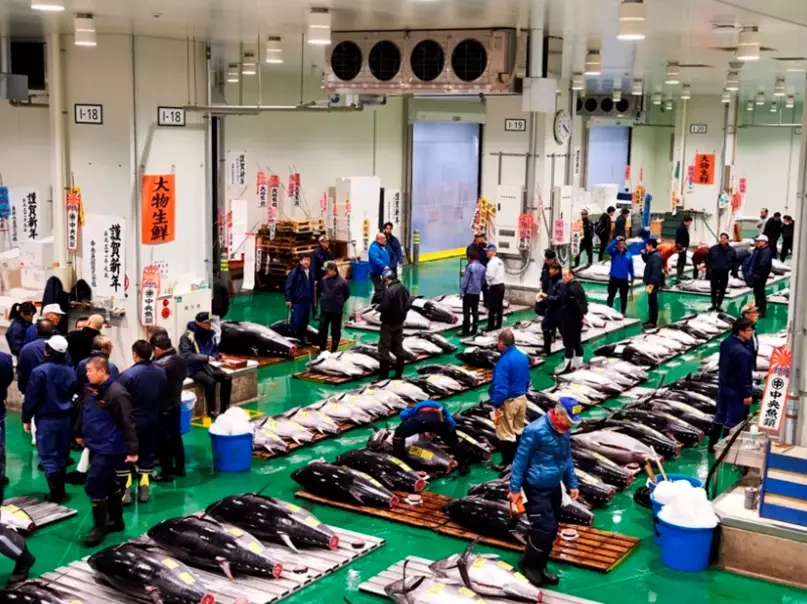
| Notable Uogashi Yokocho Stalls | Specialty | Notes |
|---|---|---|
| Sushi Dai / Daiwa Sushi | Sushi | The legendary Tsukiji names. Expect multi-hour waits from opening. |
| Nakaya | Tuna Donburi (Tekka-don) | Fantastic for a rich bowl of marinated tuna over rice. |
| Kitsuneya | Beef Tendon Stew (Gyusuji) | A hearty, savory alternative to seafood. |
| Tomita | Tamagoyaki (Japanese Omelet) | Sweet, layered, and a perfect snack. |
4. Visit the Rooftop Garden & Small Shops
The rooftop garden on the Management Building offers decent views of Tokyo Bay and the market complex. It's a nice breather. The ground floor of the same building has shops selling kitchenware, dried goods, and souvenirs.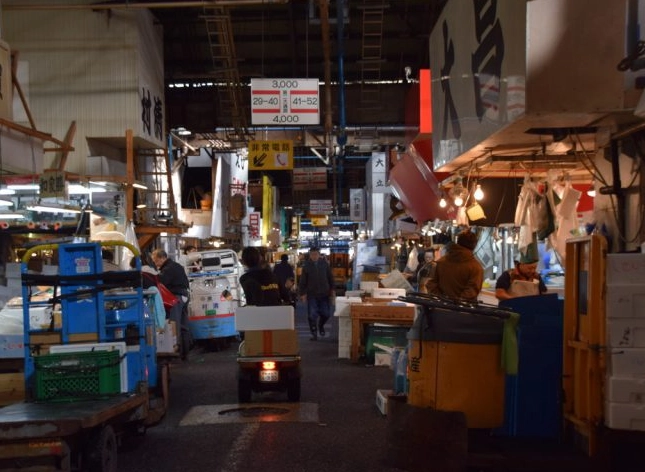
Toyosu vs. Tsukiji: Why the Confusion Matters
This is crucial. Many people search for "Tsukiji" but mean the experience that's now split between two locations.
- Toyosu Market (New Location): The wholesale inner market. Modern, clean, regulated. Where the auctions and bulk trading happen. Visitors observe from walkways.
- Tsukiji Outer Market (Original Location): The retail and restaurant area that surrounded the old inner market. It's still there, thriving, and packed with street food stalls, small restaurants, and shops selling seafood, pickles, and knives. It's chaotic, delicious, and has the atmosphere many tourists crave.
Here's the expert take most guides miss: For the average tourist seeking a vibrant food and shopping experience, Tsukiji Outer Market is often more satisfying. For a unique, behind-the-scenes look at a hyper-modern wholesale operation, Toyosu is fascinating. A savvy visitor might do both: an early morning at Toyosu for the observation decks, followed by a late breakfast or lunch at Tsukiji Outer Market (a 20-minute train/bus ride away).
Planning Your Visit: A Step-by-Step Guide
Let's build a realistic itinerary. Trying to do the auction, the walkways, and a sit-down meal in one morning is a recipe for stress.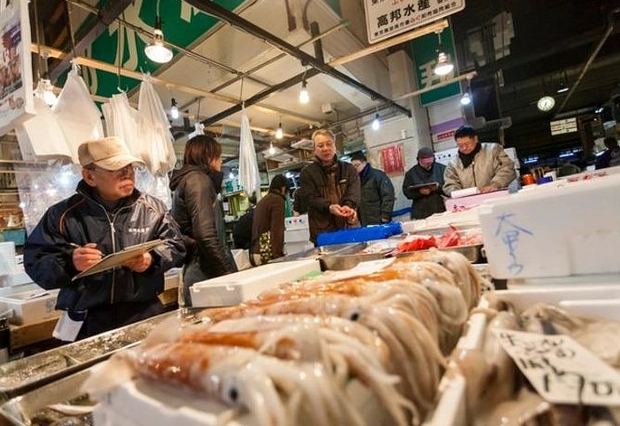
Scenario A: The Early Bird (Auction Focus)
4:30 AM: Arrive at Toyosu. If you have an auction reservation, check in at the Management Building.
5:25 AM: Attend the first tuna auction viewing slot.
6:00 AM: The observation decks open. Walk the corridors while the wholesale action is still peaking.
7:30 AM: Head to Uogashi Yokocho. Lines are already forming, but you're ahead of the main tourist rush.
9:00 AM: Visit the rooftop garden and shops. You'll be done by 10 AM, having seen the market at its most active.
Scenario B: The Late Riser (Food & Observation Focus)
9:00 AM: Arrive. The wholesale frenzy has calmed, but the observation decks are still interesting.
9:30 AM: Do the observation deck walk. It's less crowded now.
10:30 AM: Hit Uogashi Yokocho. Lines will be long, but you avoid the 7 AM crush.
12:00 PM: Consider hopping on the Yurikamome line to Tsukiji Shijo station to explore the Outer Market for more snacks and atmosphere in the afternoon.
Pro Tips Most People Miss
- Don't wear open-toed shoes or sandals. The floors can be wet in public areas, and it's just not a great idea.
- The "Fruits and Vegetables" building food court is often quieter than Uogashi Yokocho and has great options like tempura.
- If you just want fantastic sushi without the Toyosu hassle, go to a high-quality sushi restaurant in Ginza or another district for dinner. You'll pay more, but it's a different, more refined experience.
- Bring cash. Many smaller stalls and shops do not accept credit cards.
Your Toyosu Market Questions Answered
So, can tourists go to Toyosu Market? Without a doubt. Should you go? If the idea of seeing one of the world's most advanced food distribution hubs in action intrigues you, and you pair it with realistic expectations (and maybe a trip to Tsukiji Outer Market), then yes, it's a unique Tokyo experience. Just remember: you're a spectator at Toyosu, not a participant. Plan accordingly, wear comfortable shoes, and come hungry.

Share Your Thoughts