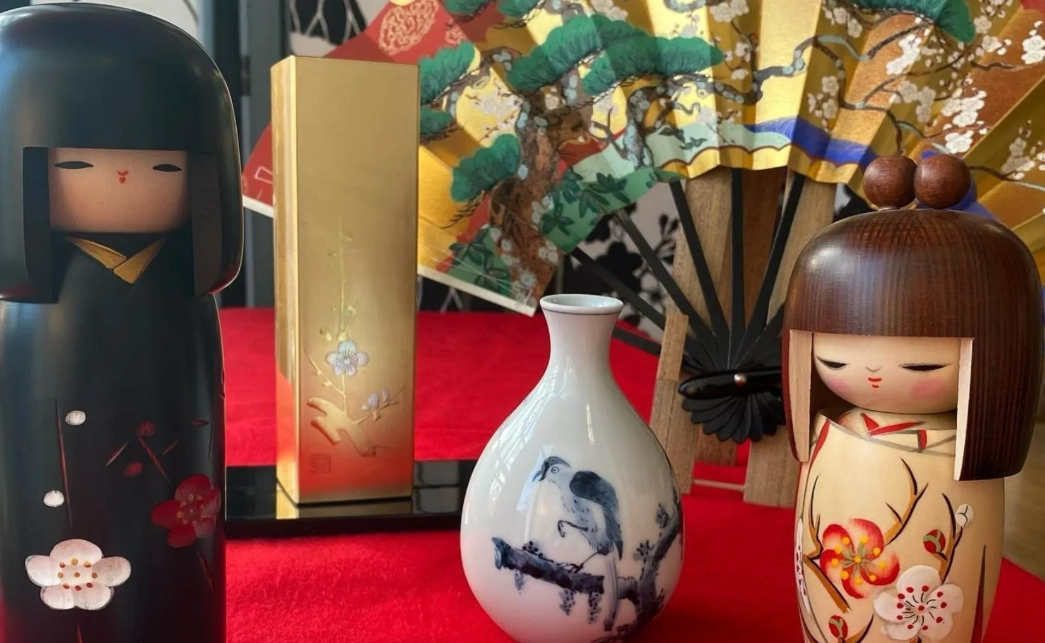
You've seen the pictures. Elegant kimonos, shimmering lacquerware, delicate pottery. You're in Kyoto and want to bring home a piece of its soul, not a mass-produced trinket. The name that keeps popping up is the Kyoto Handicraft Center. But is it a genuine artisan hub or just a polished tourist trap? Having lived in Kyoto for years and dragged countless visiting friends there, I've formed some strong opinions. Most reviews just scratch the surface. Let's dig deeper.
The truth is, the Kyoto Handicraft Center is a complex beast. It can be both overwhelming and underwhelming, expensive and surprisingly reasonable, generic and uniquely authentic—all depending on where you look and how you shop. This isn't a simple thumbs up or down. This is a strategic guide to navigating it successfully.
What's Inside This Guide
What Exactly is the Kyoto Handicraft Center?
First, let's set the scene. The Kyoto Handicraft Center isn't a single artisan's studio. It's a multi-story building established decades ago as a collective showcase for traditional Japanese crafts, primarily aimed at international visitors. Think of it as a curated department store for traditional crafts.
Kyoto Handicraft Center: The Vital Stats
Address: 17 Shijo-dori, Matsubara-sagaru, Shimogyo-ku, Kyoto 600-8001. It's on a main street, hard to miss.
Getting There: A 10-minute bus ride (numbers 4, 5, 205) from Kyoto Station to "Shijo Kawaramachi" stop. Or a 5-minute walk from Keihan "Gion-Shijo" Station.
Opening Hours: Typically 10:00 AM to 6:00 PM daily. But always double-check their official page or a reliable source like the Kyoto Official Travel Guide for holiday closures.
Admission: Completely free to enter and browse. You only pay for what you buy or for participating in workshops.
Its biggest strength is convenience. Under one roof, you get a sampling of Kiyomizu-yaki pottery, Nishijin-ori brocade, Kyoto lacquerware, and more. For a traveler with limited time, this consolidation is a godsend. The biggest critique? The ground floor feels like a souvenir bazaar, which can disappoint those seeking a deep, intimate cultural experience.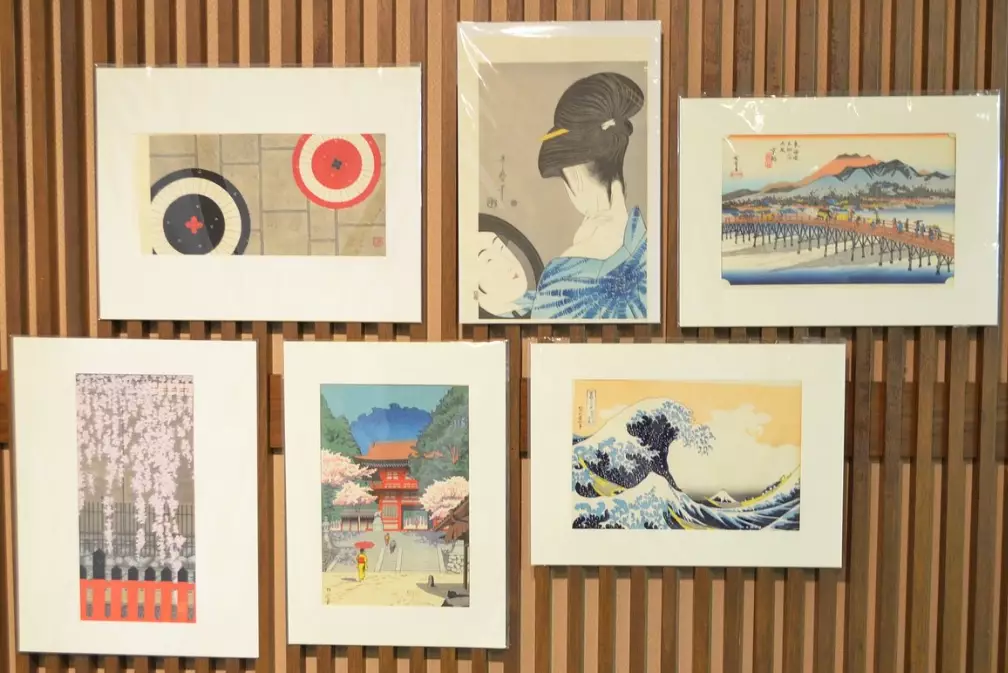
The Ultimate Kyoto Handicraft Center Experience: A Floor-by-Floor Review
Your experience hinges entirely on which floor you spend time on. Here’s my breakdown, the kind you won't find on a generic brochure.
Ground Floor: The First Impression (And Where Most People Get Stuck)
Let's be honest, the ground floor can feel a bit... souvenir-shop generic. You'll see rows of yukata, samurai swords (decorative, not functional), magnets, and mass-produced tea sets. The prices here are often marked up for the convenience factor. I watched a tourist pay ¥8,000 for a tea cup set I knew was a standard ¥3,500 item in the backstreets of Higashiyama.
My advice? Treat the ground floor as an introduction, not a destination. Use it to see and feel different craft types. Touch the fabric of the kimonos, examine the lacquerware designs. But resist the urge to buy immediately. Consider it your research lab.
Second Floor & Above: Where the Magic (and Value) Really Is
This is the Kyoto Handicraft Center most reviews don't emphasize enough. Go upstairs.
The upper floors house individual artisan galleries and dedicated shops. The atmosphere shifts dramatically. It's quieter, more focused. Here, you might find a small studio space for a master woodblock print artist selling signed pieces, or a specialist shop for hand-forged Japanese kitchen knives. The prices are clearer reflections of craftsmanship. I once found a stunning, simple hakata-ori (woven textile) obi belt on the second floor for ¥12,000. It was unique, the weave was flawless, and the seller could tell me about the artisan who made it. That's value.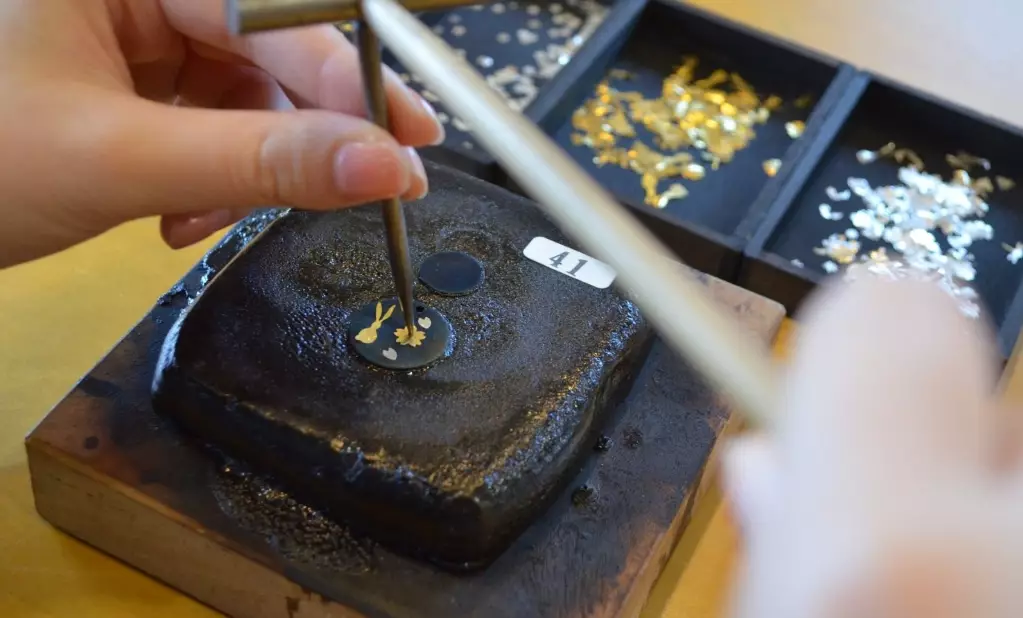
The Workshop Floors: The Hands-On Highlight
If you do one thing at the Kyoto Handicraft Center, book a workshop. This is its undisputed crown jewel. You can try origami, woodblock printing, painting ceramic bells, or even silver leaf application.
I took a friend to the mizuhiki (decorative cord tying) workshop. For about ¥2,500 and 45 minutes, an elderly master patiently guided us. We walked out with beautiful, self-made souvenirs that sparked more conversation than any bought item. You must book these in advance, especially for popular times. Showing up hoping to join is a classic rookie mistake.
| Floor / Area | What You'll Find | Vibe & Best For | Price Range Perception |
|---|---|---|---|
| Ground Floor | General souvenirs, yukata, samurai replicas, ceramics, lacquerware. | Busy, introductory. Best for browsing many craft types quickly. | Higher for generic items. Good for last-minute gifts. |
| Upper Floors (2F+) | Specialist artisan galleries, knife shops, textile studios, higher-end pottery. | Quiet, curated. Best for serious shoppers seeking quality. | Mid to High, but more aligned with true craftsmanship. |
| Workshop Area | Hands-on classes in various traditional crafts (painting, printing, tying). | Engaging, educational. The best for a unique memory. | Set fee per workshop (¥2,000 - ¥5,000). High value for experience. |
How to Navigate the Kyoto Handicraft Center Like a Pro?
Strategy separates the disappointed tourist from the satisfied shopper.
Start at the top. Seriously. Take the elevator to the highest floor with galleries and work your way down. You'll see the best stuff first with fresh eyes, and the generic ground floor will then serve as a decompression zone, not your main event.
Ask questions. In the smaller galleries, the staff often have deep knowledge. Ask "Is this handmade?" (「手作りですか?」- "Tezukuri desu ka?"). Ask about the artist. The response will tell you everything about the item's value.
Tax-free shopping is available for tourists on most items over ¥5,000. Bring your passport. This can be a significant saving on larger purchases, effectively making prices more competitive with some outside shops.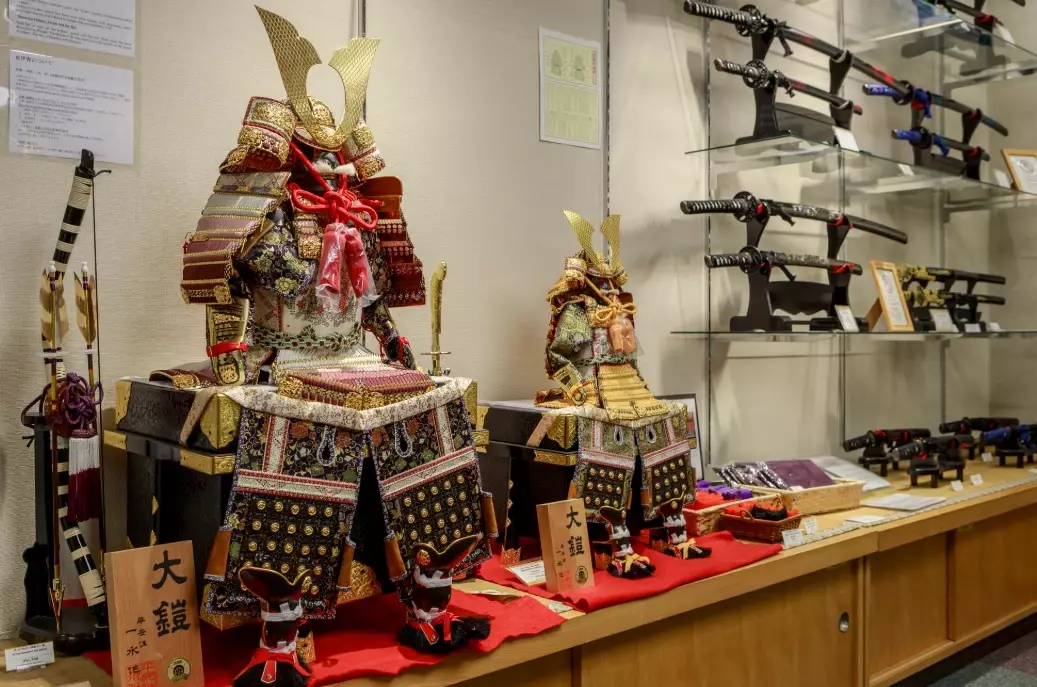
What Should You Actually Buy? Best Buys & Smart Alternatives
Based on my visits and comparisons with other Kyoto shopping districts like Teramachi, Higashiyama, and the Japan Kogei Association recommended spots.
Best Buys AT the Center: Workshop Experience: Unbeatable. The convenience and variety are top-tier. Specialist Items: Things like professional-grade kitchen knives (the selection and expert advice can be very good) or specific types of woodblock prints. Guaranteed Authenticity: While pricey, you are almost guaranteed the item is a real Japanese craft, not an import. For a nervous first-time buyer, this assurance has value.
Consider Buying ELSEWHERE: Standard Kiyomizu-yaki Tea Cups: You'll find better prices and more character in the shops leading up to Kiyomizu-dera temple. Everyday Yukata: Check department stores like Daimaru or local shops in the Gion area for better deals and more modern patterns. Small trinkets & keychains: These are literally everywhere in Kyoto for less.
The Kyoto Handicraft Center isn't where you find a "steal." It's where you pay for curation, convenience, and certainty. Sometimes, that's exactly what you need.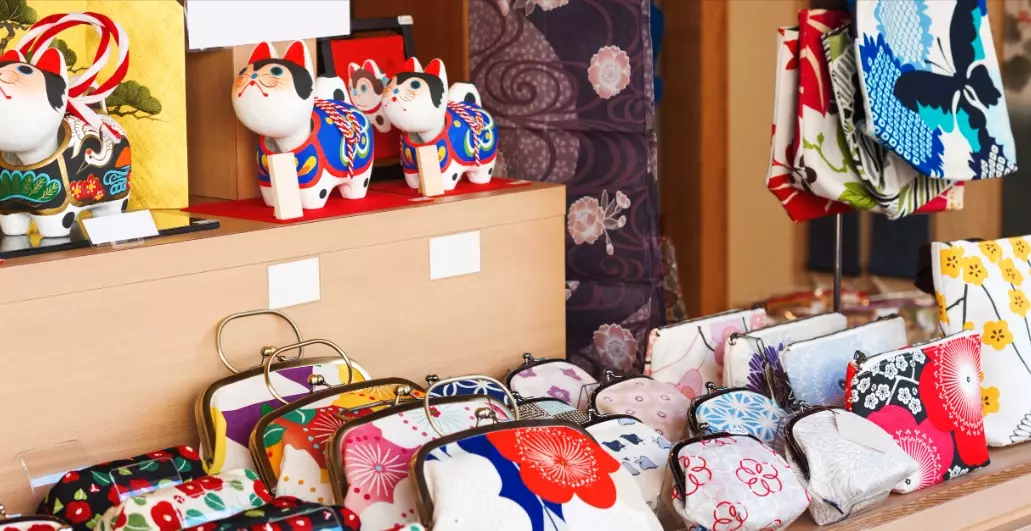
Your Kyoto Craft Shopping Questions, Honestly Answered
 How do I tell if a piece is truly handmade or just mass-produced at the Center?


Share Your Thoughts