Quick Navigation
Let's be honest. The first time you visit Japan, you're probably equal parts excited and terrified of committing a major social blunder. I remember my own early trips, constantly worried I'd offend someone without even knowing it. You've heard the stories about Japan's famed politeness, the bowing, the impeccable service. It's all true. But what they don't always tell you upfront are the specific things that will make people internally cringe. The bad manners in Japan aren't always obvious to outsiders.
This isn't about judgment. It's about understanding. Most Japanese people are incredibly forgiving of tourists who don't know better. But why be "that tourist" if you can avoid it? Knowing these unspoken rules isn't just about avoiding dirty looks on the train (though that's a bonus). It's about showing respect for a culture that deeply values harmony and consideration for others. It transforms your trip from being a spectator to being a more engaged, respectful visitor.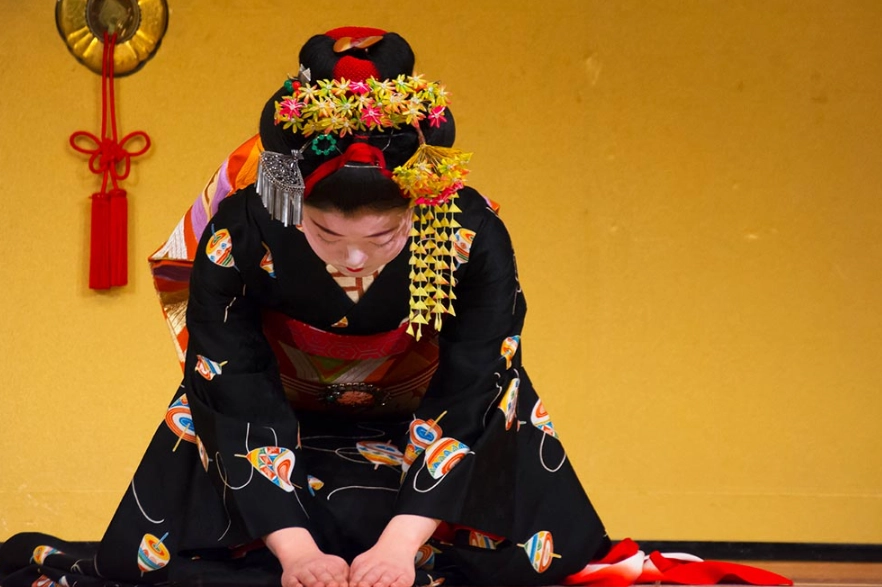
And look, some of these rules might seem fussy from a Western perspective. I used to think the whole "no eating while walking" thing was a bit much. Until I tried to navigate the packed streets of Shinjuku with a dripping soft-serve cone and realized the sheer practical wisdom behind it. No sticky sidewalks, no risk of bumping into someone with your food. It makes sense.
The Top 5 Most Common Bad Manners in Japan (That Tourists Get Wrong)
We could list fifty things, but let's start with the heavy hitters. These are the etiquette mistakes you're most likely to make and that locals are most likely to notice. Get these right, and you're 80% of the way there.
Noise Pollution: Talking, Phones, and Eating
Japan has a different volume setting. On a packed Tokyo subway during rush hour, you might hear a pin drop. It's eerie if you're not used to it. One of the quickest ways to mark yourself as having bad manners in Japan is by being loud in the wrong places.
- On Public Transport: This is the big one. Talking loudly on the phone, having a boisterous conversation with your travel partner, even watching videos without headphones—it's all considered rude. Trains and buses are seen as shared, quiet spaces for transition. People read, sleep, or stare quietly at their phones. The rule is simple: keep it down. Put your phone on silent mode (not vibrate—the buzzing can be annoying in a quiet car).
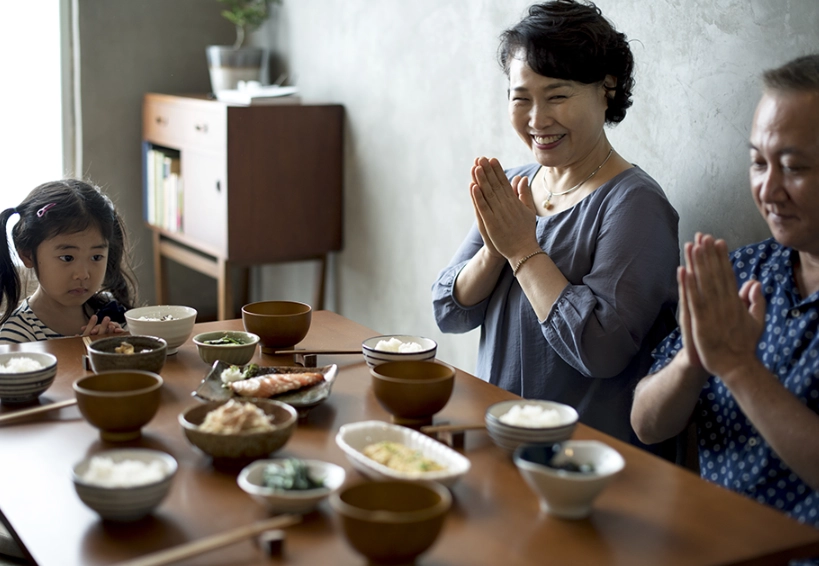
- While Eating: Slurping noodles is not only acceptable but often a sign you're enjoying the meal. However, talking with your mouth full, making other loud chewing noises, or clinking your dishes excessively is not great. Also, saying "itadakimasu" (a polite phrase before eating) and "gochisousama deshita" (after eating) is appreciated, even if mumbled quietly.
- In General Public Spaces: Streets, shops, and museums aren't libraries, but a generally moderate voice level is the norm. I've seen groups of tourists laughing and shouting in a serene temple garden, completely oblivious to the glares. It just creates a vibe of disrespect.
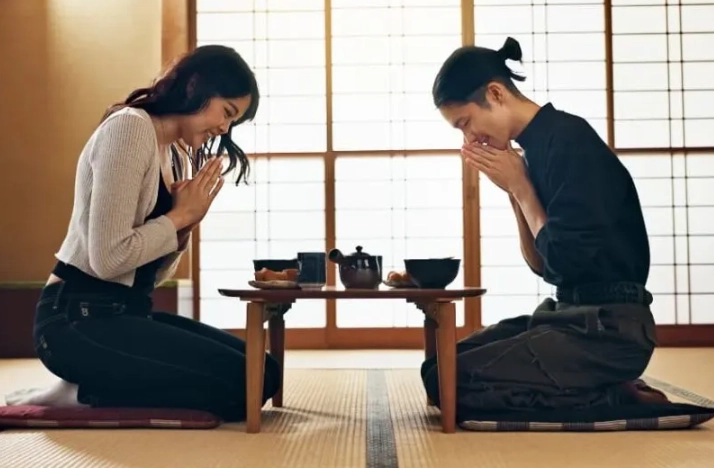
My personal take? I've grown to love the quiet commute. It's a moment of peace in a busy day. The Western habit of filling every silence with noise now feels a bit aggressive to me.
Public Transport Faux Pas Beyond Noise
The train is a stage where all Japan travel manners are put to the test. It's a microcosm of society.
Here's a subtle one: how you stand. Leaning against the pole in the middle of the car means no one else can hold it. If you must hold a pole, just use your hand, leaving space for others. And for heaven's sake, don't spread your legs wide in a "manspreading" stance. Space is a premium commodity.
The worst offense? Being a "train nuisance" (電車迷惑). This can include applying makeup, clipping your nails (yes, I've seen it), or even aggressive hair brushing. Your morning routine should stay in your hotel room.
Dining Disasters: More Than Just Chopsticks
Everyone worries about chopstick etiquette. And yes, don't stick them upright in your rice (it resembles a funeral rite), don't pass food directly from your chopsticks to someone else's (another funeral image), and don't spear your food with them.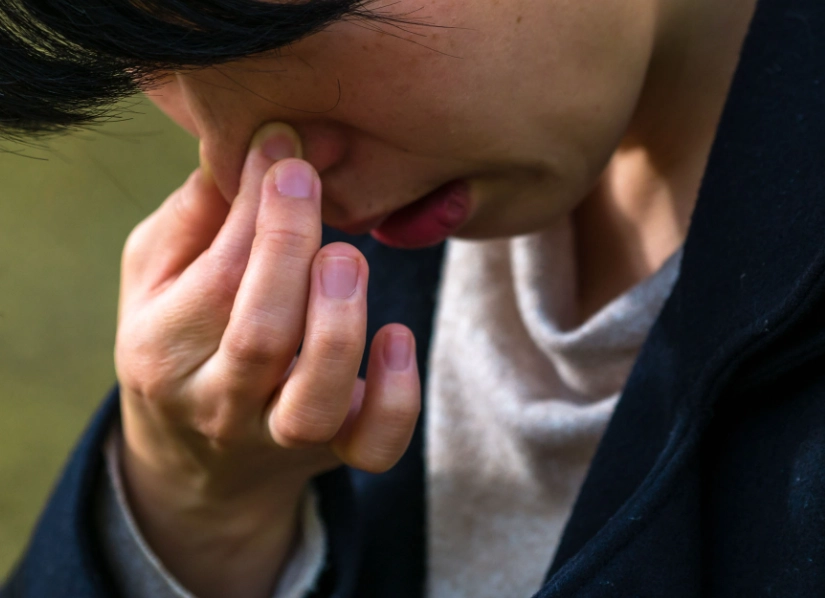
But there's more to Japanese etiquette mistakes at the table.
| Scenario | Bad Manners / Faux Pas | Why It's an Issue & The Right Way |
|---|---|---|
| Starting to Eat | Digging in before everyone has their food or before the host says something. | It shows impatience and lack of group awareness. Wait for others, or for someone to say "itadakimasu" first. |
| Using Dishes | Pouring soy sauce directly over a bowl of plain white rice. | It implies the rice (a sacred staple) is not good enough on its own. Pour a little soy sauce into a small dish and dip your food. |
| Sharing Food | Taking food from a shared plate with the end of your chopsticks that's been in your mouth. | Hygiene. Use the opposite, clean ends of your chopsticks, or—better yet—use the serving chopsticks (取り箸) provided. |
| Finishing Up | Leaving your chopsticks laid haphazardly across your bowl. | It looks messy. Place them on the chopstick rest (箸置き) or, if none, across the front of your bowl or on the wrapper they came in. |
Drinking etiquette is big too. Never pour your own drink if you're in a group. You pour for others, and they pour for you. Keep an eye on your friends' glasses. When someone is pouring for you, a slight hand under your glass is a polite gesture. And if you've had enough, just leave your glass full.
Onsen & Sento (Public Bath) Anxiety
This is a major source of stress for first-timers, and for good reason. The rules are strict, but logical. The cardinal sin? Entering the shared bathing water without washing yourself thoroughly first.
- Undress completely in the changing room. No swimsuits, no underwear. Just you and a small modesty towel.
- Enter the washing area. Sit on the little stool in front of a shower faucet. Do NOT stand and shower, splashing water everywhere.
- Wash EVERYTHING. Hair, body, the works. Rinse off ALL the soap. Be meticulous. Any soap residue contaminates the shared bath.
- Now you can enter the onsen. Your small towel can go on your head, or you can place it on the side. Do NOT dunk it in the water.
- Be quiet and relax. Don't swim. Don't splash. It's for soaking.
I messed up my first time. I walked into the washing area, stood up, and got soap suds near the next guy's station. He didn't say anything, just gave me a look that could freeze lava. I learned fast. The Japan National Tourism Organization has a great, clear guide on onsen etiquette that's worth checking out before you go.
The whole process feels ritualistic, and once you get it, it's incredibly liberating and relaxing. The rules aren't there to restrict you, but to ensure a clean, peaceful experience for everyone.
Shrines & Temples: Sacred Spaces
Visiting these places requires a shift in mindset from "tourist attraction" to "active place of worship." Loud conversation, inappropriate clothing (like super short shorts or revealing tops), and obviously, eating or drinking in the main precincts are frowned upon.
At Shinto shrines, there's a purification ritual at the temizuya (water pavilion) you should follow: take the ladle in your right hand, wash your left. Switch hands, wash your right. Switch again, pour water into your left hand and rinse your mouth (spit the water onto the ground, NOT back into the basin). Finally, tilt the ladle vertically to wash the handle. It's symbolic, but doing it shows you care.
Photography is usually fine in outdoor areas, but always look for signs that say "no photography" (写真禁止). This is common inside temple halls, near certain altars, or in museum areas. Never use a flash where it's not explicitly allowed. It's disrespectful and can damage artifacts.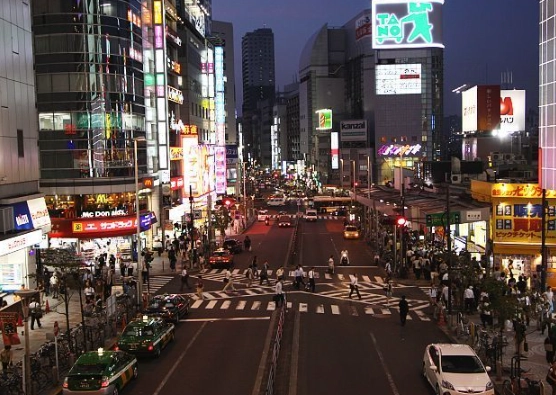
Why Are These Considered Bad Manners? The Cultural Roots
It's not arbitrary. Every one of these bad manners in Japan has a root in core cultural values. Understanding the "why" makes the "what" much easier to remember.
Wa (和) - Harmony: This is the big one. The group's peace and smooth functioning are prioritized over individual expression. Loud noise disrupts harmony. Pushing onto a train disrupts the orderly flow (harmony of movement). Not cleaning yourself before the onsen disrupts the shared, harmonious experience.
Kenson (謙遜) - Humility & Modesty: Drawing excessive attention to yourself is seen as boastful and rude. Loud talking, flamboyant gestures, or standing out in a way that says "look at me" goes against this. It's why people often cover their mouths when laughing. It's not about suppression, but about not forcing your presence on others.
Omotenashi (おもてなし) - Selfless Hospitality: This is the famous Japanese service ethos. But it's a two-way street. As a guest in the country (or in a shop, or a restaurant), you are also expected to receive this hospitality with grace and not create extra work or trouble. Leaving a huge mess at your table, being overly demanding, or ignoring rules creates meiwaku (trouble) for your host.
Kirei (綺麗) - Cleanliness: This goes beyond physical clean. It's about order, purity, and appropriateness. Separating trash meticulously, removing shoes, the onsen washing ritual—it's all part of maintaining kirei. It's a form of respect for spaces and for others who will use them after you.
Beyond the Basics: Other Subtle Faux Pas to Watch For
Okay, you've got the big ones down. But the devil's in the details. Here are some other common etiquette mistakes that can trip you up.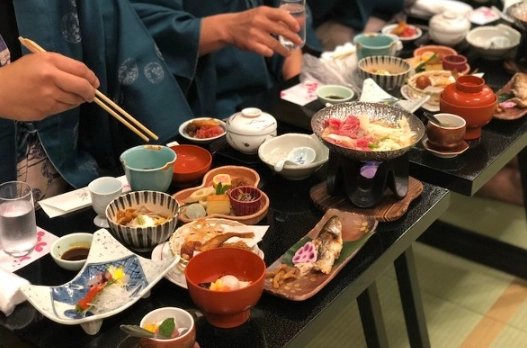
Money Matters
Handing cash directly to a cashier's hand is less common. There's usually a small tray (called a kaisen tray) on the counter. Place your bills and coins there. They will make change and place it back on the tray for you to pick up. This avoids direct hand-to-hand contact, which can be seen as more hygienic and less intrusive. Also, money should be treated with respect—don't crumple it or stuff it carelessly into your pocket in front of someone.
The Shoe Saga Continues
You know to take off your shoes when you see a genkan (entryway floor that's lower than the main floor). But watch for the slippers! There are often separate slippers for the toilet. You'll see them in the bathroom. Never, ever wear the toilet slippers back out into the main house or hallway. It's a classic comedy gag in Japan for a reason—it's a huge, hilarious (and gross) cultural faux pas. Also, walk on tatami mats in socks or bare feet only, never in slippers.
Pointing and Gestures
Pointing directly at a person with your finger is considered rude. If you need to indicate someone or something, use an open hand, palm up. Beckoning someone with your palm facing up and curling your fingers towards you is for calling animals. To beckon a person, hold your hand out, palm down, and make a scratching motion with your fingers towards you.
Blowing Your Nose in Public
This is a big one. Sniffling is tolerated, but loudly blowing your nose in a restaurant, on a train, or in a meeting is seen as disgusting. The polite thing to do is to excuse yourself to the restroom. I find this one particularly challenging during allergy season, but you just learn to be discreet or step away.
Frequently Asked Questions (The Stuff You're Secretly Worried About)
Let's tackle some specific, nitty-gritty questions that pop up when you're overthinking your every move (we've all been there).
Is tipping considered good manners or bad manners in Japan?
Bad manners. Seriously, do not tip. It can cause genuine confusion and embarrassment. The price you see is the price you pay. Excellent service is considered the standard and is included. Leaving money behind can be seen as implying the staff's salary is insufficient or that they did their job only for an extra reward. If you want to show appreciation, a sincere "arigatou gozaimasu" (thank you) with a slight bow is worth more than any yen note. In high-end ryokan (inns), a small monetary gift in a special envelope might be an exception, but for 99% of tourist situations, no tipping.
What if I see other tourists (or even locals) breaking these rules?
Don't be the etiquette police. It's not your place. Just focus on your own behavior. You'll definitely see locals chatting on quieter trains, or a salaryman breaking a small rule. Context matters. A nearly empty train car is different from the 8 AM Yamanote Line. A relaxed izakaya (pub) is different from a formal restaurant. Use your judgment and follow the lead of the people around you. The official guidelines from the Japan Tourism Agency often promote the "see, learn, follow" approach for visitors.
How strict are the rules about eating and drinking while walking?
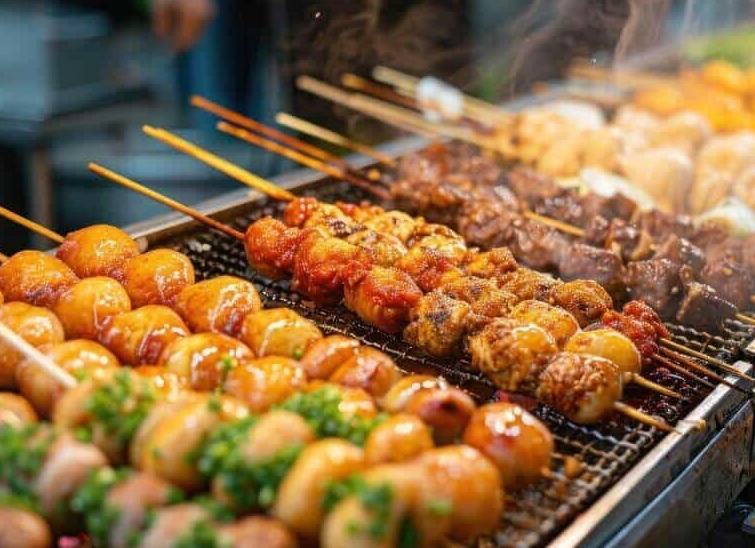
Very common in tourist areas now, especially with crepe stands in Harajuku or takoyaki stalls. The strictness is softening, but it's still not the norm for adults in most areas. The general rule: if you buy food from a street stall, it's often okay to eat it right there, standing near the stall. Walking several blocks while eating is still seen as a bit sloppy. For drinks, canned coffee or tea from a vending machine is often consumed on the spot or discreetly while walking. Use common sense—don't make a mess, and be careful not to bump into people.
What's the deal with trash cans? Is it rude to ask where one is?
This is a practical headache. Public trash cans are famously scarce since the 1995 sarin gas attacks. It's not rude to ask, but be prepared to carry your trash (like empty water bottles or snack wrappers) back to your hotel. Convenience stores (7-Eleven, FamilyMart, Lawson) often have bins just outside or inside, but they are usually only for trash purchased at that store. The complex sorting (burnable, PET bottles, cans, etc.) is another layer. When in doubt, hold onto it. A small plastic bag in your daypack is a lifesaver.
For accurate, up-to-date info on waste management that can vary by municipality, checking a source like Japan's Ministry of the Environment can be helpful, though the rules for residents are far more complex than what's expected of tourists.
Is it okay to take photos of people, especially in traditional dress like kimono?
Always ask for permission. This is a universal rule of courtesy, but especially important in Japan where privacy is valued. Someone wearing a beautiful kimono is not a public exhibit. A simple gesture—pointing to your camera and nodding with a questioning look—is usually enough. Most will happily say yes if asked politely. Snapping a photo from afar without asking is one of the most common and resented bad manners in Japan exhibited by tourists. Just don't.
Wrapping It Up: Your Mindset for Success
After all this, it might feel like navigating a minefield. It's not. Japanese people are, by and large, patient and understand that cultural differences exist. They appreciate the effort more than perfection.
If you make a mistake—and you will—just a simple, sincere "sumimasen" (excuse me/sorry) goes a very long way. No need for a big dramatic apology. Acknowledge it, learn, and move on.
The real secret to avoiding bad manners in Japan isn't memorizing a hundred rules. It's adopting a mindset of observation, consideration, and humility. Watch what the locals do. Think about how your actions might affect the people around you. When in doubt, err on the side of being quieter, cleaner, and more orderly.
This journey into Japanese etiquette does something funny. It often makes you more aware of your own habits back home. You start to notice the noise, the clutter, the casual impositions. You don't have to adopt all of it forever, but understanding it makes you a more thoughtful traveler, and maybe even a more considerate person.
So go, explore, eat amazing food, and soak in the onsens. Just do it with your eyes open and your voice—in certain places—a little softer.
Share Your Thoughts