What's Inside This Guide
Japan finally launched a digital nomad visa, and it's a game-changer for remote workers. But here's the kicker: the multiple entry feature is what makes it truly valuable. Let me break it down for you. If you're tired of short-term tourist visas or complex work permits, this visa lets you stay up to six months with the freedom to leave and re-enter Japan. I've seen too many people mess up their applications by overlooking small details, so I'm sharing everything I've learned from helping clients navigate this process.
What is the Japan Digital Nomad Visa?
It's a specific visa category designed for remote workers who want to live in Japan without being tied to a local employer. Introduced in 2024, it targets freelancers, entrepreneurs, and employees of foreign companies. The multiple entry option means you can exit Japan for a quick trip to Seoul or Bali and return without reapplying—a huge perk if you love exploring Asia.
Unlike the tourist visa, which limits stays to 90 days, this visa allows a maximum stay of 180 days per entry. But it's not renewable; you must leave Japan after six months and can reapply after a cooling-off period. The Immigration Services Agency of Japan oversees this, and their guidelines are strict. I remember one client who assumed it was a simple online form; it's not. You need physical documents and in-person submissions.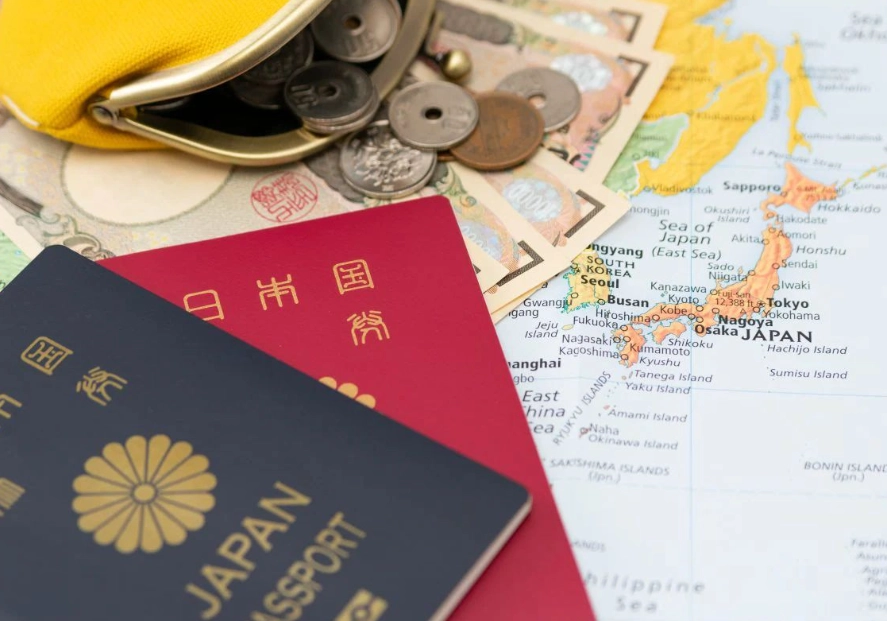
Eligibility Requirements for Multiple Entry
To qualify, you must tick several boxes. Japan wants to attract high-earning remote workers, so the bar is set high. Here's a quick rundown:
- Income Threshold: You need an annual income of at least ¥10 million (roughly $68,000). This isn't negotiable. Proof includes bank statements, tax returns, or employment contracts.
- Remote Work Proof: A contract from a company outside Japan or evidence of freelance work. I've found that detailed project descriptions help.
- Health Insurance: Comprehensive coverage valid in Japan. Many opt for international plans like SafetyWing or World Nomads.
- Clean Criminal Record: A background check from your home country. Some countries take weeks to issue this, so plan ahead.
- Multiple Entry Justification: You must show a reason for needing multiple entries, such as business trips or family visits. A simple letter of explanation works.
Don't underestimate the income proof. I've seen applications rejected because bank statements showed irregular deposits. Consistency matters.
Step-by-Step Application Process
This isn't a DIY project for the faint-hearted. Follow these steps closely to avoid delays.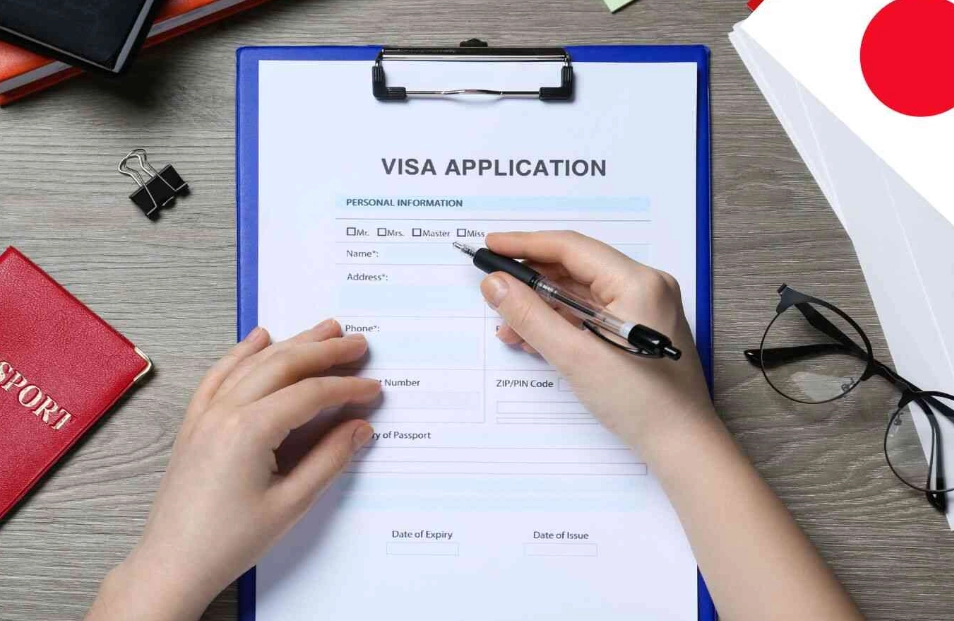
Step 1: Gather Your Documents
You'll need:
- Passport with at least six months validity.
- Completed visa application form (available on the Japanese embassy website).
- Passport-sized photos (4.5cm x 3.5cm, white background).
- Proof of income (last six months of bank statements).
- Remote work contract or client letters.
- Health insurance certificate.
- Criminal record certificate.
- Flight itinerary showing multiple entries (optional but recommended).
Step 2: Submit at the Japanese Embassy
You must apply from outside Japan, typically at your home country's Japanese embassy or consulate. Book an appointment early—slots fill up fast. Bring originals and copies. One client of mine showed up without copies and had to rush to a print shop, wasting a day.
Step 3: Interview and Wait
Some embassies require a short interview to verify your remote work setup. Be prepared to explain your job. Processing takes 2-4 weeks, but it can stretch to 6 weeks during peak seasons.
Step 4: Receive Your Visa and Enter Japan
Once approved, you'll get a visa sticker in your passport. Enter Japan within three months. On arrival, immigration may ask for your documents again, so keep them handy.
Costs and Processing Times
Let's talk money. The visa fee varies by country, but it's around ¥3,000 to ¥6,000 (about $20 to $40). Additional costs include document translations, notarizations, and travel to the embassy. Here's a breakdown:
| Item | Estimated Cost | Notes |
|---|---|---|
| Visa Application Fee | ¥3,000 - ¥6,000 | Paid at the embassy |
| Document Translation | ¥5,000 - ¥10,000 | If not in English/Japanese |
| Criminal Record Check | ¥2,000 - ¥5,000 | Varies by country |
| Health Insurance | ¥20,000 - ¥50,000 | For six months coverage |
| Total | ¥30,000 - ¥71,000 | Approx. $200 - $500 |
Processing times are typically 15-30 business days, but I've seen cases drag to 45 days. Apply at least two months before your planned move. The Immigration Services Agency of Japan doesn't offer expedited processing, so patience is key.
Benefits of Multiple Entry for Digital Nomads
Why go for multiple entry? It's not just about convenience; it's about flexibility. Imagine working from Tokyo for three months, popping over to Taiwan for a conference, and returning without hassle. That's the dream.
Here are the top benefits:
- Travel Freedom: Explore neighboring countries without visa stress. I met a digital nomad who used this to hop between Japan, South Korea, and Thailand every few weeks.
- Business Opportunities: Attend meetings or events across Asia. If you're a freelancer, this can boost your network.
- Family Visits: Easy trips home without reapplying. One client visited family in the US during Christmas and returned seamlessly.
- Cost Savings : Avoid repeated visa fees and document submissions. Over six months, this can save hundreds of dollars.
But remember, each entry resets your stay clock. You can't stay continuously for more than 180 days per entry, but multiple entries let you split your time strategically.
Common Mistakes to Avoid
After reviewing dozens of applications, I've spotted patterns. Here are pitfalls that trip people up.
Mistake 1: Underestimating Income Proof. Don't just show a high balance; provide six months of consistent bank statements. Immigration officers look for steady income, not one-time windfalls. I had a client with a ¥12 million annual income but irregular deposits, and they got rejected.
Mistake 2: Skipping Health Insurance Details. Your insurance must cover Japan specifically. Generic travel insurance often excludes long-term stays. Read the fine print.
Mistake 3: Poor Documentation of Remote Work. A vague contract isn't enough. Include client emails, project timelines, or a letter from your employer detailing your remote role. One freelancer submitted a basic agreement and was asked for more evidence, delaying the process by weeks.
Mistake 4: Ignoring the Multiple Entry Justification. You need a clear reason. Write a concise letter explaining your travel plans—e.g., "I plan to attend business conferences in Singapore and visit family in Australia." Without this, they might issue a single-entry visa.
Mistake 5: Last-Minute Applications. Don't wait until the week before your flight. Start gathering documents three months ahead. Criminal record checks alone can take a month.
My advice: Treat this like a job application. Be thorough, double-check everything, and if possible, consult with an immigration expert. The official Japan Immigration website has updates, but it's in Japanese, so use a translator.




Share Your Thoughts