You step into a 7-Eleven in Tokyo. The blast of air conditioning is a relief. But it's the wall of drinks that really stops you. It's not just a fridge; it's a floor-to-ceiling mosaic of colors, kanji, and promises. Coffee in cans. Teas with whole leaves floating inside. Milky drinks you can't quite identify. This isn't just about quenching thirst. It's a microcosm of Japanese culture, innovation, and daily ritual. Most guides just list popular items. Let's talk about how to actually navigate it like someone who's spent a decade figuring out the difference between a "Georgia" and a "BOSS."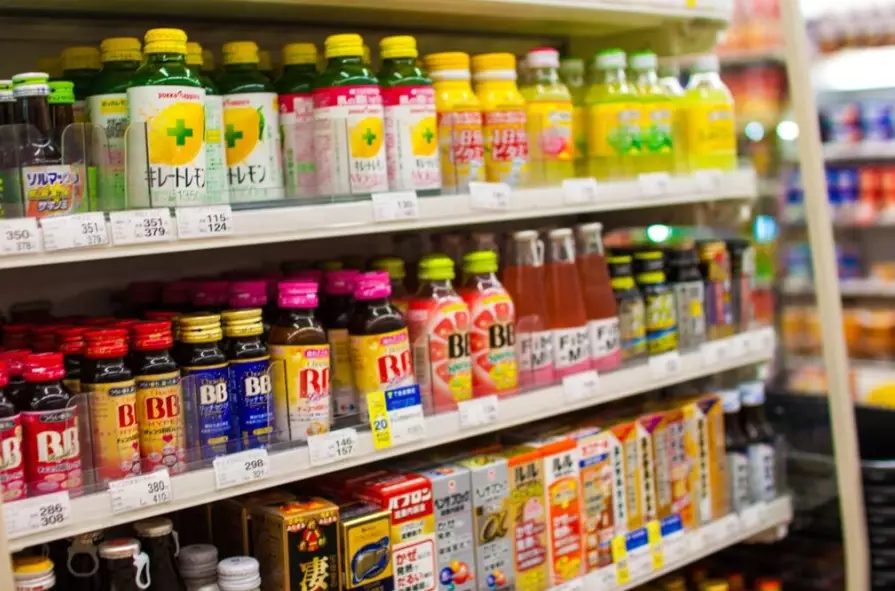
Your Quick Drink Guide
It's Not Just a Drink: Culture in a Bottle
Think of the konbini drink aisle as a constantly updating feed of Japanese life. The season dictates everything. Walk in during February, and you'll see strawberry milk everywhere—pink packaging, sweet flavors—for Valentine's Day. Summer hits, and the whole section shifts to clear, citrusy "mugicha" (barley tea) and sports drinks like "Pocari Sweat" to fight the humidity. Autumn brings sweet potato and chestnut-flavored lattes. It's a tangible, drinkable calendar.
Then there's the innovation. Japan's Ministry of Agriculture, Forestry and Fisheries even highlights the role of the tea industry, part of which fuels this constant churn. Companies launch hundreds of new products a year, testing flavors you'd never imagine. Wasabi soda? Tried it. Salted watermelon Pepsi? It existed. The limited-edition releases are a huge deal. You might find a collaboration between a drink brand and a famous anime, or a regional specialty from Hokkaido sold nationwide for a month. This creates a "get it now or never" urgency that's pure retail genius.
But the real cultural cornerstone is the hot can. The heated cabinet by the register, stocked with coffee, tea, and cocoa, is a lifesaver. It's a portable, consistent source of warmth for salarymen, students, and tourists alike. The ritual of buying a hot "Boss Coffee" on a cold morning is as Japanese as it gets.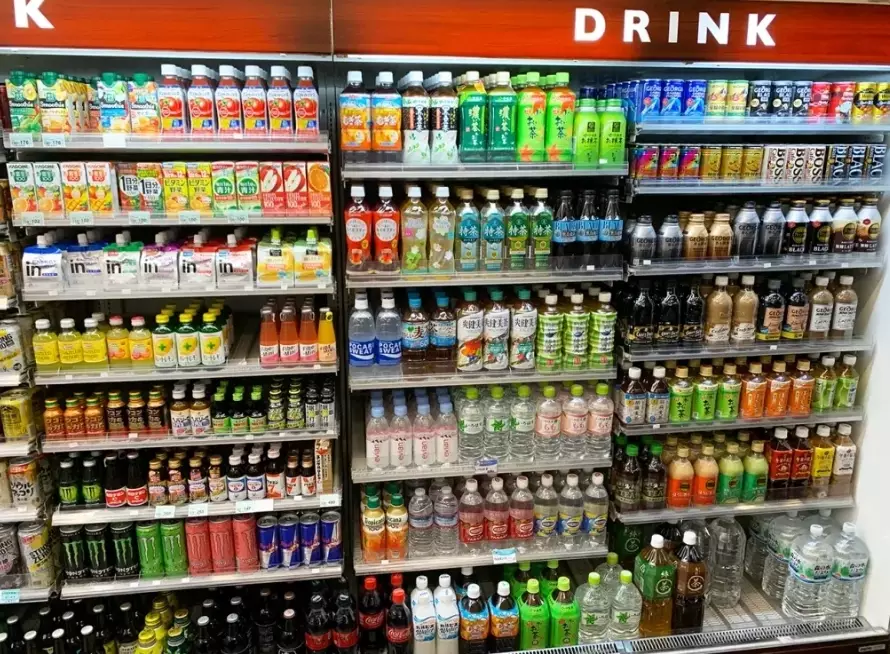
How to Navigate the Wall of Drinks
Okay, let's get practical. Facing that wall can be overwhelming. Here’s your mental map.
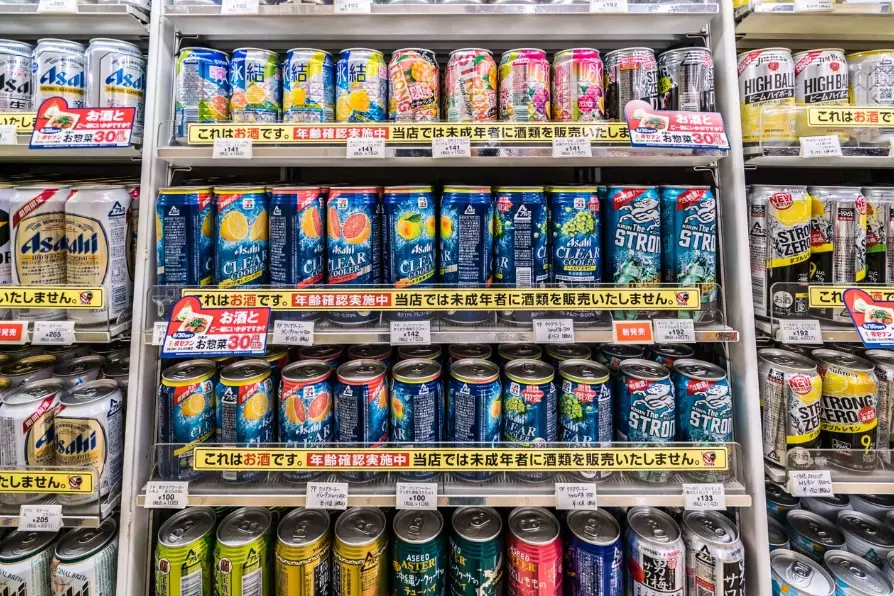
The Cold Section (The Big Wall): This is where 80% of the drinks live. Organization is usually by type, not brand.
- Top Shelves: Teas. Green tea (緑茶, ryokucha), barley tea (麦茶, mugicha), oolong tea (烏龍茶, uuroncha). Look for "無糖" (mutou) for unsweetened.
- Middle Shelves: Coffee drinks, both black and milky lattes. Also, "juice" drinks (often only 10-20% real juice) and flavored waters.
- Bottom Shelves/Big Bottles: Water, sports drinks (Aquarius, Pocari Sweat), and larger 1-2L bottles of tea.
The Hot Case (By the Register): A smaller, dedicated cabinet. This is for immediate consumption. The cans are specifically designed to be heated. Don't buy a cold coffee here expecting to heat it in a microwave later—it's not the same.
The Niche Spots: Look for small refrigerators near the register for fresh milk, yogurt drinks (like "Calpis" or "Yakult"), and sometimes premium juices.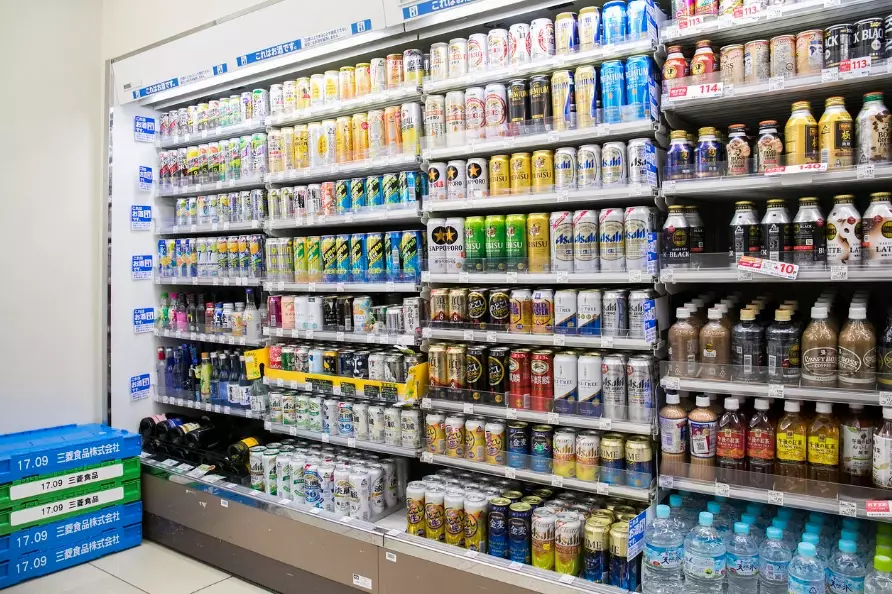
What to Actually Try: A Breakdown by Category
Forget trying everything. Focus on categories and a few star players. This table cuts through the noise.
| Category | What It Is | Top Picks (Brand/Name) | Price Range (Yen) | Pro Tip |
|---|---|---|---|---|
| Japanese Tea (Cold) | The real deal. Not powdered, but brewed and bottled. | Ito En "Oi Ocha" (Unsweetened Green Tea) Sangaria "Royal Milk Tea" |
110 - 160 | "Oi Ocha" is the gold standard. "Royal Milk Tea" is a sweet, creamy black tea treat. |
| Japanese Coffee (Canned) | A cultural icon. Available hot or cold. | Suntory "BOSS Rainbow Mountain" (Black) Georgia "MAX Coffee" (Milk Coffee) |
120 - 150 | BOSS for straight coffee, Georgia MAX for a sweet, milky hit. The hot versions are superior in winter. |
| The Unique Refreshers | Drinks you won't find easily elsewhere. | Calpis Water (Calpico) Pocari Sweat (Ion Supply Drink) |
120 - 140 | Calpis is a slightly tart, yogurt-based drink. Pocari Sweat is the go-to for rehydration—tastes like mild lemon-lime. |
| Seasonal & Limited | The fun stuff. Changes every few weeks. | Starbucks Japan "Sakura Cream Latte" (Spring) Various "Fruit Milk" flavors (Strawberry, Melon) |
140 - 200 | Always at the front of the cold section. If you see it and like the sound of it, buy it. It'll be gone soon. |
| The "Healthy" Choice | Vegetable juices, vitamin-enhanced waters. | Kagome "Vegetable Life" Suntory "Tennensui Lemon Water" |
130 - 180 | Beware: Veggie juices are healthy but often high in sugar from fruit juice. Check the label. |
My personal, non-consensus take? Everyone raves about the fancy lattes, but they're often too sweet for a daily drink. The real daily workhorse for locals is unsweetened tea or black coffee. The "Fruit Milk" drinks? Delicious, but think of them as liquid dessert. The melon one is a cult classic for a reason.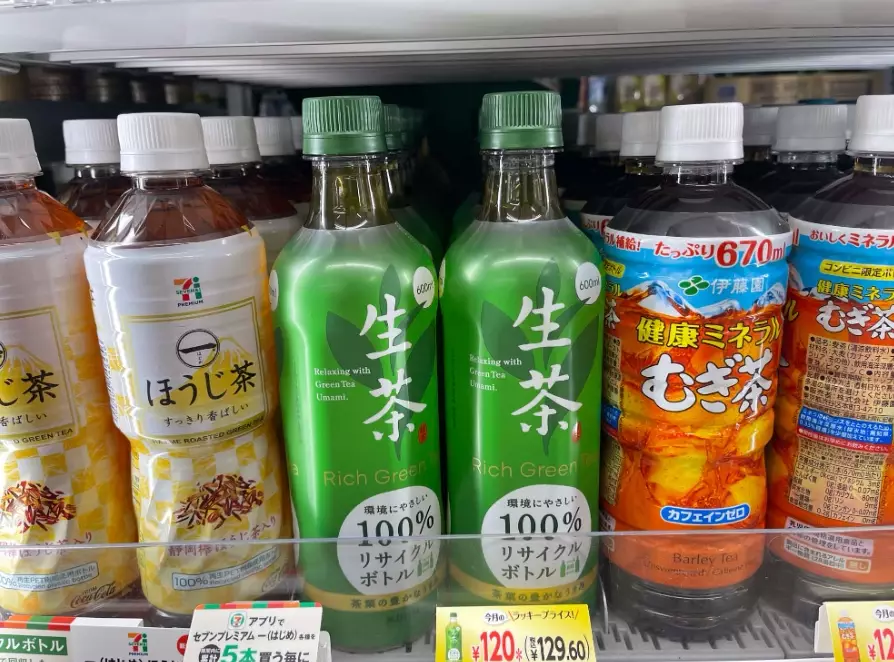
Pro Tips & Konbini Secrets
This is where experience pays off.
Price is King. Drinks are cheap, usually between 100 and 200 yen. This is your budget hydration and caffeine source. It's often cheaper than a vending machine.
The 100-Yen Coffee. Most major chains (7-Eleven, FamilyMart, Lawson) have their own private-label "100 yen coffee" (or slightly more) that you pour yourself at a machine near the register. It's fresh-brewed, larger than a can, and fantastic value. 7-Eleven's is surprisingly good. This is the insider move for a real coffee fix.
When to Go Hot vs. Cold. Simple rule: Buy hot drinks from the hot case if you want them now. Buy cold drinks from the fridge if you want them now or later. The packaging and product formulation can differ.
The Microwave Thing. You can ask the staff to heat up certain non-carbonated, non-metal drinks (like a carton of milk tea) in their microwave. Just point and ask "atatamemasu ka?" (Can you heat this?). They'll do it in seconds.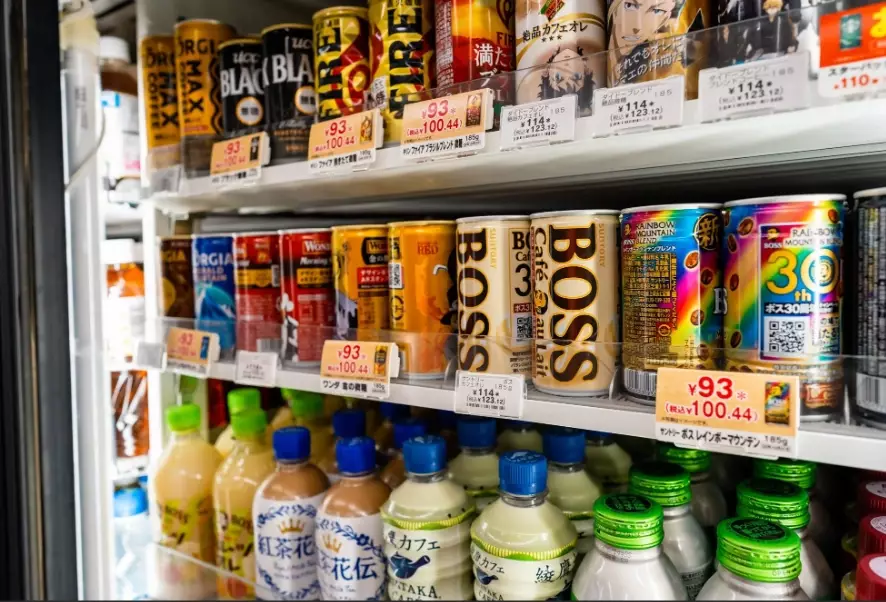
Remember: There are no public trash cans in Japan. Konbini often have bins right outside their doors specifically for bottles and cans they sell. Finish your drink, separate the plastic label from the PET bottle (if required), and recycle it there. It's part of the unspoken contract.
Your Questions, Answered
 The konbini drink aisle is more than a pit stop. It's a snapshot of precision, seasonality, and small pleasures. Don't just grab the first thing you recognize. Take a minute. Look at the colors, the new arrivals, the hot cans steaming gently. Your perfect 150-yen Japanese experience is waiting.

Share Your Thoughts