I remember rounding the corner on the ferry, the low hum of the engine my only companion, and there it was. Not a grand welcome sign, but a solitary, polka-dotted yellow pumpkin perched on a concrete pier, staring serenely at the Seto Inland Sea. That's Naoshima. It doesn't shout; it whispers. And the whisper is entirely about art. If you're asking which Japanese island is known for art, the answer, unequivocally, is Naoshima. But calling it an "art island" sells it short. It's more like a living, breathing gallery where the lines between nature, architecture, and contemporary masterpieces blur into something you have to experience firsthand.
Forget the crowded halls of Tokyo or Kyoto. Here, you find James Turrell's light installations carved into a hill, Claude Monet's Water Lilies in a concrete bunker lit only by the sun, and old fishing villages transformed by site-specific installations. It's the vision of the Benesse Art Site Naoshima, a project decades in the making, that turned this once sleepy island into a global pilgrimage site for art lovers.
Your Naoshima Art Journey at a Glance
How to Get to Naoshima: A Practical Guide
Naoshima's magic is partly due to its relative seclusion. You have to want to go there. The main gateway is Uno Port in Okayama Prefecture. Most travelers connect via Okayama City or Takamatsu City on Shikoku.
From Tokyo/Kyoto/Osaka: Take the Shinkansen to Okayama Station (about 3.5 hours from Tokyo, 1 hour from Osaka). From Okayama Station, it's a 45-60 minute local train ride to Uno Station (JR Uno Line). The ferry terminal is a 5-minute walk from Uno Station. Ferries run frequently (about every 30-60 minutes), take 15-20 minutes, and cost around 300 yen. You can check the latest schedules on the Naoshima official tourism website.
From Takamatsu: Ferries also run from Takamatsu Port to Naoshima (about 50 minutes). This is a great option if you're exploring Shikoku.
Pro Tip: Don't just rush to the island. The train ride from Okayama to Uno is stunning, tracing the coast of the Seto Inland Sea. Sit on the right side (facing direction of travel) for the best views. Also, buy your ferry ticket before you get in line to board. The vending machines are near the terminal entrance.
Once on Naoshima, you have three main ports: Miyanoura (the main port with the red pumpkin), Honmura (for the Art House Project), and the Benesse House Museum port (for hotel guests and museum visitors). Getting around requires planning. The island's public bus is infrequent. Most visitors rent electric bicycles (e-bikes are a godsend for the hills) from shops near Miyanoura Port. Rental costs about 1,500-2,000 yen for the day. Scooters and cars are also available but less common.
Naoshima Art Map: Must-Visit Venues and Hidden Gems
The art is concentrated in a few key areas. Here’s a breakdown of the non-negotiable stops and some quieter spots most first-timers miss.
The Crown Jewels: The Benesse House Museum Area
This southern part of the island is the heart of the project. You need to purchase an area pass or individual tickets. The Benesse House Museum itself is a fusion of museum and hotel (designed by Tadao Ando). It's open to day visitors and houses works by artists like Bruce Nauman and Shinro Ohtake in a space that dialogues with the sea.
But the real showstoppers are a short walk or shuttle bus ride away:
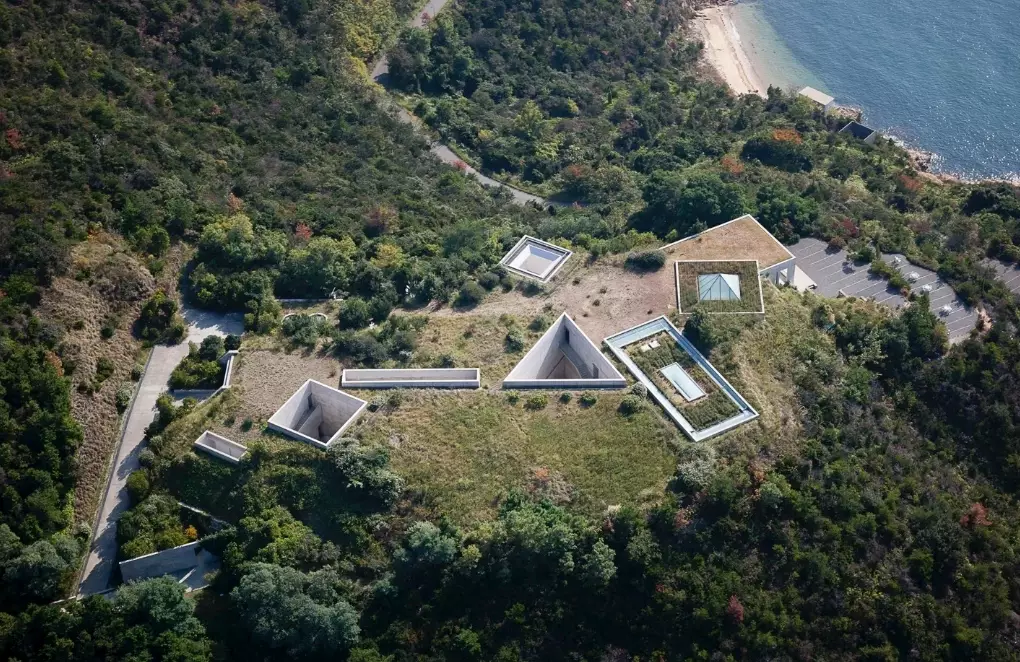
- Chichu Art Museum: Literally "underground museum." Ando built it into a hill. It houses a few pieces—Monet's Water Lilies, Walter De Maria's sphere, and James Turrell's light rooms—with such profound intentionality that each feels like a religious experience. No photos inside, which forces you to actually look. Admission: 2,100 yen. Open 10:00-18:00 (last entry 17:00). Closed Mondays.
- Lee Ufan Museum: A serene, concrete-and-stone collaboration between architect Ando and artist Lee Ufan. It's meditative, focusing on the relationship between art, space, and the viewer. Admission: 1,050 yen (often included in combination tickets).
- The Yayoi Kusama Pumpkins: Yes, the yellow one at Miyanoura port. But the iconic red pumpkin with its cut-out dots is here, near the Benesse Museum. It's not just for photos; step inside and look out at the sea through the polka dots. It’s a simple, powerful moment.
The Soul of the Island: Honmura & The Art House Project
While the southern area feels pristine, Honmura is where art intertwines with community. The Art House Project takes abandoned traditional houses, a shrine, and a temple and lets artists transform them. You buy a single ticket (1,050 yen) that grants access to all six sites scattered through the village. My favorite is James Turrell's "Backside of the Moon" in the Go'o Shrine—a pitch-black room where light slowly reveals itself. It’s disorienting and beautiful. Also, don't miss the Ando Museum (a small wooden house redesigned by Ando to explain his architecture) and the stunning, minimalist Honmura Lounge & Archive for a coffee break.
What Most People Skip (And Shouldn't)
Everyone beelines for the Chichu and the pumpkins. It's a public bathhouse designed by artist Shinro Ohtake—a crazy, wonderful collage of mosaics, a giant elephant sculpture, and pop art. You can actually take a bath here! Admission is around 700 yen. It's in Miyanoura. Also, just wandering the backstreets of Honmura or the coast near Tsutsuji-so lodge reveals smaller installations and a genuine sense of island life.
| Venue | Key Feature/Artist | Admission (approx.) | Location Area |
|---|---|---|---|
| Chichu Art Museum | Tadao Ando, Monet, Turrell, De Maria | 2,100 yen | Benesse Area |
| Benesse House Museum | Contemporary collection, Ando architecture | 1,300 yen | Benesse Area |
| Art House Project (6 sites) | Site-specific installations in old houses | 1,050 yen | Honmura |
| Lee Ufan Museum | Lee Ufan & Tadao Ando collaboration | 1,050 yen | Benesse Area |
| Ando Museum | Architecture models and concepts | 520 yen | Honmura |
| Naoshima Bath | Shinro Ohtake's kooky sento (bathhouse) | 700 yen | Miyanoura |
Crafting Your Perfect Naoshima Itinerary: 1 Day vs. 2 Days
Can you do Naoshima in a day? Technically, yes. Should you? Not if you can help it. The pace will feel rushed, and you'll miss the island's rhythm.
The Ambitious One-Day Blitz (From Okayama)
7:00 AM: Shinkansen from Osaka/Kyoto to Okayama.
9:30 AM: Arrive Uno, ferry to Miyanoura.
10:30 AM: Rent e-bike. See Yellow Pumpkin. Bus/Bike to Benesse Area.
11:00 AM - 3:00 PM: Hit Chichu Art Museum (book slot in advance!), see Red Pumpkin, quick look at Benesse House exterior.
3:30 PM: Bike to Honmura. Visit 2-3 Art House Project sites.
5:00 PM: Ferry back to Uno.
It's exhausting. You'll see the highlights but feel like you're on a conveyor belt.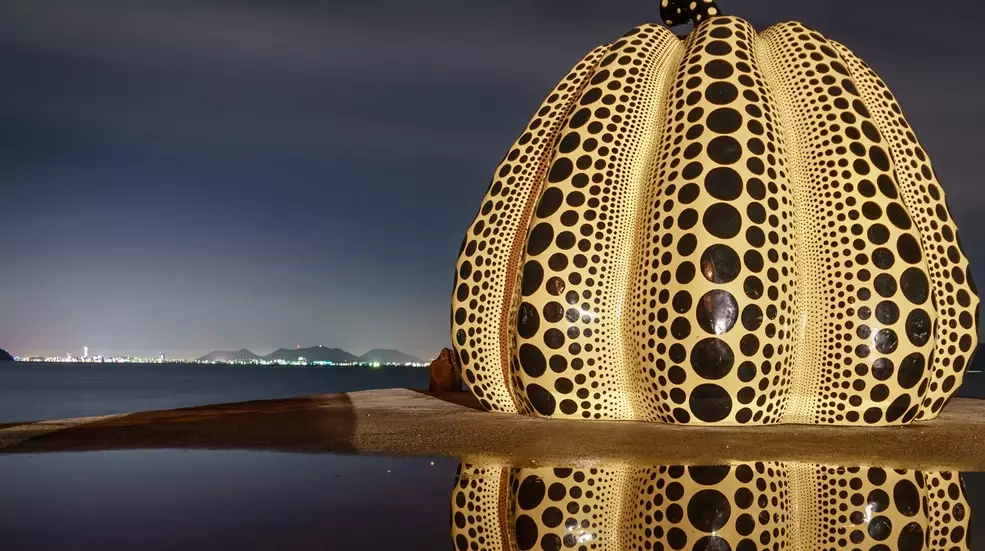
The Ideal Two-Day Immersion
Day 1: Arrive midday. Base yourself in Honmura or Miyanoura. Spend the afternoon deeply exploring the Art House Project and the Ando Museum. Have a slow dinner at a local *shokudo* (try the Setouchi lemon something). Soak in the I♥湯 bathhouse in the evening. The vibe is completely different after the day-trippers leave.
Day 2: Full day for the Benesse Area. Pre-book your Chichu entry time for late morning. Spend 2 hours there. Have lunch at the Benesse House cafe (views are incredible). Visit the Lee Ufan Museum and spend real time with the Red Pumpkin and exploring the outdoor sculptures. Catch a late afternoon ferry out.
Insider Tips and Common Tourist Mistakes to Avoid
Here’s the stuff you won't find on most generic travel blogs.
- Book Everything in Advance: This isn't a spontaneous trip. Book your Chichu Art Museum timed-entry ticket online as soon as you know your date. They sell out. If you want to stay at the Benesse House Hotel, book months ahead. For other accommodations, book weeks ahead.
- The Ticket Combo is Your Friend: The "Benesse Area Passport" (around 3,200 yen) covers entry to Benesse House Museum, Chichu, and Lee Ufan. It saves money and time.
- Food is Functional, Not a Highlight: Naoshima isn't a foodie destination. Options are limited, especially in the Benesse Area. Pack snacks or plan to eat at the museum cafes (which are decent but pricey). In Miyanoura, there are a few simple restaurants and a supermarket.
- Wear Sensible Shoes: You'll be walking on gravel, concrete, and hills. This is not a high-heel or flip-flop kind of place.
- The Biggest Mistake? Only focusing on the big-name museums. The Art House Project is what gives Naoshima its unique character. Skipping it means you've only seen half the story.
Timing Your Visit: The Setouchi Triennale Factor
Every three years (next in 2025), the Setouchi Triennale art festival transforms Naoshima and a dozen neighboring islands. More art, more events, more crowds, and a fantastic energy. It's a great time to visit if you want the maximum art dose, but be prepared for booked-out ferries, accommodations, and higher prices. The official Setouchi Triennale website has all the details. For a quieter, more contemplative experience, visit in the off-years (like 2024 or 2026). Spring (March-May) and Autumn (September-November) offer the best weather.
Your Naoshima Questions, Answered
 What's the one thing most tourists get wrong about visiting Naoshima?


Share Your Thoughts