You've seen the golden pavilion, walked through the bamboo forest, and maybe even spotted a geisha in Gion. But to really touch the soul of Kyoto, you need to engage with the crafts that have defined its elegance for centuries. Forget just buying a souvenir—imagine creating a piece of Kyoto's legendary textile heritage with your own hands. That's the magic of a Kyoto textile workshop. From the intricate brocades of Nishijin-ori to the flowing patterns of Kyo-yuzen dyeing, these hands-on experiences offer a depth of understanding no museum visit can match. They transform you from a passive observer into an active participant in a living tradition.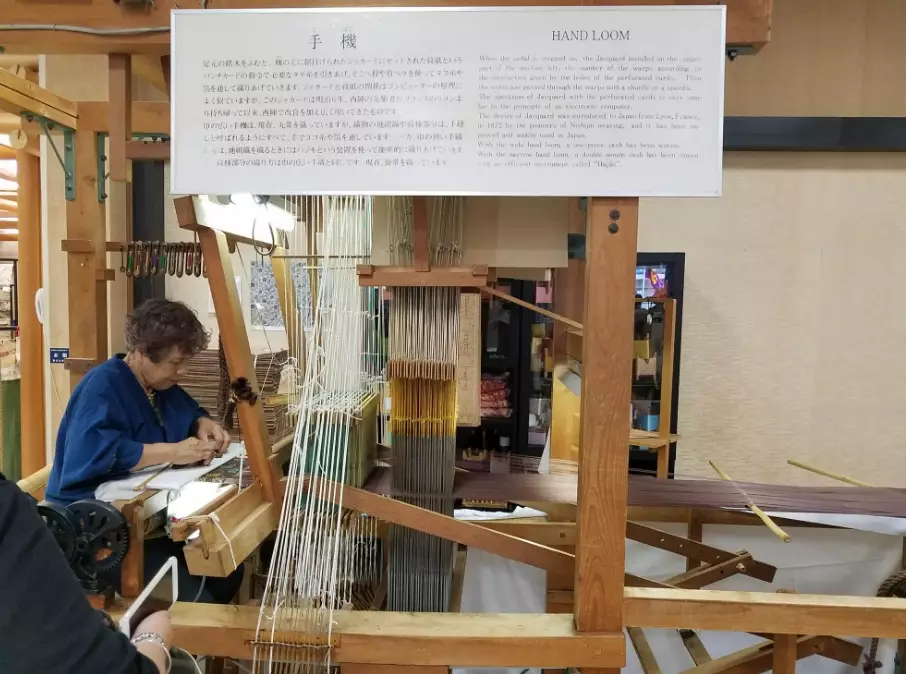
Your Quick Guide to Kyoto's Textile Workshops
Understanding Kyoto's Textile Heritage: It's Not Just Kimono
Most people hear "Kyoto textiles" and think "kimono." That's not wrong, but it's like saying "Italian food" is just pasta. The kimono is the canvas; the real art is in the techniques used to adorn it. Two traditions stand supreme, and knowing the difference will help you choose the right workshop.
Nishijin-ori: The Brocade of Royalty
Originating in Kyoto's Nishijin district over 1200 years ago, this is luxury weaving. Think intricate pictorial designs woven with gold, silver, and silk threads. Historically, it clothed the imperial court and high-ranking samurai. The looms are complex, and the process is slow. A true master weaver might produce only a few centimeters a day. When you see a breathtaking, heavy kimono with raised, detailed imagery, that's likely Nishijin-ori.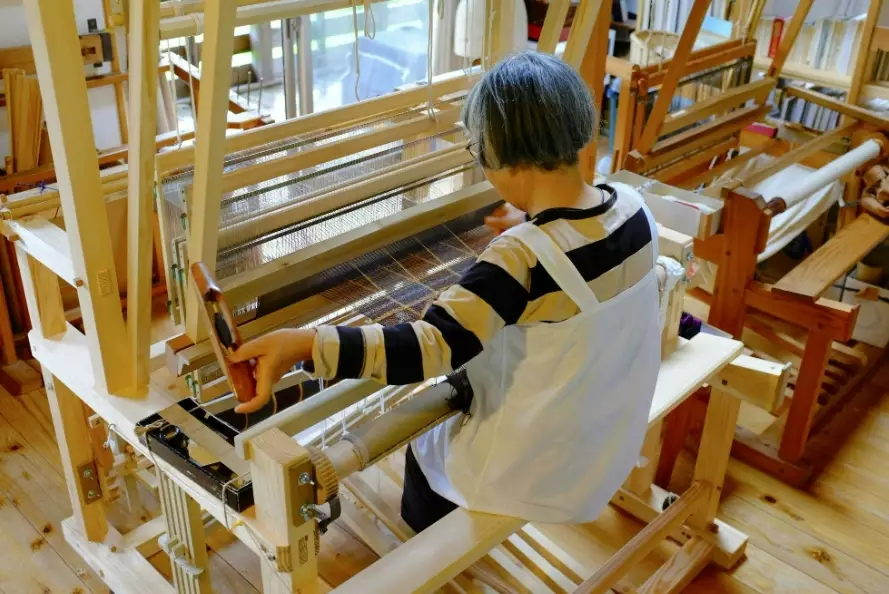
Kyo-yuzen: The Poetry of Dyeing
Developed in the 17th century by fan painter Miyazaki Yuzensai, Kyo-yuzen revolutionized kimono design. Instead of weaving patterns, artists draw and dye them onto the silk. The process involves hand-painting a detailed outline with a rice-paste resist, then carefully brushing in vibrant, mineral-based pigments. The results are flowing, painterly designs—often of nature scenes—that are uniquely Kyoto. It's more accessible for beginners to try a simplified version.
A common mistake? Tourists often go for the biggest, most advertised "cultural experience" centers. While convenient, they can feel a bit generic. The magic often lies in smaller, family-run ateliers in the Nishijin or Imadegawa areas, where you might be learning from a 4th-generation artisan. The trade-off is that booking might require a phone call in Japanese or a patient email exchange.
Top Workshops & Hands-on Experiences: From Weaving to Dyeing
Here’s a breakdown of specific places where you can roll up your sleeves. I've focused on those offering genuine hands-on participation, not just demonstrations.
| Workshop Name / Area | Core Experience | What You Make / Do | Duration & Approx. Price | Address & Notes |
|---|---|---|---|---|
| Orinasu-kan (Nishijin) | Nishijin-ori Weaving | Weave a small coaster or bookmark on a traditional loom. You get to operate the pedal and shuttle under guidance. | 60-90 min / ¥2,000 - ¥3,500 | Kamigyo Ward. More museum than pure workshop, but the short trial is excellent for grasping the complexity. No advanced booking needed for trials. |
| Kyo-yuzen Takeda (Various) | Kyo-yuzen Dyeing | Choose a silk item (scarf, fan, tenugui) and apply pre-cut stencils or try freehand painting with dyes. | 90-120 min / ¥3,500 - ¥7,000 | They have several locations, including in the Kyoto Museum of Traditional Crafts (Fureaikan). Well-organized for foreigners, with English guides. |
| Wargo Kyoto Takumi Fair | Multiple Craft Trials | Among many crafts, they offer a simple yuzen dyeing session on a handkerchief. Great for tight schedules. | 45 min / ¥1,800 | 2nd floor of Kyoto Station Building. Super convenient, but can be crowded. Book online in advance. |
| Aizenkobo Workshop (Arashiyama) | Indigo (Aizome) Dyeing | Dye a cotton item (T-shirt, tote bag) in a traditional indigo vat. Focuses on the natural dye process. | 60-90 min / ¥2,500 - ¥4,500 | Saga-Tenryuji, Ukyo Ward. A different dye tradition. The smell of the indigo vat is an experience in itself! Relaxed, rustic feel. |
| Private Atelier (Imadegawa) | Authentic Yuzen Painting | One-on-one lesson painting a small silk panel with traditional gofun (shell white) and pigments. | 3 hours / ¥15,000+ | By appointment only in residential areas. Found through platforms like Voyagin or by local guide referral. The premium, immersive choice. |
I tried the short weaving trial at Orinasu-kan. My fingers felt clumsy, and the coordination between hands and feet was hilariously bad at first. The patient instructor just smiled—she'd seen it a thousand times. That moment of finally getting a clean, even row of weave was incredibly satisfying. It gave me a visceral appreciation for the price tag on a full Nishijin obi.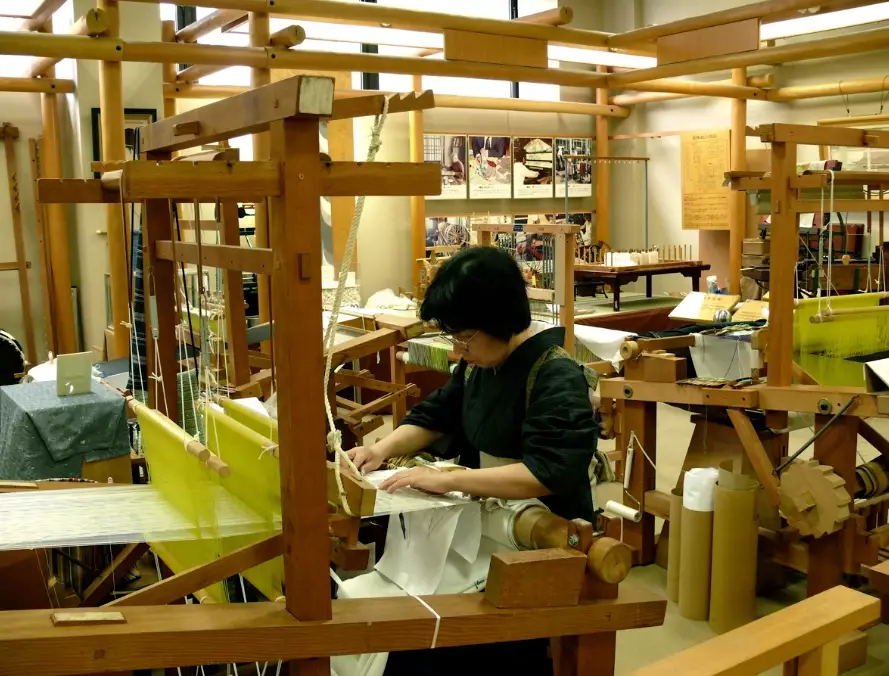
Planning Your Workshop Visit: The Nuts and Bolts
Making it happen requires a bit more than just showing up.
Booking is Key: Especially for the smaller, better places. For venues like Kyo-yuzen Takeda or Wargo, use their official English websites. For private ateliers, you might need a third-party booking site or a concierge at a higher-end hotel. Email a week or two ahead.
Language: At dedicated tourist workshops, basic English instruction is common. In more private settings, the communication might be non-verbal (lots of pointing and smiling) or with a translation app. Embrace it—it's part of the authentic exchange.
What to Wear: You are handling dyes and sometimes messy pastes. Wear clothes you don't mind getting a tiny splash on. Aprons are usually provided.
Logistics: Most workshops are in the quieter northern parts of Kyoto (Nishijin, Imadegawa) or Arashiyama. Factor in travel time. They are rarely near the major temples. Use the city bus or subway (Imadegawa Station for Nishijin area).
Beyond the Workshop: Related Visits to Complete the Picture
To contextualize your hands-on experience, pair it with a visit to these spots.
The Nishijin Textile Center is the obvious one. They have regular kimono fashion shows (several times a day) where you can see the finished products in motion. The museum section is small but informative. It’s a good primer before a workshop.
For a deeper dive into dyeing, the Museum of Kyoto often has excellent special exhibitions on Kyo-yuzen, showing historical pieces that will blow your mind. Check their schedule in advance.
Finally, walk the backstreets of the Nishijin district itself. You won't see giant factories, but listen for the rhythmic clack-clack-clack of looms coming from unmarked wooden machiya townhouses. That's the real, living sound of the craft.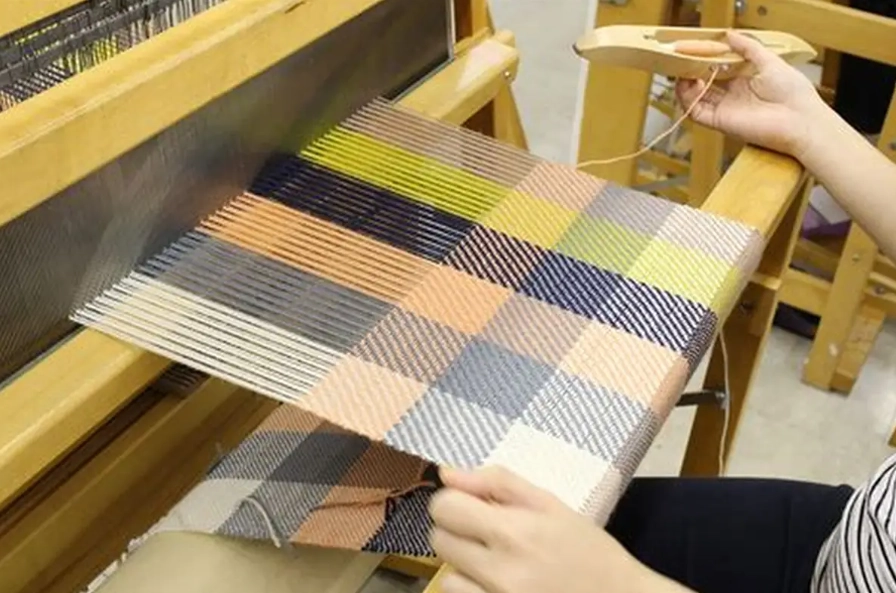
Kyoto Textile Workshop FAQ
Is a Kyoto textile workshop suitable for complete beginners with no sewing skills?
Absolutely. In fact, most participants are total beginners. The workshops are designed for this. You'll be guided through a highly simplified, manageable version of the craft. For weaving, you might work on a small, pre-warped loom. For yuzen, you'll use stencils or paint within pre-drawn lines. The goal isn't perfection, but understanding the process and materials.
How do I choose between a weaving workshop and a dyeing workshop?
Think about your desired takeaway and patience level. Weaving (Nishijin-ori) is more about structure, rhythm, and machinery. You'll gain awe for the mechanical complexity. Dyeing (Kyo-yuzen or Indigo) is more directly artistic and painterly—you see your design come to life with color. Dyeing workshops often give you a more visually striking finished product in a shorter time. Weaving feels more meditative and technical.
 Can I really make a full kimono in a short workshop?
No, and any workshop claiming this is misleading. A formal kimono takes a master hundreds of hours. The real value isn't in output volume, but in process insight. You might dye a kimono-shaped silk cloth for a doll, or weave a tiny sample. The satisfaction comes from engaging with the authentic techniques, not producing a wardrobe item.
My time in Kyoto is very limited. Is there a quick option right at the station?
Yes, the Wargo Kyoto Takumi Fair on the 2nd floor of Kyoto Station Building is your best bet. The yuzen dyeing experience there is streamlined to about 45 minutes. It's more commercial, but it's a legitimate taste of the craft when you're pinched for time. Book a slot online before you arrive to guarantee a place.
 What's one subtle mistake tourists make when booking these experiences?
They underestimate drying time. If you dye a silk scarf, it will be wet. Most workshops have a quick-dry system (like a hair dryer), but for a proper finish, it often needs to sit overnight. Many offer to ship your item to your hotel or overseas for an extra fee. If you want to take it home immediately, ask about the drying process at the time of booking and choose a smaller item like a fan or tenugui (thin towel) that dries faster.




Share Your Thoughts