Let's talk about the best time to visit Japan. Forget spring for a second. Autumn, from late October to early December, is the secret superstar. The crowds from Golden Week have vanished, the summer humidity is a distant memory, and the entire country transforms into a canvas of fiery red, burnt orange, and brilliant yellow. The air is crisp, perfect for walking, and there's a certain serene energy you just don't get other times of the year. I've done this trip multiple times, and a 14-day Japan itinerary in autumn hits the sweet spot—enough time to feel the rhythm of Tokyo, soak in the history of Kyoto, and still discover a few surprises.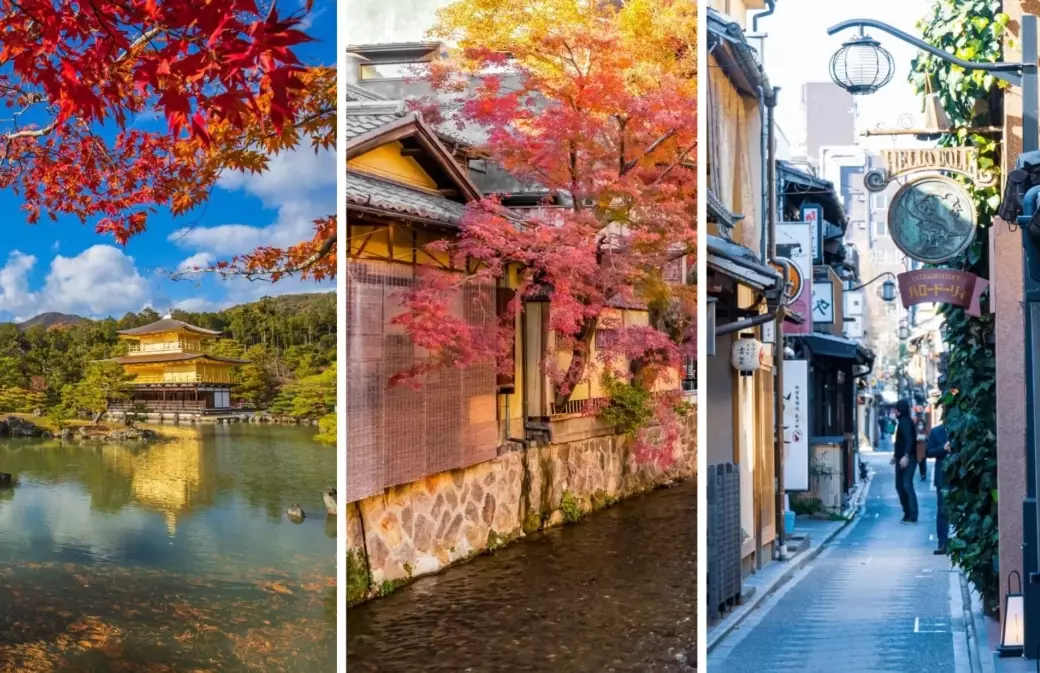
This isn't just a list of places. It's a paced, logical flow based on efficient travel routes and the natural progression of autumn colors, which typically start in the north and mountains around Hokkaido and Nikko in October, sweeping down to Kyoto and Tokyo by late November. We'll follow that wave.
Your 14-Day Autumn Adventure at a Glance
- Why Autumn is Japan's Best Kept Secret
- Days 1-3: Tokyo - Neon Lights & Urban Parks
- Days 4-5: Nikko - Mountains & Gold Leaf
- Days 6-9: Kyoto - Temples & Timeless Beauty
- Days 10-11: Osaka - Food & Castle Views
- Days 12-13: Hakone - Onsen & Fuji Views
- Day 14: Departure & Final Tips
- Japan Autumn Travel FAQ
Why Autumn is Japan's Best Kept Secret
Spring gets the hype, but autumn delivers. The koyo (autumn leaves) season is a national pastime. People plan weekend trips specifically to see the best foliage. The weather is ideal—daytime highs in the low 20s°C (70s°F) and cool nights. It's sweater weather, not coat-and-scarf freezing. You'll also find unique seasonal foods: sweet matsutake mushrooms in broth, chestnut desserts, and the year's new sake (shinshu) is released. Festivals like Kyoto's Jidai Matsuri (Festival of the Ages) on October 22nd add a cultural layer you might miss in other seasons.
Pro Tip from a Repeat Visitor: Everyone rushes to the famous temple gardens for foliage. They're stunning, but also packed. Some of my most peaceful koyo moments were in smaller, local parks or just wandering along the Kamo River in Kyoto. The colors are everywhere, not just at the paid attractions.
Days 1-3: Tokyo - Neon Lights & Urban Parks
Fly into Tokyo (Narita or Haneda). Fight the jet lag by hitting the ground walking.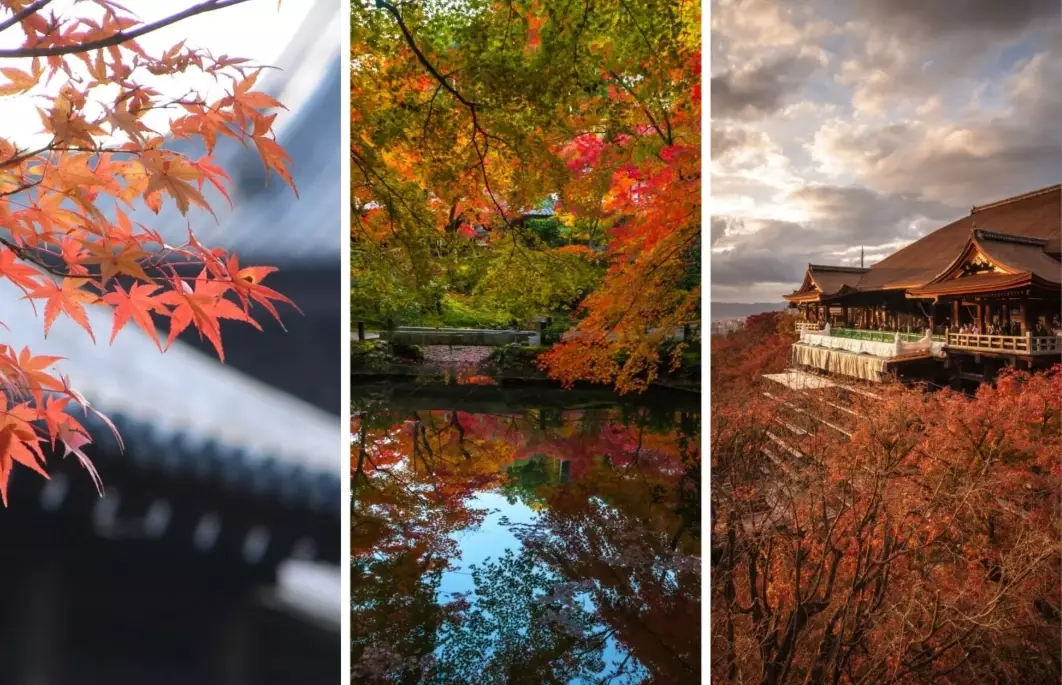
Day 1: Shinjuku & Shibuya Immersion
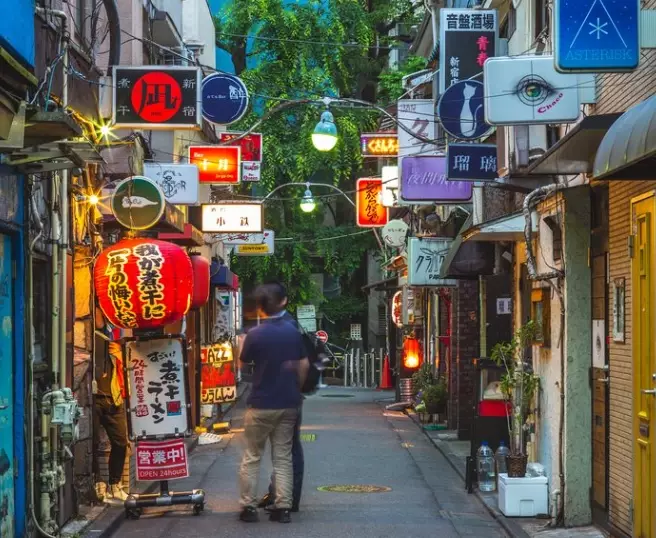
After settling into your hotel (I recommend the Shinjuku Washington Hotel for its direct connection to the main station, around ¥12,000/night), head out. Dive into the organized chaos of Shibuya Crossing. For a classic autumn view in the city, visit Shinjuku Gyoen National Garden. It costs ¥500 to enter, is open 9:00-16:30, and has a stunning mix of Japanese, French, and English gardens with maple trees that turn spectacular colors. For dinner, find a yakitori alley under the train tracks in Yurakucho. It's loud, smoky, and delicious.
Day 2: Asakusa Tradition & Ueno Art
Start at Senso-ji Temple in Asakusa (free, always open). The approach, Nakamise-dori, is packed with souvenir stalls. Then, walk to Ueno Park. This isn't just a park; it's a sprawling complex with several major museums and a zoo. The path around Shinobazu Pond is lined with ginkgo trees that turn a blinding gold in November. Pick one museum: The Tokyo National Museum (¥1,000, 9:30-17:00) is a safe bet for a deep dive into Japanese history.
Day 3: Harajuku Youth & Omotesando Style
Contrast is key. Wander down Takeshita Street in Harajuku for crepes and teen fashion. Then, walk down the elegant, tree-lined Omotesando boulevard, often compared to the Champs-Élysées. Your destination here is Meiji Jingu, a serene Shinto shrine dedicated to Emperor Meiji. The forest leading to it is a welcome, quiet escape. The inner garden (Gyoen) charges ¥500 and is famous for its irises, but in autumn it's a quiet, leafy retreat.
Days 4-5: Nikko - Mountains & Gold Leaf
Take the Tobu Railway line from Asakusa Station directly to Nikko (about 2 hours). This is your first major foliage stop. The mountains here color up in early to mid-October.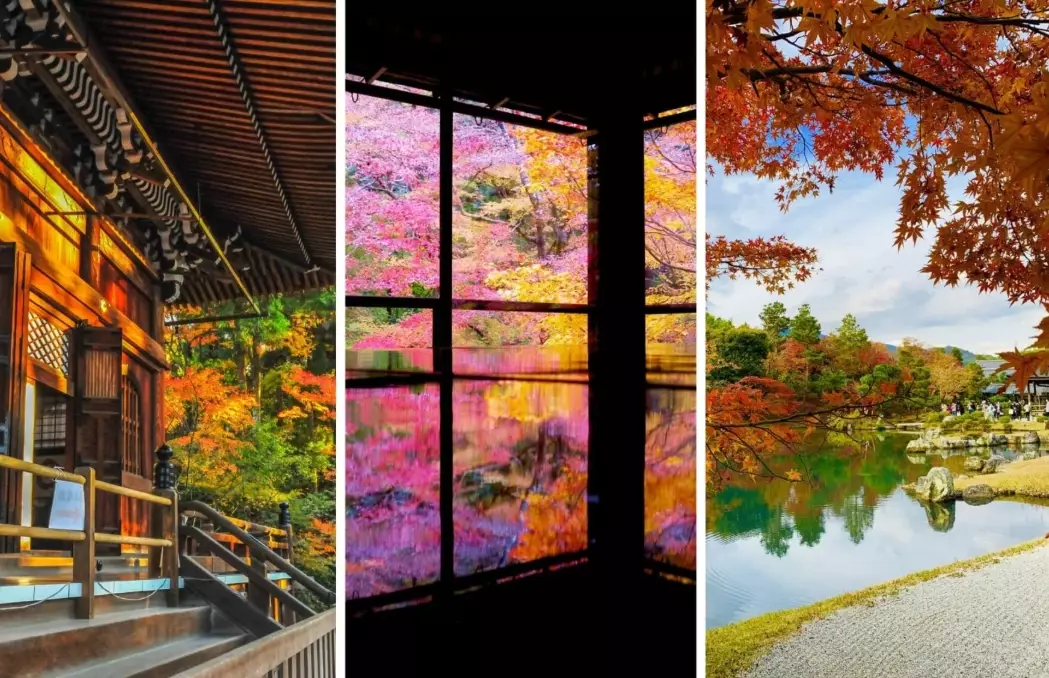
Stay at a traditional ryokan like Nikko Hoshino Yado for the full experience (with kaiseki dinner and breakfast, around ¥25,000 per person).
Day 4: World Heritage Splendor
Spend the day at the Toshogu Shrine complex (¥1,300 for the combo ticket). It's the lavish, gold-leaf-covered mausoleum of Tokugawa Ieyasu. Don't just see the famous "see no evil, speak no evil, hear no evil" monkeys. Hike up the 200-step path to his actual tomb—it's quieter and the view back down through the cedars is worth it. The autumn colors frame the ornate buildings perfectly. Later, see the red-lacquered Shinkyo Bridge (sacred bridge) from the viewing area (free from the road).
Day 5: Lake Chuzenji & Kegon Falls
Take the local bus up the winding Irohazaka road to Lake Chuzenji. The bus ride itself is a foliage tour. Visit the powerful Kegon Falls (¥570 for the elevator down to the observation platform). Walk along the lake shore. If you're feeling active, rent a bicycle. The air is significantly cooler up here, so layer up. Return to Tokyo in the evening.
Days 6-9: Kyoto - Temples & Timeless Beauty
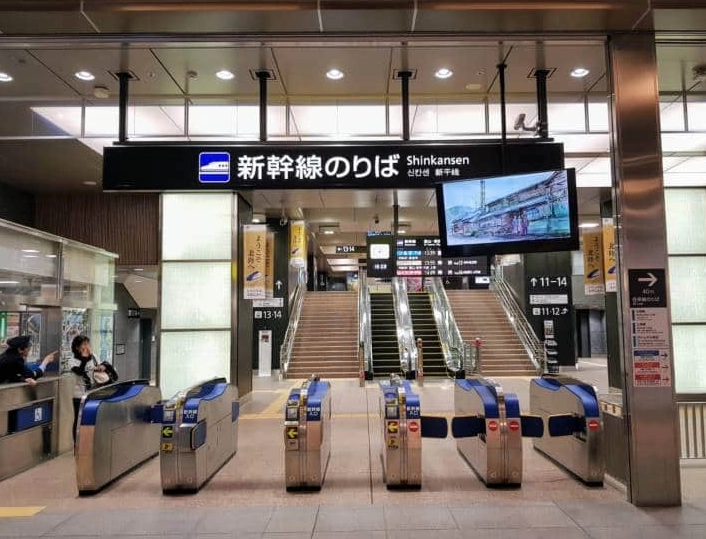
Take the Shinkansen (bullet train) from Tokyo Station to Kyoto Station (about 2.5 hours). Book your JR Pass for this leg if your trip is mostly on the main island. In Kyoto, stay in the Gion or Higashiyama districts to be close to the historic action. Hotel The Celestine Kyoto Gion is a great upscale option.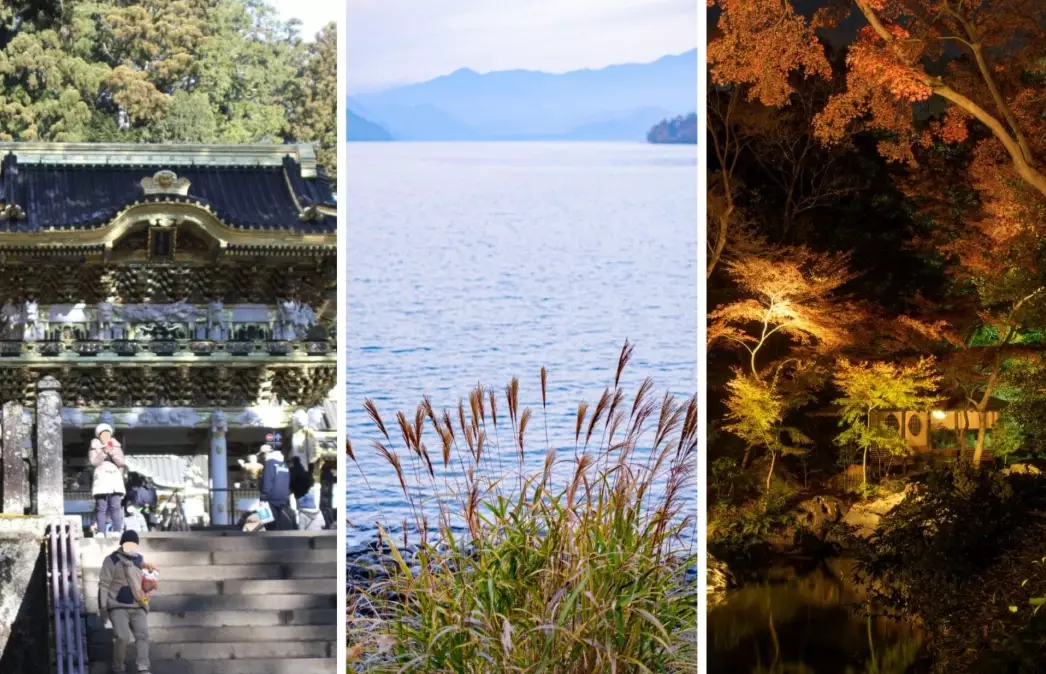
Kyoto in late November is the pinnacle of autumn. The city is famous for "momiji-gari" (autumn leaf hunting).
| Day | Focus Area | Key Spots & Autumn Highlights | Practical Note |
|---|---|---|---|
| Day 6 | Arashiyama | Tenryu-ji Temple (¥500) with its stunning garden backdrop. The Bamboo Grove (free). Hogon-in Temple (often less crowded). Togetsukyo Bridge views. | Go to the Bamboo Grove by 8 AM to avoid the crushing crowds. The earlier, the better. |
| Day 7 | Higashiyama | Kiyomizu-dera (¥400) for its iconic stage. The approach, Sannen-zaka & Ninen-zaka lanes. Kodai-ji Temple (¥600) has spectacular night illuminations (light-up) in autumn. | Wear good walking shoes. It's all hills and stone steps. The night illuminations are worth the extra trip. |
| Day 8 | Philosopher's Path & Northern Kyoto | Walk the Philosopher's Path (Tetsugaku-no-michi) from Ginkaku-ji (Silver Pavilion, ¥500) to Nanzen-ji (¥500). Visit Eikan-do Temple (¥1,000), arguably Kyoto's #1 autumn foliage spot. | Eikan-do is extremely popular. Visit on a weekday if possible, or right at opening time. |
| Day 9 | Fushimi & Day Trip to Nara | Morning at Fushimi Inari Taisha (free, 24/7). Hike part way up the mountain of 10,000 red torii gates. Then, train to Nara (30 min). Feed the deer in Nara Park, see Todai-ji Temple (¥600) and its giant Buddha. | For Fushimi Inari, go beyond the first crowded section. It gets much quieter just 15 minutes up the trail. |
Days 10-11: Osaka - Food & Castle Views
A short 30-minute train ride from Kyoto. Swap temples for street food and modern energy. Base yourself near Namba station. The Cross Hotel Osaka is right in the heart of Dotonbori.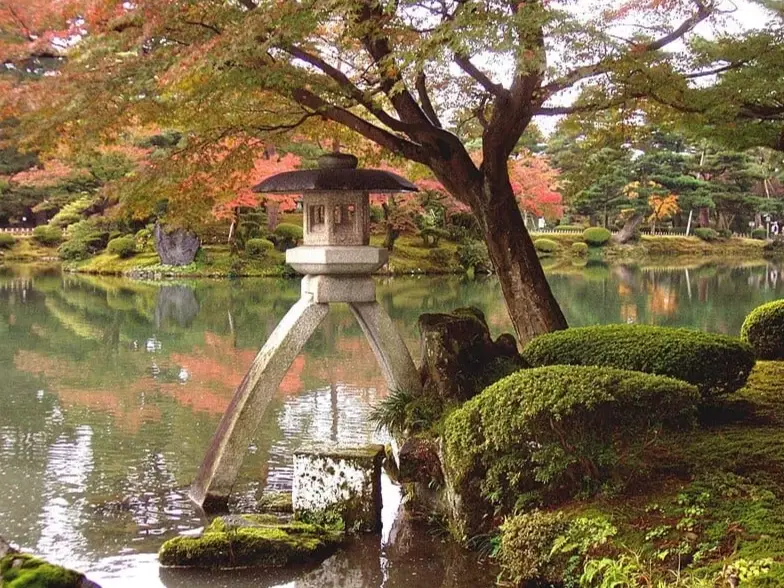
Day 10: Street Food & Neon Nights
Drop your bags and head straight to Dotonbori. This is Japan's kitchen. Must-tries: Takoyaki (octopus balls) from "Kukuru", Okonomiyaki (savory pancake) at "Mizuno", and Ramen from one of the countless shops. Just follow the lines of locals. See the iconic Glico Running Man sign. In the afternoon, shop in Shinsaibashi-suji covered arcade.
Day 11: Osaka Castle & Umeda Views
Visit Osaka Castle (¥600 for the museum inside, grounds are free). The castle tower is a modern reconstruction, but the museum inside is excellent. The Nishinomaru Garden at the castle's base (¥200) is a prime koyo spot with over 300 maple trees. Later, go to the Umeda Sky Building (¥1,500) for a breathtaking 360-degree view of the city from its Floating Garden Observatory.
Days 12-13: Hakone - Onsen & Fuji Views
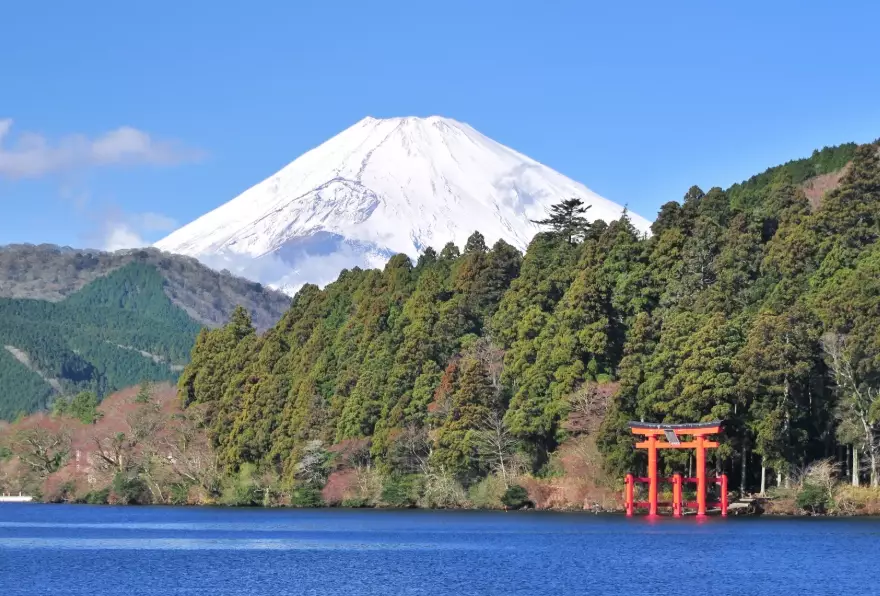
From Osaka, take the Shinkansen back towards Tokyo, getting off at Odawara Station (about 2.5 hours). Switch to the local Hakone Tozan line. This is your relaxation and Mt. Fuji viewing leg. Stay at a ryokan with a private onsen. Gora Kadan is the ultimate splurge, but Hakone Ginyu also offers incredible views.
Day 12: The Hakone Loop
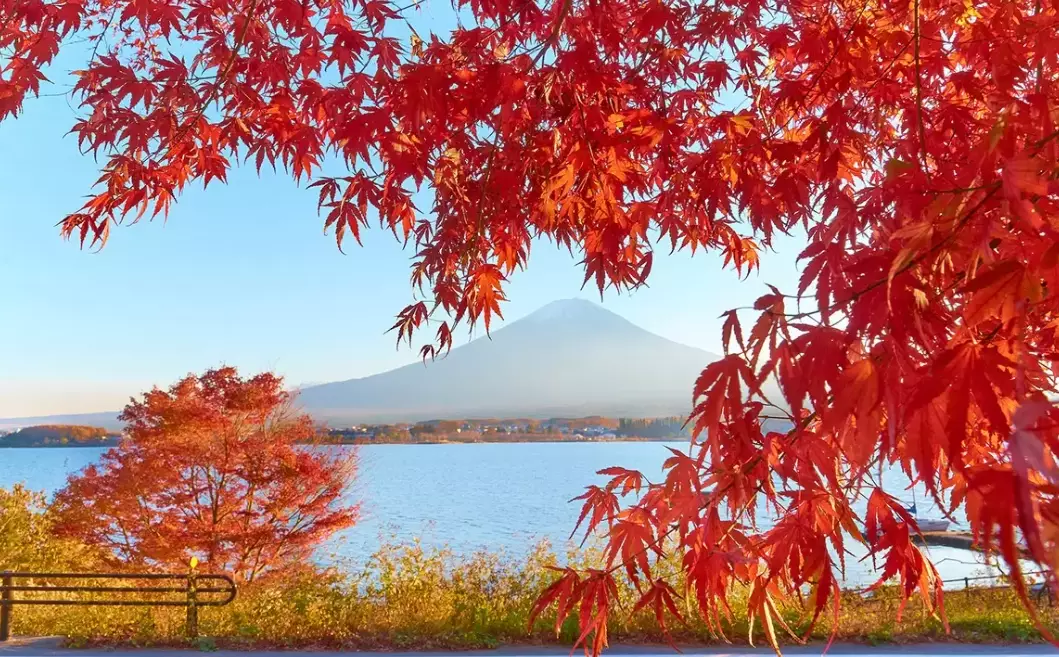
Buy the Hakone Free Pass. It covers almost all transport. Do the classic loop: Train to Gora, cable car to Sounzan, then the Hakone Ropeway over the volcanic valley of Owakudani (smell the sulfur, try a black egg). Hopefully, you'll get a clear view of Mt. Fuji from here. Take a pirate ship across Lake Ashi to Moto-Hakone, then a bus back. The lake scenery with autumn colors is stunning.
Day 13: Open Air Museum & Onsen Soak
Visit the Hakone Open-Air Museum (¥1,600). It's a fantastic blend of modern sculpture set against mountain scenery. The Picasso Pavilion is a highlight. Spend the rest of the day enjoying your ryokan. Soak in the hot spring, wear the yukata robe, and savor a multi-course kaiseki dinner. This is the perfect way to unwind before your flight home.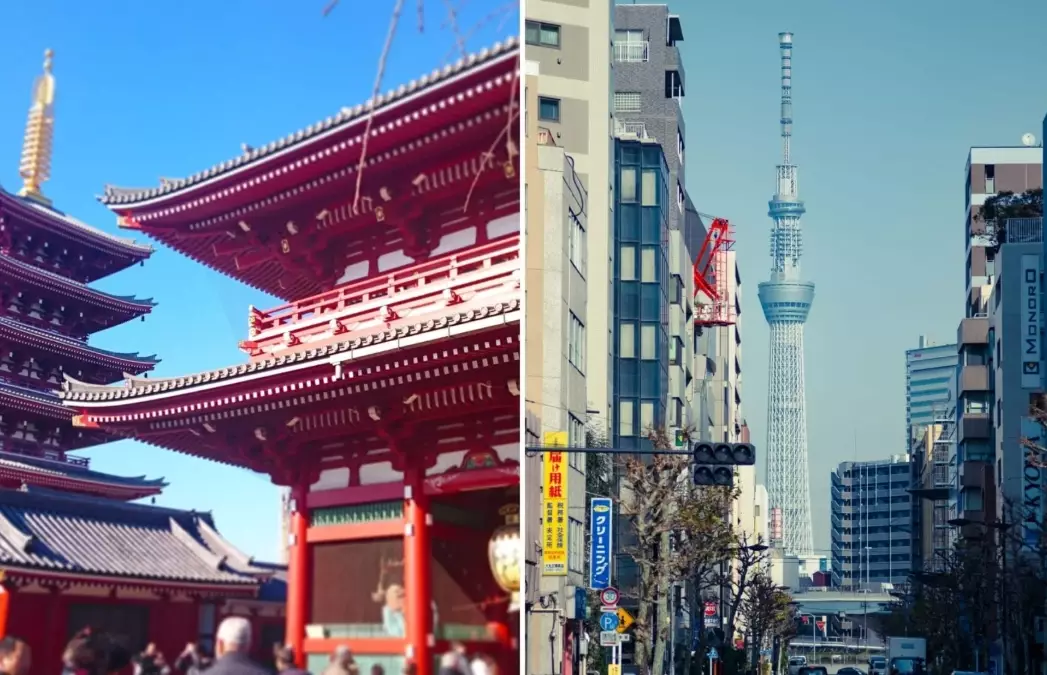
Day 14: Departure & Final Tips
From Hakone, it's an easy 90-minute direct bus ride to Narita Airport, or you can take the train back to Tokyo. Give yourself plenty of time.
Before You Go Essentials:
- JR Pass: For this Tokyo-Kyoto-Osaka-Hakone itinerary, a 7-day JR Pass activated on Day 4 (for the trip to Nikko and then to Kyoto) usually pays off. Calculate using the official JR Pass calculator or a site like Japan Guide.
- Pocket WiFi/SIM Card: Non-negotiable for navigation and translations. Rent one online for pickup at the airport.
- Cash: Despite advances, many small restaurants, temples, and markets are cash-only. Withdraw from 7-Eleven ATMs (they have the best rates).
- Booking Temples/Restaurants: For famous places like Gion district tea houses or high-end sushi bars, book months in advance.
Japan Autumn Travel FAQ
 My budget is tight. Can I still do this 14 day Japan autumn trip?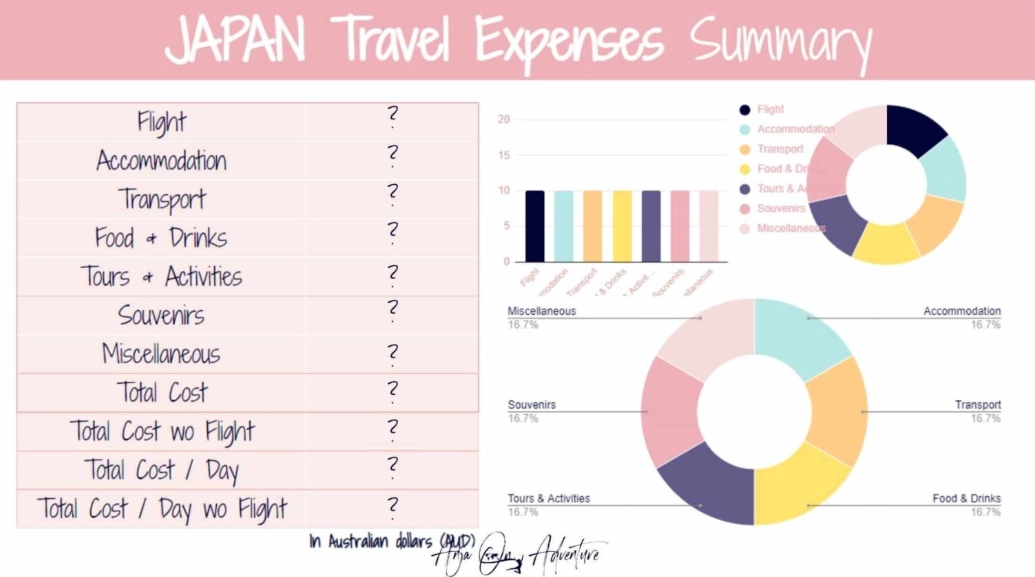
Share Your Thoughts