In This Guide
Let's talk about Japan. You've probably seen the pictures – streets packed with people, towering floats, deafening drums, and food stalls lining every corner. That's the world of Japanese festivals, or matsuri as they're called locally. It's not just a show; it's the heart of the community beating out loud for everyone to see and feel.
I remember my first one. It was a small local festival, nothing you'd find in a guidebook. The smell of yakitori grilling mixed with the sound of children laughing and the rhythmic clapping from the shrine. It was chaotic, warm, and utterly captivating. That's when I got it. These popular Japanese festivals are where the country's soul comes out to play.
This guide isn't just a list. We're going to walk through the biggest, most spectacular events that define the Japanese calendar. We'll look at what makes them tick, when to catch them, and how to actually enjoy them without getting completely lost in the crowd (though getting a little lost is part of the fun).
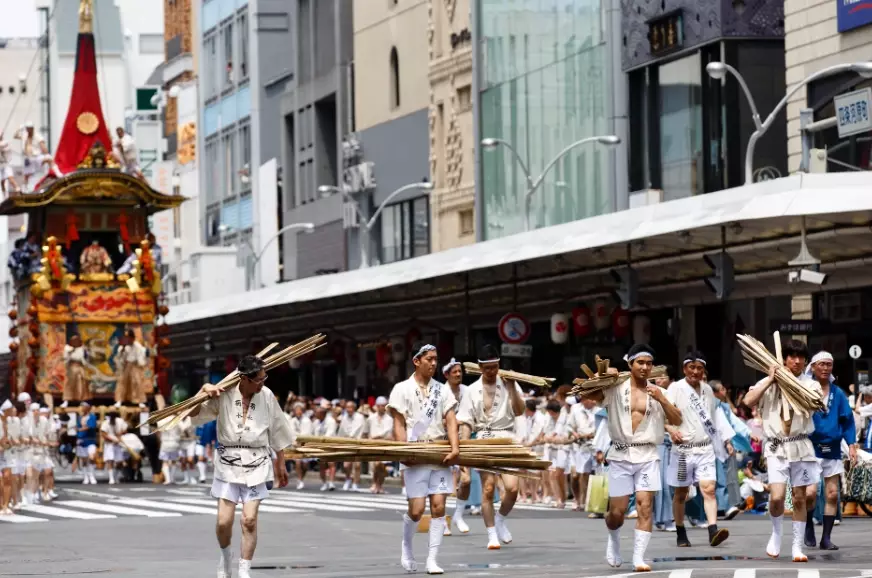
The Heavy Hitters: Japan's Must-See Festival Calendar
If you're planning a trip around these events, you need to know the main players. The timing is everything. Japan's festival year has a rhythm, often syncing with the seasons, historical events, and the agricultural calendar.
Here’s the thing – calling something a "popular Japanese festival" can mean a few things. It might be famous with international tourists, it might be deeply significant nationally, or it might just be a massive, incredibly fun local party that everyone in the country knows about. The best ones are often a mix of all three.
| Festival Name | Location | Main Time of Year | What's It Known For? | Atmosphere & Vibe |
|---|---|---|---|---|
| Sapporo Snow Festival | Sapporo, Hokkaido | Early February (1 week) | Massive, intricate snow and ice sculptures | Winter wonderland, family-friendly, cold but festive |
| Gion Matsuri | Kyoto | Throughout July (peak on 17th & 24th) | One of Japan's most famous, historic float processions (Yamaboko Junko) | Elegant, historical, extremely crowded, majestic |
| Tenjin Matsuri | Osaka | July 24-25 | One of Japan's top three festivals, spectacular river procession with boats and fireworks | Energetic, fiery, aquatic celebration |
| Awa Odori | Tokushima, Shikoku | August 12-15 | Japan's largest dance festival, with thousands of dancers parading through the streets | Incredibly lively, participatory, infectious music and dance |
| Nebuta Matsuri | Aomori City | August 2-7 | Giant illuminated paper lantern floats depicting warriors and gods | Mystical, dramatic, night-time spectacle |
| Kanda Matsuri | Tokyo | Mid-May (odd-numbered years) | One of Tokyo's Big Three festivals, portable shrine (mikoshi) parades through central districts | Boisterous, urban, community-powered |
That table gives you a snapshot, but let's get into the details of a few that truly define the category of popular festivals in Japan.
Gion Matsuri: Kyoto's Month-Long Summer Spectacle
This is the big one. Often cited as one of the most popular Japanese festivals period. Its history goes back over a thousand years, starting as a ritual to appease the gods during an epidemic. Today, it transforms central Kyoto for the entire month of July.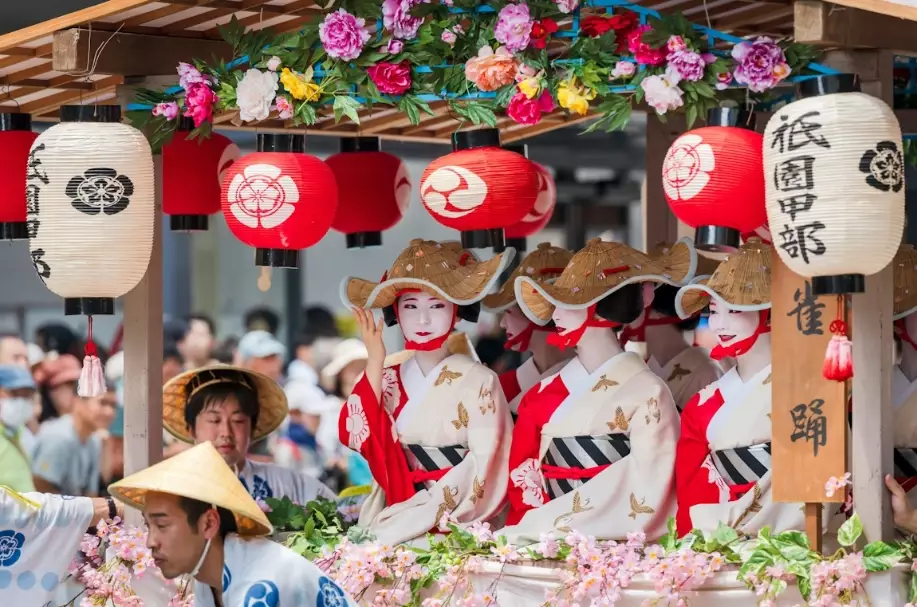
The main events are the two grand processions (Yamaboko Junko) on July 17 and 24. These involve enormous, ornate floats – some weighing tons and towering over the streets. The Yama (mountain) floats and Hoko (halberd) floats are like moving museums, decorated with priceless tapestries from across the globe (a testament to Kyoto's historical trade).
The nights before the processions are called Yoiyama. The float districts open up, the floats are lit by lanterns, and the streets become pedestrian paradises filled with food stalls selling everything from grilled corn (yaki-tomorokoshi) to traditional sweets. It's more relaxed than the day processions and has a magical, lantern-lit atmosphere.
What many miss is the deep community aspect. Each float is managed by a specific neighborhood (cho), and their pride is palpable. This isn't a show put on for tourists; it's a sacred duty and a point of honor. The official Kyoto City website provides reliable schedules and maps, which are essential for planning.
Awa Odori: Where Everyone Becomes a Dancer
Now for something completely different. If Gion Matsuri is about watching in awe, Awa Odori in Tokushima is about jumping in. The mantra of the festival is "Fools dance, and fools watch. If both are fools, you might as well dance." They're not wrong.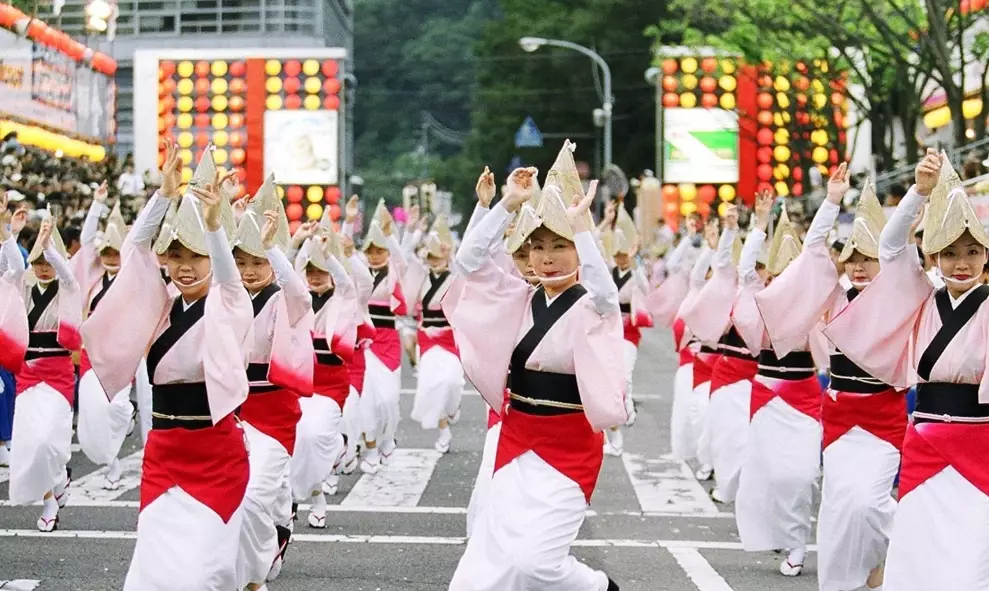
Held during the Obon season in mid-August, it's Japan's largest dance festival. Thousands of coordinated dancers (ren) parade through the streets in a distinctive, rhythmic step, accompanied by the simple, hypnotic music of the shamisen (three-stringed instrument), taiko drums, fue (flute), and the kane (bell). The women's dance is graceful and poised, while the men's is more energetic and comical, often performed in a low, bouncing squat.
The energy is contagious.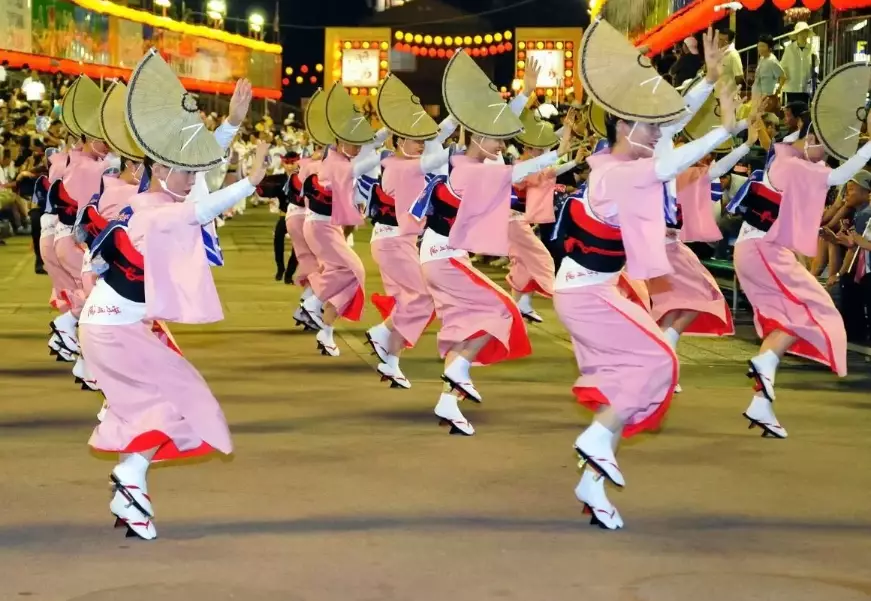
What I love about Awa Odori is its accessibility. There are designated "spectator" areas, but you'll also see spontaneous dance circles forming everywhere. Tourists are often pulled in to try the steps. The whole city vibrates with the sound of music and clapping hands for four straight days and nights. The Tokushima Prefecture tourism site has great guides on the best viewing spots and even how to join a beginner's dance workshop.
Sapporo Snow Festival: Winter's Frozen Art Gallery
Switching seasons completely, the Sapporo Snow Festival (Yuki Matsuri) proves that popular Japanese festivals aren't just a summer thing. For one week in February, Odori Park, Susukino, and Tsudome sites are taken over by hundreds of snow statues and ice sculptures.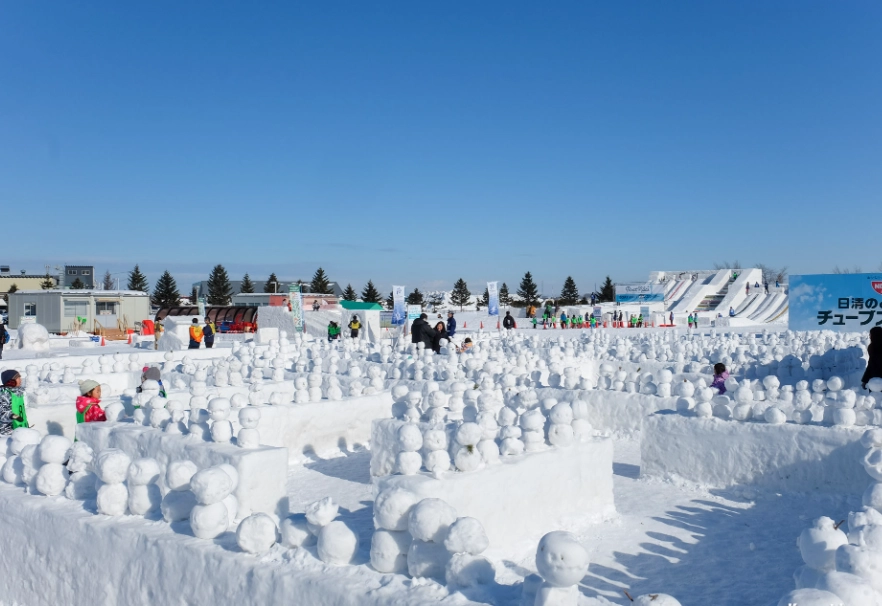
We're not talking about snowmen. These are detailed, building-sized recreations of famous world landmarks, scenes from anime and manga, and intricate statues. Teams from Japan's Self-Defense Forces are actually brought in to help build the largest ones – it's a serious engineering feat.
The main Odori site is the star, with the giant sculptures lit up beautifully at night. Susukino focuses on crystal-clear ice sculptures, often with a competitive edge. Tsudome is the family zone, with giant snow slides and play areas.
It's a different kind of matsuri – quieter, more contemplative in places, but no less impressive. It celebrates the beauty of the harsh Hokkaido winter rather than trying to chase it away. Check the official Snow Festival website for the annual theme and construction progress, which is fascinating to follow.
More Than Just a Party: The Culture Behind the Festivals
Okay, so we've seen some big names. But if you just show up, snap pictures of the floats, eat some takoyaki, and leave, you're missing the point. The real magic is in understanding the "why."
Most of these popular festivals in Japan have roots in Shinto, the indigenous spirituality of Japan. They're often connected to a specific shrine, and their purposes generally fall into a few categories:
- Prayer (Kigan): Asking the gods (kami) for a good harvest, health, or prosperity. Many spring festivals fall here.
- Thanksgiving (Kansha): Showing gratitude for a good harvest or other blessings. Autumn festivals are big on this.
- Exorcism/Purification (Oharai): Driving away evil spirits, disease, or bad luck. This often involves fire, loud noises (drums), or moving a sacred object through the streets to cleanse the area. You see this a lot in summer festivals.
- Commemoration: Honoring a historical event or a patron deity.
The central object in many festivals is the mikoshi, the portable shrine. It's believed to temporarily house the shrine's deity during the parade. When you see people (often in loincloths, or fundoshi) carrying this heavy, ornate palanquin, rocking it violently and shouting "Wasshoi! Wasshoi!", they're not just showing off strength. They're shaking the kami to awaken it and spread its power throughout the neighborhood. It's a sacred act of community purification and bonding.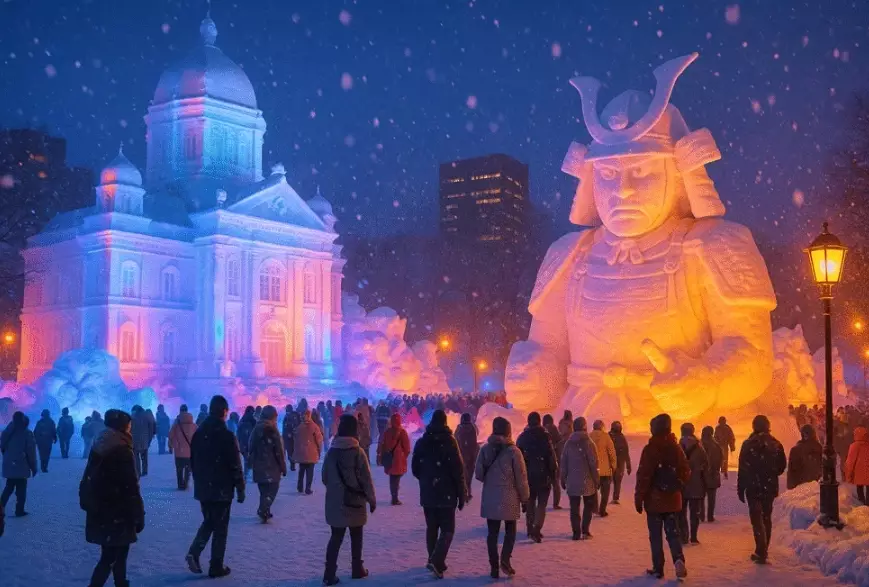
Planning Your Festival Trip: The Nitty-Gritty
Let's get practical. Wanting to experience these popular Japanese festivals is one thing. Actually doing it without a major headache is another.
When to Go (It's Not Just About the Date)
Japan's festival seasons are peaks within peak travel seasons. Summer (July-August) is packed with major events but also comes with intense heat, humidity, and higher domestic travel costs. Spring (March-April) has beautiful cherry blossom-related festivals but also the highest international tourist numbers. Autumn and Winter festivals offer different atmospheres and slightly smaller crowds (except for Sapporo, which is a huge draw).
My advice? Don't just chase the most famous name. Consider the weather you can tolerate and the type of experience you want. A summer festival is a sweaty, vibrant, night-friendly affair. A winter one is a crisp, visual spectacle.
Crowds, Accommodation, and Getting Around
This is the biggest challenge. For major festivals like Gion or Awa Odori:
- Book accommodation EARLY. I'm talking 6 months to a year in advance for the best locations and prices. Hotels in central Kyoto for July get booked up incredibly fast.
- Trains will be packed. Local buses near festival sites may be rerouted. Embrace walking as your primary transport for the day.
- Cash is king at festival food stalls (yatai). Bring plenty of small bills and coins.
- Public restrooms near festival grounds will have long lines. Use facilities in train stations or department stores before heading into the thick of it.
What to Wear and Bring
Comfort is non-negotiable.
- Footwear: Comfortable, closed-toe shoes you can stand and walk in for hours. No sandals or new shoes.
- Clothing: Light, breathable layers in summer. A hat and sunglasses. In cooler months, warm layers. Rain gear (a compact umbrella or poncho) is always a good idea.
- Essentials: A small bag with cash, hand sanitizer, tissues (restrooms often run out), a portable phone charger, and a refillable water bottle. A small towel (tenugui) is incredibly useful for wiping sweat or as a head cover.
Your Festival FAQs Answered
Your Festival FAQs Answered
That's tricky because "popular" can mean different things. For historical significance and fame, Gion Matsuri in Kyoto is often at the top. For sheer scale of participation (dancers and viewers), Awa Odori is massive. For unique visual spectacle, Sapporo Snow Festival is world-renowned. It depends on your definition!
Yes and no. They are wonderful cultural experiences for children. However, the massive crowds can be overwhelming, scary, and even dangerous for little ones (risk of getting separated). The heat at summer festivals is also a concern. If bringing kids, choose your spot carefully (perhaps towards the back of a crowd), use a child harness if they're small, go during the daytime for less intense events, and have a clear meeting point plan. Festivals with clear viewing areas or more space (like some parts of the Snow Festival) are better bets.
For most of the huge, famous festivals, participation in the core events (carrying floats, being in the main dance troupe) is restricted to community members who have trained for it. However, audience participation is often encouraged in other ways! At Awa Odori, there are often areas where visitors can learn the steps and join in. At many local festivals, you might be invited to help pull a cart or join the crowd pushing a mikoshi. Always ask politely and follow the lead of the locals. Never touch a float or sacred object without explicit permission.
It's a highlight! Festival food stalls (yatai) are a culinary adventure. You'll find classics like takoyaki (octopus balls), yakisoba (fried noodles), yakitori (grilled chicken skewers), okonomiyaki (savory pancakes), taiyaki (fish-shaped cakes with filling), candied fruit, and grilled corn. It's casual, it's delicious, and it's part of the experience. Bring cash and an appetite.
The highest concentration of major, famous festivals is in summer (July-August), especially around the Obon holiday in mid-August. This includes Gion, Tenjin, Awa Odori, Nebuta, and countless local Obon festivals. However, this is also the hottest, most crowded, and most expensive time for domestic travel. If you prefer milder weather, consider the spring (cherry blossom festivals) or autumn (harvest festivals) for a different but equally beautiful set of events. The Japan National Tourism Organization website has a fantastic seasonal events calendar to help you plan.
Beyond the Big Names: Discovering Your Own Favorite
The festivals we've talked about are the headliners. But Japan has tens of thousands of local matsuri. Part of the joy is stumbling upon one.
Maybe it's a small fishing village launching lantern-lit boats into the sea. Maybe it's a mountain town carrying a sacred tree down a slope. The spirit is the same – community, tradition, and a shared moment of celebration.
So, what's the takeaway?
Experiencing these popular Japanese festivals is about more than checking a box. It's about feeling the rhythm of Japan's cultural heart. It's loud, it's crowded, it can be chaotic, but it's utterly alive. Do your homework on the big ones, but leave room for the unexpected. Pack your patience, wear good shoes, and be ready to eat, cheer, and maybe even dance a little.
That's where the real memory is made. Not just in seeing the spectacle, but in feeling the collective pulse of a neighborhood, a city, or even an entire prefecture coming together to celebrate something older than anyone present. That connection, that sheer energy, is what keeps people coming back to these popular festivals in Japan year after year.
Share Your Thoughts