I remember my first time trying pottery in Japan. It was in a small, dusty studio in the backstreets of Kyoto, and my bowl looked more like a sad pancake than anything you'd eat from. The master just smiled, said "good feeling," and showed me how to find the center again. That moment—the clay spinning, the quiet focus, the complete lack of pressure to be perfect—is what these workshops are really about. It's not just an activity; it's a direct line into a centuries-old cultural mindset. If you're thinking about booking a pottery experience in Japan, you're in for more than just a souvenir. Here’s everything I wish I knew before I started, based on years of trying (and often failing beautifully) at wheels across the country.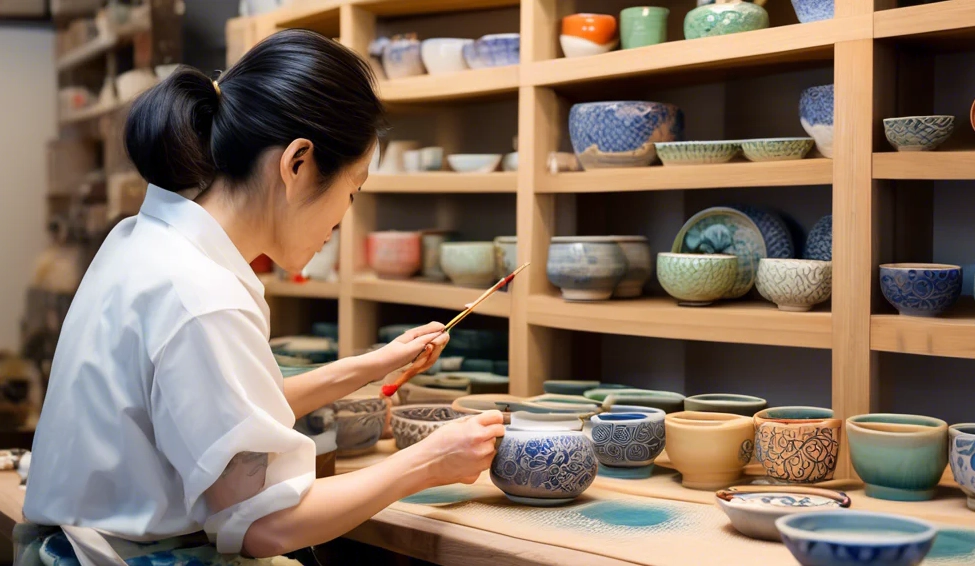
What’s Inside This Guide
- Why a Pottery Experience is a Must-Do in Japan
- Wheel-Throwing vs. Hand-Building: Which is Right for You?
- Where to Go: Japan's Famous Pottery Towns & Studios
- How to Choose the Right Pottery Experience for You
- The Nuts and Bolts: Booking, Cost, and What to Wear
- Your Pottery Workshop Questions, Answered
Why a Pottery Experience is a Must-Do in Japan
You can buy pottery anywhere. So why get messy in Japan? It boils down to context and authenticity. In places like Seto (one of Japan's ancient Six Old Kilns) or Bizen, you're not just molding clay; you're touching earth that local artisans have used for over a thousand years. The minerals, the texture, the very color of the clay is tied to that specific place. A workshop here connects you to the terroir of ceramics in a way a city class can't.
Then there's the teaching style. Western classes often focus heavily on technique from minute one. In many Japanese workshops I've attended, the initial focus is on "feeling the clay" and finding your rhythm. It's less about rigid instruction and more about guided discovery. This can be frustrating if you want quick, perfect results, but it's incredibly liberating if you embrace the process. You learn to appreciate wabi-sabi—the beauty of imperfection—on a personal level when your lopsided cup comes out of the kiln.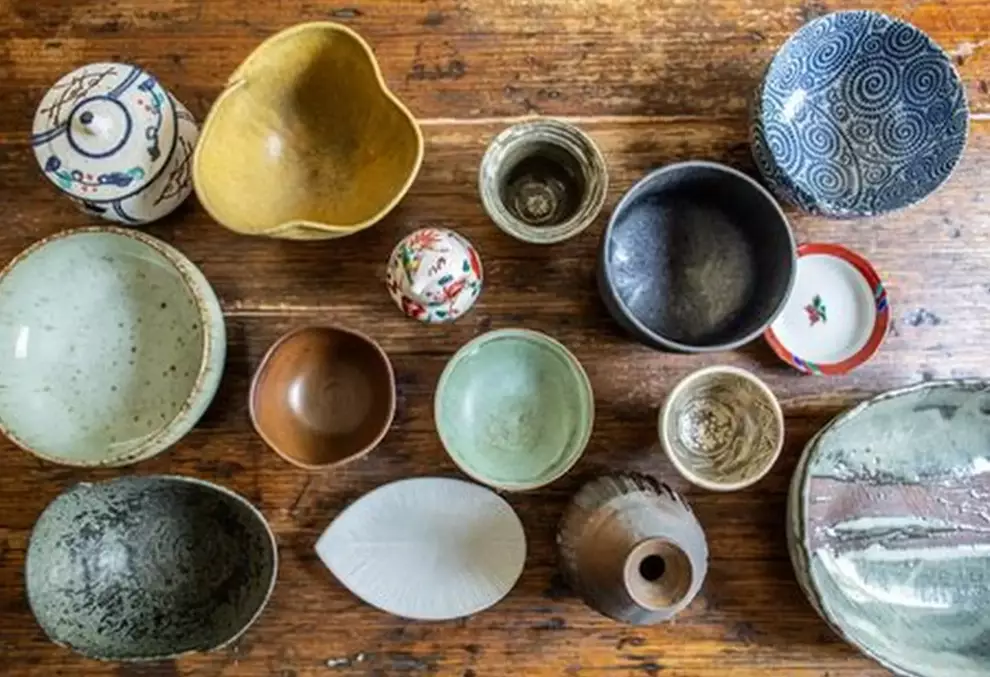
Pro Tip: Don't chase the "most famous" studio. Sometimes, the smaller, family-run workshops in a pottery town offer a more intimate and patient experience. The teacher has more time for you, and you might get a glimpse into their daily life.
Wheel-Throwing vs. Hand-Building: Which is Right for You?
Most workshops offer two main paths. Choosing the right one makes all the difference.
The Potter's Wheel (Rokuro)
This is the classic image: sitting at a spinning wheel, centering the clay, pulling up walls. It's meditative but has a steep initial learning curve. Your first few attempts will likely collapse. If you enjoy a physical challenge and the thrill of a spinning wheel, go for it. Most 60-90 minute beginner sessions are designed to get you to create 1-2 simple items like a cup or small bowl.
A common mistake? Trying to make something too tall or thin on your first try. Start with a wide, low shape. It's more stable.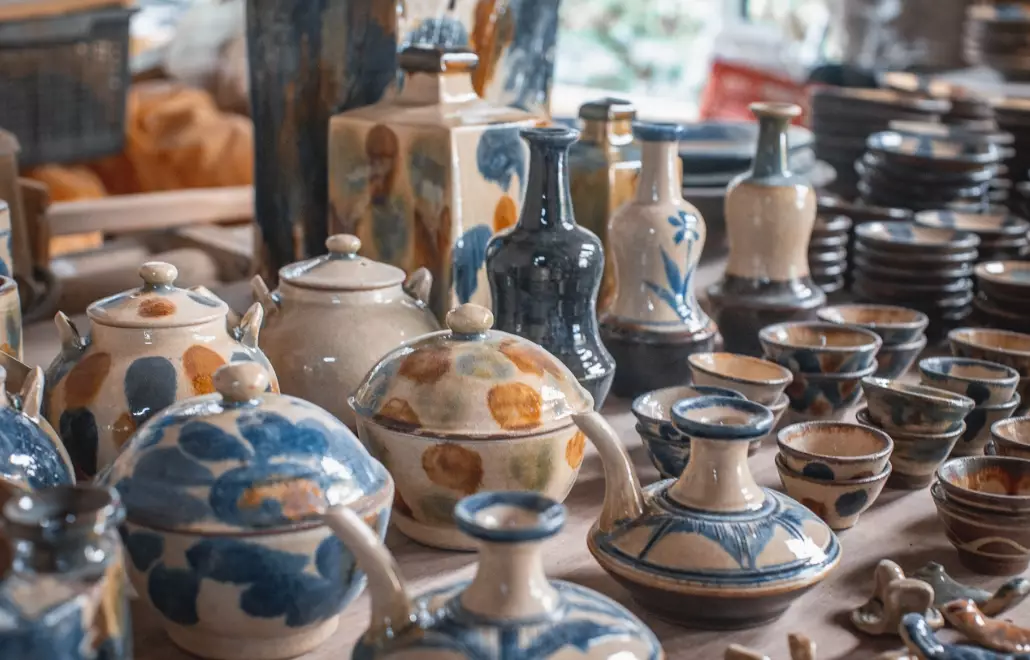
Hand-Building (Te-zukuri)
This includes techniques like pinching, coiling, or using molds. It's slower, more controlled, and accessible to everyone—kids, seniors, and anyone wary of the wheel's speed. You have more time to think and sculpt details. You might make a plate, a sake set, or a decorative tile. I often recommend this for families or first-timers who want a guaranteed, stress-free result they'll be happy with.
Where to Go: Japan's Famous Pottery Towns & Studios
Location shapes the experience. Here’s a breakdown of the major hubs.
| Town/Region | Famous For | Experience Vibe | Sample Studio & Details |
|---|---|---|---|
| Kyoto (Kiyomizu-yaki) | Elegant, often painted ceramics. Close to major tourist sites. | Convenient, urban, often shorter workshops (60-90 mins). Great for a quick cultural dip. | Kiyomizu Pottery Studio (清水焼体験工房): Near Kiyomizu-dera. Offers wheel and painting. ~¥2,500-4,000 per item. Often requires booking a few days ahead. Address: 1-294 Kiyomizu, Higashiyama-ku, Kyoto. |
| Seto, Aichi Prefecture | One of Japan's oldest pottery centers (Seto-yaki). Robust, everyday ware. | Authentic, historical, less touristy. Studios are often part of working kilns. | Seto-gura: A complex with multiple studios and kilns. Walk-in options sometimes available. Wheel experience ~¥2,200. Open 9:00-17:00. Address: 1-1 Kurashocho, Seto, Aichi. |
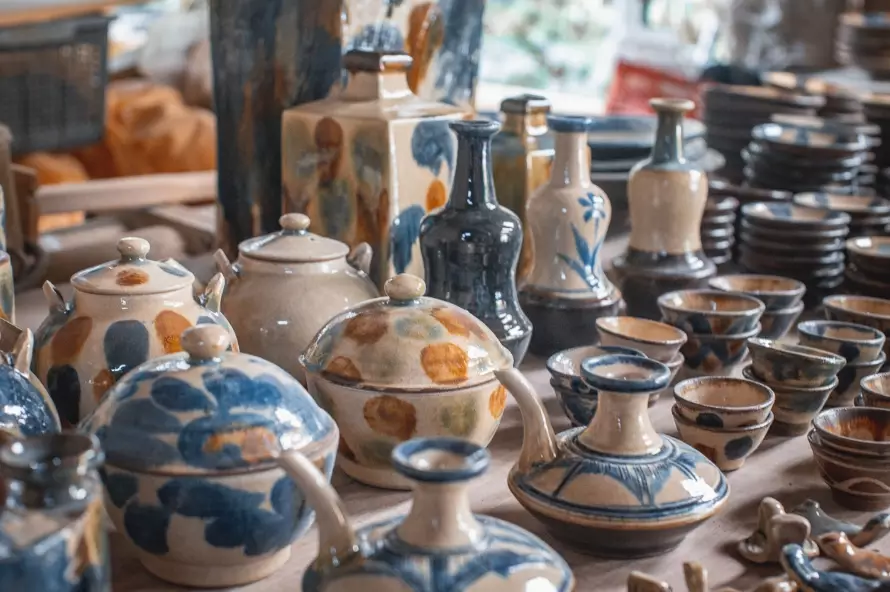
| Bizen, Okayama Prefecture | Bizen-yaki. No glaze, fired for days in pine wood ash. Rustic, earthy, unpredictable colors. | Deeply traditional, almost spiritual. Experiences focus on hand-building due to the clay's nature. | Bizen Pottery Center (備前焼伝統産業会館): Offers hand-building classes where you shape a piece that is later fired in a traditional kiln. ~¥3,300. Requires advance reservation. Address: 1659-5 Bizen, Bizen City. |
| Okinawa (Tsuboya-yaki) | Vibrant, often with shisa lion-dog figures and tropical motifs. | Relaxed, colorful, distinct from mainland styles. Great for making decorative items. | Tsuboya Pottery Street: Several small studios along the street offer walk-in painting experiences where you decorate pre-made bisque ware. From ~¥1,500. More flexible scheduling. |
Don't overlook smaller towns like Mashiko (in Tochigi, famous for mingei folk pottery) or Hagi (in Yamaguchi). They offer a slower pace and are usually less crowded.
How to Choose the Right Pottery Experience for You
With so many options, here’s a simple filter for your decision.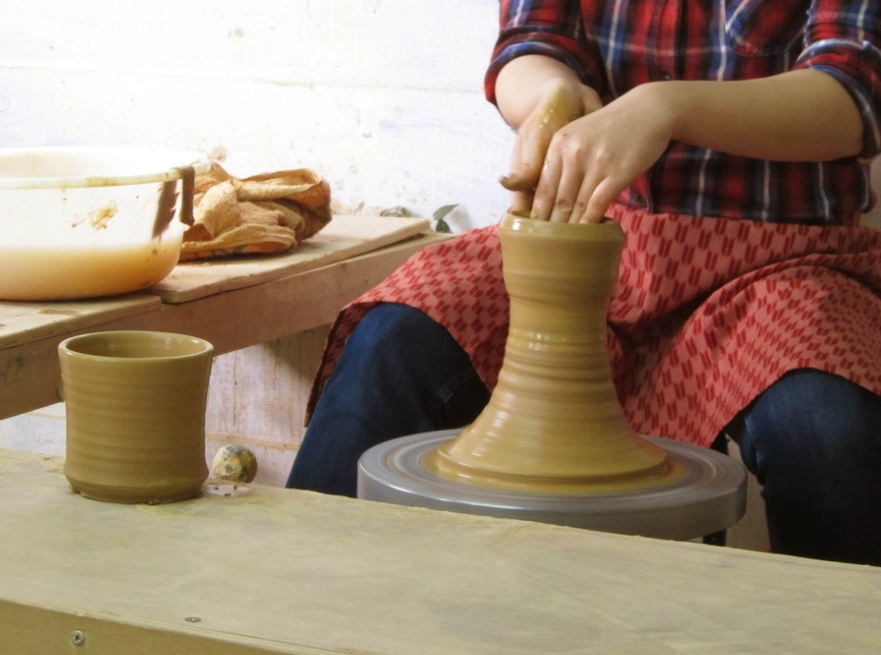
For absolute beginners or families with young kids: Look for a hand-building or painting workshop. The success rate is high, it's less messy, and there's no intimidating equipment. A 60-minute painting session in Kyoto or Okinawa is perfect.
For those seeking a deep cultural immersion: Plan a day trip to a pottery town like Seto or Mashiko. Combine a 2-hour wheel-throwing workshop with visits to local kilns (gama) and galleries. You'll understand the full story.
For the time-pressed traveler: Book a short wheel-throwing session in Tokyo (areas like Kappabashi) or Kyoto. Just manage your expectations—you'll get a fun intro, not master a craft.
My personal rule: I always check if the price includes shipping. If you make something, it needs to be fired, which takes weeks. Paying an extra ¥2,000-¥4,000 to have it shipped internationally is standard and worth it. Carrying unfired greenware in your suitcase is a disaster waiting to happen.
The Nuts and Bolts: Booking, Cost, and What to Wear
Let's get practical. A typical 90-minute wheel-throwing class costs between ¥2,500 and ¥5,000 per person. This usually includes materials, instruction, firing, and basic glazing (you often choose from a few standard colors). Shipping is almost always extra.
Booking: For popular studios in Kyoto or specific masters, book at least 2-4 weeks in advance, especially during peak seasons (cherry blossom, autumn leaves). Many use simple booking platforms like Veltra or Airbnb Experiences. For smaller town studios, a phone call (maybe with hotel concierge help) or email a week ahead often works.
What to wear: Clothes you don't mind getting dirty. Clay washes out, but it's mud. Short your fingernails. Long nails make working on the wheel nearly impossible and are often a safety concern for the instructor. Remove rings and watches. Studios will provide aprons.
The session flow is simple: intro, demonstration, your hands-on time, cleaning up, and then choosing your glaze color. You won't take your piece home that day. Firing takes 4-8 weeks. The studio will ship it to your home address abroad.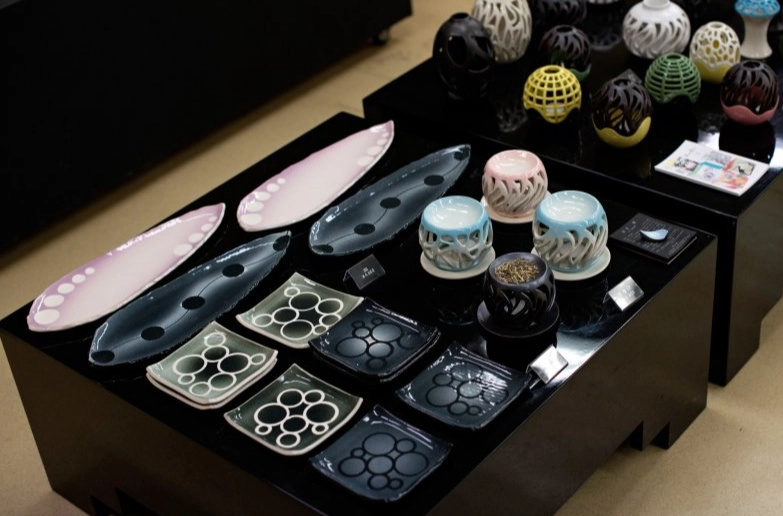
Your Pottery Workshop Questions, Answered
I'm traveling with a 6-year-old. Can they join a pottery class?
Many studios welcome children, but age limits vary. Hand-building or painting classes are ideal. For wheel-throwing, some studios have a minimum age of 10-13 due to the required hand strength and coordination. Always email ahead to ask. Some places offer parent-child tandem wheels. The key is to frame it as playful, not a lesson.
How long does it really take to get my finished piece shipped overseas?
This is the biggest logistical point. The workshop is just the start. After you shape your piece, it must dry for a week or two, then be bisque-fired, then glazed, then fired again. The whole process typically takes 4 to 8 weeks. Only then will it be packaged and shipped. International shipping adds another 1-3 weeks. So, expect a 2-3 month wait. It's a lovely surprise waiting for you back home, long after the trip.
 I'm left-handed. Will that be a problem on the wheel?
Not at all. The pottery wheel spins in one direction, but the hand techniques are mirrored. A good instructor can easily guide you. Just mention it at the start. The mechanics of centering and pulling are about pressure and feel, not handedness. I've seen left-handed potters create stunning work with no special adjustments.
Is it worth doing if I'm only making one small cup?
Absolutely, but reframe your goal. You're not paying for a product; you're paying for the experience of making it. That cup will have the memory of the studio's smell, the teacher's hands guiding yours, and the struggle to center the clay baked into it. It becomes a story you use every day. No mass-produced souvenir can match that. If you want more items for your time, seek out a hand-building class where you can make 2-3 pieces in the same session.



Share Your Thoughts