Festival Highlights
Let's cut to the chase. If you ask ten people in Japan what the single most famous festival in Japan is, you'll probably get a few different answers. There's the wild, half-naked guys at the Hadaka Matsuri, the breathtaking snow sculptures at Sapporo, the thousands of lanterns in Nebuta. But for sheer scale, history, and cultural weight, one name consistently rises to the top, especially among international visitors and culture buffs: the Gion Matsuri in Kyoto.
I remember my first time. I'd read about it, seen pictures of the massive floats. I thought I was prepared. I wasn't. The atmosphere in Kyoto during July is something else entirely—a buzzing, ancient energy that takes over the entire city center. It's not just a parade; it's a month-long transformation. And honestly, parts of it were overwhelmingly crowded, a real test of patience in the summer heat. But that's part of the story.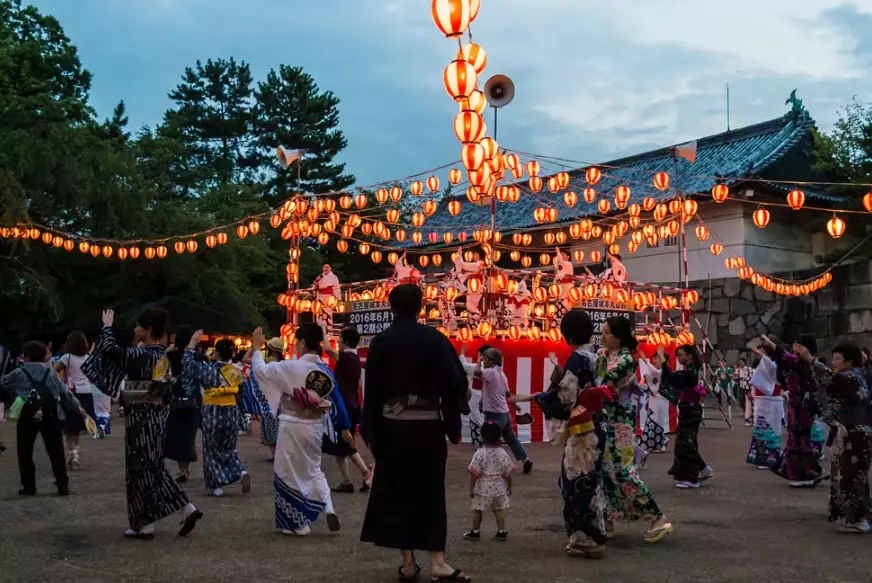
Why Gion Matsuri Tops the List Every Time
Calling something the most famous festival in Japan is a big claim. So let's break down why Gion Matsuri earns that title. It's not just one event; it's a sprawling, intricate series of rituals and celebrations that date back over a thousand years. We're talking about the year 869 as a starting point. Think about that for a second. That kind of historical continuity is staggering.
The Core Purpose: More Than Just a Show
Unlike many modern festivals created for tourism, Gion Matsuri began as a goryo-e—a ritual to appease angry spirits thought to cause disease and disaster. The people of Kyoto built floats (yamaboko) as mobile shrines to pray for purification and protection. That spiritual heart is still there, even beneath the modern spectacle. You can feel it in the solemnity of some of the nightly ceremonies that most tourists miss.
The sheer visual spectacle is undeniable. The towering wooden floats, some weighing tons and standing over 25 meters tall, draped in centuries-old tapestries from places like Persia and Belgium, are like moving museums. They're pulled through the narrow streets of downtown Kyoto by teams of men in traditional dress. It's a sight that simply doesn't exist anywhere else on that scale. For many planning a trip to Japan, seeing the Gion Matsuri is the ultimate cultural prize, often solidifying its status as the answer to "what is the most famous festival in Japan?".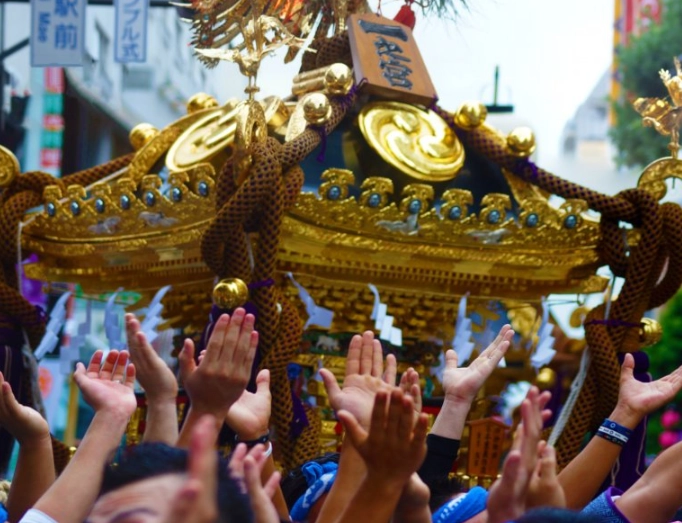
A Month of Magic: The Key Events You Can't Miss
This is where people get confused. They see "July 17" on a calendar and think that's it. Big mistake. The main parades are the climax, but the festival is a full-month journey. Here’s the real schedule you need to know about.
| Period | Event Name | What Happens & Why It's Special | Visitor Tip |
|---|---|---|---|
| July 1-5 | Kippu-iri & Chigo Selection | The festival quietly begins. Leaders draw lots to decide the parade order of floats. A sacred child (chigo) is chosen for a key ritual. It's all behind-the-scenes but sets the sacred tone. | Nothing to see as a tourist, but knowing it happens adds depth to your understanding. |
| July 10 | Lantern Parade & Mikoshi Arai | Evening lantern parade leading to the Kamogawa River. Priests purify the portable shrines (mikoshi) in the water. It's atmospheric, less crowded, and deeply spiritual. | A fantastic alternative if you hate huge crowds. The riverbank setting is beautiful at dusk. |
| July 10-13 | Yoiyama (前夜祭) | The famous pre-parade nights. The floats are assembled and put on display on four key streets. Streets become pedestrian paradises with food stalls (yatai), traditional music, and an electric festival mood. | THIS is the best time for most visitors. You can see the floats up close, enjoy street food, and soak in the vibe. July 15-16 replay this for the second parade. |
| July 17 | Saki Matsuri (前祭) Grand Parade | The big one. The first and larger parade of 23 magnificent floats winds through downtown Kyoto from 9 AM. The turning of the giant floats at street corners (tsuji-mawashi) is the dramatic highlight. | Get a paid viewing seat if you can afford it. Otherwise, stake out a spot by 7 AM at the latest. It's a marathon, not a sprint. |
| July 24 | Ato Matsuri (後祭) Grand Parade | The second parade, revived in 2014 after a long hiatus. Features 10 floats, including the iconic Fune Boko (Ship Float). It's slightly smaller and often less insanely packed. | A great option if you can't handle the July 17 crowds. The atmosphere is still incredible. |
| July 28 | Yoiyoiyama | The final pre-parade night atmosphere for the July 31 ritual. | A last chance to enjoy the street festival feeling. |
| July 31 | Eki Jinja Purification | A closing ceremony at a shrine. It's small, quiet, and marks the end of the month-long observance. | For completists only. Most visitors have left by this point. |
See what I mean? It's a whole ecosystem of events.
My personal favorite part isn't even the main parade. It's Yoiyama. Wandering down Shijo Street and Shinmachi Street as the sun sets, grabbing a yakitori skewer, hearing the kon-chiki-chin of the festival music (Gion-bayashi) coming from each float, and seeing the lanterns light up the intricate tapestries... that's the magic. The parade itself is awe-inspiring, but it's a passive, crowded experience. Yoiyama is interactive.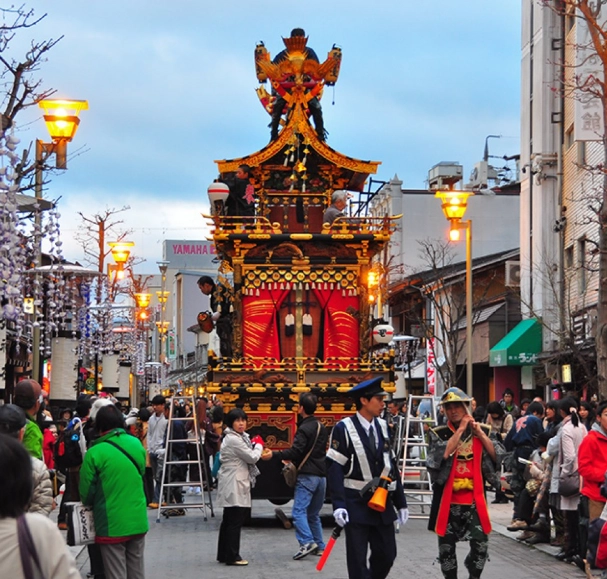
A Reality Check (My Honest Take)
The July 17 parade can be brutal. Kyoto in mid-July is hot and humid. The crowds are immense—we're talking bodies pressed together for hours. If you have claustrophobia or hate the heat, you might be miserable. I've seen people get overwhelmed. The paid seating areas are expensive but offer shade, a chair, and a guaranteed view. For many, that's worth every yen. Don't say I didn't warn you!
Beyond the Parade: The Soul of the Festival
If you just see the parade and leave, you've only scratched the surface. The real depth of this most famous Japanese festival lies in the details and the community spirit.
The Floats: Two Types, One Unbelievable Craft
The floats are divided into two groups, and knowing the difference makes watching way more interesting.
Yama (山): These are the smaller, lighter floats, carried on the shoulders of teams of men. They often depict scenes from Japanese mythology or history with lifelike dolls. They're agile and can spin on the spot.
Hoko (鉾): These are the giants. The massive, tower-like floats that are pulled by huge ropes. They have a central mast, a towering roof, and are adorned with those priceless imported tapestries. Watching a several-ton hoko being manually turned around a 90-degree corner by teams pulling on ropes is a nail-biting feat of engineering and coordination. The Naginata Boko float, led by a sacred child who cuts a sacred rope to open the parade route, is always first in line—a tradition maintained for centuries. You can learn more about the intricate construction and history of these floats from resources provided by the City of Kyoto and the Japan National Tourism Organization (JNTO).
Byobu Matsuri: The Private World Opens Up
This is a hidden gem. In the historic merchant district along the parade route, families and businesses in certain areas (like along Shinmachi) open their front doors and display their precious family heirlooms—folding screens (byobu), ceramics, kimono, and artworks—to the public. It's like a spontaneous, incredibly prestigious antique roadshow. You're literally peeking into Kyoto's wealthy past. It happens mainly during the Yoiyama evenings and is a quiet, refined counterpoint to the noisy street festivities.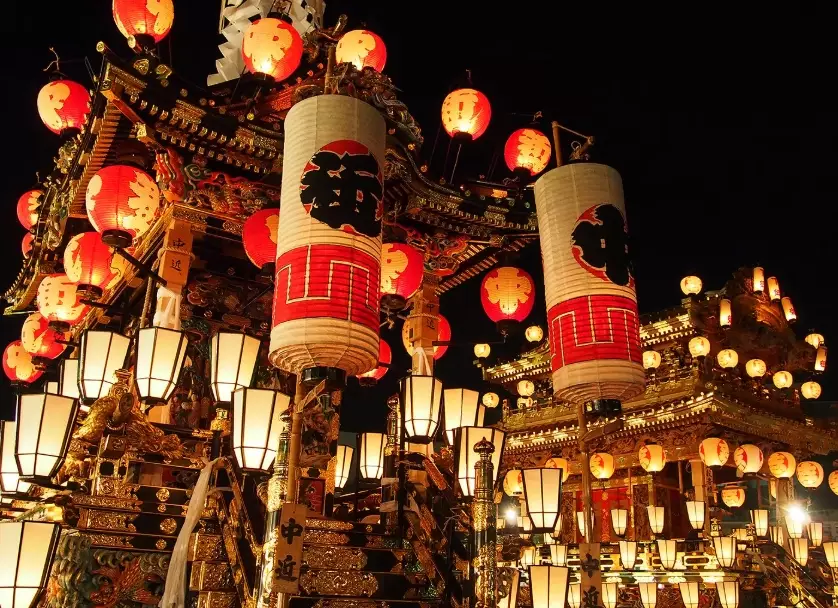
Planning Your Visit: No-Nonsense Advice
Okay, so you're convinced. You want to experience this iconic event. Here’s the practical stuff they don't always tell you.
Accommodation: Book your hotel or ryokan at least 6-8 months in advance. I'm not kidding. Kyoto fills up. Prices also skyrocket. Consider staying in Osaka (only 30 mins by train) if you're on a budget, but you'll miss the early morning/late night atmosphere.
Getting Around: During the peak days (especially 14th-17th and 21st-24th), major streets in central Kyoto are closed to traffic. Buses are rerouted and packed. Your best friends are your feet and the subway. The Karasuma and Tozai lines will get you close to the action. Taxis are stuck in gridlock—avoid them.
What to Wear/Bring: This is summer in Japan. Light, breathable clothing, a hat, and strong sunscreen are mandatory. A handheld fan or misting spray bottle will make you a god among sweaty mortals. Comfortable shoes are non-negotiable—you'll be standing and walking for hours. Bring a small towel to wipe sweat. And water. Always have water.
Viewing Strategy: Your Key Decision
- Paid Seating: Tickets go on sale months ahead. They offer a guaranteed, unobstructed view from a seated stand, usually with a program pamphlet. Ideal for photographers, elderly visitors, or anyone who hates crowds. Search "Gion Matsuri viewing seats" for official vendors.
- Free Spotting: This requires strategy and sacrifice. Scout the route the day before. Look for spots near corners for the thrilling turns, or on long stretches for a prolonged view. Arrive extremely early (6-7 AM for the 9 AM parade). Bring a small mat to sit on. Once you have a spot, you generally don't leave.
- The Rooftop/Window Secret: Some buildings along the route (like department stores or offices) sometimes sell access to their windows or rooftops. These can be pricey but offer a unique aerial view. Inquire locally or search online forums ahead of time.
Your Gion Matsuri Questions, Answered
In terms of international recognition, historical significance, and scale within a major city, yes, it consistently holds the top spot. It's a UNESCO Intangible Cultural Heritage event, which adds to its prestige. For domestic audiences, other festivals might hold more local pride, but Gion is the undisputed cultural heavyweight champion.
This is a huge point of confusion! Gion Matsuri is the massive, month-long, city-wide festival in July. Gion Corner is a small theater in the Gion district that puts on daily, one-hour tourist shows year-round featuring snippets of various traditional arts (like tea ceremony, koto music, etc.). They are completely separate. Don't go to Gion Corner expecting to see the festival.
Absolutely! Many Japanese visitors do. It adds to the festive feeling. Just be prepared for it to be hot, and make sure you wear comfortable sandals (geta) that you can walk in. Rental shops in Kyoto do a booming business during this time.
The Yoiyama evenings can be fun for families, but the main parade day is very long, hot, and crowded. Young children can get tired, fussy, and overheated quickly. If you bring kids, stick to the evening events, stay in shaded areas, keep them hydrated, and have an exit plan.
Great question. Osaka's Tenjin Matsuri (also in July) is famous for its spectacular river procession and fireworks. Tokyo's Kanda Matsuri (in May) is massive and boisterous. Each is incredible. But Gion Matsuri often gets the "most famous" title due to its unparalleled combination of age (over 1100 years), the artistic value of the floats, its integration into the ancient capital of Kyoto, and its month-long duration. It's less a single event and more a season of its own.
The Final Word: Is It Worth It?
Let me be perfectly honest. Attending the main parade of the most famous festival in Japan is a logistical challenge. It's hot, crowded, and requires planning. You might spend hours waiting for a few minutes of spectacle.
But.
If you are fascinated by Japanese culture, history, and tradition, it is an absolute must-do at least once in your life. It's not just watching a parade; it's witnessing a living, breathing piece of history. It's feeling the collective effort of entire neighborhoods who spend the year preparing. It's hearing music that hasn't changed in centuries. It's the closest you can get to time-traveling to the heart of old Japan.
My advice? Don't just go for the 17th. Plan to be in Kyoto for a few days around the Yoiyama nights (14th-16th). Immerse yourself in the build-up. Explore the floats up close. Try the street food. Peek into a Byobu display. Then, on the 17th, either commit fully to the parade experience with a good plan, or sleep in and enjoy a quieter Kyoto while everyone else is packed downtown.
However you choose to experience it, the Gion Matsuri will leave an impression. It's messy, overwhelming, ancient, and beautiful all at once. And that, perhaps, is exactly why it remains Japan's most famous and enduring festival.

Share Your Thoughts