Kyoto feels different when you're alone. The rustle of bamboo in Arashiyama, the quiet concentration of a tea master, the first bite of a warm yudofu on a chilly evening—these moments land with a unique clarity. A solo female trip to Kyoto isn't just a holiday; it's a deep-dive into your own pace and curiosity. Forget the rushed group tours. Here, you decide when to linger in a moss garden and when to chase the next temple.
But let's be honest, planning it can bring up nerves. Is it safe? Will I get lonely? How do I avoid the tourist traps and find the real Kyoto? I've been there, wandering those narrow lanes both confidently and, on one memorable occasion, utterly lost near Fushimi Inari after sunset (a story for later). This guide cuts through the generic advice. It's a practical, from-the-ground roadmap for experiencing Kyoto on your own terms, safely and richly.
Your Quick Kyoto Solo Trip Navigator
Pre-Trip Planning & The Solo Female Safety Mindset
Kyoto is consistently ranked as one of the safest cities in the world for travelers, including women. Violent crime is exceedingly rare. The real "safety" work is about comfort and preparedness. Your biggest issue will likely be navigating crowded trains, not personal security.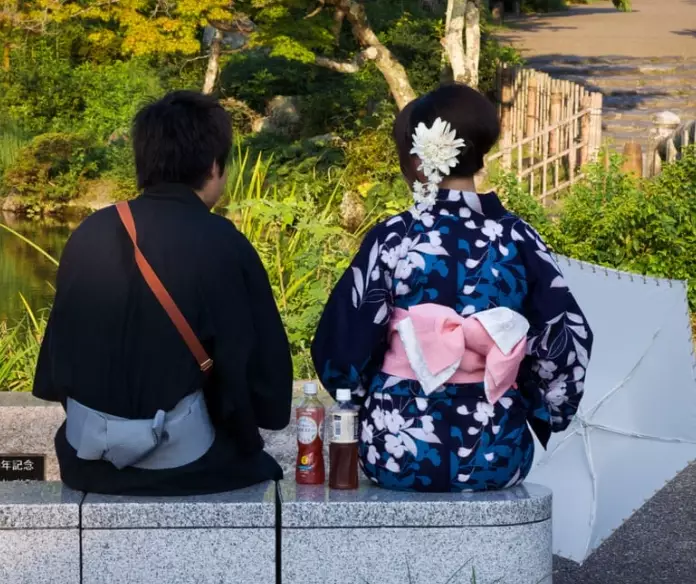
The Non-Consensus View: Everyone says "Japan is safe," and stops there. The subtle mistake is not preparing for the type of unease you might feel. It's rarely about danger, but about social friction—being the only solo person in a crowded izakaya, or not knowing the unspoken queueing rule for a popular photo spot. Your preparation should be 30% logistics, 70% mental readiness for these tiny moments.
Essential Pre-Departure Checklist:
- Accommodation Booking: Book your first few nights. I recommend a hotel over a hostel for your first solo trip here—the privacy and front desk support are worth it.
- Connectivity: Rent a pocket Wi-Fi or buy a Japanese SIM card/Ubigi eSIM for arrival. Being able to use Google Maps and translate instantly is your number one safety and sanity tool.
- Cash & Cards: Inform your bank. While cards are more common now, many small restaurants, temples, and markets are cash-only. Get yen from an airport ATM (7-Eleven/Post Office ATMs are best).
- Google Maps: Star your hotel, key stations, and must-see spots. Download the offline map of Kyoto area.
Where to Stay: Solo Female-Friendly Areas & Hotels
Location is everything. You want to be central, well-connected by train or bus, and in a neighborhood with good evening ambiance. Here are my top picks: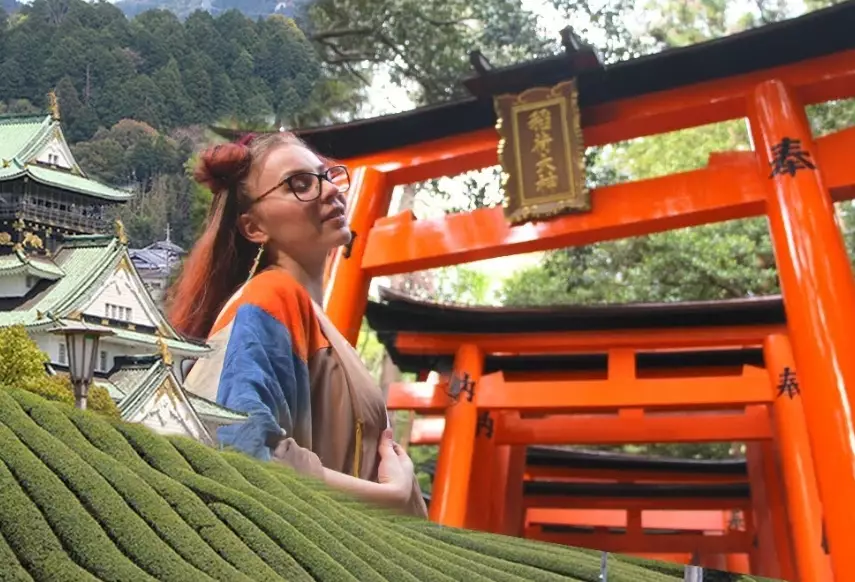
| Area | Why It's Great for Solo Travelers | Hotel Recommendation & Notes | Avg. Nightly Price |
|---|---|---|---|
| Downtown Kyoto (Kawaramachi/Gion-Shijo) | Heart of the action. Walking distance to Pontocho, Nishiki Market, countless restaurants. Major train/bus hubs. Well-lit at night. | The Millennials Kyoto (capsule-style but ultra-modern, women-only floors, great social lounge). Hotel Resol Kyoto Kawaramachi (affordable, chic, fantastic location). | $60 - $120 |
| Near Kyoto Station | Unbeatable for transport (Shinkansen, buses, subway). Lots of food options in the station complex. Less traditional charm. | Hotel Kanra Kyoto (stylish, serene, with deep bathtubs). Miyako Hotel Kyoto Hachijo (attached to station, premium). | $80 - $200 |
| Southern Higashiyama | Quieter, immersed near major temples like Kiyomizu-dera. Beautiful walks, but fewer dinner options and hillier terrain. | Kyoto Traveler's Inn (budget-friendly, family-run, cozy). Hotel The Celestine Kyoto Gion (luxurious, perfect for Gion access). |
I stayed near Gion-Shijo on my last trip. Being able to wander the historic streets at 10 PM after a kaiseki meal, feeling completely at ease, was magical. The station area is more functional, but you might spend more time on transit to the scenic spots.
The Flexible 3-Day Solo Kyoto Itinerary
This isn't a rigid schedule. It's a framework. Mix and match based on your energy. I always build in "cafe time" for journaling or just watching the world go by.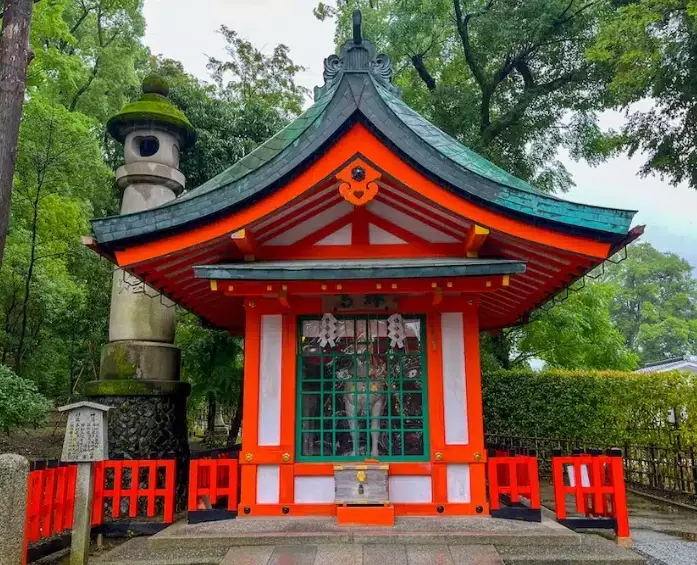
Day 1: Imperial Grandeur & Market Flavors
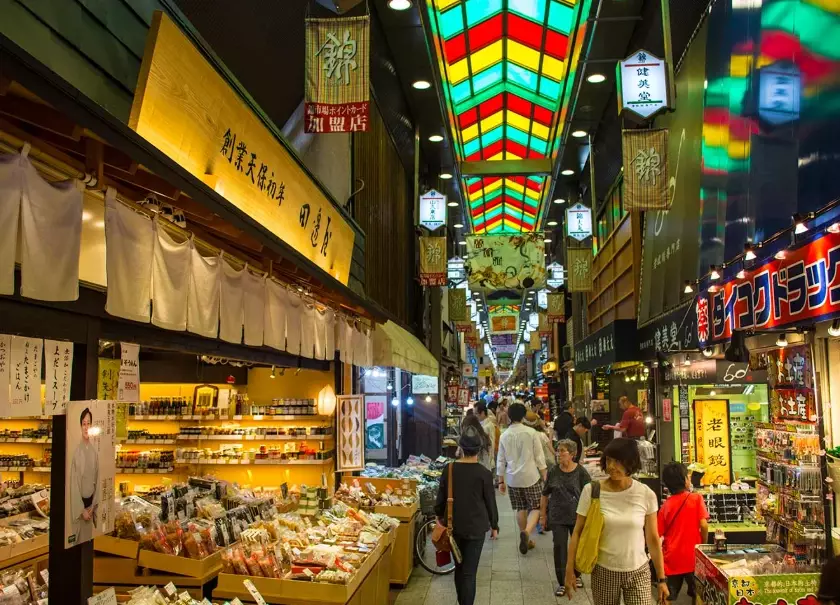
Start big. Kyoto Imperial Palace (free, requires online reservation through the Imperial Household Agency website) opens at 9 AM. Wander the vast grounds—it's surprisingly uncrowded in the morning. From there, take a 15-minute bus ride to Nishiki Market. Go hungry. Sample pickles, tamagoyaki, and fresh seafood skewers. Don't just walk straight through; peek down the tiny side alleys for older shops.
Afternoon option A: Head to Nijo Castle (¥800, 8:45 AM-5 PM). The "nightingale floors" that chirp to warn of intruders are a fascinating piece of history. Afternoon option B: If you're templed-out already, explore the Museum of Kyoto or shop for traditional crafts on Teramachi Street.
Day 2: Philosopher's Path & Geisha District
Take the bus to Ginkaku-ji (the Silver Pavilion, ¥500). It's smaller and more elegant than you expect. Then, walk the Philosopher's Path south. This is prime solo wandering. Stop at any tiny shrine or café that catches your eye. Honke Owariya on the path has fantastic soba.
Your walk ends near Nanzen-ji (free for grounds, ¥500 for Hojo garden). The massive aqueduct is a weirdly cool photo spot. From here, it's a short walk to the Heian Shrine and its stunning garden (¥600). As dusk falls, make your way to Gion. Don't stalk geiko (geisha); just appreciate the atmosphere. Book a dinner in Pontocho Alley.
Day 3: Arashiyama's Bamboo & Fushimi Inari
Go to Arashiyama EARLY. I mean on the first train early (around 7 AM). The bamboo grove is transcendental when empty. By 9 AM, it's a human highway. After the grove, visit Tenryu-ji Temple (¥500 for garden, ¥300 extra for building). Its garden is a masterpiece.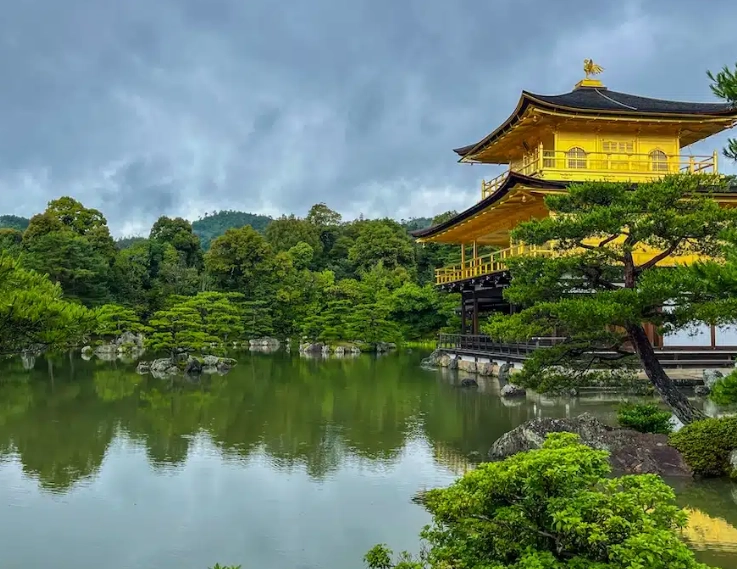
In the afternoon, take the train to Fushimi Inari Taisha (free, always open). Yes, it's crowded at the base. But here's the secret: keep walking. The higher you go, the fewer people. The trails split into multiple paths; take a quieter one. The view over Kyoto is worth the climb. I got lost up here once by taking a less-traveled route after sunset—my phone died. It was eerie but not dangerous, and a local shopkeeper at the base helped me find my way. Lesson learned: keep a battery pack charged.
Kyoto's Hidden Gems (Beyond the Golden Pavilion)
Everyone sees Kinkaku-ji. It's beautiful, but here's where you get your unique stories.
- Shoden-ji Temple: A tiny, secluded temple in the north with a raked gravel garden and a framed view of Kyoto. You might be the only visitor. (¥400, closed Tue/Wed).
- Honen-in Temple: Just off the Philosopher's Path. Moss, thatched roofs, and a profound sense of peace. The sand patterns at the entrance change regularly. (Free for grounds).
- Kibune & Kurama: A short train ride north. Hike from Kibune Shrine, through a forest path, to Kurama-dera Temple. End with a soak at Kurama Onsen. A perfect nature escape.
- Murin-an Villa: Near the Heian Shrine. A stunning example of a Japanese garden with a flowing stream, designed to be viewed while sitting on the villa's veranda. It feels like a secret. (¥410).
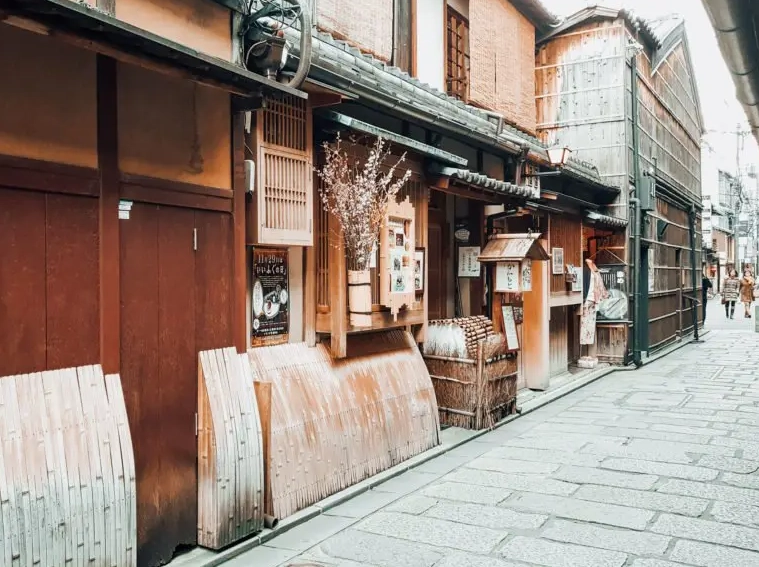
The Solo Dining Guide: No Awkwardness Required
Dining alone in Japan is normal. Counter seats are your best friend.
My Go-To Spots:
- Menbakaichidai (Fire Ramen): The show is the flaming scallion oil poured over your ramen. Counter seating, quick turnover. Fun and delicious. (Kyoto-shi, Nakagyo-ku, Rokkaku-dori, ¥1100).
- Ippudo (Ramen): A famous chain, but consistently excellent. The Karaka Men (spicy) is my favorite. Solo ramen eaters are the norm.
- Kikunoi (Roan Branch): Want a high-end kaiseki solo? Their Roan branch offers a slightly more casual, counter-seating experience for lunch. Reservations essential. (Gion, from ¥8000).
- Any Sushi Counter: Lunchtime sushi sets are a bargain. Just point or use a translation app.
For breakfast, skip the hotel buffet if you can. Find a kissaten (old-school coffee shop) or a bakery like Kagizen Yoshifusa in Gion for matcha and warabimochi.
Practical Tips: Transport, Money, Connectivity
- Transport: Get an IC card (Suica/Pasmo/Icoca) immediately. Tap on buses and trains. For extensive bus travel, a Kyoto City Bus One-Day Pass (¥700) pays off if you take 3+ rides. Buses can be confusing—Google Maps is accurate for bus numbers and stops.
- Money: As noted, carry cash. Many ryokan, small shops, and temple admissions are cash-only. Coin purses are essential.
- Connectivity: A pocket Wi-Fi was my lifeline. Ubigi eSIM is a great alternative if your phone is unlocked.
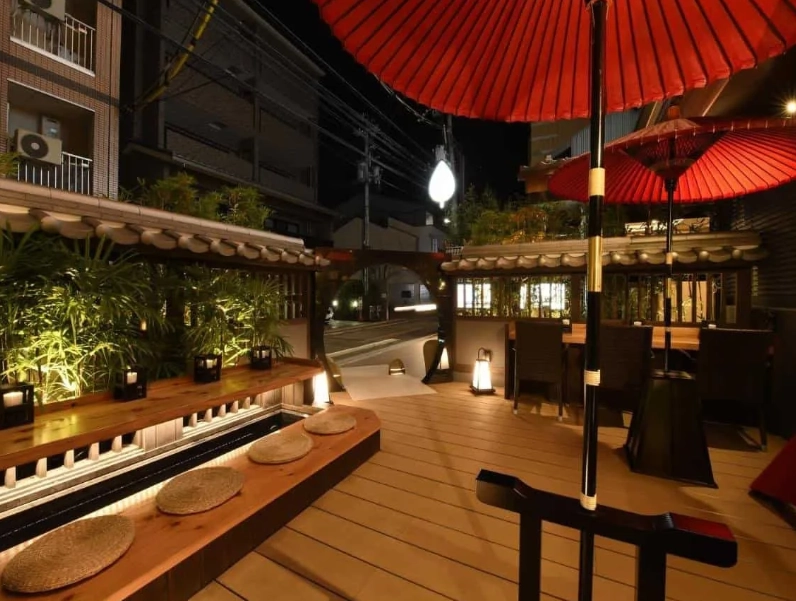
- Etiquette: Speak softly. Queue orderly. Don't eat while walking. Learn "sumimasen" (excuse me) and "arigatou gozaimasu" (thank you).
Solo Traveler FAQs Answered
Is it safe to walk around Kyoto alone at night as a woman?
In the central districts like Downtown Kyoto, Gion, and near major stations, yes, it is generally very safe. Streets are well-lit, and there are usually people around. I've walked back to my hotel from Pontocho past 11 PM without a second thought. Use common sense: stick to main streets, avoid poorly lit, deserted parks or alleyways, and be aware of your surroundings just as you would in any city. The biggest nighttime hazard is cyclists on sidewalks who don't always have lights.
What's the best way to meet other travelers if I don't want to be alone the whole time?
Hostel common rooms are the classic answer, but even if you're not staying in one, many hostels have bars/cafes open to the public. Check out Piece Hostel Sanjo or The Millennials lounge. Join a walking tour or a cultural workshop—a sake tasting tour, a cooking class (try Harvest Cooking Studio), or a samurai experience. These structured activities are low-pressure ways to chat with others. I met a great group during a morning market tour that I ended up having dinner with later.
I'm worried about using public onsens alone. Any advice?
This is a common concern. First, seek out women-only onsens or facilities with separate gendered baths, which is most of them. Kurama Onsen and Funaoka Onsen are classic Kyoto options with clear separation. Before you go, read a guide on onsen etiquette (washing thoroughly before entering, no towels in the water, no staring). Everyone is focused on their own relaxation. Start with a less crowded, local onsen rather than a huge resort complex. Bring a small towel and your own toiletries. Once you do it, you'll realize it's a wonderfully liberating experience.
How do I handle a multi-course kaiseki meal as a solo diner?
Many high-end places have minimum party requirements or aren't set up for solo diners. The key is to research and book ahead, specifying you are one person. Look for places with counter seating, like the Roan branch of Kikunoi I mentioned, or Kiyama in Gion. Lunch kaiseki is often more affordable and accessible. Don't rush. A kaiseki is a performance. Take your time, observe the pottery, the seasonal presentation. It's a perfect solo activity—a quiet, immersive culinary journey.
Kyoto rewards the solo traveler. It offers beauty at every turn, a baseline of safety that lets you breathe, and enough hidden corners to make the journey feel uniquely yours. Pack your curiosity, a good pair of walking shoes, and the willingness to sometimes just sit and be present. Your own Kyoto is waiting.

Share Your Thoughts