Forget everything you think you know about stargazing near a megacity. Kozushima Island, one of the Izu Islands floating in the Pacific south of Tokyo, offers a dark sky experience that rivals remote mountain observatories. The island's minimal light pollution, clear air, and 360-degree ocean horizons create a celestial dome so vivid it feels like you can reach out and touch the Milky Way. I've spent over a decade chasing dark skies across Japan, and Kozushima consistently delivers one of the most accessible yet profound astronomical escapes. This isn't just about looking up; it's about planning the perfect trip to make every moment under the stars count.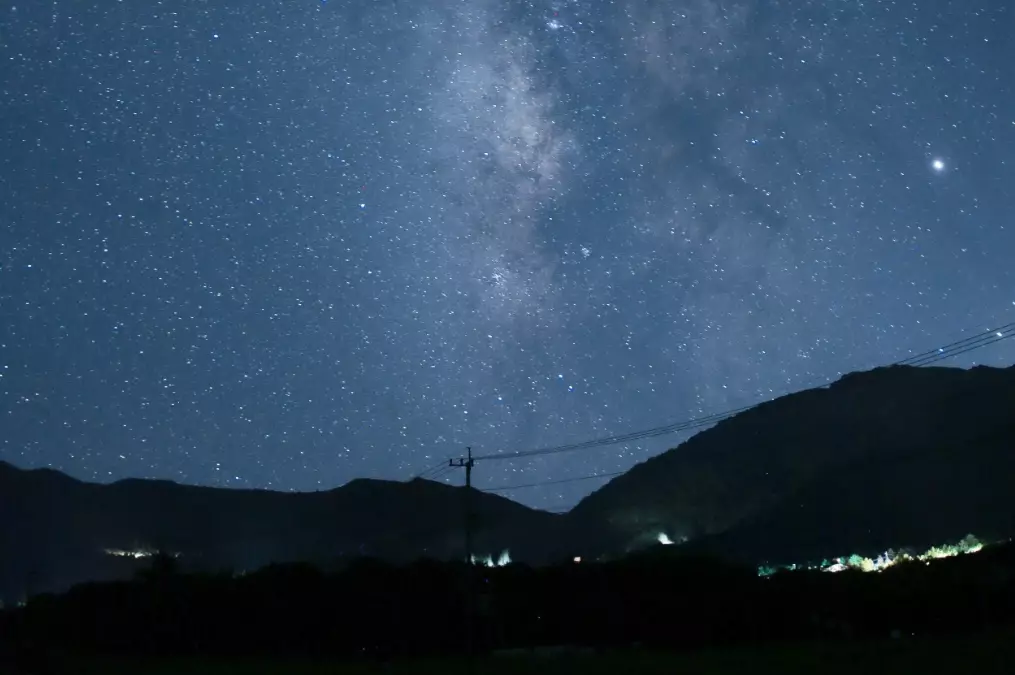
Your Quick Stargazing Roadmap
The Best Stargazing Spots on Kozushima Island
Location is everything. While you can see stars from almost anywhere on the island, these three spots are in a league of their own. The common mistake first-timers make is heading straight to the most famous point without checking the moon phase or wind direction.
1. Oku Observatory (Oku Tenbodai)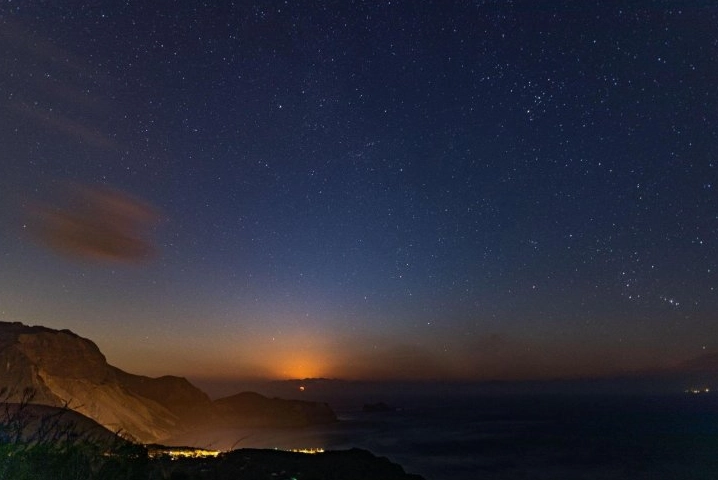
This is the crown jewel. Perched on the island's western cliffs, the Oku Observatory offers an unobstructed view of the western horizon over the open ocean—perfect for watching planets set and the Milky Way rise in summer. There are no streetlights for miles. The viewing platform is free, open 24/7, and has a small roofed shelter for wind protection. The road up is narrow and winding; drive carefully after dark. Parking is limited to about 10 cars.
Pro-Tip: On still, clear nights, you can often see the green flash as the sun sets. Stay for the transition into darkness; it's magical.
2. Nagahama Beach
For a completely different vibe, head to Nagahama Beach on the east coast. Lying on the soft, white sand looking straight up eliminates ground-based light distractions and gives you a breathtaking, panoramic view. The sound of waves adds to the atmosphere. It's free and always accessible. The eastern exposure is ideal for watching the moonrise or catching early-morning planets before dawn.
The sand can get cool at night, so bring a thick blanket or a reclining beach chair. Check the tide schedule on the Japan Meteorological Agency website to ensure you have plenty of dry sand to set up on.
3. The "Star Field" near Mt. Tenjo
This isn't a formal spot but a local secret. The rolling grasslands on the slopes approaching Mt. Tenjo, away from the few village clusters, offer incredible darkness. You're surrounded by nature, with the silhouette of the mountain against the starry sky. There are no facilities here—just pure, undisturbed darkness. It's best accessed by rental car or bicycle, and you'll need to pull safely off the roadside.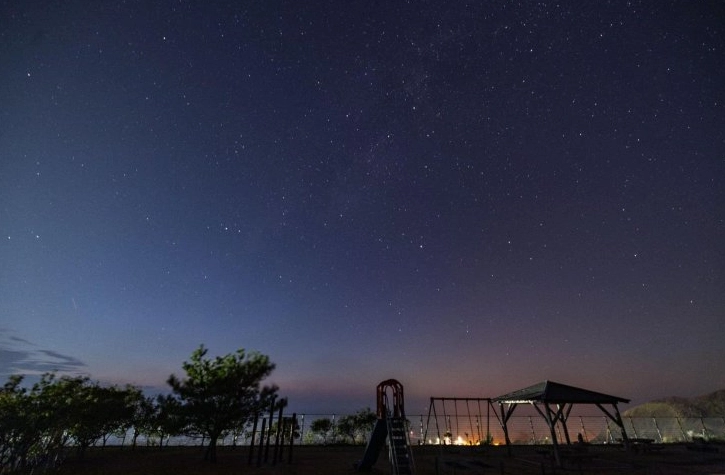
Important Note: All these locations are in natural settings. There are no ticket booths, opening hours, or artificial lights. Your responsibility is to respect the environment: take all your trash, avoid using white flashlights, and keep noise to a minimum. The darkness is the attraction—let's keep it that way.
When is the Perfect Time for Kozushima Stargazing?
Timing your visit is more critical than choosing your spot. You need to align three things: astronomical events, weather, and moon phase.
| Season | What You'll See | Pros & Cons | Best For |
|---|---|---|---|
| Summer (July-Sept) | The core of the Milky Way (Sagittarius) arches directly overhead. Planets like Jupiter and Saturn are prominent. | Pros: Warm nights, vivid Milky Way. Cons: Higher chance of humidity/haze, more tourists. | Astrophotography, seeing the galactic center. |
| Winter (Dec-Feb) | Orion, Taurus, brilliant stars like Sirius and Betelgeuse. The Orion Nebula is visible to the naked eye. | Pros: Crisp, crystal-clear air. Fewer visitors. Cons: Can be very cold and windy. | Seeing winter constellations and deep-sky objects. |
| Spring & Autumn | Transitional skies. Good views of both Milky Way (early/late night) and zodiacal light around equinoxes. | Pros: Mild temperatures, balanced skies. Cons: Weather can be less stable. | Comfortable all-night observing sessions. |
The single most important rule: avoid the full moon. A bright moon washes out faint stars and the Milky Way. Plan your trip around the new moon or when the moon sets early in the evening. Use a moon phase calendar.
Check the detailed forecast for Kozushima-mura on trusted weather sites. A "clear" forecast for Tokyo doesn't guarantee clear skies on the island, which often has its own microclimate. I've seen perfectly forecasted nights turn cloudy due to sea mist rolling in.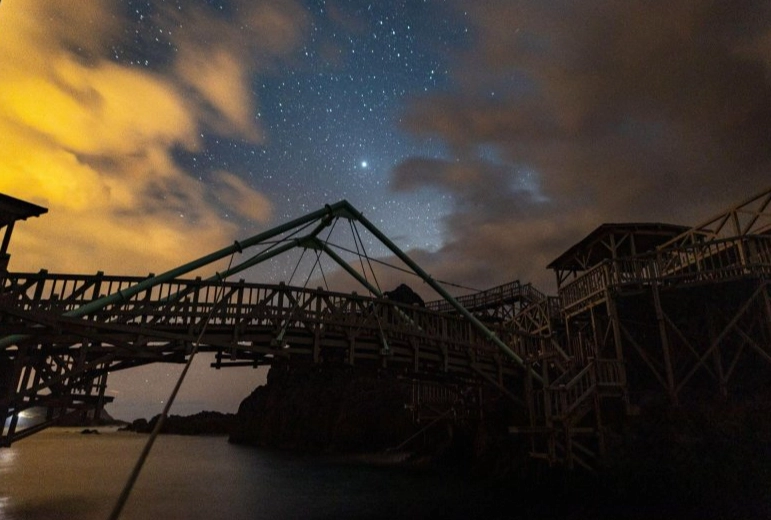
How to Plan Your Stargazing Trip: A Step-by-Step Guide
Let's get practical. Here’s how to turn this dream into a concrete itinerary.
Getting to Kozushima Island
You have two main options, and I strongly recommend the jet foil.
- Jet Foil (High-Speed Ferry): Departs from Takeshiba Pier in Tokyo. The ride takes about 3.5 hours. It's faster, smoother, and you're more likely to have a pleasant journey. Reservations are essential, especially on weekends and in summer. Check schedules and book on the Tokai Kisen website.
- Overnight Ferry: A cheaper, slower option (11 hours) from Tokyo. You can book a cabin. It's an adventure, but you lose a day in transit.
There is no airport on Kozushima.
Where to Stay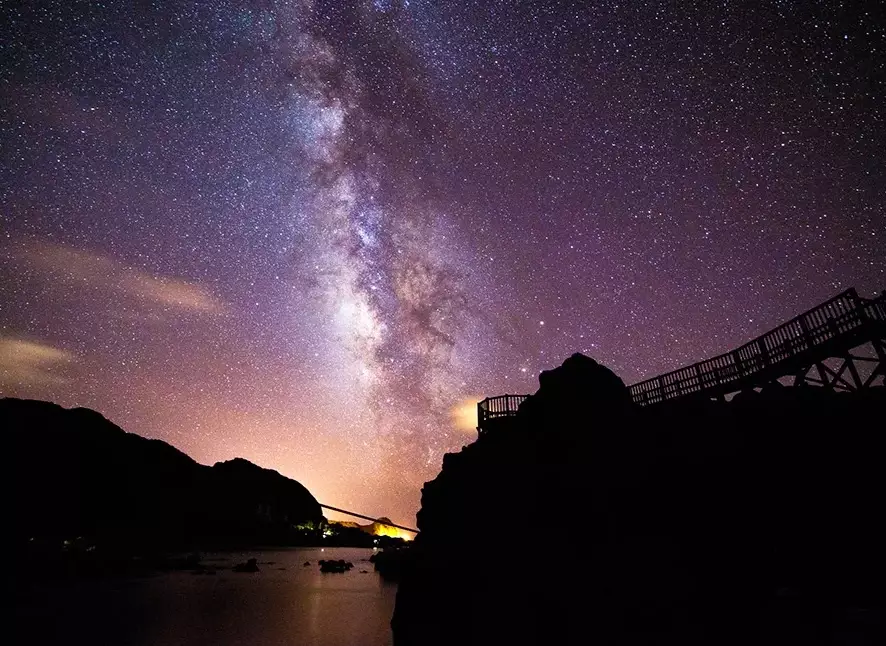
Book accommodation early. Options are limited and fill up. Most are minshuku (family-run guesthouses) or small hotels. I've stayed at a few. Don't expect luxury; expect warmth, home-cooked meals, and hosts who know the island's rhythms. Prices range from 8,000 to 15,000 JPY per person per night with meals. Mention you're there for stargazing—they might have tips or even offer wake-up calls for pre-dawn viewing.
A Sample 2-Night Stargazing Itinerary
Day 1: Arrive via morning jet foil. Pick up your rental bicycle or car (book in advance). Check into your lodging. Relax, explore the coastlines in daylight. After dinner, head to Oku Observatory for your first night. Get acclimated to the darkness.
Day 2: Sleep in. Enjoy island hiking or swimming. In the evening, have an early dinner. Head to Nagahama Beach with a blanket. Spend the night lying back, identifying constellations. If you're feeling adventurous, drive to the Mt. Tenjo area after midnight for the deepest darkness.
Day 3: Morning ferry back to Tokyo.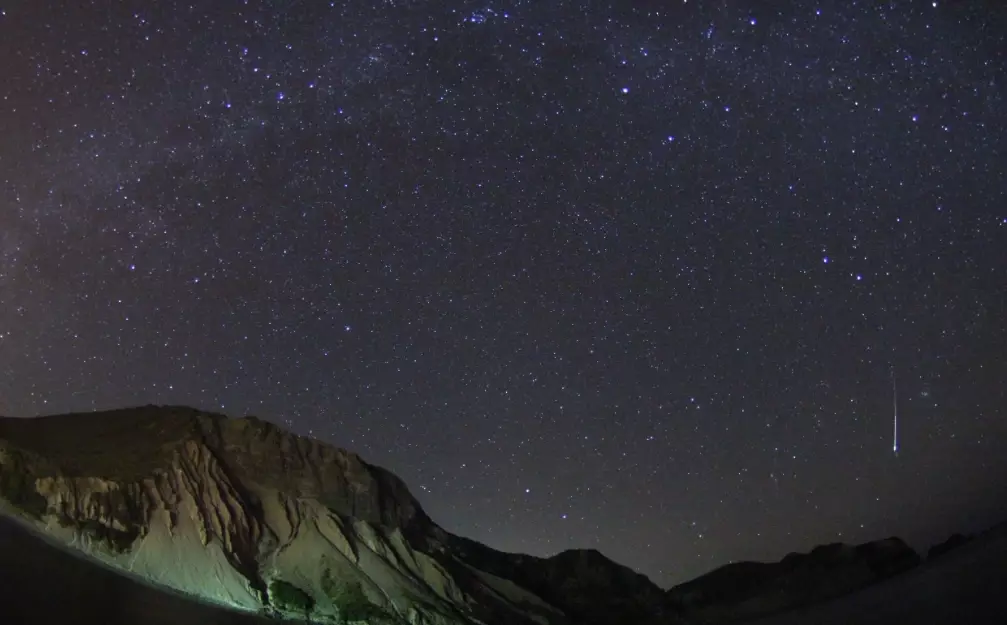
Expert Stargazing Tips & What to Bring
Packing wrong can ruin the experience. Here’s my non-negotiable list, born from forgetting things myself.
- Red Light Headlamp: Essential. It preserves your night vision. A white light flashlight is rude to others and destroys your own ability to see faint stars. Cover a regular headlamp with red cellophane if you must.
- Warm Layers, Even in Summer: The ocean breeze gets chilly. A windbreaker, hat, and gloves (in winter, a serious coat) are mandatory. I've shivered through too many "mild" summer nights.
- Comfort: A reclining chair or thick ground mat. Craning your neck upwards for hours is painful.
- Navigation & Sky Apps: Download offline maps. Use a stargazing app like Stellarium or Sky Guide in night mode (red screen).
- Snacks and Hot Drinks: A thermos of tea or coffee is a game-changer at 2 AM.
- Patience: Let your eyes adjust for at least 20 minutes. The sky keeps revealing more.
Leave the high-powered green laser pointers at home. They're unnecessary and can be dangerous to aircraft.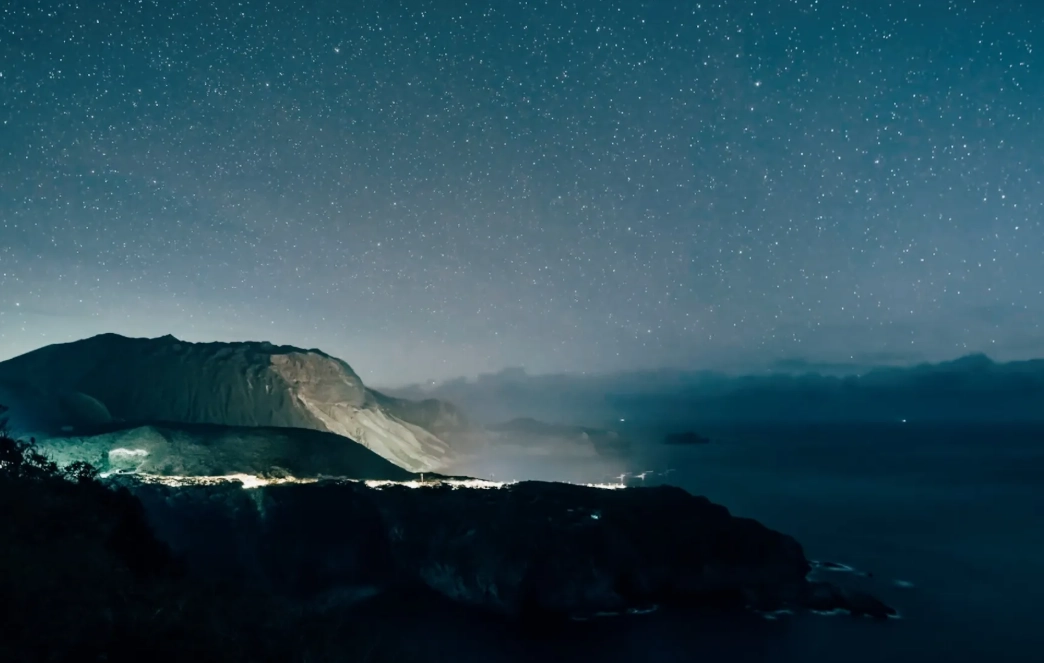
Your Stargazing Questions Answered
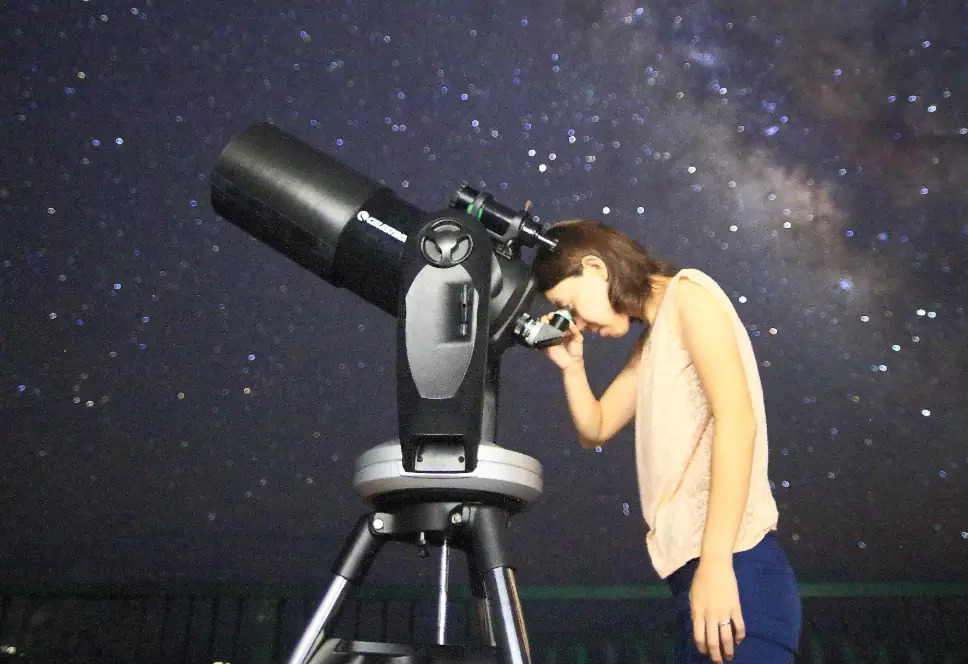 Are there any organized stargazing tours on the island?
Kozushima Island is a reminder that profound natural wonders still exist within reach of a metropolis. It's not just a list of coordinates; it's an experience that recalibrates your sense of scale and wonder. The planning is part of the adventure. Check that moon calendar, pack your warmest layers and a red light, and get ready for a night where the sky isn't just above you—it surrounds you.

Share Your Thoughts