You're in Kyoto, surrounded by ancient temples and serene gardens. But you want more than just photos. You want to touch, create, and connect with the city's living history. That's where traditional craft workshops for adults come in. Forget the rushed, kid-oriented tourist traps. I'm talking about serious, hands-on sessions where you can get clay under your nails, dye a real silk scarf, or shape a piece of wood under the guidance of a master artisan. This is cultural immersion at its most tangible, and Kyoto is the perfect classroom.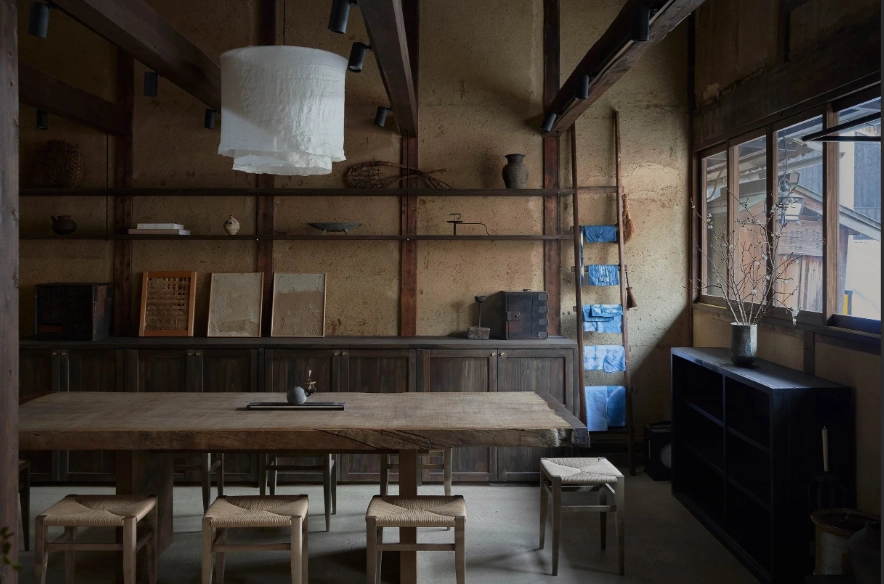
What You'll Discover in This Guide
Why Kyoto is the Ultimate Destination for Adult Craft Workshops
Kyoto isn't just a museum of old Japan; it's a living, breathing hub of craftsmanship. For over a thousand years, it supplied the imperial court, creating a concentration of skill unmatched elsewhere. When you join a workshop here, you're not just doing a fun activity—you're tapping into a direct lineage. The difference for adults is depth. These workshops often assume a level of patience and appreciation that makes the experience richer. You're there to understand the "why" behind the technique, not just the "how." Many masters are eager to share the philosophy embedded in their craft, something that often flies over the heads of younger participants.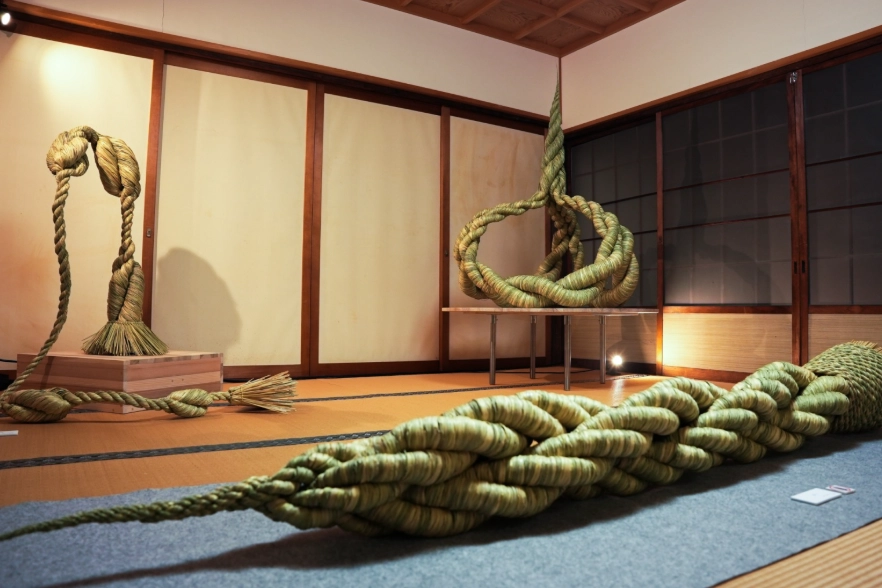
I made a mistake on my first trip. I booked a generic "make a trinket" class. It felt shallow. The real magic happened years later when I spent an afternoon with a Kiyomizu-yaki potter who explained how the local clay and glazes reacted to Kyoto's specific humidity. That context changed everything.
Top Traditional Craft Experiences for Adults in Kyoto
Let's get specific. Here are the crafts where Kyoto truly excels, along with concrete places where you can roll up your sleeves.
Pottery & Ceramics (Kiyomizu-yaki)
The area around Kiyomizu-dera temple is the historic heart of Kyoto pottery. Workshops here let you work with the distinct local clay. A great option for adults is Kiyomizu Ware pottery class in the Gojozaka district. You're not just in a studio; you're in the historic kiln district. A 90-minute wheel-throwing session runs about ¥4,500 per person. You choose your glaze, and they fire and ship your piece internationally (for an extra fee). Address: Gojozaka, Higashiyama Ward. It's a 15-minute walk from Kiyomizu-Gojō Station. Booking is essential via their website.
Textile Dyeing (Kyo-Yuzen & Shibori)
If pottery seems messy, textile arts offer a stunning, wearable result. Kyo-Yuzen involves hand-painting intricate designs on silk. It's meticulous and deeply satisfying. Orinasu Kan in central Kyoto offers a 2.5-hour adult-friendly course where you dye a silk scarf using the "shibori" (tie-dye) technique. It costs around ¥5,500. The instructors speak some English, which helps. For a more immersive, full-day Yuzen painting experience, check with the Kyoto Museum of Traditional Crafts, which often has information on master-led sessions.
Woodworking & Lacquerware (Kyo-Sashimono, Kyo-Nuri)
This is for those who love the feel of wood and the deep glow of lacquer. Workshops are rarer but more profound. Tagoto, a long-established studio, offers short courses in making a small lacquered item like a chopstick rest. You learn the basics of applying urushi (lacquer). It's a premium experience, often costing over ¥10,000, but you're working with authentic, precious materials. Another option is Arimatsu Kyoto, which focuses on sashimono (wood joinery) to make simple boxes without nails.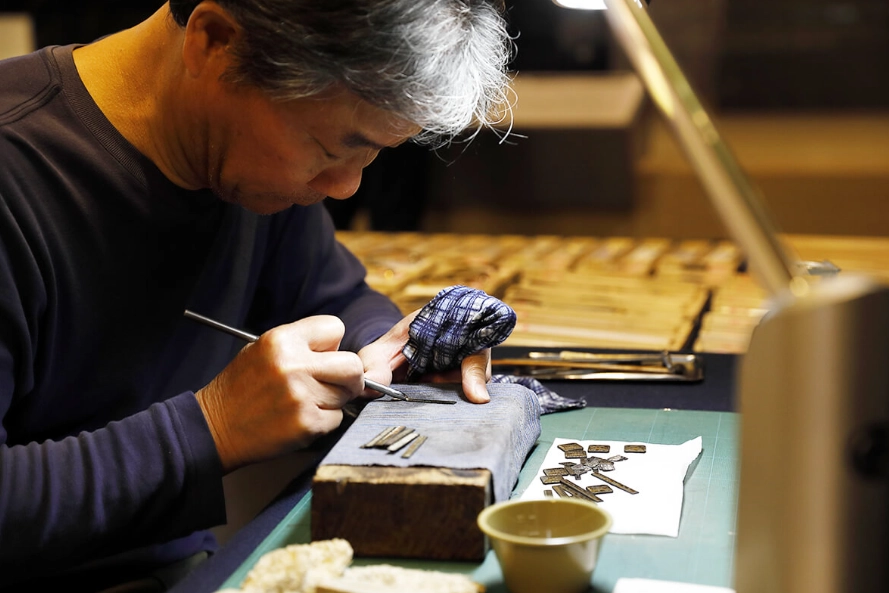
Other Noteworthy Crafts
Wagashi (Japanese Confectionery): More than cooking, it's edible sculpture. Try a class at Wagashi Musubi near Gion. Indigo Dyeing (Aizome): The Kyoto Arashiyama Orgel Museum sometimes hosts excellent indigo dyeing workshops in a beautiful setting. Furoshiki (Cloth Wrapping): Quick, practical, and eco-friendly. Many cultural centers offer 60-minute sessions.
Quick Comparison Table: Kyoto Craft Workshops at a Glance
| Craft Type | Best For Adults Who... | Typical Duration | Estimated Cost (per person) | Example Venue / Area |
|---|---|---|---|---|
| Pottery (Kiyomizu-yaki) | Enjoy tactile, messy creation; want a lasting, functional piece. | 1.5 - 2.5 hours | ¥4,000 - ¥7,000 | Gojozaka, Higashiyama |
| Textile Dyeing (Shibori/Yuzen) | Prefer clean, detailed work; want a beautiful, wearable souvenir. | 1.5 - 3 hours | ¥3,500 - ¥6,500 | Orinasu Kan (Central Kyoto) |
| Woodworking/Lacquer | Seek a deep, meditative, and premium material experience. | 2 - 4 hours | ¥8,000 - ¥15,000+ | Tagoto Studio |
| Wagashi Making | Love food, precision, and a direct link to tea ceremony culture. | 1 - 1.5 hours | ¥2,500 - ¥4,500 | Wagashi Musubi (Gion) |
How to Choose the Right Workshop for You
Don't just pick the first result on Google. Think about these factors.
Location vs. Authenticity: A studio in Gion might be convenient, but a workshop in the actual pottery district of Gojozaka adds irreplaceable atmosphere. Sometimes the journey to a quieter neighborhood is part of the experience.
Time Commitment: Be realistic. A 90-minute pottery session is great for a first try. A 4-hour lacquer workshop is a serious commitment but offers unmatched depth.
Language Support: This is a major adult concern. Many studios now have English pamphlets or basic English-speaking staff. Look for phrases like "English support available" or "multilingual instructions." Websites like Kyoto Travel Official Guide often list workshops with language options.
Skill Level Almost all are beginner-friendly. But communicate if you have any experience. A good instructor will give you a slightly more challenging task if you're comfortable.
Group Size I prefer smaller groups (under 8 people). It means more direct interaction with the artisan. Larger groups can feel like an assembly line.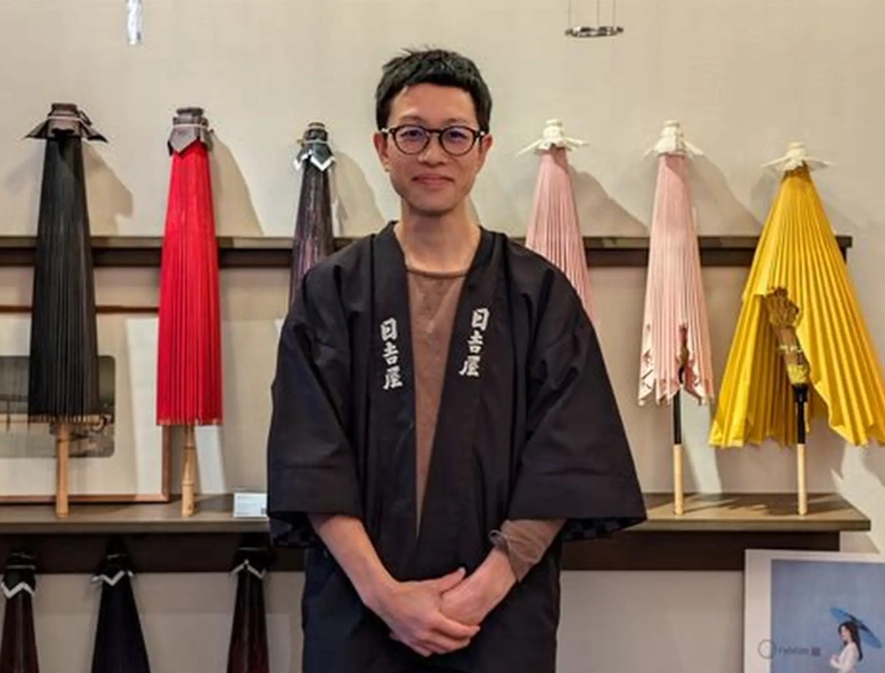
Booking Tips & Insider Advice for a Smooth Experience
Book Early, Especially for Small Studios: Popular, authentic workshops fill up weeks in advance. Don't expect to walk in. Use platforms like Veltra or Airbnb Experiences, but also check the studio's own website—they sometimes offer more time slots.
Read Between the Lines of Reviews: Look for reviews that mention "the master was patient," "we learned the history," or "felt authentic." Avoid reviews that only say "it was fun"—it might be too touristy.
What to Wear: For pottery, wear clothes you don't mind getting dirty. For anything else, comfortable clothes are fine. Remove jewelry that might get in the way.
Managing the Language Barrier: Even with no English, you can learn a lot through demonstration. Download a translation app. A simple, respectful attitude goes a long way. A bow and a smile when you enter and leave are always appreciated.
Costs Beyond the Fee: Remember shipping for pottery (¥1,500-¥3,000 internationally) or extra materials if you choose a larger item to dye.
My Personal Strategy: I always visit the Kyoto Museum of Traditional Crafts (Fureaikan) in Miyako Messe first. It's free, and they have live demonstrations and an excellent information desk with pamphlets and direct contacts for workshops you won't easily find online. It's my secret weapon.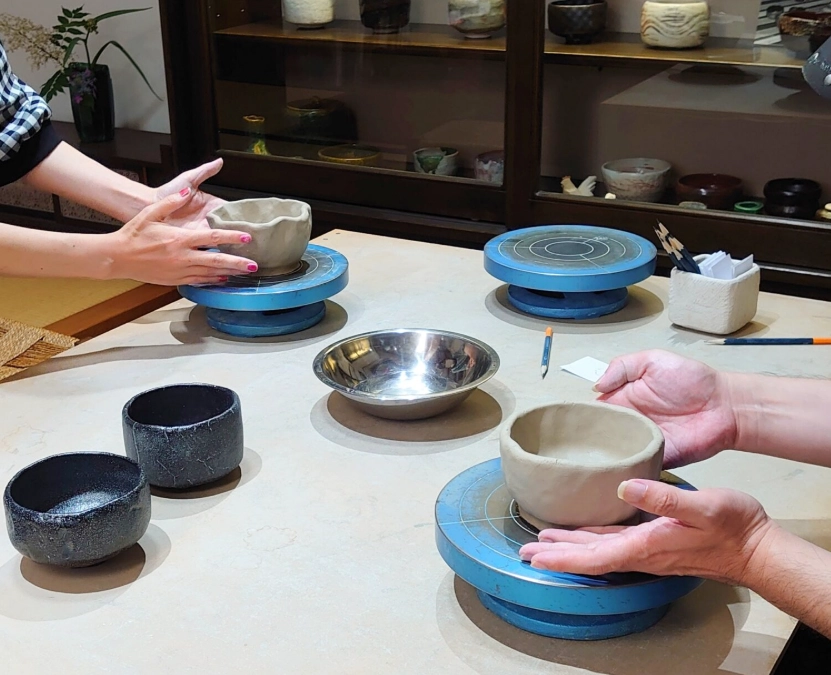
Your Questions on Kyoto Craft Workshops Answered
How long in advance should I book a traditional craft workshop in Kyoto?
For the well-known, high-quality workshops aimed at adults, aim for at least two to three weeks ahead, especially during peak seasons (spring, autumn). Smaller, boutique studios with limited daily slots can book up a month in advance. Last-minute bookings are possible but will severely limit your options to larger, more generic tourist operations.
I don't speak any Japanese. Can I still have a meaningful experience?
Absolutely, but you need to pick your venue carefully. Look for studios that explicitly advertise "English support" or "multilingual staff." Many in central Kyoto cater to international visitors. Even with minimal language, the teaching is 80% visual demonstration. Go in with an observant eye and a willingness to mimic gestures. The act of creating together transcends words.
What happens to the piece I make in a pottery workshop? Can I take it home the same day?
Almost never. Pottery needs to be dried, bisque-fired, glazed, and then fired again. This process takes 4-6 weeks. Every reputable studio will offer international shipping for an additional fee (usually ¥2,000-¥4,000). Factor this cost and wait time into your decision. It's a delayed gratification that makes the eventual arrival of your piece even more special.
Are these workshops suitable for solo travelers, or are they mostly for groups/couples?
They are perfect for solo travelers. In fact, you might get more focused attention from the instructor. I've done several alone and found it a wonderful, meditative way to engage with the culture without feeling isolated. You're focused on your own creation, and often you'll end up chatting with other participants naturally.
Beyond pottery, what's one craft workshop you'd recommend for a first-timer wanting a unique souvenir?
Hands down, a Shibori (indigo tie-dye) scarf workshop. The process is surprisingly simple yet powerful, the result is stunning and professional-looking (unlike some lopsided first pottery attempts), and you walk out with a finished, usable, and packable souvenir the same day. It's a clean, deeply satisfying introduction to Japanese textile arts.



Share Your Thoughts