Your Ceramic Journey Guide
- Why a Japanese Pottery Village Tour is Unlike Any Other Trip
- How to Choose *Your* Perfect Pottery Village
- A Deep Dive into Japan's Top Pottery Villages
- Planning Your Tour: The Nitty-Gritty You Need to Know
- The Heart of the Experience: Etiquette and Immersion
- Beyond the Village: Extending Your Ceramic Journey
Let's be honest. You're not just looking for another souvenir. You're after that feeling. The one you get when your fingers first touch cool, wet clay in a centuries-old workshop, with the smell of woodsmoke and pine resin hanging in the air. You want a connection to a place that goes deeper than a photo op. That's what a Japanese pottery village tour is really about. It's a pilgrimage for your senses.
I remember my first time driving into the valleys of Kyushu, looking for Arita. The main street was quiet, almost sleepy. Then I rounded a corner and saw a massive, brick climbing kiln (a noborigama) built into the hillside, looking like something from another century. Because it was. That moment, the sheer weight of history, is something you can't get from a museum display case. This guide is here to help you find your own version of that moment.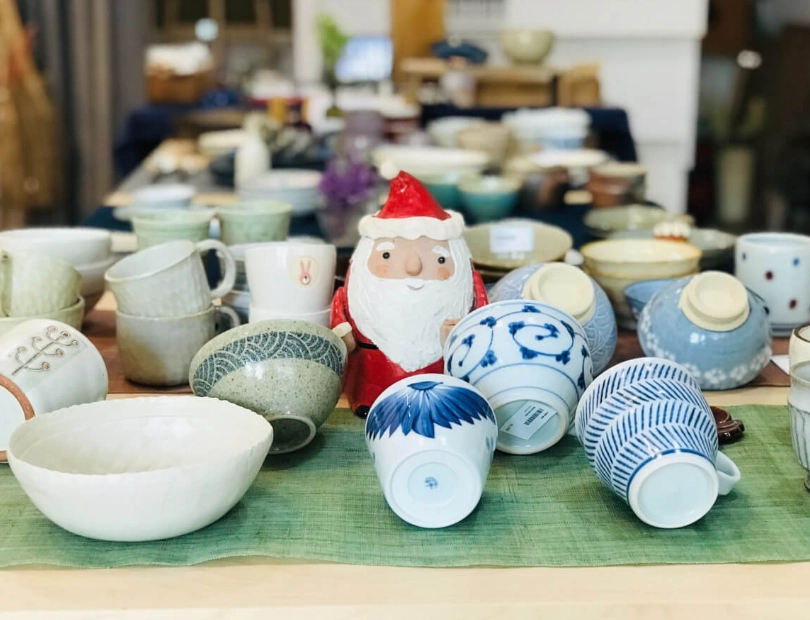
Why a Japanese Pottery Village Tour is Unlike Any Other Trip
Japan has a funny way of perfecting things and then keeping that perfection alive for hundreds of years. Pottery is the ultimate example. It's not frozen in time; it's a living, breathing tradition. In these villages, you'll find ninth-generation potters using techniques from the 1600s, right next to young artists blowing those same traditions apart with wild, modern designs. The friction is incredible.
You go to Italy for food, France for wine. You come to Japan for craft. And a Japanese pottery village tour is the most direct line to that world. It's hands-on history. It's also surprisingly meditative. There's a rhythm to these places—the turn of the wheel, the stacking of the kiln, the patient waiting—that just slows your pulse down.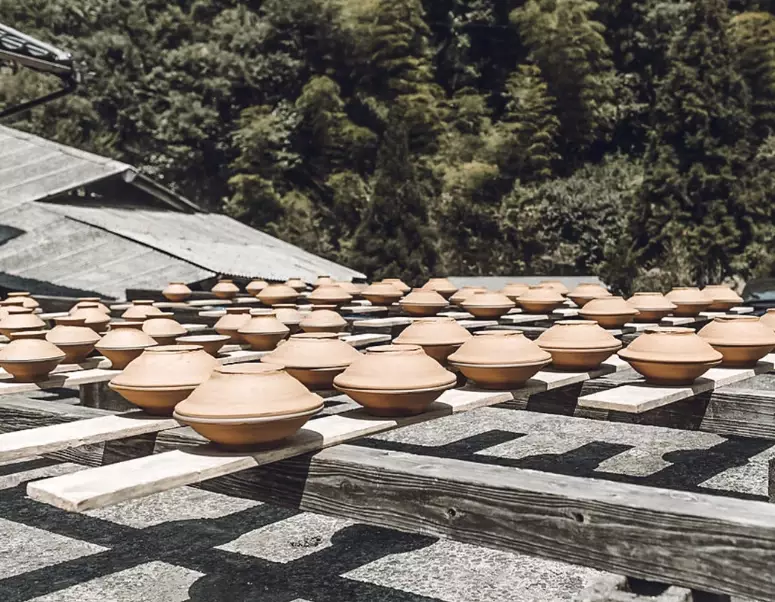
But it's not all zen and quiet contemplation.
Some villages are bustling with galleries and cafes, others are just a few scattered kilns down a mountain path. Knowing which is which before you go is the difference between a good trip and a great one.
How to Choose *Your* Perfect Pottery Village
This is where most guides just list places. That's not enough. Picking the right spot depends entirely on what you want out of the trip. Are you a serious collector? A complete beginner wanting to try the wheel? A photographer chasing stunning landscapes? Your answer changes everything.
Think About Region & Style First
Japanese pottery (yakimono) is fiercely regional. The local clay, the history, the available fuels—they all created distinct "schools" with unique looks. It's like wine terroir, but for ceramics.
Love elegant, delicate white porcelain with intricate blue designs? Your heart belongs in Arita or Imari, the birthplace of Japanese porcelain. Drawn to rustic, sturdy, earthy tableware with bold glazes? The mingei (folk craft) villages like Mashiko or Onta are your spiritual home. Into the refined, subtle beauty of tea ceremony ware? Set your sights on Kyoto or its surrounding areas like Shigaraki.
The style dictates the vibe. Porcelain towns often feel a bit more formal, with prestigious family kilns and showrooms. The folk craft villages are usually more relaxed, open, and hands-on.
The Experience vs. Shopping Scale
Be real with yourself. What's the ratio? Is this 80% about buying gorgeous pieces and 20% about seeing where they're made? Or is it the other way around? Some villages are shopping paradises with hundreds of galleries and multi-story pottery malls (yes, that's a thing). Others might only have a handful of studios open to the public, but offer incredible, in-depth workshop experiences.
I made the mistake once of going to a famous village on a tight schedule, thinking I'd just "see a few kilns." I ended up spending four hours in the first studio, mesmerized by the potter's story, and missed everything else. It was the best day of the trip. Lesson learned: Don't over-schedule. These places work on their own time.
Logistics: The Unsexy But Essential Stuff
How are you getting there? This is the make-or-break question for a smooth Japanese pottery tour. Some villages are an easy train ride from a major city. Others require a rental car, multiple train transfers, and maybe even a local bus that runs three times a day.
Time is the other factor. You can do a decent day-trip to somewhere like Mashiko from Tokyo. But to really feel the pace of life in Arita or Hagi, you need at least one overnight stay. Wandering the quiet streets after the tour buses leave is when the magic happens.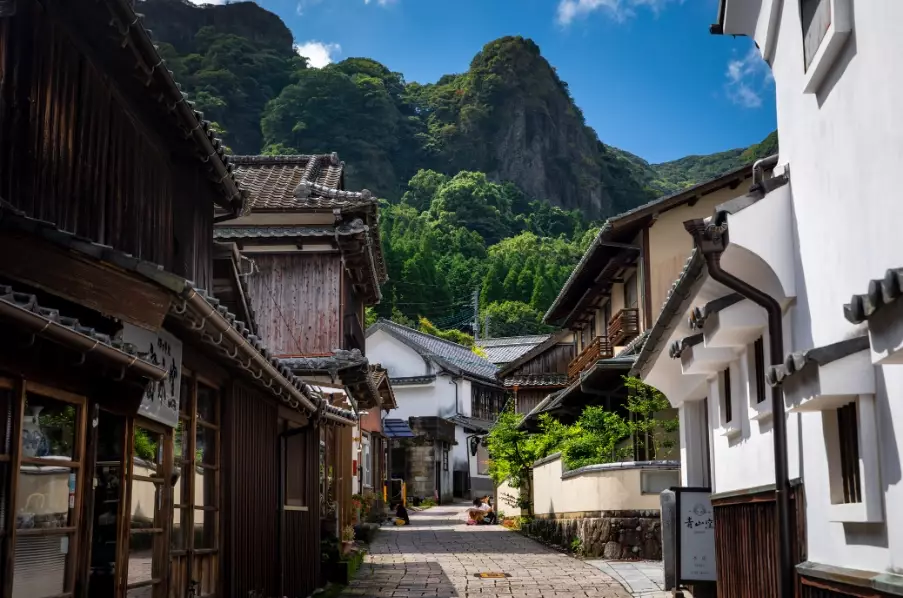
A Deep Dive into Japan's Top Pottery Villages
Okay, let's get specific. Here’s a breakdown of the heavy-hitters, the hidden gems, and what makes each one special for a pottery village tour in Japan.
| Village Name | Region | Famous For (Style) | Top Experience | Best For... |
|---|---|---|---|---|
| Arita / Imari | Saga, Kyushu | Porcelain, Arita-yaki (blue & white, celadon) | Visiting the historic Okawachiyama kiln district | Porcelain lovers, history buffs, collectors |
| Mashiko | Tochigi, Kanto | Mingei (folk craft), sturdy stoneware, ash glazes | Hands-on workshops at numerous studios | Beginners, hands-on learners, rustic style fans |
| Bizen | Okayama, Chugoku | Bizen-yaki (unglazed, wood-fired, natural ash effects) | Seeing massive climbing kilns & unique clay | Wabi-sabi aesthetics, purists, sculpture |
| Hagi | Yamaguchi, Chugoku | Hagi-yaki (tea ceremony ware, porous clay that "changes" with use) | Exploring the castle town & samurai kilns |
That table gives you the cheat sheet. Now, let's walk through a couple like we're actually there.
Arita & Imari: The Porcelain Kingdom
This is where it all started for Japanese porcelain, back in the early 1600s. The vibe here is more refined, more historical. It feels important. The main strip in Arita has beautiful, old merchant houses turned into galleries. But the real treasure is Okawachiyama, a hidden valley a short drive away where the lord of the domain originally concentrated the kilns to protect the secret of porcelain. Driving in feels like entering a secret world. Kiln chimneys poke out of the forest, and the sound of streams is everywhere.
You can visit the Arita Porcelain Lab for a modern take, or seek out the Imaemon Kiln, a designated Important Intangible Cultural Property holder. Shopping is spectacular, but prices reflect the prestige. A word of caution: some of the bigger showrooms can feel a bit sterile and museum-like. To see real work, look for signs that say "kama" (kiln) or "kosho" (workshop) and don't be afraid to politely peek in if the door is open.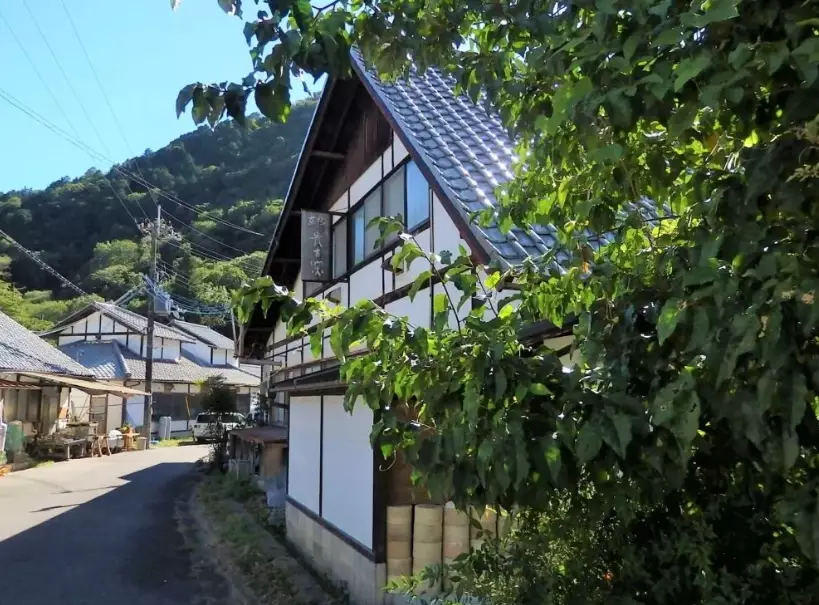
Mashiko: The Heart of Hands-On Mingei
Mashiko is the polar opposite of Arita in feel. It's friendly, approachable, and bursting with creative energy. Revitalized by the legendary potter Shoji Hamada (a National Living Treasure), it's the epicenter of the mingei folk craft movement. This means beauty in everyday, functional objects.
What makes Mashiko perfect for a first-time Japanese pottery village tour is the sheer number of workshops open to visitors. You're not just looking; you're doing. You can find one-day or half-day classes for wheel-throwing or hand-building almost everywhere. The Mashiko Museum of Ceramic Art is a fantastic starting point to understand the history.
My personal favorite experience here wasn't in a fancy studio. It was at a small, family-run kiln where the potter, after I bought a simple cup, spent 20 minutes showing me how he mixed his local clay and talked about the pine ash he uses for glaze. That connection is what Mashiko excels at.
Bizen: Where Fire and Earth Do the Talking
Bizen ware is... different. No glaze. None. The beauty comes purely from the local clay and the intense, week-long wood firing in a massive noborigama (climbing kiln). The results are unpredictable—flashes of red from flame, streaks of ash glaze, a deep, earthy texture. It's the purest form of pottery, and it embodies wabi-sabi like nothing else.
The village area around Inbe is spread out. You'll need a car. Visit the Bizen Pottery Traditional and Contemporary Art Museum first for context. Then, drive to a working kiln like Toukan-gama. The scale is humbling. The kiln is a beast of brick and clay, and the dedication required for a single firing is mind-boggling. This isn't a shopping-spree kind of place. It's more of a pilgrimage to understand a philosophy.
It can feel a bit austere and serious compared to Mashiko. The pieces are often more sculptural and expensive. But the power of the process is unforgettable.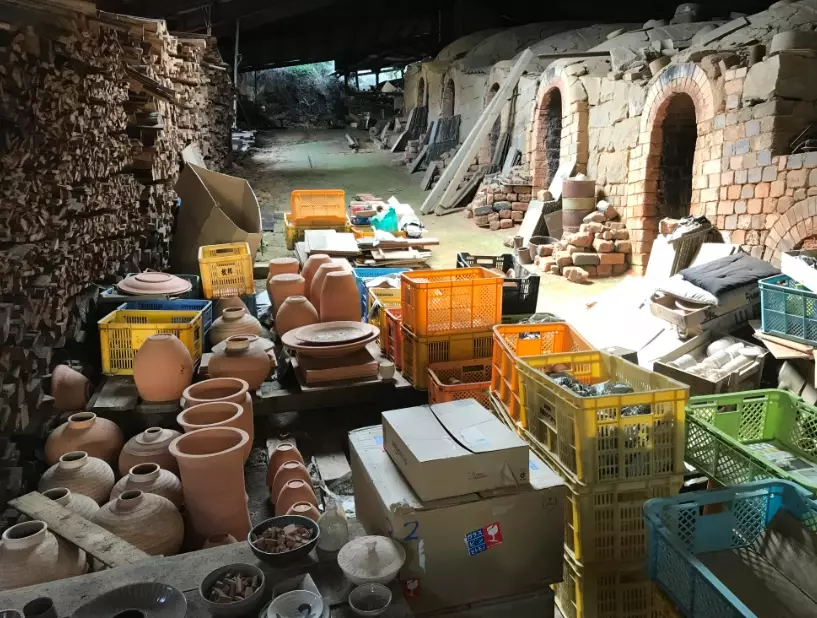
Planning Your Tour: The Nitty-Gritty You Need to Know
Alright, you've picked a village. Now, how do you not mess it up? Here's the practical wisdom they don't always tell you.
When to Go: Seasons Matter
Spring (April-May) and Autumn (October-November) are objectively perfect. Mild weather, beautiful scenery. But they're also peak. Summer can be brutally hot and humid, but villages are quieter. Winter is cold, but seeing a wood-fired kiln stoked against a snowy backdrop is magical. Just check opening hours—some smaller places close in deep winter.
Avoid major Japanese holiday weeks (Golden Week in early May, Obon in mid-August) unless you love crowds and fully booked accommodations.
Budgeting Beyond the Souvenirs
Let's talk money. A Japanese pottery village tour can be as cheap or as expensive as you make it.
- Transport: Rental car (~$50-80/day) + gas + tolls (expressway tolls in Japan are expensive). Train/bus passes can save money if your villages are transit-friendly.
- Accommodation: Village ryokan (inns) or guesthouses offer the best experience. Book months ahead for popular spots. Expect $80-$200+ per night per person with meals.
- Experiences: A 2-hour hand-building workshop might be $30-$50. A full-day wheel-throwing and glazing course can run $100-$150.
- The Pottery Itself: This is the wild card. You can find gorgeous seconds (hana-guro) or small pieces for $20. A tea bowl by a recognized master can cost thousands. Set a budget for purchases and try to stick to it. Shipping is a separate, often significant, cost.
What to Pack (The Non-Obvious List)
Comfortable shoes are a given. Here's what else:
- A small, sturdy backpack: For carrying purchases, water, and a light layer. Your hands will be full.
- Cash. Lots of cash. Many small studios, workshops, and even some rural inns do not take credit cards.
- Old clothes for workshops: Clay doesn't always wash out. Studios provide aprons, but wear something you don't mind getting dirty.
- A phone with a good camera & translator app: For translating signs, menus, and having basic conversations. Google Translate's camera function is a lifesaver.
- A foldable tote or bubble wrap: For providing a little extra protection for purchases before you pack them for shipping.
The Heart of the Experience: Etiquette and Immersion
This isn't a theme park. These are people's homes, workplaces, and lifelong passions. A little cultural sensitivity goes a very long way.
Studio & Shop Manners
Always look for a sign that says something like "見学可" (kengaku ka - viewing allowed) or "工房公開" (kobo koukai - workshop open). If in doubt, a simple "Sumimasen" (Excuse me) at the doorway will get you an answer. If it's clearly a private home/workshop, don't just wander in.
When handling pottery in shops, use two hands. It shows respect. It's also just safer. Ask before taking photos inside studios or of artisans at work. A smile and a gesture with your camera is usually enough.
The Unspoken Rule of the Workshop
If you take a workshop, you're a student. Listen, follow instructions, and don't get frustrated if your first pot looks like a sad pancake. Everyone's does. The potters are masters because they've failed thousands of times. Embrace the process. Ask questions, but also appreciate the quiet focus of the craft.
My first thrown cup was so lopsided the instructor kindly suggested we turn it into a "modern abstract dish." We both laughed. That dish is still on my shelf, a perfect memory of the attempt, not the result.
Buying with Confidence (and Smarts)
How do you know if something is "good" or just tourist tat?
Look for the potter's seal or signature (often on the base). Ask about the clay and firing method. Even simple English words like "local clay," "wood fire," "noborigama" show you're interested. Pieces with slight imperfections (asymmetry, ash dribbles, unique color variations) are often more valued in Japanese aesthetics than perfectly uniform ones. They prove it's hand-made, not factory-made.
Don't be afraid to ask the price if it's not marked. A polite "Kore wa ikura desu ka?" (How much is this?) is fine. And be prepared for the answer. I've had heart-stopping moments seeing the price tag on a piece I fell in love with. It's okay to admire it, thank the shopkeeper, and walk away. They understand.
Frequently Asked Questions (The Stuff You're Actually Wondering)
Beyond the Village: Extending Your Ceramic Journey
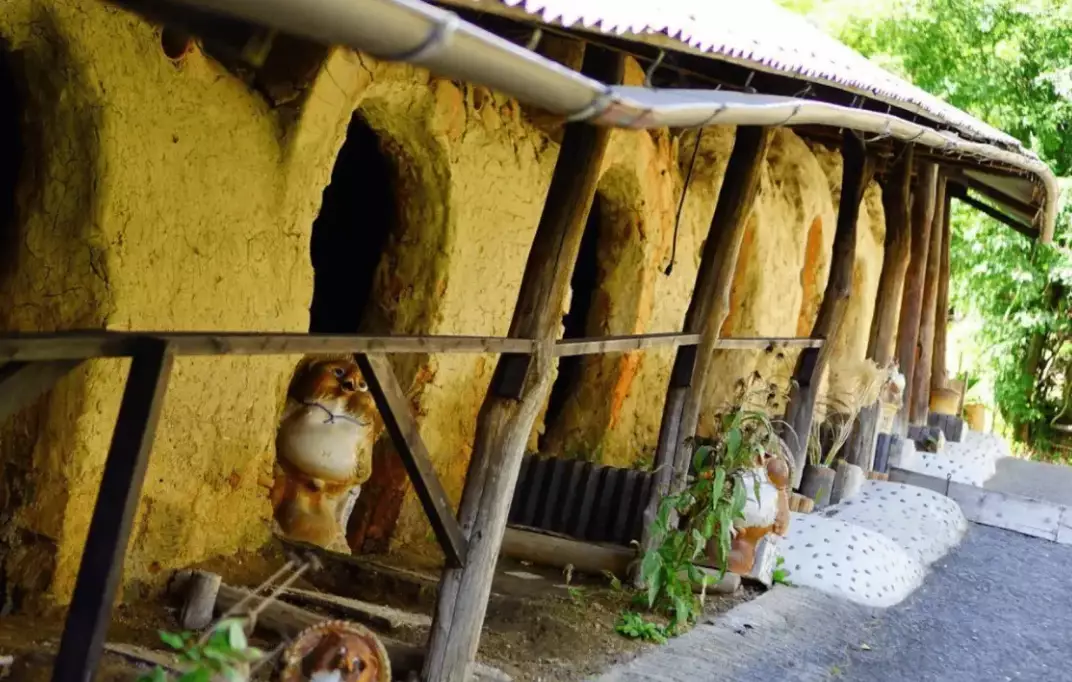
Maybe one village isn't enough. If you're hooked, consider connecting two. The "Ceramic Road" in Kyushu links Arita, Imari, and Karatsu (known for its beautiful, rugged Korean-inspired ware). In the Kansai region, you can link Kyoto's Kiyomizu-yaki area with the ancient kilns of Shigaraki (famous for its tanuki raccoon statues).
Also, look for local pottery festivals (yakimono matsuri) or monthly markets. They're fantastic places to meet dozens of potters from a region at once, see a huge variety of work, and often find better deals.
Ultimately, the goal of your Japanese pottery village tour isn't just to come home with a suitcase full of plates (though that's a nice bonus). It's to come home with a new way of seeing. You'll never look at a coffee cup the same way again. You'll feel the weight of it, notice the glaze, wonder about the hands that formed it and the fire that hardened it. That's the real souvenir—a deepened appreciation for the made-by-hand world, one that lasts long after the trip is over.
So start looking at maps, dreaming about clay, and practicing your wheel-throwing technique on an imaginary wheel. Your perfect pottery village is waiting.


Share Your Thoughts